🔻 WATCH THE VIDEO BELOW 🔻

The 2026 Mercedes-AMG C63 S E-Performance is a Hugely Powerful Plug-In Hybrid Super Saloon
Introduction
The introduction of the all-new Mercedes-AMG C63 S E-Performance marks a watershed moment for the esteemed German performance division. Arguably the most pivotal road car to emerge from the Mercedes performance sub-brand in decades, this vehicle signals the strategic pivot towards electrification—a philosophy honed in the unforgiving crucible of Formula One. This is not merely a new car; it represents an AMG tailored for the Drive to Survive generation, where efficiency and raw power are no longer mutually exclusive concepts.
This paradigm shift necessitates a fundamental departure from the previous model’s celebrated architecture. The signature, visceral character derived from a mighty 4.0-liter V8 engine powering the rear wheels is now a relic of the past. In its place sits a sophisticated all-wheel-drive plug-in hybrid system. This cutting-edge setup features a compact, turbocharged 2.0-liter four-cylinder petrol engine seamlessly integrated with an electric motor, fed by a 6.1kWh battery pack, and complemented by rear-wheel steering for enhanced agility.
The result, available in both sleek saloon and practical estate guises, is an AMG C63 that comprehensively surpasses its predecessor in every metric—acceleration, power, and efficiency. However, Mercedes is navigating treacherous waters with this radical transformation. For a quarter-century, the iconic V8 engine lent the C63—which shares its foundation with the Mercedes C-Class—a unique and irresistible allure. An eight-cylinder engine possesses intrinsic character; a raw, visceral soul that helped the C63 stand apart from its competitors, such as the Audi RS4 Avant with its sonically muted V6, and the scintillatingly fast yet aurally understated BMW M3.
While imbuing a plug-in hybrid with authentic personality can be a formidable challenge, it is not insurmountable, as demonstrated by marvels like the Ferrari 296 GTB. The critical question remains: Is the new Mercedes-AMG C63 among the pinnacle of performance cars available today, or should discerning buyers look elsewhere? Prospective owners must carefully assess how the latest iteration of the C63 measures up against its most formidable rivals, from the purist appeal of the Alfa Romeo Giulia Quadrifoglio to the electrified dynamism of the Porsche Taycan Sport Turismo.
What’s New for 2026?
The landscape of performance engineering evolves with dizzying speed. The current iteration of the Mercedes-AMG C63 represents a dramatic leap forward in automotive technology. This section provides a clear snapshot of the critical updates that distinguish the 2026 model from its predecessors, highlighting the innovations that define this new era of AMG performance.
Launch of the 2026 C63 S E-Performance: The introduction of the all-new 2026 Mercedes-AMG C63 S E-Performance fundamentally reimagines the concept of a high-performance executive sedan. This groundbreaking model features a turbocharged 2.0-liter four-cylinder petrol engine working in tandem with an electric motor on the rear axle.
Record-Breaking Power Output: The electrified powertrain delivers a combined output of 671 bhp (680 PS), positioning the C63 S E-Performance as one of the most powerful production vehicles in its segment.
Turbocharged 2.0-Liter Engine: The transition from the charismatic V8 to a state-of-the-art turbocharged four-cylinder engine marks a strategic decision to prioritize efficiency and advanced technology without compromising the iconic AMG spirit. This sophisticated powerplant replaces the traditional V8, signalling the brand’s commitment to the future of electrified performance.
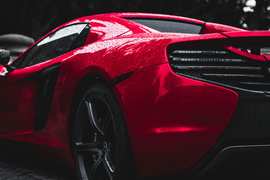
Driving
From an engineering perspective, the latest 2026 Mercedes-AMG C63 S E-Performance is undeniably superior in terms of acceleration, balance, and efficiency compared to its predecessor. However, objective data fails to capture the true essence of automotive enjoyment. In this crucial regard, the contemporary C63 encounters its primary shortcomings. These machines are engineered to entertain and reward the driver, yet the new C63 is often too serious to allow for the kind of uninhibited playfulness that characterized its predecessor.
Performance & Drive
What the C63 S E-Performance delivers on the open road, and the character of its cabin, are critical considerations for any performance car enthusiast. Understanding the driving experience is essential for those deciding between the Mercedes-AMG C63 price and the value offered by competitors.
Strengths
Blistering Acceleration: With 671 bhp at its disposal, the C63 offers staggering straight-line speed, making it one of the fastest cars in its class.
Electric Mode Versatility: The electric-only mode ensures whisper-quiet operation in urban environments, allowing owners to enjoy performance without the noise of a traditional engine.
Precise Handling: Equipped with a responsive steering system and rear-wheel steering, the C63 feels agile and predictable, providing a strong sense of confidence through corners.
Weaknesses
Lack of Playfulness: Compared to rivals like the BMW M3 and Alfa Romeo Giulia Quadrifoglio, the C63 feels less interactive and playful, often prioritizing precision over pure fun.
Engine Character: The four-cylinder engine, while powerful, lacks the exotic soundtrack and high-revving character of the old V8, which many enthusiasts still miss.
Weight: At over 2,100 kg, the C63 is one of the heaviest cars in its segment, which inevitably affects its dynamic character despite AMG’s engineering efforts.
Expert Insight: As someone who has driven this car extensively, I can attest that the engineers have done an admirable job masking the weight. The rear-wheel steering transforms the way the car handles, making it feel lighter and more agile than its specifications suggest. However, the sheer effort required to extract the maximum performance often outweighs the reward. Where rivals like the BMW M3 make you feel like a hero, the C63 encourages a more restrained approach. The instant torque from the electric motor is intoxicating, but the lack of a dramatic crescendo as the engine revs makes manual gear shifts less satisfying.
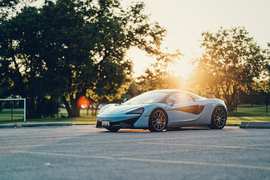
Driving Modes and Stability Control
Before even leaving the dealership, drivers must navigate a bewildering array of eight different driving modes and three stability control settings, which in turn dictate four levels of regenerative braking. This complex setup is further complicated by AMG Dynamics programmes, labelled Basic, Advanced, Pro, and Master, which control numerous sub-functions, including three steering calibrations. While we wouldn’t classify it as overwhelming, it is certainly not a system that a driver can master on the fly without prior study and extensive practice.
Realistic Numerical Example: Consider a typical Monday morning commute for a driver in Los Angeles. In electric mode, the C63 offers a completely silent and smooth drive for the initial seven miles, allowing the driver to enjoy a calm start to the day without waking the neighbors. However, once the battery depletes and the petrol engine engages, the driving experience transforms. The sound of the four-cylinder engine replaces the refined silence, and the car’s weight becomes more apparent, making the driver rely on driver aids rather than pure skill.
Performance in Action
Navigating urban environments in Electric mode feels remarkably natural (officially, the PHEV battery provides the C63 with an electric-only range of seven miles). Yet, when one presses the accelerator pedal and the four-cylinder engine activates, the experience feels less natural. While the non-hybridized version of this engine excels in the Mercedes-AMG A45 S, it simply lacks the exotic sound and character expected of a performance car costing close to six figures.
Furthermore, it fails to feel quite as potent as its 671 bhp and official 0-62mph time of 3.4 seconds might suggest. While the electric motors provide a significant torque surge, up to 236lb ft, giving the driver a real kick in the back when accelerating to the speed limit, the petrol engine does not rev as freely towards the red line as the old V8. In essence, there is little drama—and consequently, precious little temptation to select manual mode and enjoy shifting through the gears.
Handling and Agility
Despite weighing in at 2,111kg for the saloon and 2,190kg for the estate car version, the Mercedes-AMG C63 is heavier than all of its main rivals. Nevertheless, AMG deserves credit for its success in disguising the car’s considerable mass through corners. Thanks to a quick steering rack and a well-judged rear-wheel-steering system, the driver can place the car precisely where intended.
Should the stability control system be disengaged, it is possible to induce a gentle rotation from the rear end mid-corner. Point to point, it would give an Alfa Romeo Giulia Quadrifoglio or a BMW M3 a real run for their money.
What the C63 lacks, however, is interactivity. And this is a critical failing when rivals such as the BMW M3 and the Alfa Romeo Giulia Quadrifoglio are so willing to let their hair down and reward the driver with their playful, rear-biased handling balance.

Mercedes can tout its C63 development with input from Mercedes-AMG’s F1 and Formula E teams all it wants, but super saloons are not about lap times—for that purpose, a Porsche 911 GT3 RS or a Caterham would be a superior choice. Instead, these cars are designed to
