The Elite 10: World’s Most Desirable Supercars and Hypercars in 2025
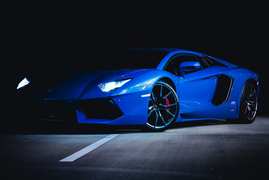
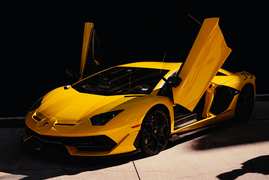
The lines defining “supercar” and “hypercar” have grown increasingly blurred in the automotive world. There’s no formal threshold separating these exclusive classes. What we focus on here are machines that combine breathtaking performance with jaw-dropping aesthetics. These aren’t just cars; they are rolling sculptures that push the boundaries of what’s possible on four wheels.
We’re talking about engineering marvels that defy physics, pushing top speeds into the triple digits and offering acceleration that redefines “instant.” Join us as we dive into the absolute pinnacles of automotive engineering, exploring the titans of speed, luxury, and cutting-edge technology that define the 2025 automotive landscape.
Bugatti Chiron: The Archetype of the Modern Hypercar
Bugatti remains a dominant force in the realm of exclusive automobiles, and the Chiron stands as its crowning achievement in the modern era. Positioned as the successor to the legendary Veyron, the Chiron didn’t just continue the legacy—it redefined it.
At its core is the iconic 8.0-liter quad-turbocharged W16 engine. This mechanical behemoth produces a staggering 1,500 horsepower (1,479 hp) in standard trim, which can be boosted even further in specific variants. This immense power allows the Chiron to rocket from 0 to 60 mph in approximately 2.4 seconds, with a top speed electronically limited to 261 mph (420 km/h) to protect the tires. For those pushing the limits, special versions have achieved speeds exceeding 300 mph (483 km/h).
The design is a masterpiece of aerodynamic engineering. Every curve and vent serves a purpose, channeling air to cool the monstrous engine and maintain stability at extreme velocities. The signature Bugatti horseshoe grille, sweeping C-line design, and minimalist interior emphasize luxury and performance in equal measure. Bugatti has maintained a strict production limit, typically around 500 units for the core Chiron lineage. The starting price for a Chiron often begins in the $3 million range, although configurations can easily push that figure much higher.
Beyond the Standard: The Chiron Family
The Chiron isn’t a singular model; it’s a platform that has spawned several extreme iterations, each pushing the envelope further:
Chiron Pur Sport: Focused on agility and handling, this version features massive aerodynamic wings and revised gearing for maximum downforce and cornering performance.
Chiron Super Sport: Designed for outright top speed, this model has a longer tail to reduce drag and holds the record for the fastest production car with a verified speed of 304.77 mph (490.48 km/h).
Chiron Super Sport 300+: The very model that broke the 300 mph barrier, produced in a limited run for customers.
The Bugatti Bolide: The Track-Focused Demon
The Bugatti Bolide represents the brand’s most extreme vision yet, stripping away road-going comforts to create a pure, track-focused hypercar. Externally, it bears little resemblance to the Chiron; it’s a radical aerodynamic sculpture designed for one purpose: absolute speed on the circuit.
The Bolide houses an optimized version of the W16 engine, producing 1,600 horsepower (1,578 hp) when running on premium racing fuel. Bugatti claims a theoretical top speed of 311 mph (500 km/h), although comprehensive real-world tests are still being conducted. The car is designed with an ultra-lightweight carbon fiber monocoque, achieving a dry weight of around 1,450 kg (3,200 lbs), which is significantly lighter than the standard Chiron.
Its design is raw and functional. Large air intakes, aggressive diffusers, and a prominent rear wing generate massive downforce. The cockpit is spartan, dominated by essential driver controls and advanced telemetry displays. Production is incredibly limited, with only 40 units scheduled for manufacturing. As a result, the price commands a hefty premium, often starting around $4.7 million before optional extras.
McLaren Speedtail: Supersonic Serenity
McLaren’s entry into the elite hypercar category is the Speedtail, often dubbed the “Hyper-GT.” It bridges the gap between extreme performance and long-distance touring comfort, offering a uniquely sophisticated driving experience.
Visually, the Speedtail is striking and futuristic. Its design is exceptionally aerodynamic, reminiscent of a water droplet in motion, which significantly reduces drag. The most distinctive feature is its central driving position, a nod to the iconic McLaren F1. The driver sits at the helm, flanked by two slim passenger seats set slightly further back, creating an intimate, cockpit-like feel.
Power comes from a hybrid powertrain featuring a twin-turbocharged V8 engine combined with an electric motor. This synergy produces a combined output of 1,050 horsepower (1,036 hp). The Speedtail can reach speeds of 250 mph (403 km/h) and accelerates from 0 to 60 mph in a blistering 2.9 seconds. The car features a unique “tail” section that extends at high speeds to minimize air turbulence, further enhancing its aerodynamics.
McLaren produced the Speedtail in a very limited run of 106 units. This exclusivity, combined with its advanced technology and luxurious interior, commands a starting price exceeding $2.25 million, depending on the chosen configuration.
Aston Martin Valkyrie: The F1-Inspired Beast
The Aston Martin Valkyrie is the result of a visionary collaboration between Aston Martin and Red Bull Racing’s legendary designer, Adrian Newey. This isn’t just a road car; it’s a street-legal Formula 1 car, optimized for performance on both road and track.
The Valkyrie is distinguished by its radical aerodynamics. The body is sculpted to maximize downforce, featuring massive underbody tunnels and active aerodynamic elements. Despite its aggressive appearance, the Valkyrie is remarkably lightweight, thanks to its carbon fiber monocoque and body construction. The car weighs in at approximately 1,030 kg (2,270 lbs), making it one of the lightest hypercars available.
Power is delivered by a naturally aspirated 6.5-liter V12 engine developed in collaboration with Cosworth. This engine produces a spectacular 1,160 horsepower (1,145 hp) and revs to a dizzying 11,000 rpm. The hybrid system, which includes an electric motor, assists in delivering torque and maximizing efficiency. The Valkyrie accelerates from 0 to 60 mph in about 2.5 seconds, with a top speed exceeding 200 mph (322 km/h).
The cabin features a unique two-seat configuration, offering a truly immersive driving experience. Production is highly restricted, with only 175 road-going units planned. The Valkyrie carries a price tag starting around $3 million, and demand has been so high that all units are spoken for.
Koenigsegg: Engineering from the Land of the Midnight Sun
The Swedish manufacturer Koenigsegg is synonymous with pushing the absolute limits of speed, innovation, and performance. Founded by Christian von Koenigsegg, the company focuses on creating lightweight, high-power hypercars that consistently challenge global speed records.
Koenigsegg One:1: The Power-to-Weight Ratio Legend
The Koenigsegg One:1 is a pure representation of the company’s philosophy: a perfect balance of power and weight. The name itself defines the car’s goal: one horsepower for every kilogram of weight.
This hypercar is equipped with a 5.0-liter twin-turbocharged V8 engine that produces 1,360 horsepower (1,341 hp), while the car’s weight is also around 1,360 kg (2,998 lbs). This ratio allows for mind-bending acceleration, reaching 60 mph in about 2.6 seconds and 124 mph (200 km/h) in just 6.3 seconds. The One:1 is designed to operate at speeds up to 273 mph (440 km/h).
A key feature is its active aerodynamics, including a large rear wing that adapts to driving conditions to provide optimal downforce. The One:1 was produced in a highly exclusive run of only 7 units, making it one of the rarest hypercars in existence. The price for these exclusive machines started at over $2 million.
Koenigsegg Jesko Absolute: The Ultimate Speed Machine
The Koenigsegg Jesko is a testament to the relentless pursuit of speed. Designed to shatter speed barriers, the Jesko Absolute is the fastest car Koenigsegg has ever built, with a theoretical top speed exceeding 330 mph (531 km/h).
Power comes from a redesigned 5.0-liter twin-turbo V8, which produces 1,622 horsepower (1,600 hp) on E85 biofuel. The car’s design is optimized for maximum aerodynamics, featuring an elongated tail section and smooth surfaces to minimize drag and air resistance. Despite its size and power, the Jesko remains remarkably light, often weighing under 1,300 kg (2,866 lbs).
The Jesko features a unique nine-speed multi-clutch transmission called the “Light Speed Transmission” (LST), which allows for

 The Elite 10: World’s Most Desirable Supercars and Hypercars in 2025
The lines defining “supercar” and “hypercar” have grown increasingly blurred in the automotive world. There’s no formal threshold separating these exclusive classes. What we focus on here are machines that combine breathtaking performance with jaw-dropping aesthetics. These aren’t just cars; they are rolling sculptures that push the boundaries of what’s possible on four wheels.
We’re talking about engineering marvels that defy physics, pushing top speeds into the triple digits and offering acceleration that redefines “instant.” Join us as we dive into the absolute pinnacles of automotive engineering, exploring the titans of speed, luxury, and cutting-edge technology that define the 2025 automotive landscape.
Bugatti Chiron: The Archetype of the Modern Hypercar
Bugatti remains a dominant force in the realm of exclusive automobiles, and the Chiron stands as its crowning achievement in the modern era. Positioned as the successor to the legendary Veyron, the Chiron didn’t just continue the legacy—it redefined it.
At its core is the iconic 8.0-liter quad-turbocharged W16 engine. This mechanical behemoth produces a staggering 1,500 horsepower (1,479 hp) in standard trim, which can be boosted even further in specific variants. This immense power allows the Chiron to rocket from 0 to 60 mph in approximately 2.4 seconds, with a top speed electronically limited to 261 mph (420 km/h) to protect the tires. For those pushing the limits, special versions have achieved speeds exceeding 300 mph (483 km/h).
The design is a masterpiece of aerodynamic engineering. Every curve and vent serves a purpose, channeling air to cool the monstrous engine and maintain stability at extreme velocities. The signature Bugatti horseshoe grille, sweeping C-line design, and minimalist interior emphasize luxury and performance in equal measure. Bugatti has maintained a strict production limit, typically around 500 units for the core Chiron lineage. The starting price for a Chiron often begins in the $3 million range, although configurations can easily push that figure much higher.
Beyond the Standard: The Chiron Family
The Elite 10: World’s Most Desirable Supercars and Hypercars in 2025
The lines defining “supercar” and “hypercar” have grown increasingly blurred in the automotive world. There’s no formal threshold separating these exclusive classes. What we focus on here are machines that combine breathtaking performance with jaw-dropping aesthetics. These aren’t just cars; they are rolling sculptures that push the boundaries of what’s possible on four wheels.
We’re talking about engineering marvels that defy physics, pushing top speeds into the triple digits and offering acceleration that redefines “instant.” Join us as we dive into the absolute pinnacles of automotive engineering, exploring the titans of speed, luxury, and cutting-edge technology that define the 2025 automotive landscape.
Bugatti Chiron: The Archetype of the Modern Hypercar
Bugatti remains a dominant force in the realm of exclusive automobiles, and the Chiron stands as its crowning achievement in the modern era. Positioned as the successor to the legendary Veyron, the Chiron didn’t just continue the legacy—it redefined it.
At its core is the iconic 8.0-liter quad-turbocharged W16 engine. This mechanical behemoth produces a staggering 1,500 horsepower (1,479 hp) in standard trim, which can be boosted even further in specific variants. This immense power allows the Chiron to rocket from 0 to 60 mph in approximately 2.4 seconds, with a top speed electronically limited to 261 mph (420 km/h) to protect the tires. For those pushing the limits, special versions have achieved speeds exceeding 300 mph (483 km/h).
The design is a masterpiece of aerodynamic engineering. Every curve and vent serves a purpose, channeling air to cool the monstrous engine and maintain stability at extreme velocities. The signature Bugatti horseshoe grille, sweeping C-line design, and minimalist interior emphasize luxury and performance in equal measure. Bugatti has maintained a strict production limit, typically around 500 units for the core Chiron lineage. The starting price for a Chiron often begins in the $3 million range, although configurations can easily push that figure much higher.
Beyond the Standard: The Chiron Family