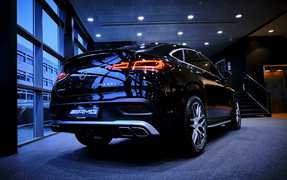
10 Production Cars That Roar with Motorsport DNA
The symphony of a high-performance engine doesn’t just echo around legendary racetracks; it defines the very soul of the machines that grace our roads. There’s an undeniable allure, a visceral thrill, that comes from piloting a vehicle imbued with genuine motorsport DNA. This isn’t merely about aesthetics or superficial performance tweaks; we are talking about production cars that proudly carry engines conceived and perfected in the crucible of elite competition. These powerhouses, born from the relentless pursuit of speed and victory, deliver a high-revving, adrenaline-fueled experience to everyday drivers, forging a direct and potent link to their racing brethren.
In this comprehensive exploration, we delve into ten production vehicles that artfully blur the demarcation lines between the racetrack and the public highway. From the operatic crescendo of naturally aspirated V12s to the guttural bellow of turbocharged titans, these machines offer a tangible taste of racing pedigree. But before we immerse ourselves in the specifics of these exceptional vehicles, it’s crucial to understand the fundamental rationale behind why automotive manufacturers invest astronomical sums into the costly and demanding world of motorsport, and how those hard-won lessons translate into the cars that grace our driveways.
The Symbiotic Relationship: Motorsport DNA in Road-Going Vehicles
The intertwined destiny of motorsport and road car development is a narrative as old as the automobile itself. Racing serves as an extreme proving ground, pushing the boundaries of engineering ingenuity and subjecting vehicles and their components to unparalleled stress. The unforgiving environment of competition demands absolute reliability and peak performance; there is simply no room for failure when victory hangs in the balance. The invaluable knowledge gleaned from these high-stakes endeavors inevitably finds its way back to the design and production of the cars we rely on daily. Whether it’s the implementation of sophisticated aerodynamic principles, the strategic use of advanced lightweight materials, or the direct trickle-down of cutting-edge engine technology, innovation forged in the heat of racing pioneers the creation of superior road cars.
Consider, for instance, the widespread adoption of disc brakes and the ubiquity of paddle shifters; both technologies began their journey on the racetrack before becoming standard features in contemporary production vehicles. Furthermore, the prestige and brand enhancement derived from motorsport success are immeasurable. When a manufacturer’s racing machine consistently dominates the competition, its road-going counterparts are perceived as inherently more desirable and capable. While the vast majority of enthusiasts will never have the opportunity to pilot a Formula 1 car or a Le Mans prototype, the presence of a race-bred engine thrumming beneath the hood offers a profound sense of connection to the action, allowing us to experience a sliver of that exhilarating world.
A Legacy of Speed: 10 Production Cars Fuelled by Racing Engines
Our journey begins with vehicles that represent the pinnacle of this motorsport-to-road philosophy. These are not simply cars with racing stripes; they are machines carrying the very heart and soul of their track-honed ancestors.
Ferrari F40: Formula 1 in a Production Body
The Ferrari F40, conceived to commemorate the Italian marque’s golden jubilee, propels the concept of a track-derived engine to an entirely new stratospheric level. Its heart is a breathtaking 4.7-liter Tipo F130B naturally aspirated V12 engine, a direct transplant from Ferrari’s 1990 Formula 1 car, the legendary Tipo 641 (later designated the F1-90), piloted by the incomparable Alain Prost. This naturally aspirated masterpiece screams to an exhilarating 8,500 RPM, unleashing a formidable 513 horsepower, thereby delivering the raw, unfiltered visceral sensation of a Formula 1 car directly to the asphalt. With minimal modifications to meet stringent road regulations, the F40 stood as the closest a street-legal Ferrari could get to experiencing Formula 1 during its era. This supercar with F1 engine is a rare and coveted machine.
The F40 represents the purest distillation of Ferrari’s racing ambition. Pininfarina’s aggressive styling, defined by massive aero enhancements, was functional, not cosmetic. The carbon fiber and Kevlar body, the stripped-down interior, and the absence of power steering or ABS were all sacrifices made to reduce weight and maximize performance. Driving the F40 is not for the faint of heart; it demands precision and respect. The driving experience is visceral, tactile, and utterly unforgiving. The engine’s power delivery is linear yet ferocious, and the noise is a high-pitched mechanical shriek that borders on painful but remains intoxicating. It’s a raw, mechanical masterpiece that redefined the supercar segment.
Key Takeaways:
Engine: 4.7-liter naturally aspirated V12 (F1 derived)
Power: 513 hp @ 8,500 RPM
Top Speed: 201 mph (324 km/h)
Production: 1,315 units
McLaren F1: Engineering Perfection with Motorsport Engineering
The McLaren F1 redefined what a road car could be when it debuted in 1992. Developed by Gordon Murray and his team, it was an exercise in engineering perfection, designed to be the ultimate road car without compromise. The heart of the beast is a bespoke 6.1-liter BMW-developed S70/2 V12 engine, a powerhouse of engineering innovation. The engine utilizes carbon fiber and titanium components, advanced combustion technologies, and a unique cooling system that incorporates gold foil to dissipate heat. This V12 produces a staggering 627 horsepower, allowing the McLaren F1 to achieve an unprecedented top speed of 240.1 mph, a record that stood for years. The car’s performance is the result of a holistic engineering approach, where every component, from the chassis to the engine, is optimized for maximum performance and driver engagement.
The F1’s driving dynamics are legendary. The carbon fiber monocoque chassis provides exceptional rigidity, while the suspension is tuned for track-inspired precision. The driving position is unique, with the driver seated in the center of the car, flanked by two passenger seats, offering an unparalleled view of the road and a sense of command. The transmission is a manual gearbox, offering the driver full control over the engine’s immense power. The driving experience is raw, unfiltered, and utterly thrilling, making the McLaren F1 one of the most iconic and sought-after sports cars ever built. This supercar with F1 engine is a testament to engineering excellence and a symbol of automotive perfection.
Key Takeaways:
Engine: 6.1-liter BMW S70/2 V12
Power: 627 hp @ 7,400 RPM
Top Speed: 240.1 mph (386.4 km/h)
Production: 106 units
Ferrari 250 GTO: A Race Car for the Road
The Ferrari 250 GTO, often referred to as the Mona Lisa of the automotive world, is a car that transcends the boundaries between road car and race car. Produced in 1962 and 1963, only 36 examples were ever made, making it one of the rarest and most valuable cars in the world. The 250 GTO is powered by a 3.0-liter Tipo 168/62 naturally aspirated V12 engine, derived from Ferrari’s racing program. This engine produces a respectable 300 horsepower, allowing the car to achieve a top speed of 168 mph. The car’s performance is the result of a holistic engineering approach, where every component, from the chassis to the engine, is optimized for maximum performance and driver engagement.
The 250 GTO’s driving dynamics are legendary. The chassis is lightweight and agile, offering the driver an unparalleled level of control and feedback. The driving experience is raw, unfiltered, and utterly thrilling, making the 250 GTO one of the most iconic and sought-after sports cars ever built. It’s a race car that you can drive on the road, a true masterpiece of automotive engineering that represents the pinnacle of Italian craftsmanship and performance. This Italian sports car showcases a unique chapter in Ferrari’s history.
Key Takeaways:
Engine: 3.0-liter naturally aspirated V12 (Tipo 168/62)
Power: 300 hp @ 7,500 RPM
Top Speed: 168 mph (270 km/h)
Production: 36 units
Porsche 918 Spyder: Hybrid Prowess Forged on the Track
The Porsche 918 Spyder’s formidable 4.6-liter V8 engine is directly based on the RS Spyder, a highly successful prototype race car that fiercely competed in the LMP2 class at the prestigious 24 Hours of Daytona. The 918 brilliantly integrated this competition-derived V8 with advanced electric motors, culminating in a staggering combined output of 887 horsepower. This extraordinary powertrain enabled the hypercar to achieve a mind-bending 0-to-60 mph sprint in an astonishing 2.2 seconds (according to independent testing), positioning it among the quickest production vehicles ever conceived. While the electric motors contribute significantly to its blistering performance, it is the race-derived V8 that provides the car’s soul-stirring emotional resonance and captivating auditory character, embodying the spirit of hybrid supercars with racing DNA.

 10 Production Cars That Roar with Motorsport DNA
The symphony of a high-performance engine doesn’t just echo around legendary racetracks; it defines the very soul of the machines that grace our roads. There’s an undeniable allure, a visceral thrill, that comes from piloting a vehicle imbued with genuine motorsport DNA. This isn’t merely about aesthetics or superficial performance tweaks; we are talking about production cars that proudly carry engines conceived and perfected in the crucible of elite competition. These powerhouses, born from the relentless pursuit of speed and victory, deliver a high-revving, adrenaline-fueled experience to everyday drivers, forging a direct and potent link to their racing brethren.
In this comprehensive exploration, we delve into ten production vehicles that artfully blur the demarcation lines between the racetrack and the public highway. From the operatic crescendo of naturally aspirated V12s to the guttural bellow of turbocharged titans, these machines offer a tangible taste of racing pedigree. But before we immerse ourselves in the specifics of these exceptional vehicles, it’s crucial to understand the fundamental rationale behind why automotive manufacturers invest astronomical sums into the costly and demanding world of motorsport, and how those hard-won lessons translate into the cars that grace our driveways.
The Symbiotic Relationship: Motorsport DNA in Road-Going Vehicles
The intertwined destiny of motorsport and road car development is a narrative as old as the automobile itself. Racing serves as an extreme proving ground, pushing the boundaries of engineering ingenuity and subjecting vehicles and their components to unparalleled stress. The unforgiving environment of competition demands absolute reliability and peak performance; there is simply no room for failure when victory hangs in the balance. The invaluable knowledge gleaned from these high-stakes endeavors inevitably finds its way back to the design and production of the cars we rely on daily. Whether it’s the implementation of sophisticated aerodynamic principles, the strategic use of advanced lightweight materials, or the direct trickle-down of cutting-edge engine technology, innovation forged in the heat of racing pioneers the creation of superior road cars.
Consider, for instance, the widespread adoption of disc brakes and the ubiquity of paddle shifters; both technologies began their journey on the racetrack before becoming standard features in contemporary production vehicles. Furthermore, the prestige and brand enhancement derived from motorsport success are immeasurable. When a manufacturer’s racing machine consistently dominates the competition, its road-going counterparts are perceived as inherently more desirable and capable. While the vast majority of enthusiasts will never have the opportunity to pilot a Formula 1 car or a Le Mans prototype, the presence of a race-bred engine thrumming beneath the hood offers a profound sense of connection to the action, allowing us to experience a sliver of that exhilarating world.
10 Production Cars That Roar with Motorsport DNA
The symphony of a high-performance engine doesn’t just echo around legendary racetracks; it defines the very soul of the machines that grace our roads. There’s an undeniable allure, a visceral thrill, that comes from piloting a vehicle imbued with genuine motorsport DNA. This isn’t merely about aesthetics or superficial performance tweaks; we are talking about production cars that proudly carry engines conceived and perfected in the crucible of elite competition. These powerhouses, born from the relentless pursuit of speed and victory, deliver a high-revving, adrenaline-fueled experience to everyday drivers, forging a direct and potent link to their racing brethren.
In this comprehensive exploration, we delve into ten production vehicles that artfully blur the demarcation lines between the racetrack and the public highway. From the operatic crescendo of naturally aspirated V12s to the guttural bellow of turbocharged titans, these machines offer a tangible taste of racing pedigree. But before we immerse ourselves in the specifics of these exceptional vehicles, it’s crucial to understand the fundamental rationale behind why automotive manufacturers invest astronomical sums into the costly and demanding world of motorsport, and how those hard-won lessons translate into the cars that grace our driveways.
The Symbiotic Relationship: Motorsport DNA in Road-Going Vehicles
The intertwined destiny of motorsport and road car development is a narrative as old as the automobile itself. Racing serves as an extreme proving ground, pushing the boundaries of engineering ingenuity and subjecting vehicles and their components to unparalleled stress. The unforgiving environment of competition demands absolute reliability and peak performance; there is simply no room for failure when victory hangs in the balance. The invaluable knowledge gleaned from these high-stakes endeavors inevitably finds its way back to the design and production of the cars we rely on daily. Whether it’s the implementation of sophisticated aerodynamic principles, the strategic use of advanced lightweight materials, or the direct trickle-down of cutting-edge engine technology, innovation forged in the heat of racing pioneers the creation of superior road cars.
Consider, for instance, the widespread adoption of disc brakes and the ubiquity of paddle shifters; both technologies began their journey on the racetrack before becoming standard features in contemporary production vehicles. Furthermore, the prestige and brand enhancement derived from motorsport success are immeasurable. When a manufacturer’s racing machine consistently dominates the competition, its road-going counterparts are perceived as inherently more desirable and capable. While the vast majority of enthusiasts will never have the opportunity to pilot a Formula 1 car or a Le Mans prototype, the presence of a race-bred engine thrumming beneath the hood offers a profound sense of connection to the action, allowing us to experience a sliver of that exhilarating world.