The Ultimate 2025 Hypercar & Supercar Power Rankings
The world of high-performance motoring is currently undergoing a seismic shift. For years, the podium belonged to established icons, but today, the landscape is more diverse, electric-driven, and dare we say, more extreme than ever before. In 2025, the lines between “supercar” and “hypercar” have become exceptionally blurred, with manufacturers pushing the boundaries of physics, aerodynamics, and pure horsepower in ways that were unimaginable just a decade ago.
The driving force behind this revolution is clear: the quest for ultimate speed, zero-emission performance, and the pinnacle of automotive engineering. Electric powertrains are no longer a novelty; they are the foundation of the most powerful and technologically advanced vehicles on the planet. Meanwhile, traditional giants are not sitting still, developing internal combustion masterpieces that represent the absolute zenith of gasoline performance before the inevitable transition to electrification.
This year’s selection is a testament to human ingenuity. We have assembled a list of vehicles that redefine the word “fast,” pushing boundaries with stratospheric top speeds, blistering acceleration, and breathtaking design. These are not just cars; they are engineering sculptures, each a limited-edition statement of technological supremacy, and most importantly, they are the fastest machines to ever grace the asphalt. Let’s dive into the 2025 elite.
Bugatti Chiron: The Icon in its Final Form
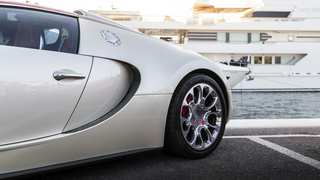
Before we look at the newcomers shaking up the market, we must acknowledge the reigning monarch. The Bugatti Chiron, the spiritual successor to the legendary Veyron, continues to hold its ground as one of the most recognizable and powerful hypercars ever produced. While it may be overshadowed by some newer, more aggressive track-focused machines, the Chiron remains the benchmark for combining luxury, artistry, and raw performance.
The Chiron is powered by a quad-turbocharged 8.0-liter W16 engine that produces a mind-boggling 1,500 horsepower (and 1,180 lb-ft of torque in its standard guise, though special editions push far beyond this). This massive engine utilizes two stages of turbocharging: four relatively smaller turbos to spool up the massive engine quickly, followed by four larger ones to feed the beast at high RPMs.
When paired with its advanced all-wheel-drive system and lightweight chassis, the Chiron accelerates from 0 to 60 mph in just 2.4 seconds. Its official top speed is electronically limited to 261 mph (420 km/h) to protect the tires, but prototypes have reportedly reached speeds exceeding 300 mph.
The design of the Chiron is a masterclass in automotive sculpture. Its signature horseshoe grille, C-line on the side, and iconic Bugatti blue livery are instantly recognizable. While newer models are appearing, the Chiron’s exclusivity, rarity (Bugatti only produced 500 units), and timeless design ensure its place as one of the most desirable and collectible hypercars of the decade. The starting price for the Chiron was around $2.9 million, but special edition variants, such as the Super Sport and Pur Sport, command significantly higher figures, cementing its status as a true automotive masterpiece.
Bugatti Bolide: The Track-Only Titan
Bugatti’s foray into pure track performance arrived in the form of the Bolide. This radically different evolution of the Chiron philosophy is stripped down, aerodynamically extreme, and engineered to deliver performance on the track like nothing else wearing the Bugatti badge.
The Bolide ditches the luxury focus of the Chiron in favor of an ultralight carbon fiber monocoque. The most striking departure is the engine: Bugatti fitted its W16 engine with four turbochargers that operate at maximum boost pressure from the moment the driver hits the accelerator. In this configuration, the engine produces 1,600 horsepower. However, Bugatti states that when filled with racing fuel (like the one used in Formula 1), the power output jumps to an astonishing 1,850 horsepower.
This extreme power-to-weight ratio—with the car weighing only 3,197 pounds (1,450 kg) in track trim—allows for staggering performance metrics. Bugatti estimates a 0-60 mph time of just 2.17 seconds. While it is electronically limited for safety, the aerodynamic design is optimized for the fastest possible lap times rather than outright top speed, which Bugatti has estimated at an impossible 310 mph (499 km/h) under testing conditions.
Visually, the Bolide is an aggressive, otherworldly creation. It features large air intakes, exposed carbon fiber, and massive aerodynamic wings that generate thousands of pounds of downforce. Only 40 units were produced, each costing around $4.7 million, making it one of the most exclusive and technologically advanced track-only hypercars available in 2025.
McLaren Speedtail: The Longtail Redefined
McLaren’s ultimate hypercar, the Speedtail, represents the return of the iconic “Longtail” name but with a modern twist. It is not just about raw speed; it is about aerodynamic efficiency, high-speed stability, and a unique luxury experience for the driver.
The Speedtail is a hybrid machine, powered by a twin-turbocharged 4.0-liter V8 engine combined with an electric motor. This powertrain produces a combined output of 1,050 horsepower and 848 lb-ft of torque. Thanks to its lightweight carbon fiber construction and the electric boost, the Speedtail accelerates from 0 to 60 mph in a mere 2.9 seconds.
Its defining feature is its extreme length and teardrop-shaped body, which gives it a drag coefficient of only 0.279—one of the lowest ever achieved for a road-legal car. This aerodynamic efficiency allows it to reach a staggering top speed of 250 mph (402 km/h), making it the fastest road-legal McLaren ever built.
Inside, the cockpit is a testament to innovation. It features a central driver’s seat with two passenger seats set slightly behind and to the sides, creating a unique cockpit feel. The interior is luxurious, featuring digital displays, premium materials, and advanced technology. McLaren produced only 106 units, referencing the production number of the iconic McLaren F1. The price tag starts at $2.25 million, placing it firmly in the realm of hypercar exclusivity.
Aston Martin Valkyrie: The Formula 1 Car for the Road
Named after the Norse goddesses of battle, the Aston Martin Valkyrie is arguably the closest you can get to driving a Formula 1 car on the street. Developed in collaboration with Red Bull Racing and legendary designer Adrian Newey, the Valkyrie is a lightweight, aerodynamics-focused hypercar built for pure performance.
At its heart lies a Cosworth-developed 6.5-liter V12 naturally aspirated engine. This engine produces a breathtaking 1,176 horsepower (with the AMR Pro version reaching 1,187 hp) and revs up to an astronomical 11,100 rpm. The engine itself is a stressed member of the chassis, helping to keep the weight down to just 2,271 pounds (1,030 kg).
The Valkyrie’s aerodynamics are extreme, featuring a massive diffuser, front splitter, and advanced airflow channels that generate incredible downforce. It accelerates from 0 to 60 mph in a blistering 2.5 seconds and has a claimed top speed of over 220 mph (352 km/h), though its focus is on handling rather than pure top speed.
The interior is minimalistic and driver-focused, with an F1-inspired steering wheel and carbon fiber seats. Aston Martin is producing only 150 road-legal versions and 25 track-only AMR Pro versions. The price for the standard Valkyrie starts at around $3.2 million, making it one of the most coveted and exclusive hypercars on the planet.
Koenigsegg One:1: The Power-to-Weight Benchmark
Swedish manufacturer Koenigsegg has long been at the forefront of hypercar innovation, and the One:1 remains one of their most iconic and extreme creations. The car’s name perfectly encapsulates its philosophy: a 1:1 power-to-weight ratio, meaning one horsepower for every kilogram of curb weight.
This is achieved through a lightweight carbon fiber body and an aggressive twin-turbocharged 5.0-liter V8 engine that produces 1,360 horsepower (1,015 kW) at 7,500 rpm. With a curb weight of 1,360 kg (2,998 lbs), the One:1 hits the magic 1:1 ratio.
The One:1 boasts a 0-60 mph time of 2.6 seconds and an official top speed of 273 mph (440 km/h). However, its most notable feature is its advanced aerodynamics, including a massive wing that generates an astonishing 2,200 pounds of downforce at its maximum speed.
Koenigsegg produced only seven units of the One:1, making it one of the rarest and most collectible hypercars ever made. The price exceeded $2 million, but today, due to its rarity, these vehicles trade for significantly more on the secondary market.
Koenigsegg Jesko Absolute: The Speed Record Challenger
Koenigsegg’s latest flagship, the Jesko Absolute, is

 The Ultimate 2025 Hypercar & Supercar Power Rankings
The world of high-performance motoring is currently undergoing a seismic shift. For years, the podium belonged to established icons, but today, the landscape is more diverse, electric-driven, and dare we say, more extreme than ever before. In 2025, the lines between “supercar” and “hypercar” have become exceptionally blurred, with manufacturers pushing the boundaries of physics, aerodynamics, and pure horsepower in ways that were unimaginable just a decade ago.
The driving force behind this revolution is clear: the quest for ultimate speed, zero-emission performance, and the pinnacle of automotive engineering. Electric powertrains are no longer a novelty; they are the foundation of the most powerful and technologically advanced vehicles on the planet. Meanwhile, traditional giants are not sitting still, developing internal combustion masterpieces that represent the absolute zenith of gasoline performance before the inevitable transition to electrification.
This year’s selection is a testament to human ingenuity. We have assembled a list of vehicles that redefine the word “fast,” pushing boundaries with stratospheric top speeds, blistering acceleration, and breathtaking design. These are not just cars; they are engineering sculptures, each a limited-edition statement of technological supremacy, and most importantly, they are the fastest machines to ever grace the asphalt. Let’s dive into the 2025 elite.
Bugatti Chiron: The Icon in its Final Form
Before we look at the newcomers shaking up the market, we must acknowledge the reigning monarch. The Bugatti Chiron, the spiritual successor to the legendary Veyron, continues to hold its ground as one of the most recognizable and powerful hypercars ever produced. While it may be overshadowed by some newer, more aggressive track-focused machines, the Chiron remains the benchmark for combining luxury, artistry, and raw performance.
The Chiron is powered by a quad-turbocharged 8.0-liter W16 engine that produces a mind-boggling 1,500 horsepower (and 1,180 lb-ft of torque in its standard guise, though special editions push far beyond this). This massive engine utilizes two stages of turbocharging: four relatively smaller turbos to spool up the massive engine quickly, followed by four larger ones to feed the beast at high RPMs.
The Ultimate 2025 Hypercar & Supercar Power Rankings
The world of high-performance motoring is currently undergoing a seismic shift. For years, the podium belonged to established icons, but today, the landscape is more diverse, electric-driven, and dare we say, more extreme than ever before. In 2025, the lines between “supercar” and “hypercar” have become exceptionally blurred, with manufacturers pushing the boundaries of physics, aerodynamics, and pure horsepower in ways that were unimaginable just a decade ago.
The driving force behind this revolution is clear: the quest for ultimate speed, zero-emission performance, and the pinnacle of automotive engineering. Electric powertrains are no longer a novelty; they are the foundation of the most powerful and technologically advanced vehicles on the planet. Meanwhile, traditional giants are not sitting still, developing internal combustion masterpieces that represent the absolute zenith of gasoline performance before the inevitable transition to electrification.
This year’s selection is a testament to human ingenuity. We have assembled a list of vehicles that redefine the word “fast,” pushing boundaries with stratospheric top speeds, blistering acceleration, and breathtaking design. These are not just cars; they are engineering sculptures, each a limited-edition statement of technological supremacy, and most importantly, they are the fastest machines to ever grace the asphalt. Let’s dive into the 2025 elite.
Bugatti Chiron: The Icon in its Final Form
Before we look at the newcomers shaking up the market, we must acknowledge the reigning monarch. The Bugatti Chiron, the spiritual successor to the legendary Veyron, continues to hold its ground as one of the most recognizable and powerful hypercars ever produced. While it may be overshadowed by some newer, more aggressive track-focused machines, the Chiron remains the benchmark for combining luxury, artistry, and raw performance.
The Chiron is powered by a quad-turbocharged 8.0-liter W16 engine that produces a mind-boggling 1,500 horsepower (and 1,180 lb-ft of torque in its standard guise, though special editions push far beyond this). This massive engine utilizes two stages of turbocharging: four relatively smaller turbos to spool up the massive engine quickly, followed by four larger ones to feed the beast at high RPMs.