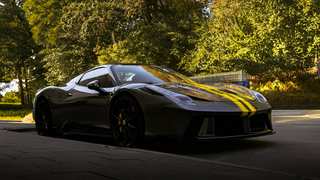
The Zenith of Automotive Engineering: Unveiling the World’s 10 Best Supercars and Hypercars of 2025
Since the 1960s, the automotive landscape has been defined by a relentless pursuit of speed, luxury, and technological prowess. While the lines between a “supercar” and a “hypercar” can often be subjective, modern engineering has blurred these boundaries even further, creating machines that exist at the very pinnacle of performance and design. Today, in the year 2025, we are witnessing a new era of automotive excellence, one driven by electric powertrains, aerodynamic mastery, and breathtaking aesthetics.
We will explore the crème de la crème of the supercar and hypercar world. These are not just cars; they are engineering marvels, masterpieces of design, and symbols of automotive ambition. They represent the most extreme expression of what engineers can achieve when constraints are removed, and the only limit is the laws of physics and the depths of carbon fiber.
Bugatti Bolide: The Apex Predator of the Track
For years, the Bugatti Chiron has stood as the benchmark for what a road-legal hypercar can achieve. However, the Bugatti Bolide represents the ultimate expression of Bugatti’s engineering philosophy, pushed to the absolute extreme. Designed with the singular goal of dominating the racetrack, the Bolide is a visceral, aerodynamic masterpiece that redefines the limits of performance.
The heart of the Bolide is an aggressively modified 8.0-liter quad-turbocharged W16 engine. When fueled with high-octane racing fuel, this powerplant produces a staggering 1,850 horsepower. This immense power is channeled through a specialized gearbox to an advanced all-wheel-drive system, ensuring maximum traction and grip on the track. In its road-legal configuration, the Bolide delivers 1,600 horsepower, offering a slightly more manageable, albeit still intoxicating, experience.
Weight reduction was paramount in the development of the Bolide. Bugatti utilized a cutting-edge carbon fiber monocoque chassis, combined with innovative materials throughout the bodywork. The result is a car that weighs just 1,450 kg (3,197 lbs), a significant achievement for a vehicle with such a massive engine and complex cooling system. This low weight, coupled with the immense power, allows the Bolide to sprint from 0 to 60 mph in approximately 2.17 seconds, with a claimed top speed exceeding 310 mph (499 km/h).
The aerodynamic design of the Bolide is as radical as its performance. The exposed carbon fiber body features a massive rear wing, intricate diffusers, and massive air intakes that channel air to cool the engine, brakes, and drivetrain. The cockpit is a minimalist, fighter-jet-inspired environment, devoid of distractions and focused entirely on driving. The seats are rigid, and the controls are intuitive, emphasizing that this car is built for track dominance, not luxury cruising.
Production of the Bugatti Bolide is extremely limited, with only 40 units planned worldwide. These exclusive models are priced well into the millions of dollars, making them some of the most expensive cars available to the public. However, for those who can afford one, the Bolide offers an unparalleled track experience, a chance to own a piece of automotive history that pushes the boundaries of what is possible.
McLaren Speedtail: The Ultimate High-Speed Cruiser
McLaren has always been synonymous with lightweight, driver-focused machines that prioritize performance over luxury. The McLaren Speedtail is a perfect embodiment of this philosophy, serving as the spiritual successor to the legendary McLaren F1. However, the Speedtail is not just a reimagining of a classic; it is a leap into the future of hybrid hypercars.
The Speedtail combines a twin-turbocharged 4.0-liter V8 engine with an advanced hybrid electric motor, producing a combined output of 1,050 horsepower. This powertrain delivers a surge of power that pushes the Speedtail to a breathtaking top speed of 250 mph (402 km/h). The car accelerates from 0 to 60 mph in just 2.9 seconds, thanks to its ultra-lightweight construction and efficient hybrid system.
One of the most distinctive features of the Speedtail is its revolutionary three-seat layout. The driver’s seat is positioned in the center, with two passenger seats situated behind and slightly to the side. This configuration, inspired by the McLaren F1, offers an unparalleled sense of driver focus and control, while still allowing for comfortable two-up driving.
The design of the Speedtail is a masterclass in aerodynamics. The streamlined body resembles a teardrop, minimizing drag and maximizing efficiency. The absence of side mirrors and the use of virtual camera systems further reduce drag, contributing to the car’s incredible top speed. The cockpit is a minimalist, technologically advanced environment, featuring a digital dashboard and a focus on clarity and function.
McLaren Speedtail production is strictly limited to 106 units worldwide, a nod to the original F1’s production run. These exclusive models command a premium price, making them highly sought after by collectors and performance enthusiasts. The Speedtail represents the pinnacle of British engineering, a car that delivers both breathtaking speed and elegant design.
Aston Martin Valkyrie: A Masterpiece of Racing Technology
The Aston Martin Valkyrie is a collaboration between the legendary British luxury manufacturer and the Formula 1 powerhouse, Red Bull Racing. This partnership has resulted in a road-legal hypercar that is virtually indistinguishable from a modern Formula 1 car, both in terms of performance and aesthetics.
At the heart of the Valkyrie is a 6.5-liter V12 naturally aspirated engine developed in partnership with Cosworth. This screaming masterpiece produces 1,160 horsepower, making it one of the most powerful naturally aspirated engines ever fitted to a road car. The engine is coupled with an electric motor system, providing a boost in torque and allowing for an all-electric driving mode.
Weight reduction was a primary focus in the development of the Valkyrie. The car features a carbon fiber monocoque chassis, lightweight bodywork, and minimalist interior trim, resulting in a dry weight of just 1,030 kg (2,271 lbs). This low weight, combined with the immense power, allows the Valkyrie to sprint from 0 to 60 mph in just 2.5 seconds, with a claimed top speed exceeding 217 mph (350 km/h).
The design of the Valkyrie is a breathtaking display of aerodynamic engineering. The body features dramatic wings, diffusers, and tunnels that generate massive downforce, providing incredible grip and cornering capabilities. The interior is a minimalist, driver-focused cockpit with two seats, emphasizing that this car is built for speed and performance, not comfort.
Production of the Aston Martin Valkyrie is strictly limited to 175 units worldwide, and the car has been sold out since its initial announcement. The Valkyrie represents the fusion of Formula 1 technology and luxury automotive engineering, a true masterpiece that bridges the gap between the racetrack and the road.
Koenigsegg One:1: The World’s First One-Megawatt Car
Koenigsegg has long been known for pushing the boundaries of automotive performance, and the Koenigsegg One:1 is perhaps the most extreme example of their dedication to speed and innovation. The car’s name, “One:1,” refers to its incredible power-to-weight ratio, with one horsepower for every kilogram of weight.
At the heart of the One:1 is a 5.0-liter twin-turbocharged V8 engine that produces a staggering 1,360 horsepower. This massive power is delivered to the rear wheels, providing an exhilarating driving experience. The car’s lightweight construction, with a dry weight of 1,360 kg, makes it incredibly agile and responsive.
The design of the One:1 is a perfect balance of form and function. The aerodynamic body features massive wings, diffusers, and vents that generate downforce and cooling. The interior is a minimalist, driver-focused cockpit with a focus on performance and control.
Production of the Koenigsegg One:1 is extremely limited, with only 7 units produced worldwide. These exclusive cars command a premium price, making them highly sought after by collectors and performance enthusiasts. The One:1 represents the pinnacle of Swedish engineering, a car that delivers both breathtaking speed and incredible innovation.
Koenigsegg Jesko Absolut: The Ultimate Top-Speed Challenger
Following the success of the One:1, Koenigsegg continued to push the boundaries of automotive performance with the introduction of the Koenigsegg Jesko Absolut. This hypercar represents the ultimate expression of Koenigsegg’s quest for speed, featuring a massive engine, lightweight construction, and advanced aerodynamics.
The heart of the Jesko Absolut is a 5.0-liter twin-turbocharged V8 engine that produces 1,622 horsepower on E85 ethanol. This massive power output allows the car to achieve a claimed top speed of over 330 mph (531 km/h), making it one of the fastest cars in the world.
The design of the Jesko Absolut is a perfect balance of form and function. The aerodynamic body features massive wings, diffusers, and vents that generate downforce and cooling. The interior is a minimalist, driver-focused cockpit with a focus on performance and control.
Production of the Koenigsegg Jesko Absolut is limited to 125 units worldwide, and the car has been sold out since

 The Zenith of Automotive Engineering: Unveiling the World’s 10 Best Supercars and Hypercars of 2025
Since the 1960s, the automotive landscape has been defined by a relentless pursuit of speed, luxury, and technological prowess. While the lines between a “supercar” and a “hypercar” can often be subjective, modern engineering has blurred these boundaries even further, creating machines that exist at the very pinnacle of performance and design. Today, in the year 2025, we are witnessing a new era of automotive excellence, one driven by electric powertrains, aerodynamic mastery, and breathtaking aesthetics.
We will explore the crème de la crème of the supercar and hypercar world. These are not just cars; they are engineering marvels, masterpieces of design, and symbols of automotive ambition. They represent the most extreme expression of what engineers can achieve when constraints are removed, and the only limit is the laws of physics and the depths of carbon fiber.
Bugatti Bolide: The Apex Predator of the Track
For years, the Bugatti Chiron has stood as the benchmark for what a road-legal hypercar can achieve. However, the Bugatti Bolide represents the ultimate expression of Bugatti’s engineering philosophy, pushed to the absolute extreme. Designed with the singular goal of dominating the racetrack, the Bolide is a visceral, aerodynamic masterpiece that redefines the limits of performance.
The heart of the Bolide is an aggressively modified 8.0-liter quad-turbocharged W16 engine. When fueled with high-octane racing fuel, this powerplant produces a staggering 1,850 horsepower. This immense power is channeled through a specialized gearbox to an advanced all-wheel-drive system, ensuring maximum traction and grip on the track. In its road-legal configuration, the Bolide delivers 1,600 horsepower, offering a slightly more manageable, albeit still intoxicating, experience.
Weight reduction was paramount in the development of the Bolide. Bugatti utilized a cutting-edge carbon fiber monocoque chassis, combined with innovative materials throughout the bodywork. The result is a car that weighs just 1,450 kg (3,197 lbs), a significant achievement for a vehicle with such a massive engine and complex cooling system. This low weight, coupled with the immense power, allows the Bolide to sprint from 0 to 60 mph in approximately 2.17 seconds, with a claimed top speed exceeding 310 mph (499 km/h).
The Zenith of Automotive Engineering: Unveiling the World’s 10 Best Supercars and Hypercars of 2025
Since the 1960s, the automotive landscape has been defined by a relentless pursuit of speed, luxury, and technological prowess. While the lines between a “supercar” and a “hypercar” can often be subjective, modern engineering has blurred these boundaries even further, creating machines that exist at the very pinnacle of performance and design. Today, in the year 2025, we are witnessing a new era of automotive excellence, one driven by electric powertrains, aerodynamic mastery, and breathtaking aesthetics.
We will explore the crème de la crème of the supercar and hypercar world. These are not just cars; they are engineering marvels, masterpieces of design, and symbols of automotive ambition. They represent the most extreme expression of what engineers can achieve when constraints are removed, and the only limit is the laws of physics and the depths of carbon fiber.
Bugatti Bolide: The Apex Predator of the Track
For years, the Bugatti Chiron has stood as the benchmark for what a road-legal hypercar can achieve. However, the Bugatti Bolide represents the ultimate expression of Bugatti’s engineering philosophy, pushed to the absolute extreme. Designed with the singular goal of dominating the racetrack, the Bolide is a visceral, aerodynamic masterpiece that redefines the limits of performance.
The heart of the Bolide is an aggressively modified 8.0-liter quad-turbocharged W16 engine. When fueled with high-octane racing fuel, this powerplant produces a staggering 1,850 horsepower. This immense power is channeled through a specialized gearbox to an advanced all-wheel-drive system, ensuring maximum traction and grip on the track. In its road-legal configuration, the Bolide delivers 1,600 horsepower, offering a slightly more manageable, albeit still intoxicating, experience.
Weight reduction was paramount in the development of the Bolide. Bugatti utilized a cutting-edge carbon fiber monocoque chassis, combined with innovative materials throughout the bodywork. The result is a car that weighs just 1,450 kg (3,197 lbs), a significant achievement for a vehicle with such a massive engine and complex cooling system. This low weight, coupled with the immense power, allows the Bolide to sprint from 0 to 60 mph in approximately 2.17 seconds, with a claimed top speed exceeding 310 mph (499 km/h).