
The Apex Predators: Navigating the Stratosphere of Ultra-Performance Automotive Engineering
In the relentless pursuit of automotive perfection, a select echelon of manufacturers continually pushes the boundaries of what’s possible, crafting machines that redefine speed, power, and technological prowess. For a decade, I’ve been immersed in this exhilarating world, witnessing firsthand the evolution from sheer brute force to sophisticated, electronically governed velocity. Today, we stand at a pivotal moment where hypercars aren’t just about reaching astronomical speeds; they embody a symphony of engineering, aerodynamics, and cutting-edge propulsion, setting new benchmarks for the fastest cars on the planet. This is not merely about top speed figures; it’s about the intricate dance of innovation that allows these marvels to achieve what was once deemed science fiction.
At the forefront of this automotive arms race, the Koenigsegg Jesko Absolut stands as a monument to audacious engineering. This Swedish titan, an evolution of an already formidable lineage, represents a meticulous refinement focused on obliterating aerodynamic drag. Powered by a twin-turbocharged 5.0-liter V8 engine that unleashes a staggering 1,600 horsepower and 1,500 Nm of torque on E85 fuel, the Jesko Absolut is a featherweight at just 1,390 kg. While its theoretical top speed hovers around an astonishing 310 mph (499 km/h), a figure that remains a tantalizing prospect in controlled environments, its performance credentials are undeniable. The Jesko Absolut has already etched its name in the record books, achieving a breathtaking 0-400-0 km/h (0-249-0 mph) sprint in a mere 27.83 seconds. This record serves as a potent indicator of its underlying capability, a testament to the integrated performance of its powertrain and chassis. The pursuit of such extreme speeds necessitates not just raw power, but an understanding of air displacement and vehicle stability at velocities that challenge the very fabric of physics.
Emerging as a groundbreaking contender, the Yangwang U9 Xtreme represents a seismic shift in the landscape of electric hypercars. In September 2025, it officially claimed the mantle of the world’s fastest production car, achieving an unprecedented 308 mph (496 km/h) on a German runway. This monumental achievement signifies a new era for electric vehicles, demonstrating their capacity to not only rival but surpass their internal combustion counterparts in the realm of outright speed. The U9 Xtreme’s performance is orchestrated by a quartet of electric motors generating a colossal 3,000 hp, supported by an ultra-advanced 1,200-volt electrical architecture. For perspective, a typical consumer EV operates on a 400-volt system, highlighting the U9 Xtreme’s technological leap. Production of this electric marvel is strictly limited to just 30 units, with an anticipated starting price exceeding $250,000, positioning it as an exclusive pinnacle of electric performance. The innovation here extends beyond mere speed; it’s about the efficient and immense power delivery only electric drivetrains can offer at this scale.
The SSC Tuatara, an American icon, continues to command attention in the hypercar arena. This V8 powerhouse, featuring a twin-turbocharged eight-cylinder engine, can produce up to 1,750 hp when fueled with ethanol. While its top-speed journey has been marked by periods of intense scrutiny and recalibration, the Tuatara has firmly established its place among the elite. Following an initial, highly publicized claim of 331 mph in 2020, which was later attributed to GPS inaccuracies, the vehicle underwent rigorous retesting. In early 2022, the Tuatara officially clocked a verified top speed of 295 mph (475 km/h). While this figure fell short of initial aspirations, it remains an extraordinary feat, underscoring the engineering prowess of SSC North America. The pursuit of such speeds often involves navigating complex data verification, and the Tuatara’s story highlights the dedication required to achieve and officially document these performance milestones. For those in the market for American-made hypercars, the SSC Tuatara price and its performance capabilities remain a significant draw.
Bugatti, a name synonymous with automotive luxury and extreme velocity, continues its legacy with the Bugatti Tourbillon. This latest masterpiece pays homage to its iconic predecessors, like the Veyron, which captivated audiences with its sheer speed. The Tourbillon is propelled by a revolutionary 1,800 hp V16 hybrid engine, enabling it to achieve a blistering 0-60 mph sprint in under 2.0 seconds. With a projected top speed of 277 mph (446 km/h), it continues Bugatti’s tradition of pushing performance envelopes while maintaining an unparalleled level of refinement. The strategic integration of hybrid technology hints at future iterations potentially exceeding current benchmarks, building on Bugatti’s proven ability to achieve speeds well over 300 mph with its previous models. The Bugatti Tourbillon price reflects its exclusivity and the cutting-edge technology it embodies.
The American contingent further strengthens its presence with the Hennessey Venom F5. Hennessey Performance Engineering, known for its relentless pursuit of speed, has engineered the F5 with a formidable 6.6-liter twin-turbocharged V8 engine, producing an astounding 1,817 hp and 1,617 Nm of torque. This power translates to a 0-60 mph acceleration time of just 2.6 seconds, culminating in a top speed of 272 mph (438 km/h). Hennessey’s ambition doesn’t stop here; the company is actively working towards pushing the F5 beyond the 300 mph mark, demonstrating a continuous drive for ultimate performance. The Venom F5 top speed objective remains a key point of interest for performance enthusiasts globally.
The Bugatti Mistral stands as a testament to Bugatti’s mastery of open-top performance, crowned as the fastest convertible in the world with a top speed of 270 mph (435 km/h). This remarkable machine also marks the swan song for Bugatti’s legendary 8.0-liter quad-turbocharged W16 engine, delivering a formidable 1,600 hp and 1,600 Nm of torque. Power is efficiently distributed to all four wheels through a seven-speed automatic transmission. Experiencing such velocity in a convertible form is an unparalleled sensation, though weather conditions can indeed influence the test drive experience. The blend of raw power and the open-air exhilaration makes the Mistral a truly unique proposition in the hypercar market.
From Croatia, the Rimac Nevera R elevates the electric hypercar game to even greater heights. Building upon the already exceptional performance of the original Nevera, the R variant boasts an increase in power from its four electric motors, soaring to 2,107 hp from 1,914 hp. This surge in power propels the Nevera R to a top speed of 267 mph (430 km/h), a significant jump from its predecessor’s 256 mph. Its acceleration is equally breathtaking, achieving 0-60 mph in a mere 1.7 seconds. In head-to-head comparisons, the Nevera R presents a compelling case against even specialized track machines, underscoring the rapid advancements in electric performance technology. The Rimac Nevera R price positions it among the most exclusive and technologically advanced vehicles available.
The Aspark Owl represents the ingenuity of a small-volume Japanese hypercar manufacturer. This sleek electric vehicle, equipped with four electric motors, produces an impressive 1,953 hp and can achieve 0-60 mph in just 1.7 seconds. Its top speed is rated at 256 mph (413 km/h). While this road-legal version is exceptionally fast, Aspark also offers a track-only variant, the Owl SP600, which can reach an even higher velocity of 272 mph, though it does not comply with road regulations. The Aspark Owl showcases the potential of compact, high-performance electric architectures.
McLaren, a brand with a rich racing heritage, enters this discussion with the McLaren Speedtail. While not explicitly designed to chase production car speed records, the Speedtail achieves a remarkable top speed of 250 mph (402 km/h), making it the fastest road car ever produced by the marque. This figure surpasses even the legendary McLaren F1. Its aerodynamically optimized, three-seat design, devoid of drag-inducing wings, lends it a futuristic, almost ethereal appearance. The Speedtail is a marvel of efficient design, prioritizing velocity and stability through its groundbreaking form. For those in Los Angeles hypercar circles, the Speedtail’s unique configuration and performance are highly sought after.
Matching the Speedtail’s top speed is the Koenigsegg Regera, another exceptional offering from the Swedish manufacturer. This hybrid hypercar combines a twin-turbo V8 engine with an electric motor to produce a combined output of 1,500 hp. A standout feature of the Regera is its revolutionary single-gear direct drive system, allowing it to transition from a standstill to its 250 mph top speed without any gear changes. This unique drivetrain exemplifies Koenigsegg’s commitment to innovative engineering, offering a driving experience unlike any other.
Aston Martin enters the fray with the Aston Martin Valkyrie, a hypercar that blurs the lines between road car and Le Mans prototype. Despite its extreme, race-inspired aesthetics, the Valkyrie is indeed road legal. Its heart is a 6.5-liter V12 hybrid engine, generating an astonishing 1,160 hp. This powertrain propels the F1-inspired machine from 0-60 mph in a mere 2.5 seconds. Weighing just over a tonne, its lightweight construction is crucial to its blistering performance, making it a formidable contender in the hypercar segment. The Aston Martin Valkyrie price reflects its bespoke engineering and cutting-edge technology.
Beyond the absolute pinnacle of hypercars, a segment of ultra-high-performance production cars offers thrilling acceleration and impressive top speeds for everyday (albeit spirited) use. The Mercedes-AMG GT continues its reign as a driver’s favorite. The latest iteration elevates its predecessor’s strengths, delivering a compelling blend of driving dynamics, aesthetics, and practicality for a vehicle capable of 196 mph (315 km/h). Its 4.0-liter twin-turbocharged V8 engine, producing 585 hp, provides a thunderous soundtrack and exhilarating performance. For those seeking performance cars in New York City, the AMG GT offers a potent combination of luxury and speed.
For those who crave a ballistic saloon experience, the Alfa Romeo Giulia Quadrifoglio is an unparalleled choice. This twin-turbo V6-powered sedan delivers a potent 510 hp, channeled exclusively to the rear wheels. With ample space, it can reach a top speed of 191 mph (307 km/h), offering the potential to outpace many sports cars while maintaining the practicality of a four-door vehicle. Its raucous exhaust note is sure to turn heads, making every journey an event.
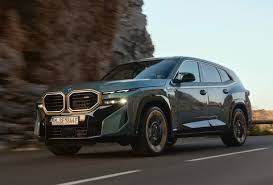
The BMW M8 Competition stands as a formidable grand tourer, equally at home on a track or embarking on a cross-continental journey. With the M Driver’s Package, it achieves a top speed exceeding 190 mph (306 km/h). Unlike stripped-out race cars, the M8 Competition excels in its luxurious appointments, advanced infotainment system, and exceptional comfort, proving that high performance and refined touring can coexist.
Should the M8 not entirely suit your palate, the Audi RS7 Performance presents a compelling alternative. Sharing a 4.0-liter V8 engine with its German counterpart, it offers superb performance, though its top speed is marginally lower than the M8 Competition. However, in direct comparisons, the RS7 has demonstrated its prowess, notably winning a quarter-mile drag race against the M8 by a significant margin, highlighting its explosive acceleration capabilities.
For a distinctively stylish and potent choice outside the usual German contenders, the Lexus LC500 is a captivating option. This gorgeously designed coupe is powered by a potent V8 engine, delivering a top speed of 168 mph (270 km/h) and achieving 0-60 mph in a brisk 4.6 seconds. The interior is a haven of comfort, perfect for long drives, and when prompted, the LC500 offers a truly satisfying surge of power.
The realm of ultra-performance automotive engineering is a dynamic and ever-evolving arena. Manufacturers are not just chasing numbers; they are innovating, integrating new technologies, and refining existing ones to create machines that push the boundaries of human endeavor. Whether you are drawn to the raw power of a V8, the silent torque of electric motors, or the intricate balance of hybrid systems, the current landscape offers unparalleled choices for those who demand the absolute pinnacle of automotive speed and performance.
As the pursuit of automotive excellence continues, one question remains: which of these speed demons will capture your imagination next? Explore the possibilities, delve into the specifications, and discover which hypercar or performance machine best aligns with your passion for unparalleled velocity. Your next exhilarating driving experience awaits.