
The Apex of Automotive Achievement: Unpacking the World’s Fastest Production Cars in 2025
As an automotive industry veteran with a decade immersed in the relentless pursuit of performance, I’ve witnessed firsthand the evolution of speed. The concept of the “fastest car in the world” isn’t merely a statistic; it’s a testament to human ingenuity, cutting-edge engineering, and an unwavering passion for pushing boundaries. In 2025, the landscape of hypercars and ultra-performance vehicles continues to electrify, not just in terms of powertrain, but in its sheer, unadulterated velocity. This isn’t about simply achieving a high number; it’s about the sophisticated symphony of aerodynamics, power delivery, and chassis dynamics that coalesce to create these mechanical marvels. Let’s delve into the machines that define the pinnacle of automotive speed, exploring the technical prowess and the sheer thrill they represent.
Koenigsegg Jesko Absolut: The Unseen Benchmark in Extreme Velocity
When discussing extreme speed, the Koenigsegg Jesko Absolut immediately springs to mind. While its theoretical top speed hovers around an astonishing 310 mph (499 km/h), it’s crucial to understand that this figure represents a carefully calculated projection rather than a verified on-road record. However, the Jesko Absolut is far from a one-trick pony. Its credentials extend far beyond a mere speedometer reading. Koenigsegg has consistently demonstrated its engineering prowess, notably with the Jesko’s record-breaking 0-400-0 km/h (0-249 mph to 0) run, completed in a staggering 27.83 seconds. This feat underscores the car’s incredible responsiveness, braking capabilities, and overall aerodynamic efficiency – qualities essential for any contender vying for the title of the fastest production car.
At its heart lies a twin-turbocharged 5.0-liter V8 engine, meticulously tuned to deliver a colossal 1,600 horsepower and 1,500 Nm of torque. This formidable powerplant is mated to a chassis that weighs a mere 1,390 kg, a remarkable achievement in weight optimization. The Jesko Absolut’s design is a masterclass in aerodynamic function, with its sleek silhouette and advanced downforce management systems engineered to minimize drag and maximize stability at ludicrous speeds. This focus on aerodynamic refinement is a key differentiator for Koenigsegg, setting it apart in the ultra-performance segment. For enthusiasts seeking the ultimate in hypercar performance, the Jesko Absolut offers a tantalizing glimpse into what’s possible when innovation meets an unyielding pursuit of speed. Exploring Koenigsegg hypercar specifications reveals a level of detail and engineering excellence that few can match.
Yangwang U9 Xtreme: The Electric Revolution Accelerates
The automotive narrative of 2025 is undeniably shaped by the electrifying surge of performance electric vehicles. Leading this charge is the Yangwang U9 Xtreme, a vehicle that not only broke records but also shattered preconceptions about electric car capabilities. In September 2025, it officially claimed the mantle of the world’s fastest production car, achieving a verified top speed of 308 mph (496 km/h) on a closed runway in Germany. This monumental achievement marks a significant inflection point for the electric vehicle industry, demonstrating that raw, unadulterated speed is no longer the exclusive domain of internal combustion engines.
The U9 Xtreme’s electrifying performance is attributed to its quad-motor setup, generating an eye-watering combined output of 3,000 horsepower. Complementing this immense power is a cutting-edge 1,200-volt electrical system. For context, this voltage is significantly higher than the 400-volt systems typically found in mainstream EVs, enabling faster energy transfer and contributing to the car’s blistering acceleration and sustained high-speed capability. Production of the U9 Xtreme is exceptionally limited, with only 30 models slated for release, commanding a price point expected to exceed £200,000. This exclusivity, combined with its record-breaking performance, positions the Yangwang U9 Xtreme as a highly sought-after artifact of automotive progress, a prime example of electric hypercar innovation and a symbol of the future of automotive speed. Discussions around high-performance EVs now invariably include the U9 Xtreme’s astonishing capabilities.
SSC Tuatara: A Contested Legacy Forged in Speed
The American automotive industry has long been synonymous with raw power, particularly its mastery of the V8 engine. The SSC Tuatara, a name that rolls off the tongue with a certain gravitas (pronounced Too-ah-ta-ra), exemplifies this heritage. Powered by a twin-turbocharged eight-cylinder engine, it can produce up to 1,750 horsepower when fueled with ethanol. However, the Tuatara’s journey to its current standing has been marked by a notable period of controversy surrounding its claimed top speed.
In October 2020, SSC asserted that the Tuatara had achieved a record-breaking 331 mph, a claim that would have unequivocally made it the fastest car in the world. Subsequent analysis, however, revealed GPS data inconsistencies that led SSC to admit to errors in the recorded speed. This revelation cast a shadow, but it did not diminish the car’s inherent performance. Further rigorous testing in early 2022 saw the Tuatara officially record a still-impressive top speed of 295 mph. While this figure may not have met the initial sensational claims, it undeniably places the SSC Tuatara among the elite tier of supercar speed records and highlights the challenges of accurately verifying extreme velocity. The saga of the Tuatara underscores the importance of empirical data and validated performance metrics in the realm of extreme automotive engineering. For those interested in American made supercars, the Tuatara remains a compelling, if complex, chapter.
Bugatti Tourbillon: A New Era of Hybridized Power
For many who grew up captivated by automotive prowess in the early 2000s, the image of a Bugatti Veyron locked in a high-speed duel with a fighter jet on a television screen remains etched in memory. That spirit of uncompromising speed and luxury continues to thrive, now embodied by the exquisite Bugatti Tourbillon. This latest iteration represents a significant evolution, marrying Bugatti’s legendary performance pedigree with a sophisticated V16 hybrid powertrain.
The Tourbillon boasts an impressive 1,800 horsepower, a figure that propels this £3.2 million luxury projectile from 0 to 60 mph in under two seconds. This exceptional acceleration is a testament to the seamless integration of its hybrid system and the advanced torque management that characterizes Bugatti’s engineering philosophy. The company has a history of pushing performance boundaries, having already achieved speeds exceeding 300 mph with the outgoing Chiron. It is highly probable that an even more potent variant of the Tourbillon will emerge in the coming years, further solidifying Bugatti’s position in the luxury hypercar market. The Tourbillon is a shining example of hybrid supercar technology and a benchmark for automotive innovation in the ultra-luxury segment. Its existence reinforces Bugatti’s unwavering commitment to extreme automotive performance.
Hennessey Venom F5: American Audacity in Pursuit of 300+
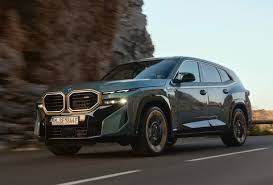
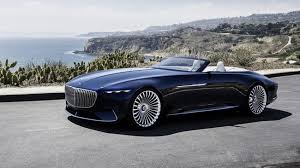

The United States has been making significant waves in the realm of top-speed automotive challenges, and the Hennessey Venom F5 stands as a powerful testament to this American resurgence. This all-American supercar is equipped with a formidable 6.6-liter twin-turbocharged V8 engine, capable of unleashing a staggering 1,817 horsepower and 1,617 Nm of torque. This sheer force translates into exhilarating acceleration, enabling the Venom F5 to sprint from 0 to 60 mph in a mere 2.6 seconds.
Currently, its officially recognized top speed stands at 272 mph (438 km/h). However, the team at Hennessey has explicitly stated their ambition to surpass the 300 mph mark, a goal they are actively pursuing and targeting for completion in 2024. This relentless drive for higher speeds exemplifies the spirit of American performance cars and the ongoing quest for automotive speed records. The Venom F5’s development highlights the continuous push for engine performance and aerodynamic efficiency in the quest for ultimate velocity. For those tracking US supercar manufacturers, Hennessey remains a pivotal player.
Bugatti Mistral: The Pinnacle of Open-Top Speed
The Bugatti Mistral carves out its unique niche as the world’s fastest convertible, a title it claims with a breathtaking top speed of 270 mph (435 km/h). This exquisite machine also holds the distinction of being the final Bugatti to feature the iconic 8.0-liter quad-turbocharged W16 engine, a powerplant that has defined the brand’s sonic and performance signature for years.
The Mistral’s W16 engine generates a formidable 1,600 horsepower and 1,600 Nm of torque, with power meticulously distributed to all four wheels via a seven-speed automatic transmission. Experiencing this level of velocity with the top down must be an unparalleled sensation, a visceral connection to the road and the elements. While a recent test drive by Mat Watson was unfortunately marred by rain, the Mistral’s performance credentials are unquestionable. It represents the ultimate expression of Bugatti’s legacy and a truly remarkable feat of automotive engineering in the convertible supercar segment. The Mistral is a symbol of exclusive automotive performance and an embodiment of the ultimate driving experience.
Rimac Nevera R: Electrifying the Pace
The original Rimac Nevera already redefined expectations for electric hypercars, and the Nevera R, its even more potent iteration, takes that performance to stratospheric heights. Rimac, a Croatian firm at the forefront of electric vehicle innovation, has significantly boosted the Nevera R’s power output. The four electric motors now deliver a colossal 2,107 horsepower, an increase from the standard Nevera’s 1,914 horsepower. This surge in power propels the Nevera R to a top speed of 267 mph (430 km/h), up from the previous 256 mph.
The acceleration is equally astounding, with the Nevera R achieving 0-60 mph in a mere 1.7 seconds. This level of performance places it in an exclusive club of hyper-accelerating machines. During a direct comparison with the McMurtry Spierling, a single-seater race car, the standard Nevera was narrowly edged out. A rematch against the Nevera R, however, could very well paint a different picture, highlighting the relentless competition in the electric hypercar market. The Rimac Nevera R stands as a beacon of advanced EV technology and a testament to the burgeoning capabilities of electric performance vehicles. Its presence underscores the rapid advancements in sustainable automotive performance.
Aspark Owl: A Japanese Electric Enigma
For those not deeply immersed in the hypercar world, the name Aspark might be unfamiliar, but this small-volume Japanese manufacturer is making significant strides. Their creation, the Owl, is a sleek electric vehicle that exemplifies minimalist design and potent electric performance. Equipped with four electric motors, it generates an astonishing 1,953 horsepower.
The Aspark Owl achieves a blistering 0-60 mph acceleration time of just 1.7 seconds, placing it in the same league as some of the quickest accelerating cars ever produced. It then goes on to achieve a top speed of 256 mph (413 km/h). While this version is road-legal, Aspark also offers a track-focused variant, the Owl SP600, which can reach speeds of 272 mph, though it is not street-legal. The Aspark Owl demonstrates the global reach of electric hypercar development and the commitment of emerging manufacturers to pushing the boundaries of EV performance. It is a key player in the global supercar landscape and a testament to Japanese automotive innovation.
McLaren Speedtail: Aerodynamic Elegance at Speed
McLaren has always prioritized driver engagement and track-focused performance, but with the Speedtail, they have crafted a machine that excels in outright top speed without compromising their core ethos. The Speedtail, with its 250 mph (402 km/h) top speed, is officially the fastest road car the British marque has ever produced. For perspective, even their new flagship, the W1, is projected to achieve a “mere” 237 mph.
This remarkable velocity is achieved through a combination of potent powertrain and an incredibly aerodynamic body. The Speedtail’s design prioritizes minimizing drag, eschewing external wings for a seamlessly sculpted form that evokes a sense of futuristic elegance, reminiscent of science fiction. Its three-seat configuration, a nod to the legendary McLaren F1, adds a unique dimension to its performance proposition. The Speedtail represents a blend of McLaren’s heritage and cutting-edge automotive design, offering exceptional road car performance with a focus on aerodynamic efficiency. It is a significant contender in the performance grand tourer category, showcasing aerodynamic mastery in vehicle design.
Koenigsegg Regera: A Single-Gear Marvel
Matching the McLaren Speedtail in top speed is the Koenigsegg Regera, another formidable offering from the Swedish manufacturer. This unique hypercar blends a twin-turbocharged V8 engine with an electric motor to produce a combined output of 1,500 horsepower.
What sets the Regera apart from every other car on this list is its revolutionary powertrain. It can accelerate from 0 to 250 mph using a single gear. This innovative approach to power delivery, eliminating the need for traditional gear changes at extreme speeds, is a testament to Koenigsegg’s penchant for unconventional yet highly effective engineering solutions. Whether cruising at lower speeds or unleashing its full potential, the Regera operates in the same gear, a truly remarkable feat of automotive ingenuity. It exemplifies Koenigsegg’s engineering philosophy and offers a glimpse into the future of powertrain innovation in high-performance vehicles. The Regera is a showcase of advanced automotive technology and a benchmark in powertrain optimization.
Aston Martin Valkyrie: Formula 1 on the Street
At first glance, the Aston Martin Valkyrie might appear to be a track-bound Le Mans prototype rather than a road-legal automobile. However, this F1-inspired machine is indeed designed and homologated for street use. Its striking, aerodynamically aggressive exterior hints at the blistering performance that lies beneath.
Powering the Valkyrie is a massive 6.5-liter hybrid V12 engine, delivering a formidable 1,160 horsepower. This powerhouse propels the lightweight machine from 0 to 60 mph in a swift 2.5 seconds. Considering its astonishingly low weight, just over a tonne, this level of acceleration is not surprising. The Valkyrie represents the ultimate fusion of motorsport technology and road-going luxury, pushing the boundaries of what’s possible in a street-legal race car. It is a prime example of automotive artistry and a pinnacle of performance engineering, offering an unparalleled driving experience. For those seeking the closest thing to a Formula 1 car for the road, the Valkyrie is an undeniable contender.
The Broader Spectrum: High-Performance Cars for the Enthusiast Driver
While the hypercar elite capture headlines with their stratospheric speeds, the realm of high-performance road cars continues to evolve, offering thrilling experiences for a wider audience. These vehicles strike a compelling balance between exhilarating performance, everyday usability, and sophisticated design.
The latest Mercedes-AMG GT stands as a prime example, enhancing the already lauded attributes of its predecessor. It’s a car that delivers pure driving enjoyment, possesses captivating aesthetics, and maintains a surprising degree of practicality for a vehicle capable of reaching 196 mph (315 km/h). Its performance is driven by a 4.0-liter twin-turbocharged V8 engine producing 585 horsepower, accompanied by a symphony of engine notes that excite the senses.
For those seeking a more visceral saloon experience, the Alfa Romeo Giulia Quadrifoglio remains a standout choice. This twin-turbo V6 powered sedan delivers a potent 510 horsepower, all channeled exclusively to the rear wheels. Its ability to reach 191 mph (307 km/h) is impressive, especially considering its dual-purpose nature – capable of school runs and exhilarating drives with equal aplomb, often accompanied by a raucous exhaust note that commands attention.
The BMW M8 Competition presents a formidable grand tourer, equally at home on a racetrack as it is on long-distance journeys. With the optional M Driver’s Package, it can achieve speeds exceeding 190 mph (306 km/h). More than just a speed machine, the M8 Competition offers a luxurious cabin, an advanced infotainment system, and genuine comfort, making it a compelling option for the discerning driver.
If the M8 doesn’t quite align with your preferences, the Audi RS7 Performance offers a compelling alternative. Also featuring a 4.0-liter V8, it shares common ground with the M8 but falls slightly short in top speed. However, in direct comparisons, the RS7 has demonstrated superior performance in quarter-mile acceleration, showcasing its potent capability.
Finally, for a distinct and stylish choice, the Lexus LC500 presents a captivating proposition. This gorgeously designed coupe is powered by a robust V8 engine, delivering a top speed of 168 mph (270 km/h) and capable of 0-60 mph in 4.6 seconds. Its interior is a sanctuary for long journeys, and when you plant the accelerator, the LC500 rewards with a satisfying surge of power, making it a truly desirable grand tourer.
The pursuit of automotive excellence is a continuous journey. Whether it’s the mind-bending velocities of the hypercar elite or the refined performance of high-end grand tourers, these vehicles represent the pinnacle of engineering and design.
Are you ready to explore your next automotive conquest? Connect with our specialists to discuss your passion for performance and discover the vehicle that will define your driving future.