
The choice between these two marques is rarely simple. It’s a decision steeped in personal preference, reflecting one’s driving philosophy, aesthetic appreciation, and desired ownership experience. BMW, historically celebrated as “The Ultimate Driving Machine,” has long prioritized an engaging, driver-centric experience, characterized by precise handling, responsive powertrains, and a direct connection to the road. Mercedes-Benz, on the other hand, has carved its niche through unparalleled comfort, opulent interiors, and a serene, insulating ride that transforms every journey into a first-class experience. In 2025, while these foundational philosophies largely persist, both brands have significantly broadened their appeal, blurring lines in some areas while sharpening their unique identities in others.
Design Philosophy and Brand Identity
When considering a luxury vehicle purchase, design is often the first touchpoint. BMW’s design language in 2025 showcases a blend of aggressive athleticism and sophisticated modernism. Its iconic kidney grille, while sometimes polarizing in recent iterations, continues to evolve, becoming a bolder, more integrated statement across its lineup. Lines are sharp, proportions are dynamic, and the overall aesthetic speaks to a forward-thinking, performance-oriented brand. From the sleek lines of an i4 electric sedan to the commanding presence of an X7 SUV, BMW’s vehicles exude a sense of purpose and kinetic energy.
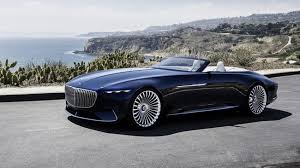
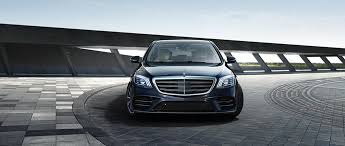
Mercedes-Benz, in contrast, leans into an ethos of “sensual purity.” Its designs are typically more flowing, elegant, and understated, conveying an innate sense of timeless luxury. The three-pointed star emblem is a beacon of prestige, often accompanied by gracefully sculpted bodywork and a powerful, yet refined, stance. While BMW might aim to excite at first glance, Mercedes-Benz often seeks to enchant with its sophisticated curves and harmonious proportions. Their commitment to premium automotive design is evident in every model, from the compact C-Class to the majestic S-Class, epitomizing a blend of tradition and avant-garde style.
Technological Prowess and Infotainment Systems
In 2025, automotive technology is no longer a mere selling point; it’s an expectation. Both BMW and Mercedes-Benz are at the forefront of integrating cutting-edge systems, offering an array of features that enhance convenience, safety, and entertainment.
BMW’s iDrive infotainment system, now in its eighth generation (iDrive 8.5 and evolving), remains a benchmark for intuitive control. While it once had a steeper learning curve, continuous refinements have made it remarkably user-friendly, blending touchscreens with haptic feedback controllers and advanced voice commands. The digital instrument clusters and curved displays across models like the i7 and X5 provide a futuristic cockpit experience. BMW’s emphasis on driver engagement extends to its tech, ensuring that information is readily available and controls are within easy reach, minimizing distraction from the primary task of driving. The brand’s commitment to innovative car features is palpable.
Mercedes-Benz counters with its MBUX (Mercedes-Benz User Experience) system, renowned for its stunning graphics, responsive touch interfaces, and incredibly natural “Hey Mercedes” voice assistant. The hyperscreen setup in models like the EQS is a technological marvel, transforming the entire dashboard into a sprawling digital canvas. MBUX is often praised for its sheer elegance and the seamless integration of luxury and technology. For those who prioritize a visually stunning and effortlessly responsive digital environment, Mercedes-Benz frequently sets the standard. The sheer scope of its connected car services and advanced driver-assistance systems can be overwhelming at first, but ultimately provides a deeply integrated and luxurious digital experience.
Performance and Driving Dynamics: The Core Differentiator
This is where the long-standing debate truly comes alive. BMW’s moniker, “The Ultimate Driving Machine,” is not just marketing—it’s a promise deeply embedded in its engineering philosophy. Even in 2025, across its various segments, BMW vehicles tend to offer a more direct, tactile, and engaging driving experience. Steering feedback is often more communicative, suspensions are tuned for a firmer, more athletic feel, and powertrains, whether gasoline, hybrid, or electric, deliver immediate and satisfying responses. The M-division, with its iconic M3, M4, and M2, continues to produce some of the most thrilling performance cars on the market, appealing directly to enthusiasts seeking driving exhilaration.
Mercedes-Benz, while offering exceptionally capable and powerful AMG variants, traditionally emphasizes a more refined and composed ride. Its vehicles are designed to glide effortlessly, insulating occupants from road imperfections and external noise. The focus is on supreme ride comfort and stability, particularly at higher speeds. While a Mercedes-Benz can certainly be driven with enthusiasm, its default setting is usually one of serene confidence rather than overt sportiness. The S-Class, for example, is the epitome of a luxury cruiser, making every journey a restful escape. For those who value a tranquil cabin and smooth propulsion above all else, Mercedes-Benz often delivers a more compelling package.
Electric Vehicle (EV) Strategies in 2025
The race to electrify is perhaps the most defining battleground in 2025, and both brands are heavily invested. BMW’s “i” sub-brand has rapidly expanded its offerings. The i7, the electric sibling to the 7 Series, delivers bold styling and immense power, blending luxury with impressive range. The i4 provides an electric take on the engaging 4 Series Gran Coupe, maintaining BMW’s signature driving dynamics in an EV package. The iX SUV stands out with its unique design, formidable acceleration, and innovative, spacious interior, proving that an electric SUV can be both practical and exhilarating. BMW EVs are increasingly recognized for retaining that quintessential BMW feel, offering a more engaging drive than some rivals.
Mercedes-Benz has adopted a distinct EV naming convention with its “EQ” lineup. Models like the EQE and EQS sedans and SUVs boast genuinely opulent cabins, serene driving characteristics, and impressive range, albeit sometimes with unconventional exterior styling that prioritizes aerodynamics. While their interiors are undeniably plush and their silent propulsion adds to the luxury experience, some critiques have pointed to the EQ models sometimes feeling less direct or engaging to drive compared to their ICE counterparts or BMW’s EV offerings. However, Mercedes-Benz’s commitment to sustainable luxury vehicles is clear, with a focus on seamless integration of electric power with their established comfort and technological benchmarks. The upcoming 2025 models are expected to further refine efficiency and expand charging infrastructure compatibility.
Segment-by-Segment Breakdown (2025 Perspective)
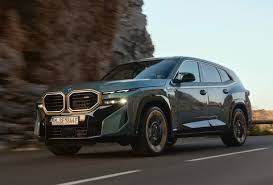
Luxury Compact SUVs: BMW often maintains an edge here. The 2025 BMW X3 is anticipated to continue its reign, offering a spacious, attractive cabin with athletic handling and robust powertrains. Its coupe-styled sibling, the X4, caters to those seeking more distinctive styling. Mercedes-Benz’s GLB, with its available three-row seating, offers practicality, while the GLC focuses on plushness and efficiency. BMW typically offers a more engaging drive in this competitive segment.
Luxury Electric Cars: BMW’s i4 and i7 continue to impress with their blend of performance and luxury. The 2025 i4 is particularly lauded for its dynamic handling, while the i7 is a statement of electric grandeur. Mercedes-Benz’s EQE and EQS Sedans offer unparalleled cabin serenity and cutting-edge tech, but BMW often holds a slight edge for outright driving engagement.
Luxury Electric SUVs: The BMW iX, expected to receive minor enhancements for 2025, remains a compelling choice with its powerful acceleration and innovative interior. Mercedes-Benz counters with the EQB, EQE SUV, and EQS SUV. While offering beautiful interiors, their range and cargo capacity can be considerations for some buyers, with BMW often leading in overall practicality and performance balance.
Luxury Large Cars: This is a Mercedes-Benz stronghold. The 2025 Mercedes-Benz S-Class is virtually peerless in its segment for comfort and sheer opulence. Its MBUX system is integrated flawlessly, and the cabin acts as a sanctuary from the outside world. The BMW 7 Series offers a powerful alternative, with a more engaging drive and its own vision of a high-tech cabin, but for ultimate executive comfort, the S-Class often remains the benchmark. This segment truly highlights premium comfort features.
Luxury Large SUVs: BMW’s X7 continues to impress in 2025, scaling up BMW’s best attributes into a capable three-row vehicle. Its sharp interior and comfortable seating make it a strong contender. Mercedes-Benz’s GLS is a direct rival, offering an upscale cabin and a refined ride. The G-Class, while iconic for its off-road prowess, serves a niche market and doesn’t always compete on overall luxury refinement in the traditional sense.
Luxury Midsize Cars: A perpetual tie in spirit, though segment strengths vary. The 2025 Mercedes-Benz E-Class remains a cornerstone, with its refined ride and high-tech cabin, albeit potentially overwhelming for some. BMW’s 5 Series, even with recent redesigns prioritizing comfort, still offers a more athletic driving experience, retaining its historical reputation for performance.
Luxury Midsize SUVs: The Mercedes-Benz GLE consistently ranks highly, boasting a spacious, refined cabin and seamless technology integration. The 2025 model’s standard AWD and updated infotainment system make it a robust offering. The BMW X5 is equally revered, known for its upscale interior and more athletic handling, catering to a slightly different driver profile. The existence of coupe versions (X6 and GLE Coupe) further diversifies this critical segment for both brands.
Luxury Small Cars: BMW’s 3 Series, a perennial favorite, is expected to continue leading in 2025. Its engaging driving dynamics, powerful engines, and spacious interior make it a benchmark for sport luxury sedans. The Mercedes-Benz C-Class offers exceptional comfort and a refined experience but often falls short of the 3 Series’ pure driving excitement.
Luxury Sports Cars: BMW often has an edge due to its diverse performance lineup. The M2, M3, and M4 continue to deliver unadulterated driving performance, while the Z4 offers open-air motoring. Mercedes-Benz’s dedicated sports cars like the AMG GT and SL are exceptional but cater to a more specific, often grand-touring focused, clientele.
Luxury Subcompact SUVs: The BMW X1 is expected to maintain its leading position in 2025, maximizing its compact footprint with a well-crafted cabin and a delightful blend of comfort and responsiveness. The Mercedes-Benz GLA, while fun to drive and stylish, sometimes trails in cargo space and overall refinement within the Mercedes lineup.
Safety and Reliability: Peace of Mind for Premium Ownership
Both brands are relentless in their pursuit of vehicle safety. In 2025, their lineups come equipped with comprehensive suites of advanced driver-assistance systems (ADAS), including adaptive cruise control, lane-keeping assist, automatic emergency braking, and sophisticated parking aids. Euro NCAP and IIHS ratings for conventionally powered models are consistently high, reflecting rigorous engineering and robust construction. It’s worth noting that evaluations for many newer EVs are ongoing, but the underlying safety philosophies are identical. Investing in a safe luxury car from either brand provides considerable peace of mind.
When it comes to car reliability, perception often varies. However, data from sources like J.D. Power in 2025 suggests that BMW models generally report strong scores. Vehicles like the X3, X1, 2 Series, and 7 Series consistently achieve “Great” predicted reliability ratings. While Mercedes-Benz has fewer models reporting, those that do, like the E-Class and GLE, also show commendable scores. Both brands back their vehicles with competitive four-year/50,000-mile powertrain warranties. For EV batteries, Mercedes-Benz often offers a slightly longer warranty (10 years/155,000 miles) compared to BMW’s (8 years/100,000 miles), highlighting different strategic priorities in battery longevity assurance.
Interior Craftsmanship: A Sensory Experience
If BMW excels in driving dynamics, Mercedes-Benz often sets the global benchmark for opulent vehicle interiors. Across its range, from the C-Class to the S-Class, Mercedes-Benz consistently delivers cabins that are a masterclass in design, material quality, and ergonomic excellence. The fit and finish are virtually impeccable, the materials (leather, wood, metal trims) are exquisite, and the ambient lighting systems create a truly immersive and sophisticated atmosphere. Entering a Mercedes-Benz is often a sensory experience, prioritizing comfort, quietness, and a feeling of being pampered.
BMW has made significant strides in elevating its interior game, particularly in recent years. Models like the X1, X3, and i7 feature outstanding cabins with impressive build quality and modern aesthetics. There’s a strong sense of craftsmanship, and the driver-focused cockpit design ensures all controls are intuitively placed. However, while BMW interiors are undoubtedly premium and highly functional, they generally lean towards a more technical, albeit luxurious, aesthetic rather than the overt indulgence often found in a Mercedes-Benz.
The Verdict in 2025
After a thorough analytical comparison across numerous critical categories, the scales in 2025 still tip slightly in favor of BMW as the overall winner in a head-to-head battle.
BMW consistently offers a more engaging and driver-focused experience across a broader range of its lineup, particularly in the ever-important electric vehicle segments and its traditional strengths in performance and small luxury cars. Its commitment to retaining the “Ultimate Driving Machine” ethos, even with electrification, resonates deeply with many enthusiasts and daily drivers alike. BMW vehicles skillfully blend athleticism with modern refinement, offering compelling technological packages and robust reliability.
Mercedes-Benz, however, remains the undisputed champion of comfort, luxury, and interior opulence. For buyers whose priority is a serene, technologically advanced, and sumptuously appointed cabin, coupled with a smooth, insulating ride, Mercedes-Benz is often the superior choice. The S-Class, in particular, continues to define what a luxury flagship sedan should be.
Ultimately, the choice between BMW and Mercedes-Benz in 2025 hinges on what you value most in a premium vehicle investment. Do you crave the thrill of the drive, the precise handling, and the direct connection to the road that BMW expertly delivers? Or do you seek the ultimate in comfort, the cocoon of opulence, and the effortless elegance that is the hallmark of Mercedes-Benz? Both brands offer exceptional products, continuing to innovate and evolve in a rapidly changing automotive world, ensuring that the German luxury rivalry remains as fascinating and competitive as ever.