
This analytical examination delves deep into the current offerings and future trajectory of BMW and Mercedes-Benz, dissecting their strengths across various segments and categories. We’ll explore which brand truly holds the edge in the intensely competitive landscape of the mid-2020s, helping you navigate the choices for your next premium acquisition.
The Philosophical Divide: Driving Dynamics vs. Opulent Comfort
Before we dive into specific models, it’s crucial to understand the foundational philosophies that still largely differentiate these brands, even as they converge in some areas. BMW, with its enduring motto, “The Ultimate Driving Machine,” has historically prioritized an engaging, driver-centric experience. Its vehicles are renowned for their precise steering, balanced chassis, and powertrains that deliver exhilarating performance. This focus on driving dynamics often translates into a more connected, sporty feel, even in larger luxury vehicles.
Mercedes-Benz, on the other hand, has long championed “The Best or Nothing,” emphasizing unparalleled comfort, refined luxury, and pioneering safety innovations. Their interiors are often characterized by sumptuous materials, elegant design, and an emphasis on isolating occupants from the outside world. The ride quality tends to be smoother, more serene, and less focused on aggressive cornering, prioritizing passenger well-being and a tranquil environment. In 2025, while both have adopted elements of the other’s philosophy, these core identities remain influential.
Luxury Compact SUVs: Agility Meets Practicality
The compact luxury SUV segment continues to be a hotbed of innovation and sales, offering a compelling blend of utility, prestige, and maneuverability ideal for urban and suburban environments.
BMW’s Contenders: The BMW X3 and its sportier fastback sibling, the X4, lead BMW’s charge. In 2025, the X3 xDrive30e remains a benchmark, lauded for its athletic handling, potent turbocharged powertrains, and a surprisingly spacious, driver-focused cabin. Its intuitive iDrive infotainment system, refined over years, offers a seamless user experience, making complex commands simple. The X4, while sacrificing some rear headroom and cargo capacity for its sleek profile, amplifies the engaging driving experience, making it a favorite for those who prioritize style and agility. The robust engineering and responsive feedback consistently put BMW at the forefront here.
Mercedes-Benz’s Offerings: Mercedes-Benz presents the GLB and GLC. The GLB stands out for its unique, boxy design that maximizes interior space, offering an optional third row – a rarity in this class. Its ride is typically more composed and comfortable than some rivals, and the MBUX infotainment system, known for its “Hey Mercedes” voice assistant and intuitive touchscreens, provides a sophisticated user interface. The GLC, a direct competitor to the X3, boasts a plush interior, exceptional build quality, and a range of fuel-efficient powertrains, including mild hybrids. While refined, its driving dynamics generally lean towards comfort over outright sportiness.
2025 Verdict: Winner: BMW. While Mercedes-Benz offers compelling choices, particularly with the GLB’s practicality and the GLC’s elegance, BMW’s X3 consistently earns higher marks for its superior blend of dynamic handling, spacious interior design, and overall driver engagement. The X3 embodies the “sport” in sport utility vehicle with remarkable conviction.
Luxury Electric Cars: The Silent Revolution Accelerates
The luxury electric vehicle (EV) segment is exploding, and both German brands are making significant investments to challenge early innovators like Tesla and Lucid.
BMW’s Electric Lineup: BMW has rapidly expanded its “i” sub-brand. The i7, the all-electric version of the flagship 7 Series, is a bold statement. It blends audacious styling with serene yet dominant electric performance, offering a silent, powerful, and technologically advanced luxury experience. The i4, derived from the 4 Series Gran Coupe, appeals to those seeking a more traditional BMW driving experience infused with instant electric torque. Its balanced chassis and precise steering make it one of the most engaging electric sedans on the market, appealing to driving enthusiasts with its compelling range and performance.
Mercedes-Benz’s EQ Series: Mercedes-Benz’s EQ range, while sometimes criticized for its naming conventions (EQE Sedan, EQS Sedan), delivers on opulent EV luxury. Both models prioritize a quiet, supremely comfortable ride, state-of-the-art MBUX Hyperscreen (in EQS), and elegant interiors. The EQS Sedan, as the electric S-Class equivalent, redefines executive travel with its expansive digital dashboard and plush accommodations. The EQE Sedan offers a slightly more compact but equally serene experience. However, some models have faced scrutiny for range or cargo capacity compared to segment leaders.
2025 Verdict: Winner: BMW. BMW’s approach to electric luxury cars, particularly with the i4 and i7, manages to integrate EV technology seamlessly with its core driving dynamics. The models feel distinctly BMW, offering an engaging performance alongside advanced electrification, giving them a slight edge in overall appeal and driver satisfaction in 2025.
Luxury Electric SUVs: Family Haulers Go Green
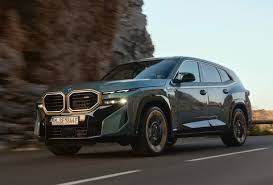
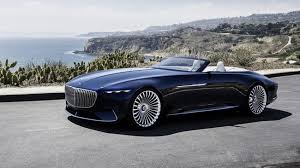
The demand for electric SUVs shows no signs of slowing down, and BMW and Mercedes-Benz are fiercely competing for market share.
BMW’s Electric SUV Dominance: The BMW iX remains a chief competitor in the luxury electric SUV space. Despite its polarizing exterior design, its interior is a masterclass in modern luxury, functionality, and cutting-edge technology. It boasts powerful acceleration, ample passenger space, and robust cargo capacity, all wrapped in a premium package. The iX’s intelligent energy management and responsive handling defy its size, offering a compelling blend of practicality and performance.
Mercedes-Benz’s EQ SUV Family: Mercedes-Benz offers a broader, though sometimes confusing, array of electric SUVs: the EQB, EQE SUV, and EQS SUV. The EQB provides an entry point, essentially an electric GLB, offering utility and a respectable range. The EQE SUV and EQS SUV, while featuring elegant interiors and plush rides characteristic of Mercedes, have sometimes been critiqued for their somewhat conservative driving ranges and subpar cargo capacity when stacked against some rivals, especially the cavernous iX. The focus remains heavily on passenger comfort and digital integration.
2025 Verdict: Winner: BMW. The BMW iX, with its powerful performance, expansive and innovative interior, and superior practicality, holds the clear lead in the luxury electric SUV category. It combines bold innovation with genuine utility, making it a formidable choice for those embracing the electric future.
Luxury Large Cars: Flagship Opulence
This segment represents the pinnacle of luxury, prestige, and automotive innovation for both brands.
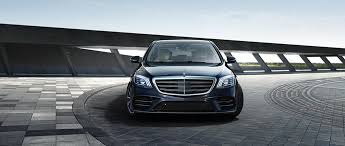
Mercedes-Benz’s S-Class Reign: The Mercedes-Benz S-Class continues its legendary reign as arguably the benchmark for luxury sedans. In 2025, it remains an unparalleled sanctuary, shielding occupants from the outside world with its whisper-quiet cabin, exquisite materials, and exceptionally comfortable ride. The advanced MBUX infotainment system, with its intuitive voice commands and predictive capabilities, feels less like technology and more like a personal assistant. The S-Class prioritizes passenger comfort and executive presence above all else, delivering an experience that few can rival.
BMW’s 7 Series Challenge: BMW’s 7 Series, especially its latest iteration, offers a compelling modern take on the luxury flagship. It counters the S-Class with a slightly more engaging driving dynamic for its class, powerful engine options (and the electric i7 variant), and a cabin that blends bold digital interfaces with exquisite materials. While its infotainment system is incredibly powerful, it occasionally presents a steeper learning curve than Mercedes’ more user-friendly MBUX. The 7 Series aims for a harmonious blend of driver engagement and passenger luxury.
2025 Verdict: Winner: Mercedes-Benz. The S-Class’s unwavering commitment to comfort, serenity, and unparalleled luxury continues to set the global standard for large luxury cars. Its ability to create an unrivaled automotive sanctuary gives it the definitive edge in this highly competitive segment, a testament to its enduring legacy.
Luxury Large SUVs: The Three-Row Standard-Bearers
For families or those requiring substantial space and capability without compromising luxury, large SUVs are the answer.
BMW’s X7 Excellence: The BMW X7 effectively scales up the brand’s winning formula, offering a magnificent three-row luxury SUV capable of comfortably seating up to seven adults. Its interior is impeccably designed, featuring premium materials and an intuitive layout. The X7 maintains BMW’s characteristic athletic handling, making it surprisingly nimble for its size. While the iDrive system may require some familiarization, its depth of features is undeniable, offering a comprehensive luxury experience.
Mercedes-Benz’s GLS and G-Class: Mercedes-Benz offers two distinct large SUVs: the elegant GLS and the iconic G-Class. The GLS is a direct rival to the X7, boasting an exceptionally upscale cabin, a supremely refined ride, and the sophisticated MBUX system. It’s designed for luxurious family transport. The G-Class, while undeniably a status symbol and an incredible off-road machine, compromises some on-road luxury attributes and fuel efficiency for its rugged capabilities. Its unique character appeals to a niche, but as an overall luxury vehicle, it has specific trade-offs.
2025 Verdict: Winner: BMW. The X7’s ability to blend impressive three-row practicality, a sharp interior, and surprisingly engaging driving dynamics for its segment places it ahead. It delivers a comprehensive luxury SUV experience that prioritizes both driver and passenger without the compromises of the G-Class or the slightly less engaging ride of the GLS.
Luxury Midsize Cars: The Core of the Executive Market
This segment often represents a sweet spot, balancing luxury, performance, and everyday usability.
A Stalemate of Excellence: In 2025, the Mercedes-Benz E-Class and BMW 5 Series remain neck-and-neck, both representing the cornerstone of their respective brands’ executive lineups.
Mercedes-Benz E-Class: The E-Class continues to impress with its comfortable, refined ride and an exceptionally high-tech cabin, which can, at times, feel overwhelming but is undeniably state-of-the-art. It boasts an extensive suite of advanced driver-assistance systems, positioning it as a leader in safety and autonomous driving features. The E-Class epitomizes serene luxury and cutting-edge digital integration, including the stylish CLE two-door variant for those seeking a more personal touch.
BMW 5 Series: The redesigned 2024 (and thus current for 2025) 5 Series, while still offering potent powertrains and an upscale interior, has evolved. While some purists note a slight reduction in the raw steering feedback of its predecessors, it remains a highly capable and engaging sedan. Its blend of comfort and athletic potential, coupled with BMW’s robust engine lineup, ensures its continued strong standing. The 5 Series appeals to those who appreciate driving precision alongside luxury appointments.
2025 Verdict: Winner: Tie. Both the E-Class and 5 Series are exemplary in their own right. The E-Class offers unparalleled refinement and technological immersion, while the 5 Series provides a more engaging, driver-oriented experience. The choice between them is truly a matter of personal preference for comfort versus dynamic driving.
Luxury Midsize SUVs: The Versatile All-Rounders
Midsize luxury SUVs are among the most popular vehicles, offering a compelling mix of luxury, space, and performance.
Mercedes-Benz GLE’s Refinement: The Mercedes-Benz GLE consistently ranks at the top, alongside segment stalwarts like the Porsche Cayenne. For 2025, with standard all-wheel drive, an updated infotainment system, and new plug-in hybrid options, the GLE delivers a spacious, refined cabin that seamlessly integrates modern technology without being overbearing. Its ride quality is supremely comfortable, soaking up imperfections with ease. The GLE truly shines as a versatile and opulent family hauler.
BMW X5’s Athleticism: The BMW X5 is equally revered, known for its upscale interior and more athletic handling compared to its Mercedes counterpart. Its powerful engines and precise steering make it a joy to drive, while the luxurious cabin ensures passenger comfort. For the 2025 model year, enhanced driver-assistance features like active lane-change assist further bolster its appeal. BMW also offers the X6, a fastback version of the X5, for those seeking a more distinctive profile.
2025 Verdict: Winner: Mercedes-Benz. The GLE’s effortless blend of spaciousness, refinement, and cutting-edge technology gives it a slight edge. Its luxurious cabin and serene ride make it a standout choice, particularly for families and those prioritizing comfort and advanced features.
Luxury Small Cars: Entry Point to Premium Driving
These compact luxury sedans and coupes provide an accessible entry into premium vehicle ownership, often without compromising on brand identity.
BMW 3 Series’ Enduring Appeal: The BMW 3 Series has long been the gold standard for small luxury sedans, and the 2025 model continues this tradition. It’s exhilarating to drive, boasts powerful engine options, a surprisingly spacious interior, and a class-leading trunk. Its engaging handling and driver-focused cockpit outshine many rivals, offering a pure driving experience that resonates with enthusiasts. BMW also offers the sporty 2 Series coupe and the versatile 4 Series (coupe, convertible, Gran Coupe) for broader appeal.
Mercedes-Benz C-Class and CLA: Mercedes-Benz counters with the C-Class, a highly commendable vehicle known for its plush interior and comfortable ride. While more comfortable than the 3 Series, it generally offers a less engaging driving experience. The entry-level CLA, a sleek four-door coupe, packs a lot of tech and nimble handling into a sharp-looking package, appealing to a younger, style-conscious demographic.
2025 Verdict: Winner: BMW. The 3 Series’ legendary status as an enthusiast’s car, combined with its practical attributes and superior driving dynamics, makes it the consistent winner in the small luxury car category. Its ability to blend everyday usability with thrilling performance is unmatched.
Luxury Sports Cars: Adrenaline and Precision
This is where driving passion takes center stage, and both brands offer compelling options, though with different philosophies.
BMW’s Performance Heritage: BMW has a strong legacy in sports cars, particularly with its M division. The M3 (sport sedan), M4 (high-horsepower coupe), and the raw, unadulterated M2 exemplify pure performance. These vehicles are designed for the track and the open road, delivering blistering acceleration, razor-sharp handling, and an incredibly engaging driving experience. For those seeking open-air thrills, the Z4 roadster provides a sophisticated blend of performance and style. BMW’s strength here lies in building performance variants that feel deeply connected to their driver.
Mercedes-Benz’s Dedicated Sports Machines: Mercedes-Benz offers dedicated sports cars, most notably the AMG GT. This thrilling machine is built from the ground up for excitement, delivering powerful V8 engines and a visceral driving experience. The AMG SL, repositioned as a grand-touring convertible, offers a luxurious yet potent open-air experience, blending comfort with serious performance capabilities. Mercedes’ sports cars are often characterized by their thunderous power delivery and opulent interiors.
2025 Verdict: Winner: BMW. While Mercedes-Benz offers incredible dedicated sports cars like the GT, BMW’s broader range of performance-focused M vehicles, from the M2 to the M4, arguably offers a more complete and accessible spectrum of pure driving excitement. The M division consistently delivers vehicles that embody the “ultimate driving machine” ethos with unparalleled precision and engagement.
Luxury Subcompact SUVs: Maximizing Small Spaces
The smallest luxury SUVs face the challenge of providing premium features in a compact footprint.
BMW X1’s Smart Design: The BMW X1 stands out as a leader in the luxury subcompact SUV rankings. It makes excellent use of its size, featuring a meticulously crafted cabin with a wealth of standard features. Its handling dynamics strike a remarkable balance between comfort and responsiveness, making it a joy for urban commuting and weekend adventures. The X2, a fastback variant, sacrifices some cargo space but retains the fun-to-drive character.
Mercedes-Benz GLA’s Style: The Mercedes-Benz GLA, while offering a fun driving experience and an upscale cabin, often ranks mid-pack among small SUVs. It’s stylish and packed with tech but can feel less refined than larger Mercedes SUVs and often lacks competitive cargo space. Its focus leans more towards a fashionable urban crossover than an all-out utility vehicle.
2025 Verdict: Winner: BMW. The BMW X1, with its superior use of space, engaging driving dynamics, and generous list of standard features, provides a more compelling and well-rounded package in the subcompact luxury SUV segment. It delivers premium utility without feeling compromised by its size.
Safety: Guardian Angels on Wheels
Both BMW and Mercedes-Benz are pioneers in automotive safety, consistently earning top marks from global safety organizations.
BMW’s Comprehensive Safety: BMW’s lineup boasts stellar safety scores, with models like the 2 Series, 3 Series, 5 Series, and X3 consistently achieving near-perfect ratings. They come equipped with advanced driver assistance systems (ADAS) as standard or available options, including forward collision avoidance, lane-departure warning, adaptive cruise control, and sophisticated parking aids. BMW’s commitment to both passive and active safety is evident across its range, leveraging integrated sensors and AI-driven predictive systems to enhance occupant protection.
Mercedes-Benz’s Pioneering Safety: Mercedes-Benz vehicles, including the C-Class, E-Class, GLC, and GLE, also perform exceptionally well in safety evaluations. Mercedes has a long history of pioneering safety innovations, from ABS to advanced crumple zones. Their ADAS suites, often more comprehensive as standard, offer features like active steering assist, evasive steering assist, and PRE-SAFE systems that anticipate collisions. While many newer EVs from both brands await comprehensive safety evaluations, the foundational engineering remains robust.
2025 Verdict: Winner: BMW. While both brands offer outstanding safety, BMW often has a wider array of tested models reporting top-tier safety scores across its conventional lineup. Its integrated approach to active safety, often seen as intuitive and reliable, gives it a marginal lead in terms of consistent, demonstrable results across the fleet.
Performance: The Thrill of the Drive
This category is central to BMW’s identity, but Mercedes-Benz also delivers serious power.
BMW’s Driving Prowess: Across the board, BMW excels in performance. From the agile 3 Series to the executive 7 and 8 Series, BMW vehicles are engineered to excite the driver. Even its electric models like the i4, i7, and iX receive high performance marks, demonstrating that electrification can enhance, not diminish, driving thrills. The M3 and M4 remain legendary performance stalwarts, delivering unparalleled precision and power. BMW’s focus is on direct feedback, responsive engines, and balanced chassis dynamics.
Mercedes-Benz’s Potent Powerhouses: Mercedes-Benz also offers remarkable performance, especially in models like the S-Class (for its serene power), the dedicated AMG GT, and the SL. The EQS sedan, too, delivers significant electric thrust. However, some entry-level Mercedes models like the GLA and GLB prioritize value and comfort over outright performance. For those seeking true performance from Mercedes, the AMG sub-brand offers a wide array of track-ready vehicles with powerful engines and sophisticated suspension tuning, albeit often with a heavier, more luxury-oriented feel than BMW M cars.
2025 Verdict: Winner: BMW. BMW’s consistent dedication to providing an engaging and performance-oriented driving experience across nearly its entire lineup gives it the victory here. Even in its luxury and electric offerings, the emphasis on driving dynamics is palpable, earning it the “Ultimate Driving Machine” moniker.
Reliability: Long-Term Ownership Confidence
Reliability is a critical factor for luxury vehicle owners, influencing long-term satisfaction and resale value.
BMW’s Improving Scores: Historically, German luxury brands have faced scrutiny regarding long-term reliability. However, in 2025, BMW has shown a strong upward trend. While scores can be somewhat scattered across specific models, BMW generally reports more models with commendable reliability ratings. Models like the X3 and X1 consistently score “Great” (86/100 by JD Power’s scale), and the 2 Series and 7 Series also achieve high marks (85/100). The brand average sits at a respectable 82.8, with most EVs still awaiting comprehensive long-term data. BMW’s standard four-year/50,000-mile powertrain warranty, coupled with an eight-year/100,000-mile warranty for EV battery packs, provides substantial peace of mind.
Mercedes-Benz’s Mixed Bag: Mercedes-Benz reliability scores are more varied, and fewer models typically report data annually. While the E-Class earns a “Great” score (81/100) and models like the GLA and GLE hover around “Average” (80/100), the brand’s average reliability score is often slightly lower than BMW’s at 78/100. Mercedes-Benz also offers a four-year/50,000-mile powertrain warranty, but its EV batteries come with an impressive 10-year/155,000-mile warranty, indicating strong confidence in their electric powertrains.
2025 Verdict: Winner: BMW. With more models reporting solid reliability scores and a slightly higher brand average, BMW currently holds the edge in overall reliability. While both brands have made significant strides, BMW’s consistency across its broader range of conventional vehicles gives it a practical advantage for buyers concerned with long-term ownership costs.
Interior: A Sanctuary of Luxury
The cabin is where luxury truly manifests, defining the user experience day-to-day.
Mercedes-Benz’s Opulent Domain: If BMW is the performance brand, Mercedes-Benz is undoubtedly the cabin-comfort champion. In 2025, whether it’s the GLE, GLS, E-Class, or the gold-standard S-Class, Mercedes-Benz continues to set benchmarks for automotive interiors. The fit and finish across most models are impeccable, utilizing exquisite materials like open-pore wood, fine leathers, and precision-machined metals. The ambient lighting systems, ergonomic seat designs, and cutting-edge MBUX infotainment, often integrated into expansive digital displays, create an environment of unparalleled luxury and sensory delight. These interiors are often among the best in the entire automotive industry, providing a true escape.
BMW’s Refined Spaces: BMW also offers outstanding cabins, particularly in models like the X1, X3, and i7, which demonstrate excellent build quality, ergonomic design, and integration of modern technology. There is a strong sense of quality and purposeful design across many BMW models, with driver-centric cockpits and comfortable seating. However, while BMW interiors are highly commendable and feature advanced tech like the curved display, they generally don’t quite reach the same level of sheer opulence, sensory immersion, and luxurious artistry found in Mercedes-Benz’s top-tier offerings. They often prioritize functional elegance over extravagant comfort.
2025 Verdict: Winner: Mercedes-Benz. With its consistent commitment to delivering world-class, segment-defining interiors, Mercedes-Benz remains the undisputed leader in cabin comfort, design, and overall luxury experience. Their ability to craft automotive sanctuaries is truly unmatched.
The Ultimate Decision for 2025
After a comprehensive analytical review of BMW and Mercedes-Benz across various segments and critical categories in 2025, the results are clear.
The Winner Is… BMW.
While both German luxury automakers produce phenomenal vehicles that stand at the forefront of the automotive world, BMW ultimately edges out Mercedes-Benz in a head-to-head comparison, winning more segments and categories.
BMW has masterfully demonstrated that its vehicles can be both incredibly engaging to drive and exquisitely refined, modern, and technologically advanced. From its compact SUVs to its electric sedans and sports cars, BMW consistently delivers a driving experience that resonates with enthusiasts and daily drivers alike, staying true to its “Ultimate Driving Machine” ethos. Its improvements in reliability and consistent performance across its conventional and electric lineups solidify its position.
Mercedes-Benz, on the other hand, excels in creating unparalleled sanctuaries of comfort and luxury. Its interiors are truly world-class, and many of its vehicles set the benchmark for refinement and passenger serenity in their respective segments. For buyers who prioritize plush accommodations, cutting-edge infotainment, and a supremely comfortable ride, Mercedes-Benz remains an exceptional choice.
As the electric vehicle market continues its rapid expansion and autonomous driving technologies become more commonplace, it will be fascinating to observe how these two iconic brands continue to innovate and adapt. But for the discerning buyer in 2025, who seeks a harmonious blend of exhilarating performance, advanced technology, and dependable quality, BMW currently holds a demonstrable advantage across a broader spectrum of categories. Ultimately, the best choice depends on individual priorities, but BMW’s holistic excellence makes it the victor in this grand comparison.