
When clients inquire about investing in a high-end vehicle, the conversation inevitably circles back to BMW and Mercedes-Benz. They both offer a dazzling array of vehicles, from nimble compact SUVs to opulent full-size sedans and groundbreaking electric cars. Yet, their core identities persist: BMW, often hailed as “The Ultimate Driving Machine,” traditionally prioritizes dynamic performance, sharp handling, and an engaging driver experience. Mercedes-Benz, on the other hand, embodies “The Best or Nothing,” focusing on unparalleled comfort, exquisite craftsmanship, cutting-edge technology integration, and a serene, sumptuous ride.
In the fast-evolving landscape of 2025, where electrification, advanced driver-assistance systems, and seamless connectivity are paramount, this rivalry is more nuanced than ever. Let’s delve into a segment-by-segment breakdown, dissecting where each brand truly shines and helping you decide which badge aligns best with your luxury automotive aspirations. We’ll explore everything from luxury vehicle financing considerations to the intricacies of their respective infotainment systems, ensuring a comprehensive look at what makes these brands tick in the modern era.
Luxury Compact SUVs: Agile Power Meets Refined Practicality
The luxury compact SUV segment remains a hotbed of activity in 2025, attracting a broad spectrum of buyers looking for versatility without sacrificing prestige. In this fiercely competitive arena, BMW often holds a slight edge, primarily with its X3. The current generation X3 continues to impress with its spacious, well-appointed cabin, athletic handling that defies its SUV stature, and a range of robust powertrains, including an efficient plug-in hybrid option. It delivers that signature BMW driving engagement, making even mundane commutes feel a bit more spirited.
Mercedes-Benz offers formidable contenders in the GLB and GLC. The GLB, with its surprisingly spacious interior and available third-row seating, appeals to those needing extra flexibility, while the GLC focuses on a plush ride and elegantly appointed cabin that feels a step above its price point. Its fuel-efficient powertrain options, including advanced mild-hybrid systems, also appeal to the environmentally conscious luxury buyer. However, the X3’s overall balance of performance, practicality, and driver-focused dynamics gives it a slight lead for those prioritizing the driving experience. This segment also benefits from attractive luxury SUV lease deals, making premium ownership more accessible.
Luxury Electric Cars: Electrifying Performance vs. Serene Sophistication
The electric vehicle (EV) revolution is in full swing in 2025, and both BMW and Mercedes-Benz have rapidly expanded their EV portfolios. While Tesla and Lucid carved out early niches, these German stalwarts are quickly making up ground, blending their signature luxury with zero-emission powertrains. Here, BMW demonstrates impressive prowess. The BMW i7, the all-electric sibling to the iconic 7 Series, stands as a bold statement. Its futuristic styling, dominant performance figures, and a cabin bristling with innovative technology make it a true flagship. The BMW i4, an EV interpretation of the engaging 4 Series Gran Coupe, offers a more accessible entry into performance-oriented electric luxury. BMW’s focus here is on delivering an exhilarating EV driving experience, staying true to its performance heritage.
Mercedes-Benz, with its dedicated EQ sub-brand, offers the EQE Sedan and EQS Sedan. These vehicles prioritize serene driving dynamics, whisper-quiet cabins, and an opulent, hyper-digital interior experience, highlighted by the optional Hyperscreen. While immensely comfortable and technologically advanced, Mercedes’ EV naming convention can still be a bit perplexing for new buyers. The EQS, in particular, offers impressive range and sumptuous luxury, but BMW’s i-series has generally received higher marks for a more integrated and sportier driving feel, which is crucial for many luxury car enthusiasts. This segment is also a major driver for advancements in electric vehicle charging solutions and infrastructure.
Luxury Electric SUVs: Functional Luxury Meets Futuristic Design
The demand for luxury electric SUVs is skyrocketing, and both brands are keenly aware. The BMW iX, with its polarizing yet distinctive design, has proven itself a formidable contender. Beneath its unique exterior lies powerful acceleration, a remarkably spacious and functional interior, and cutting-edge infotainment. It perfectly blends SUV practicality with a futuristic electric driving experience, standing out from the crowd. Its focus on innovative materials and a minimalist yet luxurious cabin resonates with forward-thinking buyers.
Mercedes-Benz fields a broader, though sometimes confusing, lineup with the EQB, EQE SUV, and EQS SUV. The EQB is essentially an electric GLB, offering versatility. The EQE SUV and EQS SUV, while boasting elegant interiors and robust feature sets, have faced some criticism regarding driving range consistency and cargo capacity compared to rivals. They excel in providing a plush, insulated ride, but the iX’s overall package of space, power, and distinctiveness often gives it the winning edge in this rapidly expanding category. Buyers are also keenly interested in the advanced battery technology underpinning these vehicles.
Luxury Large Cars: The Pinnacle of Automotive Opulence
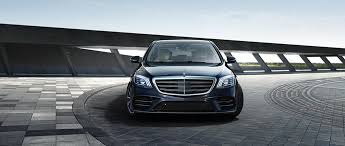
When it comes to the crème de la crème of luxury sedans, the Mercedes-Benz S-Class has long been the gold standard, and in 2025, it continues its reign. Few vehicles can rival the sheer comfort, opulence, and technological sophistication of the S-Class. Its cabin is an insulated sanctuary, shielding occupants from the outside world, delivering an exquisitely refined ride. The MBUX infotainment system is a masterclass in intuitive, voice-controlled technology, capable of understanding complex commands with ease. It’s not just a car; it’s an experience, a statement of ultimate automotive luxury.
The BMW 7 Series, while a spectacular machine in its own right, often finishes just behind the S-Class. The current 7 Series embraces a bold, modern aesthetic and offers a powerful, feature-rich iDrive infotainment system, though it still has a learning curve. While the S-Class prioritizes serene comfort, the 7 Series delivers a more engaging, driver-centric experience for a large luxury sedan, often appealing to those who still enjoy piloting their flagship. However, the S-Class’s legendary status and unwavering commitment to comfort and innovation keep it atop this prestigious segment. These vehicles often represent significant premium auto insurance investments.
Luxury Large SUVs: Family Haulers, Redefined
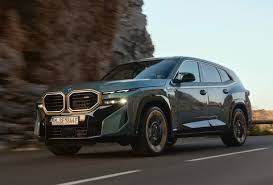
For those needing substantial space without compromising on luxury, large SUVs are the answer. Here, the BMW X7 excels, masterfully scaling up BMW’s best attributes into a three-row machine capable of seating up to seven adults in comfort. Its sharp interior design, exceptionally comfortable first and second rows, and dynamic road manners make it a compelling choice. While the iDrive system can initially be daunting, its depth of features is undeniable.
Mercedes-Benz offers the GLS, a direct competitor to the X7, which boasts an equally upscale cabin and a supremely refined ride. Then there’s the iconic G-Class (G-Wagen), a high-class off-road machine whose rugged charm and unparalleled capability make it a lifestyle statement. While the G-Class is undeniably luxurious, its off-road prowess does mean some compromises in on-road refinement compared to the X7 or GLS. For a balanced blend of luxury, family utility, and engaging driving dynamics, the X7 often nudges ahead, appealing to those who want a practical vehicle that still feels like a BMW.
Luxury Midsize Cars: A Tie in Refinement and Agility
The midsize luxury sedan segment is where these brands truly face off as segment stalwarts, resulting in a well-deserved tie. The Mercedes-Benz E-Class, much like its S-Class sibling, sets a high bar for refinement and technological integration. Its comfortable, sophisticated ride and hyper-advanced cabin, while potentially overwhelming at first, showcase Mercedes’ commitment to innovation. The E-Class also packs an impressive suite of advanced driver assistance systems.
The BMW 5 Series, redesigned for the current generation, remains highly regarded, albeit with a subtle shift in its core identity. Historically known for its unparalleled athleticism, the current 5 Series, while still potent and enjoyable, has toned down some of that raw steering feedback of its predecessors, leaning more into comfort and tech. It still offers a lineup of powerful engines and BMW’s signature build quality. This segment is often a sweet spot for those seeking a blend of executive luxury and daily usability, and both brands deliver exceptional products.
Luxury Midsize SUVs: Mercedes-Benz Takes the Lead
In the highly competitive midsize SUV category, the Mercedes-Benz GLE stands out, often sharing top honors with segment rivals. The GLE’s cabin is a masterclass in blending modern technology with traditional luxury, creating a spacious and refined environment that never feels overwhelming. For 2025, the GLE benefits from recent updates including standard all-wheel drive and an enhanced infotainment system, plus robust hybrid options.
The BMW X5 is equally revered, offering an upscale interior and more athletic handling than its Mercedes counterpart. For the upcoming 2025 model year, the X5 is set to introduce even more sophisticated active lane-change assist features, highlighting BMW’s continuous push in autonomous driving technology. BMW also offers the X6, a fastback coupe version of the X5, while Mercedes-Benz counters with the sportier AMG GLE 53 Coupe. While both are fantastic, the GLE’s blend of comfort, intuitive technology, and sheer refinement just gives it the edge for the broader luxury midsize SUV buyer.
Luxury Small Cars: BMW’s Driving Dynamics Shine
The small luxury sedan segment has long been synonymous with the BMW 3 Series, and in 2025, it continues its legacy. The current 3 Series is an absolute joy to drive, combining powerful engines, sharp handling, a surprisingly spacious interior, and a class-leading trunk. It perfectly embodies BMW’s commitment to the driving enthusiast, making it a benchmark for the segment.
The Mercedes-Benz C-Class is a commendable rival, offering a scaled-down S-Class experience with its comfortable ride and elegant interior. However, it often can’t quite match the engaging driving dynamics of the 3 Series. BMW also diversifies its offerings with the sporty 2 Series Coupe and the versatile 4 Series (available as a coupe, convertible, and four-door Gran Coupe). Mercedes-Benz’s CLA offers a stylish entry point with a nimble chassis and plenty of tech. But for those who prioritize the sheer thrill of driving, the 3 Series and its siblings continue to reign supreme. This segment often serves as a gateway for first-time luxury car buyers, offering appealing luxury car lease deals.
Luxury Sports Cars: Performance Purity from BMW
When the conversation shifts to pure driving exhilaration and sports car prowess, BMW firmly takes the lead. The brand’s M division is legendary, with vehicles like the M3 (a renowned sport sedan), the M4 (its high-horsepower coupe sibling), and the M2 (arguably the purest embodiment of BMW’s performance heritage) delivering unparalleled thrills. For those seeking open-air excitement, the Z4 roadster provides a stylish and engaging driving experience. BMW’s performance cars are engineered from the ground up to be driver-focused, often leading to discussions around high-performance vehicle tuning.
Mercedes-Benz, while offering potent AMG variants across its lineup, has dedicated sports cars like the exhilarating AMG GT and the grand-touring focused SL roadster. These are incredible machines, but BMW’s broader and more deeply ingrained performance philosophy, especially within its M division, gives it the overall edge in delivering a consistent and diverse range of luxury sports cars that truly embody driving passion.
Luxury Subcompact SUVs: BMW Sets the Standard
In the burgeoning luxury subcompact SUV market, the BMW X1 currently stands atop the rankings. It masterfully maximizes its compact footprint, offering a sharp, well-crafted cabin with a generous list of standard features. Its handling strikes a superb balance between comfort and responsiveness, making it nimble in urban environments while still composed on the highway. The X2, a sportier, fastback version, offers another appealing choice, albeit with slightly less cargo space.
The Mercedes-Benz GLA, while fun to drive and featuring an upscale cabin, often ranks mid-pack. It’s not quite as refined as its larger Mercedes siblings and can feel a bit constrained on cargo capacity. For its segment, the BMW X1 delivers a more comprehensive and well-rounded package of luxury, practicality, and driving enjoyment.
Safety: Both Brands Prioritize Protection
Both BMW and Mercedes-Benz are at the forefront of automotive safety, offering stellar crash test scores and equipping their vehicles with comprehensive suites of advanced safety features. BMW’s 2-Series, 3-Series, 5-Series, and X3 consistently achieve top safety ratings, integrating cutting-edge technologies like forward collision avoidance, lane-departure warning, adaptive cruise control, and blind-spot monitoring. Their commitment to both active and passive safety is evident across the lineup.
Mercedes-Benz’s C-Class, E-Class, GLC-Class, and GLE-Class perform nearly as well, featuring an equally impressive array of driver-assistance systems designed to prevent accidents and protect occupants. It’s worth noting that, as of early 2025, some of the newer EV models from both brands are still undergoing full safety evaluations by independent organizations, given the rapid pace of their introduction. However, buyers can rest assured that both manufacturers embed safety deep into their engineering DNA.
Performance: BMW’s Unwavering Commitment to Driving Thrills
For driving enthusiasts, BMW has long been the gold standard in premium performance, and this trend continues into 2025. From cornerstone models like the 3 Series to the executive luxury of the 7 Series, BMW vehicles are meticulously engineered to excite behind the wheel. Even their electric i4, i7, and iX models earn some of the highest performance scores, demonstrating that BMW’s “Ultimate Driving Machine” philosophy extends seamlessly into the electric era. The M3 and M4 remain legendary performance stalwarts, offering blistering acceleration and track-ready dynamics.
Mercedes-Benz also delivers phenomenal performance, particularly in its AMG models, the S-Class, AMG GT, and EQS sedan, which earn high marks. However, some of Mercedes’ entry-level models, like the GLA and GLB, prioritize value and comfort over raw performance. While Mercedes-Benz offers incredible speed and power, especially with its AMG sub-brand, BMW’s consistent focus on driver engagement and dynamic handling across its broader lineup gives it the overall edge in the performance category. This dedication to performance is a key factor for many considering luxury car customization and upgrades.
Reliability: BMW Edges Out in Data Availability
Reliability in luxury vehicles can sometimes be a nuanced discussion, with perceived quality and actual long-term dependability not always aligning perfectly. In terms of available data, BMW has a slight lead. J.D. Power, a widely respected authority, considers a score of 81-90 as “Great” and 91-100 as “Best.” BMW’s X3 and X1 consistently score in the 86 range, while the 2 Series and 7 Series achieve an 85. As a brand, BMW averages a solid 82.8, with most of its conventional models reporting strong scores.
Mercedes-Benz, while offering excellent quality, has fewer models reporting reliability scores from J.D. Power. Out of 17 models, only seven have scores, averaging 78. The E-Class manages an 81, and the GLA and GLE hit 80. While these are respectable, BMW’s broader data availability and slightly higher average scores suggest a marginal advantage. Both brands back their vehicles with a four-year/50,000-mile powertrain warranty. Notably, BMW EV battery packs come with an eight-year/100,000-mile warranty, while Mercedes-Benz offers an even more robust 10-year/155,000-mile warranty for its EV batteries, reflecting confidence in their electric powertrains. This aspect often influences vehicle maintenance costs and long-term ownership decisions.
Interior: Mercedes-Benz Reigns Supreme in Cabin Comfort and Elegance
If BMW is the performance champion, Mercedes-Benz is undoubtedly the king of the cabin. Mercedes-Benz consistently sets the industry benchmark for automotive interiors. Whether it’s the sumptuously appointed GLE, the expansive GLS, the refined E-Class, or the gold-standard S-Class, the fit, finish, and material quality across most Mercedes models are simply top-notch. Their cabins are designed as sanctuaries, blending exquisite materials, ergonomic excellence, and cutting-edge technology (like the stunning MBUX Hyperscreen) into a cohesive, luxurious experience. The attention to detail, ambient lighting, and seat comfort are often unparalleled.
BMW certainly offers outstanding cabins, with bright spots like the X1, X3, and i7 showcasing excellent build quality and contemporary design. There’s a good sense of fit-and-finish across many BMW models, and their iDrive system, while perhaps less visually dramatic than MBUX, is highly functional. However, when it comes to the sheer “wow” factor, the plushness, and the overall immersive luxury experience, Mercedes-Benz consistently elevates the interior game to an art form. This category directly impacts the perceived value and satisfaction of exclusive car buying experience.
The Winner Is… BMW (But It’s Closer Than Ever)
After this deep dive into the 2025 lineups, it’s clear that both German luxury automakers offer extraordinary products, pushing the boundaries of engineering, design, and technology. Yet, when we tally the segment wins and consider the overarching philosophies, BMW emerges as the winner in a head-to-head comparison, coming out on top in more individual segments than Mercedes-Benz.
BMW has masterfully demonstrated that its vehicles can be engaging to drive, delivering that “Ultimate Driving Machine” thrill, while simultaneously being refined, technologically advanced, and stylish. Their rapid and successful integration of electric powertrains into their core identity has kept them ahead in crucial emerging segments.
Mercedes-Benz, on the other hand, continues to redefine automotive comfort and luxury. Their interiors are consistently world-class, often setting the bar for refinement and technological sophistication in their respective categories. For buyers prioritizing sumptuous comfort, an opulent ambiance, and leading-edge infotainment, Mercedes-Benz remains an irresistible choice.
As the electric vehicle market continues its explosive growth, and autonomous driving features become more prevalent, it will be fascinating to observe how these two iconic brands continue to innovate and compete. For now, in 2025, BMW holds a slight, yet significant, edge across more vehicle categories, offering a compelling blend of performance, luxury, and forward-thinking design that resonates deeply with today’s discerning American luxury buyer. Your ultimate choice, however, will always come down to your personal priorities: do you crave the thrill of the drive, or the serenity of an unrivaled sanctuary on wheels?