
Having spent a decade immersed in the nuances of high-end automotive engineering and market dynamics, I’ve witnessed firsthand how these brands meticulously craft their identities. BMW, historically lauded as “The Ultimate Driving Machine,” has traditionally catered to enthusiasts who prioritize dynamic handling, precise steering, and an engaging connection with the road. Mercedes-Benz, on the other hand, has carved its niche as the epitome of comfort, opulent interiors, and a serene, almost detached driving experience, offering a sanctuary from the outside world.
But in 2025, these lines are blurring, pushed by the relentless march of innovation and the imperative to electrify. Both manufacturers now offer comprehensive lineups that attempt to blend performance with luxury, technology with tradition, and efficiency with exhilaration. The question for discerning buyers remains: which marque truly aligns with your vision of luxury? This analytical deep dive will dissect their current offerings, from nimble subcompacts to commanding electric SUVs, to help illuminate the path for your next premium vehicle acquisition. Understanding the current “luxury car financing” landscape and “luxury car lease deals” is also paramount, as both brands offer various options to bring these aspirational vehicles within reach.
The Compact Crossover Conundrum: Luxury Compact SUVs
The luxury compact SUV segment remains a crucial battleground, representing a significant entry point into both brands. In 2025, BMW continues its strong showing here, with the BMW X3 xDrive30e holding a prominent position. This model masterfully blends practicality with BMW’s signature athletic handling, offering a spacious, attractive cabin and robust powertrains, including an efficient plug-in hybrid option. Its agile chassis dynamics make it a joy on winding roads, distinguishing it for drivers who appreciate a sportier feel.
Mercedes-Benz counters with the GLB and the more traditionally styled GLC. The GLB, while scoring admirably, offers unique available three-row seating, a rare find in this class, appealing to buyers needing extra versatility. The GLC, recently refreshed, continues to impress with its plush cabin, smooth ride, and sophisticated design. While both are excellent choices, the X3’s blend of performance and utility gives it a slight edge for those seeking an engaging drive in a compact luxury package. Furthermore, BMW’s X4, with its coupe-like roofline, offers a more distinct, performance-oriented aesthetic for those who desire to stand out.
Electrifying the Elite: Luxury Electric Cars
The electrification race is in full swing, and both BMW and Mercedes-Benz are pouring vast resources into their EV lineups. In 2025, the landscape of “electric luxury sedan performance” is more diverse than ever. BMW’s strategy has been to electrify its core models, resulting in offerings like the BMW i7 – an electric counterpart to the flagship 7 Series. It boasts bold, futuristic styling, dominant performance, and an interior packed with groundbreaking technology, like the optional 31-inch “Theater Screen” for rear passengers. The i4, an electric take on the engaging 4 Series Gran Coupe, offers a more accessible entry into BMW’s EV performance world, maintaining much of the brand’s driving dynamism.
Mercedes-Benz, with its distinct EQ sub-brand, offers the serene EQE Sedan and the flagship EQS Sedan. Both vehicles prioritize a whisper-quiet ride and opulent, tech-laden cabins dominated by features like the available Hyperscreen. While their driving dynamics are undeniably smooth and comfortable, they tend to lean more towards a grand touring experience than outright sportiness. Mercedes’ commitment to “premium automotive technology” is evident in the MBUX infotainment system, which is arguably one of the most intuitive and advanced on the market. For drivers prioritizing sheer electric performance and engaging handling, BMW’s EV range, particularly the i7, holds a slight advantage, though Mercedes-Benz offers unparalleled serenity.
The Rise of the Electric Haulers: Luxury Electric SUVs
The SUV craze extends directly into the electric realm, and 2025 sees both brands offering compelling “best luxury SUVs 2025” in electric form. BMW’s iX leads the charge as a groundbreaking electric SUV. Its polarizing exterior design houses a remarkably spacious, functional, and technologically advanced interior. With potent acceleration and ample room for passengers and cargo, it redefines the electric SUV experience, often lauded for its robust “electric vehicle charging infrastructure” capabilities.
Mercedes-Benz fields a trio of electric SUVs: the compact EQB, the midsize EQE SUV, and the large EQS SUV. The EQB offers a practical, if somewhat less refined, entry. The EQE SUV and EQS SUV share the elegant interior design and advanced MBUX system seen in their sedan counterparts. However, their cargo capacity can be subpar compared to some rivals, and some models, like the EQE SUV, have faced criticism for merely “so-so” driving range compared to their electric competitors. While Mercedes offers variety, the BMW iX, despite its unconventional styling, stands out for its cohesive blend of power, space, and cutting-edge tech.
Flagship Supremacy: Luxury Large Cars
When it comes to the zenith of automotive luxury, the large car segment is where both brands truly showcase their prowess. Here, the Mercedes-Benz S-Class reigns supreme. For decades, it has set the benchmark for comfort, opulence, and technological innovation. The 2025 S-Class continues this legacy, offering an interior that effectively shields occupants from the outside world, delivering an unparalleled sense of calm and refinement. Its advanced MBUX infotainment system, with its intelligent “Hey Mercedes” voice assistant, understands complex commands, making every interaction seamless. The S-Class is not just a car; it’s a statement of sophistication and a mobile sanctuary.
The BMW 7 Series is a formidable competitor, offering its own modern interpretation of a world-class cabin. While it provides immense luxury and powerful engine options, its focus leans slightly more towards the driver, offering a more engaging handling experience than the S-Class. The 7 Series’ bold design and equally advanced iDrive system, though with a steeper learning curve for some, appeals to those who want a blend of flagship luxury with BMW’s characteristic driving dynamics. However, for sheer, unadulterated comfort and a peerless passenger experience, the S-Class maintains its legendary status.
Commanding Presence: Luxury Large SUVs
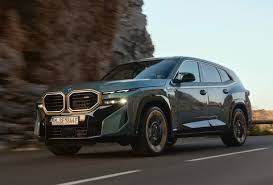
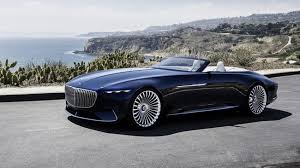
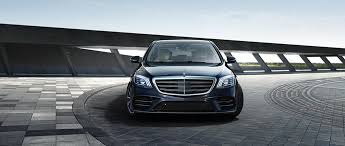
For families demanding substantial luxury and capability, the large SUV segment is paramount. The BMW X7 stands out, effectively scaling up the best attributes of BMW’s SUV lineup into a grand, three-row machine capable of accommodating up to seven passengers in style. Its sharp-looking interior, comfortable first and second-row seating, and powerful engine options make it a compelling choice for “exclusive car ownership benefits” that include space and utility. While the iDrive system can still have a slight learning curve, its capabilities are undeniable.
Mercedes-Benz offers the direct competitor, the GLS, which rivals the X7 with its upscale cabin, refined ride, and robust powertrain options. Then there’s the iconic G-Class (G-Wagen), a high-class off-road machine known for its rugged charm and unparalleled capability. While the G-Wagen offers an adventurous spirit and undeniable cachet, its off-road oriented attributes can compromise its on-road luxury vehicle characteristics compared to the more conventional GLS or X7. For overall balance and on-road family luxury, the X7 and GLS are neck and neck, with the G-Class offering a unique, niche appeal.
The Executive Express: Luxury Midsize Cars
The midsize luxury sedan segment is a perpetual tie, embodying the core philosophies of both brands. The Mercedes-Benz E-Class mirrors its larger S-Class sibling in its commitment to comfort and cutting-edge technology. The 2025 E-Class continues to impress with a refined ride, a wildly high-tech cabin (though at times it can feel overwhelming), and an extensive list of “advanced driver-assistance systems.” Its composure and serenity make it a classic choice for the executive class. Mercedes also offers the handsome CLE, a two-door variant blending elegance and performance.
The BMW 5 Series, perennially lauded for its athleticism, has evolved. While the redesigned 2025 model year retains its potent engines and sophisticated chassis, some purists note a slight softening of the steering feedback compared to its legendary predecessors. Nevertheless, it remains a powerful, comfortable, and technologically advanced executive sedan, offering a more engaging driving experience than its Mercedes counterpart for those who prioritize driver involvement. This segment truly highlights the enduring philosophical divide, with both offering compelling yet distinct packages.
Family Haulers, Elevated: Luxury Midsize SUVs
Another intensely competitive segment is the midsize luxury SUV, where the Mercedes-Benz GLE often sets the pace. The 2025 GLE receives updates that include standard all-wheel drive, an enhanced infotainment system, and new plug-in hybrid options, further solidifying its appeal. Its spacious, refined cabin effortlessly blends modern technology without becoming overbearing, making it a highly desirable option for families seeking “best luxury SUVs 2025.”
BMW’s X5 is equally revered, offering an upscale interior and handling that is notably more athletic than its Mercedes counterpart. For 2025, the X5 adds features like active lane-change assist, enhancing its technological prowess. BMW also fields the X6, a distinctive fastback version of the X5, while Mercedes-Benz offers a similar style with the GLE Coupe. Both the X5 and GLE represent peak midsize luxury, with the X5 appealing more to the driving enthusiast and the GLE emphasizing refined comfort and technological integration.
Entry Point Excellence: Luxury Small Cars
For many, a luxury small car is the first step into the premium automotive world. The BMW 3 Series has long been the gold standard in this segment, and the 2025 model continues that tradition. It remains fun to drive, boasts powerful engine options, a spacious interior, and a surprisingly large trunk for its class. Its blend of daily usability and engaging dynamics makes it a perennial favorite. BMW further diversifies this category with the sporty 2 Series coupe and the versatile 4 Series (coupe, convertible, Gran Coupe).
The Mercedes-Benz C-Class is a formidable rival, offering a more comfortable and polished ride, embodying the classic Mercedes-Benz ethos in a smaller package. While not as overtly engaging to drive as the 3 Series, its opulent cabin and advanced technology make it a compelling choice. Mercedes also offers the CLA, a stylish entry-level four-door coupe packed with tech. For those prioritizing an exhilarating driving experience, BMW’s small car lineup often holds the edge, while Mercedes offers a more comfort-focused, elegant alternative.
Unadulterated Thrills: Luxury Sports Cars
When it comes to pure “high-performance sports cars,” BMW leans heavily on its M division, delivering raw power and track-focused dynamics. The legendary BMW M3 (sedan), M4 (coupe), and the compact M2 represent the zenith of BMW’s performance heritage, offering visceral driving experiences. For those seeking open-air exhilaration, the BMW Z4 provides a spirited roadster experience. These vehicles are engineered to thrill, appealing directly to the enthusiast.
Mercedes-Benz offers dedicated sports cars like the exciting GT, a true driver’s machine. The SL, evolving into a grand touring convertible, blends performance with luxury, making it more suited for long-distance comfort than outright track days. While Mercedes offers potent AMG variants across its entire lineup, BMW’s dedicated M models often deliver a more focused, uncompromised performance experience directly from the factory, making them the preferred choice for ultimate driving enthusiasts.
Urban Navigators: Luxury Subcompact SUVs
In the urban jungle, the luxury subcompact SUV offers a perfect blend of practicality and prestige. The BMW X1 leads this segment, making excellent use of its compact dimensions to deliver a surprisingly spacious and well-crafted cabin. Outfitted with a generous list of standard features, its handling dynamics strike a terrific balance of comfort and responsiveness, making it an ideal choice for city living. BMW also offers the X2, a sportier, coupe-like variant.
The Mercedes-Benz GLA ranks competitively, offering a fun-to-drive character and an upscale cabin. However, it often falls short on cargo space and isn’t quite as refined as its larger Mercedes-Benz SUV siblings. While both are commendable, the X1’s superior interior space utilization and balanced dynamics give it a notable advantage for discerning buyers in this segment.
Beyond the Numbers: Core Brand Pillars
Beyond individual model comparisons, the fundamental philosophies of BMW and Mercedes-Benz shape every aspect of their vehicles.
Safety: Both brands are at the forefront of automotive safety, offering stellar safety scores and comprehensive “advanced driver-assistance systems.” BMW’s 2-Series, 3-Series, 5-Series, and X3 consistently achieve top safety ratings, integrating full suites of technology including forward collision avoidance and lane-departure warning. Mercedes-Benz models like the C-Class, E-Class, GLC-Class, and GLE-Class perform nearly as well, demonstrating a shared commitment to occupant protection and accident prevention. It’s worth noting that the increasing complexity of EV architectures means that full safety evaluations for newer electric models are an ongoing process for both brands.
Performance: Across the board, BMW remains the premium brand for driving enthusiasts. From the agile 3 Series to the potent 7 and 8 Series, BMW vehicles are meticulously engineered to excite behind the wheel. Its electric cars, like the i4, i7, and iX, also achieve high-performance scores, proving that electrification hasn’t diluted the brand’s core DNA. Mercedes-Benz also delivers potent performance, particularly in its AMG models, and vehicles like the S-Class, GT, SL, and EQS sedan command high ratings for their refined power delivery. However, for a pervasive sense of driver engagement across the entire lineup, BMW generally maintains its edge.
Reliability & Ownership Experience: “Vehicle reliability ratings” are crucial for luxury vehicle owners, influencing long-term satisfaction and “luxury car ownership costs.” While reliability scores can be somewhat varied for both brands, BMW generally shows more consistent high scores across a greater number of models. Models like the X3 and X1 often score well, with the brand averaging a “Great” reliability rating from independent evaluators. Mercedes-Benz, while improving, still has fewer models with reported reliability scores, though models like the E-Class and GLE often achieve “Average” to “Great” ratings. Both brands back their vehicles with a four-year/50,000-mile powertrain warranty. Significantly, BMW electric battery packs are covered for eight years/100,000 miles, while Mercedes-Benz EV batteries boast an impressive 10-year/155,000-mile warranty, underscoring their commitment to long-term EV viability.
Interior & Technology: This is where Mercedes-Benz truly shines and arguably sets the industry benchmark for “luxury car interiors design.” Whether it’s the GLE, GLS, E-Class, or the gold-standard S-Class, Mercedes-Benz consistently delivers cabins that are a masterclass in design, material quality, and ergonomic excellence. The fit and finish across most of its models are top-notch, with intricate details and seamless integration of its MBUX infotainment system. Every touchpoint feels premium, creating an enveloping sense of luxury and comfort that few can rival.
BMW has made significant strides in interior design and quality, with models like the X1, X3, and i7 offering outstanding cabins in terms of build quality and contemporary aesthetics. The fit-and-finish is generally excellent across many BMW models, and their iDrive system has become highly refined. However, for sheer opulence, sensory delight, and an undeniable “wow” factor in interior design, Mercedes-Benz continues to maintain its lead, creating truly immersive driving environments.
The Verdict in 2025: A Nuanced Conclusion
In 2025, the rivalry between BMW and Mercedes-Benz is not merely a head-to-head competition but a nuanced choice reflecting deeply personal priorities. While the raw statistical tally might often lean towards BMW in terms of segment wins—particularly in performance, reliability, and many EV categories—this doesn’t tell the whole story.
BMW consistently delivers engaging vehicles that merge refined performance with cutting-edge technology and modern design. For the driver who savors the journey, who values dynamic feedback and a direct connection to the road, BMW remains “The Ultimate Driving Machine.” Its commitment to an engaging driving experience permeates its entire lineup, including its rapidly expanding electric portfolio.
Mercedes-Benz, conversely, excels in crafting unparalleled sanctuaries of comfort and prestige. Its interiors remain world-class, setting benchmarks for luxury, technological integration, and occupant well-being. For those who prioritize a serene ride, opulent surroundings, and a brand synonymous with enduring elegance and cutting-edge digital integration, Mercedes-Benz offers a truly exceptional experience.
As both brands continue to push the boundaries of “automotive innovation trends,” especially in electrification, autonomous driving, and sustainable luxury, the competitive landscape will only become more intriguing. For now, the choice hinges on your personal definition of luxury: do you seek the thrill of the drive, or the serenity of the journey? In 2025, both BMW and Mercedes-Benz offer compelling, world-class answers.