
Having spent over a decade dissecting the intricate strategies and product offerings of these brands, I’ve observed their evolution from distinct philosophies—BMW, the “Ultimate Driving Machine” with its performance-centric ethos, and Mercedes-Benz, the purveyor of “The Best or Nothing,” synonymous with opulent comfort and groundbreaking luxury. Today, their paths have converged in many respects, yet fundamental differences persist, influencing everything from driving dynamics to interior aesthetics. This analytical deep dive aims to dissect their current offerings, weigh their strengths in key segments, and help you navigate the complex decision of which brand truly reigns supreme in the dynamic luxury landscape of 2025.
The Enduring Philosophies: Performance Meets Prestige
At their core, BMW and Mercedes-Benz have historically appealed to slightly different desires. BMW cultivated a reputation for driver engagement, razor-sharp handling, and engines that begged to be pushed. Its sedans, from the iconic 3 Series to the executive 5 Series, were benchmarks for athletic prowess within their luxury confines. This focus on “The Ultimate Driving Machine” positioned BMW as the choice for those who savored the connection between car and road.
Mercedes-Benz, on the other hand, built its empire on prestige, refinement, and pioneering luxury. Their vehicles, particularly the venerable S-Class, redefined what automotive comfort and technological sophistication could be. Mercedes-Benz prioritized a serene cabin experience, sophisticated ride quality, and a sense of occasion with every journey. Their motto, “The Best or Nothing,” reflected an unwavering commitment to unparalleled luxury and safety.
In 2025, these core tenets still hold, but both brands have skillfully diversified. BMW has integrated more comfort and cutting-edge technology into its offerings, acknowledging that even performance enthusiasts appreciate a refined cabin. Conversely, Mercedes-Benz has injected more dynamism into its lineup, particularly with its AMG performance division, showcasing that luxury can indeed be exhilarating. This convergence makes the comparison more intricate and fascinating than ever before.
Driving Dynamics and Raw Performance: A Tangible Edge
When it comes to the visceral thrill of driving, BMW traditionally held the undisputed crown. Their meticulous chassis tuning, balanced weight distribution, and responsive powertrains created a driving experience that was hard to match. In 2025, this legacy continues to manifest strongly across their lineup.
Luxury Small Cars & Sports Cars: The BMW 3 Series, a perennial favorite, continues its reign as a benchmark for sporty luxury sedans. Its engaging steering, potent engine options—from the efficient 330i to the blistering M3—and composed ride make it a joy on winding roads. The 2 Series Coupe and the diverse 4 Series (coupe, convertible, Gran Coupe) further emphasize BMW’s commitment to varied performance. For pure exhilaration, the M2, M3, and M4 remain iconic, offering track-ready performance in street-legal packages. The Z4 Roadster provides a spirited open-air experience.
Luxury Midsize & Large Cars: The redesigned 2025 BMW 5 Series, while perhaps a touch softer than its predecessors, still offers an impressive blend of comfort and athleticism. Its powerful engine options and sophisticated suspension provide a refined yet capable ride. The flagship 7 Series, despite its polarizing design, delivers dominant performance, especially in its M-tuned variants.
Performance EVs: BMW’s electric “i” lineup has quickly established itself as a formidable force. The i4, essentially an electric 4 Series Gran Coupe, offers compelling performance and engaging dynamics. The i7, the electric equivalent of the 7 Series, combines futuristic styling with dominant, silent power. The performance figures of these electric BMWs are often staggering, living up to the brand’s sporting heritage.
Mercedes-Benz, while traditionally prioritizing comfort, has made significant strides in performance, particularly with its AMG division. The AMG GT, a dedicated sports car, provides a thrilling, visceral experience, and the AMG SL blends grand touring comfort with impressive power. However, across the general lineup, Mercedes-Benz often leans towards a more cushioned, isolated ride, which some drivers prefer. The 2025 E-Class, while exceptionally refined, typically offers a softer driving experience compared to the 5 Series. The EQS Sedan, while powerful, emphasizes serene, effortless travel over outright driver involvement. For the dedicated driving enthusiast in 2025, BMW’s core philosophy still provides a more consistent edge in sheer dynamic engagement across a broader range of models.
Interior Luxury and Cutting-Edge Technology: A Sanctuary on Wheels
If BMW has a consistent lead in driving dynamics, Mercedes-Benz frequently sets the benchmark for interior opulence and integrated technology. Their cabins are often described as architectural masterpieces, blending high-quality materials, meticulous craftsmanship, and ambient lighting with stunning digital displays.
Interior Design & Materials: Mercedes-Benz vehicles, from the C-Class to the S-Class and their SUV counterparts, consistently feature lavish interiors. Supple leathers, open-pore wood, intricate metal accents, and perfectly executed fit-and-finish create an environment that feels truly bespoke. The S-Class, in particular, remains the gold standard, offering a cabin that shields occupants from the outside world while cocooning them in unparalleled comfort. Even in its smaller models like the GLB, Mercedes ensures an upscale experience.
Infotainment & Digital Experience: The Mercedes-Benz User Experience (MBUX) infotainment system is a technological marvel. With its intuitive voice assistant (“Hey Mercedes”), augmented reality navigation, and vibrant Hyperscreen option (in models like the EQS and EQE), MBUX offers a comprehensive and visually stunning digital interface. While initially overwhelming, its depth of features and responsive nature are truly industry-leading.
BMW’s Evolution: BMW has significantly elevated its interior game, particularly in recent years. Models like the X1, X3, and i7 boast outstanding cabins with excellent build quality and sophisticated designs. The iDrive 8 and soon-to-be iDrive 9 infotainment systems are powerful and customizable, though they still retain a slight learning curve compared to MBUX for some users. BMW’s cabins are typically more driver-centric, with controls ergonomically placed for easy access, reinforcing their performance ethos. However, in terms of sheer perceived luxury, the “wow” factor, and holistic comfort, Mercedes-Benz often maintains a slight advantage across most segments.
The Electric Revolution: Neck and Neck in the EV Space
The transition to electric vehicles (EVs) is a defining characteristic of the 2025 automotive market, and both brands are deeply committed to this future. Their EV lineups are rapidly expanding, showcasing their respective interpretations of electric luxury.
BMW’s i-Series: BMW’s strategy has involved electrifying existing, popular models while also introducing dedicated EV platforms. The i4 is a fantastic electric sports sedan, retaining much of the 4 Series Gran Coupe’s dynamism. The i7 is an electric flagship, offering bold styling and powerful acceleration synonymous with the 7 Series. For SUVs, the iX stands out with its distinctive design, powerful acceleration, and spacious, high-tech interior. BMW’s approach often feels more integrated with its existing performance DNA, making the electric experience feel like a natural extension rather than a complete departure.
Mercedes-Benz EQ-Series: Mercedes-Benz has developed a dedicated “EQ” sub-brand for its EVs, featuring distinct aerodynamic designs. The EQE and EQS sedans offer supremely serene driving dynamics and opulent, futuristic cabins, particularly with the expansive Hyperscreen. The EQB, EQE SUV, and EQS SUV translate this electric luxury into various SUV forms. While their cabins are elegant and the ride quality exceptional, some critics note that Mercedes-Benz’s EQ models, particularly in their naming convention and styling, can be a bit confusing or less distinctive from their ICE counterparts for the casual observer. Mercedes excels in long-range comfort and a whisper-quiet ride in its EVs, whereas BMW tends to emphasize electric performance and engaging driving feel. In 2025, both are strong contenders, but BMW often edges out in terms of integrating electric power with its traditional driving machine philosophy, while Mercedes focuses on EV as the ultimate comfort cruiser.
SUV Supremacy: From Urban Crossovers to Off-Road Icons
SUVs and crossovers continue to dominate sales, and both BMW and Mercedes-Benz offer comprehensive lineups catering to every conceivable niche.
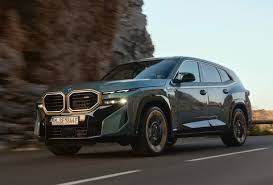
Luxury Compact SUVs: The BMW X3 remains a segment leader, praised for its spacious cabin, athletic handling, and robust powertrains. Its coupe-styled sibling, the X4, offers a more rakish design. Mercedes-Benz counters with the GLB, which offers available three-row seating, and the GLC, known for its plush cabin and efficient powertrains. While the GLB is practical, the X3 often feels more dynamically accomplished.
Luxury Midsize SUVs: This is a hotly contested segment, resulting in a virtual tie. The Mercedes-Benz GLE offers a refined ride, a spacious cabin, and an updated infotainment system, including new plug-in hybrid options for 2025. The BMW X5 is equally revered, boasting an upscale interior and more athletic handling than its Mercedes counterpart. Its X6 fastback variant adds style. Both are exceptional, and personal preference for driving feel or interior ambiance will largely dictate the winner here.
Luxury Large SUVs: The BMW X7 effectively scales up BMW’s successful SUV formula, offering a sharp interior and comfortable seating for up to seven. Mercedes-Benz provides the GLS, a direct competitor to the X7, known for its upscale cabin and refined ride. The iconic G-Class (G-Wagen), while a legendary off-road machine, remains a niche offering that sacrifices some on-road refinement for unparalleled capability and rugged luxury. For most buyers seeking a comfortable, luxurious three-row SUV, the X7 and GLS are the primary contenders, with BMW often leading in overall packaging and driving dynamics for its size.
Luxury Subcompact SUVs: The BMW X1 continues to impress, maximizing its compact footprint with a well-crafted cabin and a long list of standard features, striking an excellent balance between comfort and responsiveness. The X2 offers a sportier profile. The Mercedes-Benz GLA, while fun to drive with an upscale cabin, often falls slightly behind the X1 in overall refinement and cargo capacity.
Safety First, Always: Advanced Driver Assistance Systems (ADAS)
Both BMW and Mercedes-Benz are at the forefront of automotive safety and advanced driver assistance systems (ADAS). In 2025, their vehicles are equipped with sophisticated suites designed to prevent accidents, reduce driver fatigue, and enhance overall road safety. Features like adaptive cruise control, lane-keeping assist, automatic emergency braking, blind-spot monitoring, and surround-view cameras are standard or widely available.
While specific safety ratings can vary by model and testing agency, both brands consistently earn top marks from organizations like the IIHS and NHTSA. BMW models like the 2 Series, 3 Series, 5 Series, and X3 consistently achieve stellar safety scores. Similarly, Mercedes-Benz’s C-Class, E-Class, GLC, and GLE are highly rated. The competition in this area is so fierce that it’s difficult to declare a definitive winner; both offer nearly identical levels of advanced protection and driver support, setting industry benchmarks for passive and active safety. The key distinction often lies in the user interface and how seamlessly these technologies are integrated into the driving experience.
Reliability and The Ownership Journey: A Long-Term Commitment
Reliability and long-term ownership costs are crucial considerations for any luxury vehicle purchase. Both BMW and Mercedes-Benz have made significant strides in improving their dependability over the years, though luxury vehicles, by their nature, can have higher maintenance costs than mainstream brands due to their complex technologies and specialized parts.
Reliability Scores: While scores can fluctuate annually and by specific model, BMW generally demonstrates stronger overall reliability across its lineup in many third-party surveys like J.D. Power. For instance, the X1, X3, 2 Series, and 7 Series have consistently achieved “Great” predicted reliability scores (85+ out of 100). Mercedes-Benz, while also offering solid reliability, sometimes has fewer models reporting scores, and their average can hover slightly lower. The E-Class and GLE are often among its top performers.
Warranties: Both brands back their vehicles with a competitive four-year/50,000-mile comprehensive warranty. For EVs, battery warranties are crucial: BMW offers an eight-year/100,000-mile warranty for its electric battery packs, while Mercedes-Benz provides an impressive 10-year/155,000-mile warranty, giving it an edge in long-term EV battery assurance.
Ownership Costs: While neither brand is “cheap” to maintain, understanding the potential costs for parts, labor, and specialized servicing is important for luxury car financing and long-term budgeting. Both brands offer extensive dealer networks and certified service, but parts and diagnostic labor are typically premium-priced.
Resale Value: Both BMW and Mercedes-Benz vehicles generally hold their value well in the used luxury car market, especially well-maintained models with desirable options. However, specific models and market conditions in 2025 will influence this.
The Verdict for 2025: A Nuanced Conclusion
After an exhaustive analysis across key segments and performance metrics, the enduring rivalry between BMW and Mercedes-Benz in 2025 reveals a fascinating landscape. While both brands continue to excel, BMW maintains a slight, yet perceptible, edge across more categories when considering the overall blend of performance, technology, and value.
BMW consistently demonstrates that a vehicle can be exceptionally engaging to drive, whether it’s an internal combustion engine (ICE) or an electric variant, while also offering refined interiors, cutting-edge technology, and robust safety features. Their “Ultimate Driving Machine” philosophy has successfully evolved to embrace comfort and digital integration without sacrificing the core tenets of dynamic driving. This makes BMW a compelling choice for those who prioritize the driving experience alongside luxury and innovation.
Mercedes-Benz, however, remains the undisputed master of automotive comfort and interior opulence. Its world-class cabins, serene ride quality, and groundbreaking MBUX infotainment system set industry benchmarks. For those whose primary desire is a luxurious, tranquil, and technologically advanced sanctuary on wheels, Mercedes-Benz often delivers an unparalleled experience.
Which One for You? Tailoring the Choice to Your Lifestyle
Ultimately, the “winner” between BMW and Mercedes-Benz is highly personal, dependent on your priorities in a premium vehicle.
Choose BMW if: You crave an engaging driving experience, prioritize athletic handling and potent powertrains, appreciate a driver-centric cabin, and want an electric vehicle that still feels inherently “BMW” in its dynamics. You’re looking for that perfect blend of sportiness and luxury across sedans, coupes, and SUVs. You value the brand’s consistency in driving pleasure.
Choose Mercedes-Benz if: You seek unparalleled interior luxury, a whisper-quiet and supremely comfortable ride, prefer cutting-edge, visually stunning infotainment, and want a vehicle that exudes prestige and elegance. You value a serene cabin above all else, and for EVs, you prioritize seamless, effortless electric travel.
In 2025, both BMW and Mercedes-Benz continue to define the pinnacle of luxury motoring, pushing the boundaries of what’s possible. Their ongoing innovation in electric vehicle technology, advanced driver-assistance systems, and automotive industry outlook ensures that this thrilling rivalry will continue to benefit discerning consumers for years to come. Whether you lean towards the ultimate driving machine or the ultimate luxury statement, both brands promise an ownership experience steeped in German engineering excellence.