
Having spent over a decade deeply entrenched in the premium automotive sector, I’ve witnessed firsthand how these brands evolve, adapt, and occasionally converge in their pursuit of automotive perfection. While both offer an exceptional experience, a meticulous analytical breakdown reveals distinct philosophies and strengths, making the choice between them a deeply personal reflection of a driver’s priorities. This isn’t just about badges; it’s about the very soul of luxury motoring.
A Legacy Redefined: Performance vs. Prestige
Historically, BMW carved its niche as “The Ultimate Driving Machine,” a brand for enthusiasts who prioritized engaging dynamics, precise handling, and potent powertrains. Its focus was often on the driver’s connection to the road, a visceral experience amplified by inline-six engines and balanced chassis. Mercedes-Benz, on the other hand, cultivated an image of unparalleled luxury, comfort, and sophisticated elegance. Its vehicles were sanctuaries on wheels, prioritizing a serene ride, opulent interiors, and cutting-edge innovations that elevated the passenger experience.
In 2025, while these core identities still hold true, they’ve begun to blur. BMW has significantly enhanced its interiors and ride comfort, while Mercedes-Benz has injected remarkable performance credentials into its lineup, especially through its AMG division and rapidly evolving electric vehicles. The competition is no longer a simple dichotomy; it’s a sophisticated interplay of converging ambitions, making a granular comparison essential for anyone exploring luxury car deals 2025.
Segment-by-Segment Showdown: Where Each Brand Shines
To truly understand the current state of this rivalry, we must dissect their offerings across the most competitive segments.
Luxury Compact SUVs: BMW Holds the Edge
The compact luxury SUV market remains fiercely competitive, appealing to urban dwellers and small families seeking versatility without sacrificing prestige. In 2025, BMW continues to dominate this space with the X3, particularly its 2025 iterations which blend practicality with engaging performance. The X3, especially in its xDrive30i and M40i guises, offers an athletic driving experience that feels more like a sport sedan than an SUV. Its spacious, well-appointed cabin features BMW’s intuitive iDrive 8.5 infotainment system, a benchmark for automotive infotainment systems, and ample cargo capacity.
Mercedes-Benz counters with the GLB and GLC. While the GLB offers a unique three-row seating option in the compact class and the GLC boasts a plush, refined interior with superior material quality, neither quite matches the X3’s holistic blend of driving dynamics and utility. For those prioritizing an exhilarating ride coupled with everyday usability, the X3 remains the reigning champion, often making it a top contender when reviewing best luxury SUV 2025 options.
Luxury Electric Cars: BMW’s Electrifying Momentum
The electric vehicle (EV) revolution has dramatically reshaped the luxury market, and both brands are pouring immense resources into their battery-electric offerings. BMW’s “i” sub-brand has quickly matured, with models like the 2025 i7 electric flagship taking bold strides. The i7, essentially an EV variant of the esteemed 7 Series, commands attention with its futuristic styling, opulent interior, and dominant performance. Its range figures are competitive, and rapid charging capabilities are becoming increasingly vital for many considering electric vehicle technology. Similarly, the i4, an electric take on the agile 4 Series Gran Coupe, provides an engaging driving experience mirroring its ICE counterpart, making luxury EV ownership accessible.
Mercedes-Benz, with its “EQ” lineup, offers compelling alternatives like the EQE and EQS sedans. These vehicles boast serene driving dynamics and exceptionally opulent cabins, often featuring the stunning MBUX Hyperscreen. However, Mercedes’ slightly less intuitive naming convention and a greater emphasis on smooth, isolated comfort over outright athleticism in some models give BMW a slight lead in this evolving segment for those seeking a more dynamic EV experience.
Luxury Electric SUVs: BMW’s iX Leads the Charge
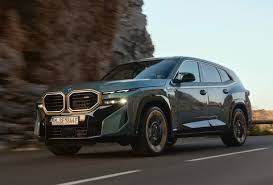
The battle extends to electric SUVs, a rapidly expanding segment. The 2025 BMW iX stands out as a genuine pioneer. While its polarizing exterior design may not appeal to all, its interior is a masterclass in modern luxury and functionality, offering cutting-edge technology, abundant passenger space, and strong acceleration. The iX challenges preconceptions of what a luxury SUV can be, making a strong case for BMW’s forward-thinking approach to premium SUV market electrification.
Mercedes-Benz offers a broader EV SUV range with the EQB, EQE SUV, and EQS SUV. These models consistently deliver elegant interiors and quiet rides. However, issues like the EQE SUV’s sometimes average driving range and the EQS SUV’s premium price point combined with subpar cargo capacity compared to rivals, along with the somewhat confusing nomenclature, allow the iX to maintain its lead for overall practicality and performance balance.
Luxury Large Cars: Mercedes-Benz Reigns Supreme with the S-Class
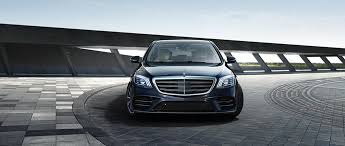
When it comes to the pinnacle of traditional luxury sedans, the Mercedes-Benz S-Class remains largely unchallenged. The 2025 S-Class embodies sophistication and comfort, offering an unrivaled cabin experience that effectively shields occupants from the outside world. Its MBUX infotainment system is incredibly advanced, capable of understanding complex voice commands with uncanny accuracy, defining the benchmark for luxury car interior design. The ride quality is sublime, and the array of executive amenities is simply breathtaking.
The BMW 7 Series, while a magnificent vehicle in its own right, finishes just behind. It offers a powerful infotainment system and a more engaging driving experience, consistent with BMW’s heritage. However, the S-Class’s sheer opulence and a user experience that prioritizes effortless comfort over dynamic feedback secure its place as the segment leader, a true testament to its legacy in defining what a flagship luxury sedan should be.
Luxury Large SUVs: BMW’s X7 Commands Presence
The three-row luxury SUV segment is crucial for families who refuse to compromise on premium experiences. The 2025 BMW X7 capably scales up the brand’s best attributes into a commanding machine. Its sharp interior design, powerful engine options, and comfortable first and second-row seating make it an excellent choice for moving up to seven people in style. While its iDrive system might have a slight learning curve for newcomers, its functionality is undeniable.
Mercedes-Benz offers the GLS, a direct competitor, known for its upscale cabin and refined ride. The iconic G-Class (G-Wagen) also falls into this category, but its robust off-road capabilities, while appealing to a niche, make it less refined as an overall luxury road vehicle compared to the X7 or GLS. For a blend of luxury, space, and a distinctly BMW driving feel, the X7 emerges as the victor.
Luxury Midsize Cars: A Distinguished Tie
The midsize luxury sedan segment is where these rivals often go head-to-head most directly, and in 2025, it remains a distinguished tie. The Mercedes-Benz E-Class, much like its S-Class sibling, stands out as a cornerstone of its segment. The latest E-Class models offer a profoundly comfortable and refined ride, coupled with a wildly high-tech cabin that, while occasionally overwhelming, pushes the boundaries of digital integration. Its impressive suite of advanced driver assistance systems further enhances its appeal.
The BMW 5 Series, redesigned in recent years, continues to be a formidable contender. While some purists argue the steering feedback isn’t quite what it once was, the 5 Series still delivers the familiar punch from its potent lineup of engines and offers an executive yet athletic driving experience. Both vehicles offer compelling reasons for ownership, catering to slightly different preferences within the same high-end category, showcasing excellent options for those considering luxury car lease options.
Luxury Midsize SUVs: Mercedes-Benz GLE Shines
The midsize luxury SUV segment is another hotly contested arena where the Mercedes-Benz GLE (and its coupe variant, the GLE 53) often takes the top spot. The 2025 GLE boasts a spacious, refined cabin that masterfully blends modern technology without feeling overbearing. With standard all-wheel drive, updated infotainment, and new plug-in hybrid models, the GLE demonstrates Mercedes-Benz’s commitment to balanced luxury and innovation.
BMW’s X5 is equally revered, offering an upscale interior and more athletic handling than its Mercedes counterpart. The X5’s continued evolution, including options like active lane-change assist, ensures it remains a strong choice. However, the GLE’s overall refinement, seamless technology integration, and breadth of powertrain options give it a marginal lead in this highly competitive category.
Luxury Small Cars: BMW’s Iconic 3 Series Dominates
The small luxury sedan segment has long been synonymous with the BMW 3 Series. Even in 2025, the 3 Series continues its legacy as one of the best. It’s exhilarating to drive, offers powerful engine choices, a surprisingly large trunk for its class, and a spacious, driver-focused interior. Its blend of everyday usability and sports sedan performance is unmatched. BMW also offers the sporty 2 Series Coupe and the versatile 4 Series.
Mercedes-Benz’s C-Class is a commendable rival, often described as a “baby S-Class” due to its comfortable ride and luxurious cabin. However, it typically isn’t as engaging to drive as the 3 Series. Mercedes’ CLA, while nimble and stylish, caters to a slightly different, more design-conscious buyer. For those seeking the classic sport sedan experience, the 3 Series remains the benchmark.
Luxury Sports Cars: BMW’s M Division Takes the Crown
When the conversation turns to luxury sports cars, BMW’s dedicated M division and performance heritage give it a distinct advantage. The M3 and M4 are renowned sport sedans and coupes that deliver astonishing performance figures and track-ready dynamics. The M2, in particular, harks back to BMW’s purest performance roots, offering an unadulterated driving thrill. For open-air enthusiasts, the Z4 provides a stylish and engaging roadster experience. These vehicles are exemplars of BMW performance models.
Mercedes-Benz offers dedicated sports cars like the exciting GT and the grand-touring focused SL. These are fantastic machines, but BMW’s wider breadth of performance-tuned variants across its core lineup and its unwavering focus on driver engagement secure its win in this segment.
Luxury Subcompact SUVs: BMW X1 Sets the Standard
The subcompact luxury SUV segment has seen tremendous growth, and the BMW X1, especially its 2025 iteration, stands alone atop the rankings. It masterfully maximizes its size, offering a sharp, well-crafted cabin with a generous list of standard features. Its handling dynamics strike a remarkable balance between comfort and responsiveness, making it a compelling entry point into luxury SUV ownership. The X2, a fastback version, offers a sportier aesthetic.
The Mercedes-Benz GLA, while fun to drive and featuring an upscale cabin, ranks mid-pack. It’s a stylish urban companion but isn’t quite as refined or spacious as its BMW counterpart. For overall value, practicality, and driving satisfaction in the subcompact space, the X1 is the clear leader.
Holistic Performance Metrics: Beyond Segment Wins
Beyond individual segment comparisons, it’s crucial to evaluate how these brands fare in critical overarching categories.
Safety: BMW’s Comprehensive Approach
Both BMW and Mercedes-Benz are at the forefront of automotive safety, equipping their vehicles with stellar passive safety features and cutting-edge advanced driver assistance systems (ADAS). From sophisticated forward collision avoidance systems to lane-keeping assist and adaptive cruise control, both brands prioritize occupant protection. In 2025, BMW has a slight edge due to a greater number of its conventionally powered models achieving the highest safety ratings from organizations like the IIHS and NHTSA. While many new EVs from both brands are still undergoing comprehensive testing, BMW’s broader portfolio of tested models demonstrates consistent excellence.
Performance: BMW Continues to Excite
For driving enthusiasts, BMW continues to deliver. Across its lineup, from the nimble 3 Series to the executive 7 Series and high-performance M models, BMW vehicles are engineered to ignite passion behind the wheel. Its electric “i” lineup, including the i4, i7, and iX, also earns high marks for exhilarating performance, proving that electrification hasn’t dulled the brand’s dynamic edge. The emphasis on balanced chassis, precise steering, and potent engine options—whether ICE or electric—makes BMW the perennial leader in raw driving excitement, catering to those who truly appreciate BMW performance models.
While Mercedes-Benz offers compelling performance, particularly with its AMG models and impressive acceleration from the S-Class and EQS, its overall lineup tends to prioritize comfort and refinement, which sometimes results in a less engaging driving experience in certain mainstream models (like the GLA or GLB, which prioritize value over performance).
Reliability: BMW Edges Out
Reliability scores can be somewhat varied across both brands and specific models. However, in 2025 assessments, BMW generally has more models with reported reliability scores, and these models consistently achieve higher ratings. With brands averaging above 80 in J.D. Power’s predicted reliability scores considered “Great,” BMW’s brand average typically hovers slightly higher than Mercedes-Benz. Models like the X1, X3, 2 Series, and 7 Series often score in the mid-80s.
Mercedes-Benz vehicles are certainly dependable, but fewer models have publicly reported scores, and its brand average tends to be a few points lower, though still respectable. Both brands offer competitive four-year/50,000-mile powertrain warranties, with differences in EV battery warranties (BMW offers eight-year/100,000-mile, Mercedes-Benz 10-year/155,000-mile), but BMW’s broader consistency in reliability scores gives it a marginal lead.
Interior: Mercedes-Benz’s Unrivaled Opulence
If BMW champions performance, Mercedes-Benz unequivocally sets the standard for luxury car interior design and comfort. Whether it’s the executive experience of the E-Class, the spacious elegance of the GLE, or the peerless opulence of the S-Class, Mercedes-Benz consistently delivers world-class cabins. The fit-and-finish across most of its models are exemplary, with sumptuous materials, exquisite ambient lighting, and pioneering ergonomic design. The integration of the MBUX system often feels more organic and aesthetically pleasing within Mercedes’ lavish interiors.
BMW has made significant strides in interior quality, with models like the X1, X3, and i7 offering outstanding build quality and modern design. The iDrive system is highly functional, and materials are generally top-notch. However, they don’t quite reach the same level of holistic luxury, sensory delight, and sheer ‘wow’ factor that Mercedes-Benz consistently achieves, especially in its higher-tier vehicles. For those prioritizing a truly indulgent and technologically integrated cabin, Mercedes-Benz remains the gold standard.
The Verdict: BMW Secures the Lead, But the Choice is Yours
After an exhaustive analysis, in 2025, BMW emerges as the overall winner in this head-to-head comparison. The brand demonstrates a remarkable ability to deliver engaging driving dynamics across a broader range of segments while significantly elevating its refinement, technology, and interior quality. Its electric vehicle offensive has been particularly effective, offering compelling alternatives without sacrificing the brand’s core ethos.
Mercedes-Benz, however, remains an indomitable force, especially in its commitment to unparalleled comfort and interior luxury. Its flagship S-Class and the well-rounded GLE continue to set industry benchmarks. The choice between these two giants often boils down to individual priorities: for the driver who craves exhilarating performance and a direct connection to the road, BMW typically delivers. For the individual who prioritizes opulent comfort, serene refinement, and cutting-edge, yet gracefully integrated technology, Mercedes-Benz is often the ultimate expression of luxury.
As both brands accelerate their transition into an electrified and increasingly autonomous future, the evolution of this rivalry will be fascinating to watch. For now, however, BMW holds a slight edge in more vehicle categories, offering a comprehensive and compelling portfolio for the discerning luxury consumer in 2025. When exploring premium vehicle market options, remember that while data points towards a winner, the perfect car for you is ultimately the one that stirs your soul and meets your unique driving desires.