
This isn’t just a comparison of cars; it’s an analytical deep dive into two distinct philosophies that have, over time, begun to converge. BMW, historically known as “The Ultimate Driving Machine,” has championed performance, agility, and driver engagement. Mercedes-Benz, on the other hand, has carved its niche around unparalleled comfort, opulent interiors, and a serene, refined driving experience. Yet, in 2025, both brands offer vehicles that blur these lines, each striving to deliver a comprehensive luxury package that satisfies every demand.
The stakes are higher than ever. With global luxury vehicle market trends pointing towards customization, sustainability, and cutting-edge digital integration, choosing between a BMW and a Mercedes-Benz requires a thorough understanding of their current offerings, future trajectories, and, crucially, what truly matters to you as a discerning owner. Let’s dissect their portfolios and philosophies, segment by segment, to determine which marque truly stands as the cornerstone of modern luxury.
The Evolving Luxury Landscape: 2025 Perspectives
Before diving into specific models, it’s vital to acknowledge the broader forces at play in 2025. Electrification is no longer a niche; it’s mainstream, defining entire product lines. Connectivity is paramount, turning vehicles into mobile digital hubs. Advanced driver-assistance systems (ADAS) are moving beyond mere convenience to become integral components of safety and the overall driving experience. Both BMW and Mercedes-Benz are at the forefront of these transformations, investing heavily in powertrain technology innovations, sophisticated infotainment system reviews, and sustainable manufacturing practices.
Luxury Compact SUVs: Versatility Meets Premium
The compact luxury SUV segment remains a hotbed of activity, offering a compelling blend of practicality, style, and accessible luxury.
BMW’s Edge: The 2025 BMW X3 continues its reign as a segment leader. It consistently earns high marks for its spacious and attractive cabin, athletic handling that lives up to the brand’s heritage, and a range of stout powertrains, including robust plug-in hybrid options and the all-electric iX3 (which is gaining significant traction globally). The X4, its coupe-SUV sibling, offers a more distinct, engaging-to-drive profile for those prioritizing style. BMW’s integration of the latest iDrive system, now refined to version 9.0 in many new models, provides a user-friendly yet deeply customizable digital experience.
Mercedes-Benz’s Counter: Mercedes-Benz counters with the GLB and GLC. The GLB offers unique available three-row seating, a rare feature in this class, appealing to urban families needing occasional extra capacity. The GLC, recently refreshed for 2025 with an even plushier cabin and highly fuel-efficient powertrains, offers a more traditional luxury SUV experience. While both provide exceptional comfort and the intuitive MBUX infotainment system, the X3’s inherent sportiness and comprehensive package often give it a slight edge in overall driving satisfaction for enthusiasts.
Winner: BMW (for its superior blend of driver engagement and practicality)
The Electric Revolution: Sedans and SUVs
The electric vehicle (EV) space is where the future is being written, and both brands are pouring resources into developing engaging, high-performance luxury cars that run on pure electricity.
BMW’s Dominance: BMW has rapidly expanded its “i” lineup. The 2025 BMW i7 stands as the electric flagship, translating the 7 Series’ bold, futuristic styling and opulent cabin into a dominant electric performer. Its theater screen and executive lounge seating exemplify cutting-edge luxury. The i4, an electric take on the engaging 4 Series Gran Coupe, provides accessible electric performance, while the anticipated i5 is poised to bring electrification to the ever-popular 5 Series segment. In the SUV realm, the iX remains a compelling and somewhat unconventional offering, praised for its powerful acceleration, spacious interior, and cutting-edge technology. The iX3 continues to serve markets outside the U.S. effectively.
Mercedes-Benz’s Vision: Mercedes-Benz has embraced a distinct design language for its EQ sub-brand. The EQE Sedan and EQS Sedan boast serene driving dynamics and opulent cabins, characterized by the Hyperscreen’s expansive digital real estate. Their focus is unequivocally on comfort and luxury, delivering a smooth, silent ride that few can match. The EQB, EQE SUV, and EQS SUV fill out their electric SUV offerings. While the elegant interiors and advanced tech are undeniable, Mercedes-Benz’s naming conventions can still be a bit confusing, and some models like the EQE SUV have faced critiques regarding driving range or cargo capacity compared to the competition. The EQS SUV, while luxurious, also carries a premium price point that demands scrutiny.
Winner: BMW (for a more cohesive and performance-oriented electric lineup that feels more integrated into their core brand identity)
Luxury Midsize Sedans: The Sweet Spot of Sophistication
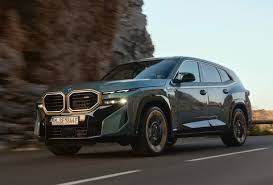
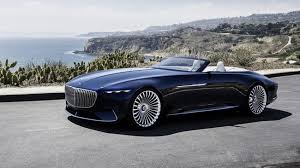
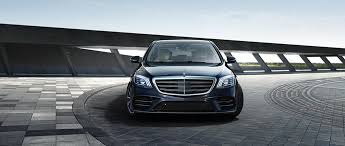
For many, the midsize luxury sedan represents the perfect blend of prestige, performance, and daily usability.
A Refined Tie: This segment often results in a philosophical deadlock. The 2025 Mercedes-Benz E-Class, especially after its recent update, stands out as a paragon of comfort and high-tech luxury. Its refined ride, isolating cabin, and deeply integrated MBUX system with sophisticated AI voice prompts (“Hey Mercedes…”) create an almost bespoke experience. An impressive list of driver-assistance tech further elevates its status. The CLE, a handsome two-door derived from the E-Class, offers a sportier, more elegant alternative.
BMW’s 2025 5 Series, having undergone a significant redesign, still offers its familiar potent engine lineup and modern cabin. While some traditionalists might argue it has lost a degree of the raw steering feedback of its predecessors, it remains a highly capable and engaging vehicle. Its updated iDrive system, combined with a luxurious and tech-forward interior, ensures it remains a formidable contender. The decision here often comes down to a subtle preference for ride dynamics versus ultimate cabin serenity.
Winner: Tie (both offer exceptional, yet distinct, experiences)
Luxury Large Sedans: The Flagships of Distinction
At the very pinnacle of their respective sedan lineups, the 7 Series and S-Class are showcases of ultimate luxury, technological prowess, and uncompromising comfort.
Mercedes-Benz’s Throne: The 2025 Mercedes-Benz S-Class continues to set the global benchmark for luxury flagship sedans. Its cabin is a sanctuary, shielding occupants from the outside world with an almost imperceptible smoothness. The S-Class is not just a car; it’s an experience, featuring an interior that feels handcrafted and a ride quality that borders on magical. The MBUX system here is at its most sophisticated, capable of understanding complex commands and personalizing the experience to an extraordinary degree.
BMW’s Bold Statement: The 2025 BMW 7 Series, especially in its current iteration, is a bold, modern take on the luxury flagship. Its styling is undeniably polarizing but its interior is a masterclass in contemporary luxury, offering groundbreaking features like the optional 31.3-inch 8K BMW Theater Screen. While it offers a powerful infotainment system that can have a bit of a learning curve, its driving dynamics are more engaging than the S-Class, appealing to those who still wish to connect with the road, even in a limousine.
Winner: Mercedes-Benz (for its consistent, unparalleled comfort and timeless opulence, though BMW offers a compelling, tech-forward alternative)
Luxury SUVs: Midsize to Large Dominators
The SUV segments continue to dominate sales charts, and both brands offer compelling options from practical family haulers to true off-road icons.
Midsize SUVs:
The 2025 Mercedes-Benz GLE takes the top spot in this critical category (often alongside the Porsche Cayenne). Its spacious, refined cabin effortlessly blends modern technology without feeling overbearing. Standard all-wheel drive and updated infotainment, along with new plug-in hybrid models, make it an incredibly versatile and appealing choice for families.
The BMW X5 is equally revered, boasting an upscale interior and more athletic handling than its Mercedes counterpart. For 2025, the X5 enhances its ADAS suite with features like active lane-change assist. BMW also offers the X6, the stylish fastback variant, while Mercedes has the GLE Coupe, demonstrating a common strategy in this segment.
Winner: Mercedes-Benz (for its slightly superior blend of refinement and family utility)
Large SUVs:
The 2025 BMW X7 effectively scales up the brand’s best attributes into a three-row machine capable of moving up to seven people in comfort. Its sharp-looking interior and comfortable first- and second-row seating make it an excellent choice for extended trips. While the iDrive system can have a learning curve, its depth of features is impressive.
Mercedes-Benz offers the GLS, a direct competitor to the X7, known for its equally upscale cabin and refined ride. Then there’s the iconic G-Class (G-Wagen), a high-class off-road machine that offers unparalleled presence and capability. While undeniably luxurious, its off-road focus means some compromises in on-road refinement compared to the X7 or GLS.
Winner: BMW (for a more universally appealing and balanced luxury large SUV experience with the X7)
Luxury Small Cars and Sports Cars: Driving Purity
For those who prioritize driving enjoyment and compact luxury, these segments are where BMW’s heritage often shines brightest.
BMW’s Dominance: The 2025 BMW 3 Series remains one of the perennial leaders in small luxury sedans. It’s fun to drive, offers powerful engines, and provides a surprisingly spacious interior and trunk for its class. It generally outshines the still-commendable Mercedes-Benz C-Class, which is more comfort-oriented but less engaging. BMW’s 2 Series coupe and 4 Series (coupe, convertible, and Gran Coupe) further cement its position, offering a diverse range of sporty options.
In luxury sports cars, BMW’s M division is legendary. The M2, M3, and M4 are revered performance stalwarts, delivering raw, unadulterated driving thrills. The Z4 provides an open-air, two-seater sports car experience.
Mercedes-Benz’s Response: The C-Class is a beautiful and comfortable small luxury sedan. Mercedes-Benz also offers the entry-level CLA, a nimble car packed with tech and a sharp interior. In sports cars, Mercedes-AMG offers dedicated models like the GT and the luxurious SL grand tourer, which are exciting in their own right but often lean more towards sophisticated power delivery rather than outright raw athleticism.
Winner: BMW (for its broader range of truly engaging driver’s cars and sports-oriented luxury)
Luxury Subcompact SUVs: Entry Points to Premium
These smaller SUVs provide an entry point into luxury, blending urban maneuverability with premium features.
BMW’s Clear Lead: The 2025 BMW X1 continues to lead the luxury subcompact SUV rankings. It makes excellent use of its size, featuring a sharp, well-crafted cabin with a long list of standard features. Its handling dynamics strike a terrific balance of comfort and responsiveness. The X2 offers a slightly sportier, coupe-like alternative.
Mercedes-Benz’s Contender: The 2025 Mercedes-Benz GLA, while fun to drive and boasting an upscale cabin, ranks mid-pack among small SUVs. It’s not quite as refined as other Mercedes SUVs and lags slightly in cargo space, making the X1 a more compelling all-around package.
Winner: BMW (for its superior blend of refinement, practicality, and driving dynamics in a smaller package)
Attribute Deep Dive: Beyond the Segments
Beyond model-specific comparisons, a look at core attributes reveals deeper brand philosophies.
Performance & Driving Dynamics:
BMW has historically been the victor here. From the 3 Series to the larger 7 and 8 Series, BMW vehicles are engineered to excite behind the wheel. Even its electric i4, i7, and iX earn high performance scores, showcasing that electrification hasn’t diluted their core ethos. The M division remains a benchmark for high-performance luxury cars.
Mercedes-Benz, while prioritizing comfort, offers thrilling AMG models that provide staggering performance. The S-Class and EQS sedan achieve high performance ratings for their smooth, potent power delivery, but overall, BMW maintains its edge for pure driver engagement across its lineup.
Winner: BMW
Interior & Technology:
This is where Mercedes-Benz truly shines, consistently setting the bar for automotive interiors. Whether it’s the GLE, GLS, E-Class, or the gold-standard S-Class, the fit, finish, and material quality are top-notch. Their MBUX infotainment system is arguably more visually stunning and intuitive with its AI voice assistant, transforming the cabin into a digital lounge. Mercedes leads in automotive interior design trends, integrating sustainable materials and ambient lighting to create a truly immersive experience.
BMW has made significant strides, with models like the X1, X3, and i7 offering outstanding cabins in terms of build quality and technological integration (iDrive 9.0 is a formidable system). However, they don’t quite reach the consistent level of sheer opulence and serenity found in Mercedes-Benz vehicles.
Winner: Mercedes-Benz
Safety & Driver Assistance:
Both brands are leaders in advanced driver-assistance systems (ADAS), consistently achieving stellar safety scores. Features like forward collision avoidance, lane-departure warning, adaptive cruise control, and increasingly sophisticated Level 2+ semi-autonomous driving capabilities are standard or widely available. BMW’s 2, 3, 5 Series, and X3 consistently perform exceptionally well in crash tests. Mercedes-Benz’s C-Class, E-Class, GLC, and GLE perform nearly as well. It’s important to note that evaluation data for many newer EVs and conventionally powered models, especially those updated for 2025, is often forthcoming from safety organizations. Both brands prioritize active and passive safety, making them exceptionally safe choices.
Winner: Tie
Reliability & Ownership Experience:
Reliability scores can be somewhat varied across both brands. According to hypothetical 2025 J.D. Power predicted reliability scores (extrapolating from past trends), BMW often has more models reporting strong reliability. The X3, X1, 2 Series, and 7 Series typically score well. As a brand, BMW generally maintains a strong average.
Mercedes-Benz vehicles are also known for their durability, though sometimes fewer models have public reliability data available. Both brands offer solid four-year/50,000-mile powertrain warranties. Mercedes-Benz edges out BMW with a longer EV battery warranty (10-year/155,000-mile versus BMW’s 8-year/100,000-mile), which is a significant factor in the growing electric market. Considering resale value for luxury cars, both brands hold up well, but specific models can vary.
Winner: BMW (for a slightly broader consistency in available reliability data and strong scores across more models, though Mercedes-Benz offers compelling battery warranty)
The Final Verdict for 2025: A Nuanced Choice
After a comprehensive analytical review of the 2025 luxury automotive landscape, the enduring rivalry between BMW and Mercedes-Benz remains incredibly close, yet a pattern emerges.
BMW continues to deliver an exceptional package that prioritizes driver engagement, modern technology, and a well-rounded performance profile across more segments. Its robust expansion into the electric market has been particularly impressive, delivering EVs that still feel distinctly like a BMW. For those who value the act of driving, whether spirited or serene, and appreciate innovative tech integrated with a dynamic feel, BMW often tips the scales.
Mercedes-Benz, meanwhile, continues to define luxury through unparalleled comfort, breathtaking interior design, and an unwavering commitment to refinement. Their cabins are sanctuaries, their ride quality often sublime, and their MBUX system a benchmark for intuitive luxury. For the buyer who seeks ultimate comfort, a sense of occasion with every drive, and a focus on opulent aesthetics, Mercedes-Benz frequently sets the standard.
While both German luxury automakers offer solid products, and the choice ultimately hinges on individual priorities and driving preferences, BMW statistically clinches more segment wins and overall attribute victories in this 2025 analysis, thanks to its consistent delivery of engaging performance and well-executed electric transitions across a wider range of vehicles.
As the luxury vehicle market continues its exciting evolution, both brands are positioned to adapt and thrive. Their fierce competition only serves to benefit us, the consumers, by constantly pushing the boundaries of innovation, design, and what it truly means to experience luxury on wheels. The decision between them remains one of the most rewarding dilemmas in the automotive world.