
The Apex Predators of Asphalt: Decoding the World’s Fastest Cars in 2025
For a decade, I’ve had my finger on the pulse of the automotive world, witnessing the relentless march of speed and innovation. In 2025, the landscape of extreme performance is more dynamic and exhilarating than ever. The pursuit of ultimate velocity isn’t just about raw power anymore; it’s a symphony of cutting-edge aerodynamics, revolutionary powertrain technology, and a meticulous obsession with shedding every possible ounce of weight. From established titans to audacious newcomers, these are the machines redefining what’s possible on four wheels, pushing the boundaries of engineering to deliver unrivaled speed and an unforgettable driving experience. Whether you’re an exotic car collector eyeing your next luxury hypercar investment or simply fascinated by automotive engineering milestones, this breakdown of the world’s fastest production cars will offer an expert perspective on the 2025 performance car market.
The Unattainable Frontier: Top-Tier Hypercars Redefining Top Speed
Koenigsegg Jesko Absolut – Over 310 mph (499 km/h)
When Christian von Koenigsegg sets his sights on a record, the automotive world holds its breath. The Jesko Absolut isn’t just another hypercar; it’s a purpose-built missile, designed with a singular, audacious goal: to be the fastest production car ever created, breaking the elusive 300 mph barrier definitively and setting a new benchmark for ultimate speed engineering. As of 2025, the anticipation around its official top speed run is palpable, a defining moment for hypercar performance.
Underneath its incredibly sleek, drag-optimized carbon fiber body, a twin-turbocharged 5.0-liter V8 engine is pushing a staggering 1,600 horsepower when running on E85 flex-fuel, delivering an earth-shattering 1,500 Nm of torque. Weighing in at a mere 1,390 kg (around 3,064 lbs), the power-to-weight ratio is simply astronomical. Every curve, every vent, every millimeter of the Absolut’s bodywork is sculpted for minimal drag, featuring an extended rear section and covered rear wheels to slice through the air with surgical precision.
While its theoretical top speed of over 310 mph remains to be officially validated in a public record attempt, Koenigsegg’s track record speaks volumes. This is a brand known for delivering on its promises, evidenced by the Jesko’s other mind-bending records, including the world record for the fastest 0-400-0 km/h (0-249-0 mph) run, completed in a blistering 27.83 seconds. For those seeking the pinnacle of combustion-engine hypercar prowess and a potent investment in automotive exclusivity, the Jesko Absolut stands as a monument to gasoline-fueled ambition.
Yangwang U9 Xtreme – 308 mph (496 km/h)
The year 2025 has already marked a historic shift in the electric hypercar performance landscape with the official record set by the Yangwang U9 Xtreme. In a monumental demonstration of cutting-edge automotive technology from China’s BYD subsidiary, this electric marvel achieved a verified top speed of 308 mph on a German runway in September 2025, etching its name into the annals of speed. This isn’t just a win for Yangwang; it’s a profound statement about the future of EV speed and the capabilities of ultra-performance electric vehicles.
The U9 Xtreme is a technological tour de force. It’s propelled by an innovative quad-motor setup, each motor independently controlling a wheel, generating a combined output of an astounding 3,000 horsepower. This isn’t just brute force; it’s precision power delivery, managed by an extremely powerful 1,200-volt electrical system—a testament to its advanced engineering. For context, most conventional family EVs operate on a 400-volt architecture.
The U9 Xtreme also features the revolutionary DiSus-X intelligent body control system, allowing for unprecedented control over ride height and damping, critical for managing such immense forces at extreme speeds. With only 30 units of the U9 Xtreme slated for production and prices expected to start well north of $250,000, this is an exclusive performance vehicle designed for a very select clientele. It represents a significant leap for the electric vehicle speed record and cements BYD’s position at the forefront of high-performance EV development.
SSC Tuatara – 295 mph (475 km/h)
America knows how to build raw, unadulterated power, and the SSC Tuatara is a testament to that legacy. This American hypercar innovation from Shelby SuperCars (SSC) is an engineering marvel designed to challenge European dominance in the top-speed arena. Its heart is a bespoke twin-turbocharged 5.9-liter V8 engine that, when fed with E85 ethanol, unleashes an incredible 1,750 horsepower, showcasing the true potential of modern combustion engines.
The journey of the Tuatara to its official top speed has been one of high drama and controversy, a narrative that has only added to its legend. Initially, SSC claimed a mind-boggling 331 mph run in October 2020, which would have crowned it the undisputed king. However, due to GPS sensor errors and inconsistencies, that record was later retracted. This transparency, though initially challenging, ultimately solidified the brand’s commitment to verifiable results. Subsequent, meticulously documented tests in early 2022 confirmed an astonishing, and entirely legitimate, two-way average top speed of 295 mph.
While it didn’t hit the initial, disputed mark, 295 mph is still blistering fast, securing its place among the elite. The Tuatara’s aerodynamically optimized carbon fiber chassis and bodywork are designed to generate immense downforce while maintaining a slippery profile for minimal drag. It’s a machine built for serious speed, proving that homegrown talent can compete, and win, on the global hypercar stage. For collectors seeking a piece of American automotive performance history with a captivating backstory, the Tuatara is a compelling choice.
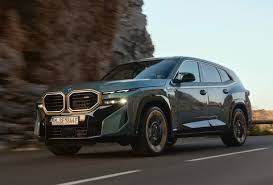
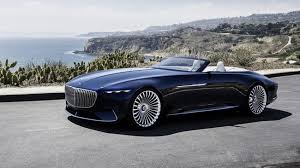

Bugatti Tourbillon – 277 mph (446 km/h)
The name Bugatti evokes a lineage of speed, luxury, and unparalleled engineering. In 2025, the brand continues its storied tradition with the introduction of the Tourbillon, a successor that not only carries the spirit of its iconic forebears like the Veyron and Chiron but propels it into a new era of luxury hybrid hypercar performance. The Tourbillon, named after the intricate mechanism in high-end watches, symbolizes Bugatti’s dedication to mechanical artistry and precision.
Powering this magnificent machine is a truly unique 8.3-liter naturally aspirated V16 engine, paired with three electric motors to create a potent hybrid powertrain that collectively churns out an incredible 1,800 horsepower. This allows the Tourbillon to launch from 0 to 60 mph in under 2.0 seconds, transforming its substantial $3.2 million price tag into an investment in a multi-million dollar supercar that blends classic automotive grandeur with future-forward technology.
The Tourbillon’s design is unmistakably Bugatti – elegant, muscular, and aerodynamically refined. It represents a significant evolution, especially considering Bugatti’s recent integration into the Rimac Group. With a confirmed top speed of 277 mph, the Tourbillon is not just fast; it’s a statement of sophistication and power. Given Bugatti’s history of releasing even faster iterations, like the Chiron Super Sport 300+, it wouldn’t surprise seasoned observers to see a more extreme version of the Tourbillon emerge in the coming years, further solidifying its Bugatti engineering legacy.
Hennessey Venom F5 – 272 mph (438 km/h)
The team at Hennessey Performance Engineering in Texas has been relentlessly pursuing the holy grail of automotive speed – 300 mph – and in 2025, their efforts with the Venom F5 continue to impress. This Texas-built hypercar is a pure, uncompromised machine designed from the ground up to achieve maximum velocity, embodying a no-frills, power-first philosophy that has become Hennessey’s signature.
The heart of the Venom F5 is what Hennessey affectionately calls “Fury,” a monstrous 6.6-liter twin-turbocharged V8 engine. This bespoke powerplant delivers an astonishing 1,817 horsepower and 1,617 Nm of torque, making it one of the most potent internal combustion engines ever fitted to a road car. Such immense power translates into brutal acceleration, with the F5 rocketing from 0 to 60 mph in a blistering 2.6 seconds.
While Hennessey’s ultimate target of over 300 mph remains a driving force for the program, the Venom F5 has already achieved a verified top speed of 272 mph, a figure that places it firmly among the fastest vehicles on the planet. Its lightweight carbon fiber monocoque chassis and aerodynamically optimized body are all designed to minimize drag and maximize stability at extreme speeds. The Venom F5 is a defiant roar from America, proving that bespoke engineering and a singular focus on speed can produce a vehicle capable of challenging the world’s best, making it a compelling piece for any Hennessey performance tuning enthusiast.
Bugatti Mistral – 270 mph (435 km/h)
The Bugatti Mistral isn’t just a hypercar; it’s a poignant farewell, a stunning homage to one of the most iconic engines in automotive history. As the last W16 Bugatti ever produced, this roadster represents the culmination of an era, marrying the brand’s legendary 8.0-liter quad-turbocharged W16 engine with the unparalleled sensation of open-top motoring. In 2025, it proudly holds the title of the fastest convertible hypercar in the world, a truly singular achievement.
The Mistral’s W16 engine, in its ultimate iteration, unleashes 1,600 horsepower and an equal 1,600 Nm of torque. This immense power is seamlessly delivered to all four wheels via a sophisticated seven-speed automatic gearbox. The engineering challenge of creating a convertible capable of maintaining such structural rigidity and aerodynamic stability at 270 mph cannot be overstated. Every element, from the redesigned air intakes to the unique X-shaped taillights, serves a purpose in delivering both performance and aesthetic brilliance.
Driving the Mistral at its blistering top speed, with the wind literally rushing through your hair, must be one of the most incredible sensory experiences imaginable. It’s a testament to Bugatti’s commitment to both extreme performance and uncompromising luxury, making it an instant collector’s item and a significant convertible hypercar investment. This isn’t just a car; it’s a piece of automotive history, celebrating a legendary engine before the brand fully embraces an electrified future.
Rimac Nevera R – 267 mph (430 km/h)
Croatia’s Rimac Automobili continues to redefine what an electric vehicle can be, and in 2025, the Nevera R stands as the ultimate expression of their Croatian EV performance prowess. Building upon the already mind-boggling capabilities of the standard Nevera, the “R” variant pushes the boundaries of next-gen electric hypercars to an entirely new level, demonstrating how quickly EV technology is advancing in the high-performance sector.
The Nevera R, like its predecessor, employs four independent electric motors, one for each wheel, but here their combined output has been boosted from an already staggering 1,914 horsepower to an even more insane 2,107 horsepower. This translates into jaw-dropping acceleration: the Nevera R rockets from 0 to 60 mph in an almost unbelievable 1.7 seconds, a figure that challenges the very physics of traction.
Its top speed has also been increased from 256 mph to a formidable 267 mph, making it one of the fastest electric vehicles on the planet. Rimac’s expertise in battery technology, power management, and carbon fiber construction is evident in every aspect of the Nevera R. It’s not just about straight-line speed; the Nevera R’s torque vectoring system and advanced aerodynamics ensure it’s equally capable on a track, delivering unprecedented agility and control. The Nevera R isn’t just a car; it’s a technological statement, showcasing the immense, still-unfolding potential of electric powertrains in the hypercar segment.
Aspark Owl – 256 mph (413 km/h)
The Aspark Owl, a striking creation from a small-volume Japanese hypercar maker, might not be as widely recognized as its European counterparts, but its performance figures in 2025 speak for themselves. This sleek EV, developed with an unwavering focus on aerodynamic efficiency and rapid acceleration, is a testament to innovative Japanese electric hypercar engineering.
The Owl is powered by four electric motors that collectively produce an immense 1,953 horsepower. This electric powertrain propels the car from 0 to 60 mph in a blisteringly quick 1.7 seconds, placing it among the elite in terms of pure acceleration. Its ultra-low drag design, characterized by an incredibly low profile and flowing lines, allows it to achieve a top speed of 256 mph.
While the standard Owl is a road-legal marvel, Aspark has also developed an even faster, track-focused version called the Owl SP600, which has achieved a staggering 272 mph. However, this extreme variant sacrifices road legality for ultimate speed. The Aspark Owl represents a niche but highly impactful player in the electric vehicle speed records arena, demonstrating that even smaller manufacturers can push the boundaries of performance with focused engineering and innovative design.
McLaren Speedtail – 250 mph (402 km/h)
The McLaren Speedtail isn’t a hypercar born purely from the chase for outright speed records; rather, it’s a “Hyper-GT” – a fusion of extreme performance and unparalleled luxury, designed for a different kind of fast. Nevertheless, in 2025, its 250 mph top speed makes it the fastest road car McLaren has ever produced, a remarkable achievement that underscores its aerodynamic brilliance and engineering prowess.
This three-seat successor to the legendary McLaren F1 embodies what McLaren calls “Ultimate Series” performance. Its distinctive teardrop shape, extended rear, and lack of traditional drag-inducing wings are all part of its radical aerodynamic efficiency design. The Speedtail looks less like a car and more like something ripped from a futuristic cyberpunk film, boasting an incredibly slippery bodywork that minimizes air resistance.
Under the elongated hood lies a 4.0-liter twin-turbocharged V8 hybrid powertrain, delivering a combined 1,070 horsepower. This setup allows the Speedtail to accelerate from 0 to 186 mph (300 km/h) in a mere 11.5 seconds. The central driving position, flanked by two passenger seats, provides a unique and immersive driving experience. For collectors seeking a vehicle that blends McLaren Hyper-GT luxury with record-setting speed and an iconic lineage, the Speedtail remains a truly special machine.
Koenigsegg Regera – 250 mph (402 km/h)
Matching the McLaren Speedtail in top speed, the Koenigsegg Regera stands as another testament to the Swedish brand’s ingenious engineering, holding its own as a unique and innovative hybrid supercar. The Regera, which translates to “to reign” in Swedish, offers a more luxurious and refined grand touring experience compared to its track-focused siblings, while still delivering mind-bending performance.
At its core, the Regera features a twin-turbocharged 5.0-liter V8 engine paired with three electric motors, collectively producing a total system output of 1,500 horsepower and a staggering 2,000 Nm of torque. However, what truly sets the Regera apart, and makes it an innovative hybrid supercar, is its revolutionary Koenigsegg Direct Drive (KDD) system. Unlike any other car on this list, the Regera largely dispenses with a traditional gearbox. Instead, it uses a direct-drive system that sends power directly from the engine and electric motors to the rear wheels through a single fixed gear.
This means whether you’re cruising at 30 mph or pushing toward its 250 mph top speed (on a closed course, of course), you remain in the same gear. This innovative approach simplifies the powertrain, reduces weight, and provides incredibly smooth, instant acceleration. The Regera combines hypercar performance with luxury amenities and a groundbreaking powertrain, making it a compelling choice for those interested in Koenigsegg Direct Drive technology and a unique performance car ownership experience.
Aston Martin Valkyrie – 250 mph (402 km/h)
From its appearance alone, one might question if the Aston Martin Valkyrie is truly road-legal. Designed in collaboration with Red Bull Racing’s legendary F1 designer Adrian Newey, this machine blurs the lines between a full-blown Le Mans prototype and a street-legal hypercar. In 2025, it stands as a testament to radical Formula 1 road car engineering, delivering an unparalleled driving experience.
Mounted directly behind the driver is a naturally aspirated 6.5-liter V12 engine, developed with Cosworth, which on its own produces over 1,000 horsepower. This internal combustion engine is augmented by a hybrid system, bringing the total output to a breathtaking 1,160 horsepower. With a dry weight of just over a tonne, the Valkyrie boasts an insane power-to-weight ratio. This allows it to rocket from 0 to 60 mph in a blistering 2.5 seconds, all while generating incredible downforce through its intricately sculpted bodywork.
Every element of the Valkyrie, from its massive underfloor tunnels that create immense ground effect to its exposed carbon fiber components, is designed for aerodynamic efficiency and lightweight construction. It’s a highly bespoke, track-focused machine that happens to be street legal, offering an Aston Martin bespoke engineering masterpiece for the most discerning and daring enthusiasts. The Valkyrie is not just a car; it’s an extreme engineering exercise, pushing the boundaries of what’s possible in a road-going vehicle.
Top Performance Cars for the Discerning Driver in 2025
While the hypercar elite chases astronomical top speeds, there’s a vibrant segment of the market dedicated to more attainable, yet still incredibly potent, performance vehicles. These are the cars that deliver a thrilling experience, impressive speeds, and often surprising levels of practicality, making them ideal for the enthusiast who wants to enjoy high performance on a regular basis. These premium performance vehicles offer a blend of luxury, power, and everyday usability that defines the sophisticated performance car market trends 2025.
Mercedes-AMG GT – 196 mph (315 km/h)
The latest iteration of the Mercedes-AMG GT, a definitive luxury sports coupe, continues to refine and elevate everything that made its predecessor a driver’s favorite. In 2025, it stands as a sublime blend of breathtaking aesthetics, engaging dynamics, and impressive performance. It’s not just a beautiful car; it’s a genuinely fun machine to pilot, offering a balance that few other supercars can match.
Powering the AMG GT is a potent 4.0-liter twin-turbocharged V8 engine, delivering 585 horsepower and an equally thunderous soundtrack. This powerplant is paired with a sophisticated drivetrain that allows for rapid acceleration and a top speed of 196 mph. What sets the AMG GT apart is its dual nature: capable of thrilling track days, yet comfortable enough for long-distance grand touring. Its luxurious interior, packed with advanced technology, ensures that high-speed journeys are undertaken in utmost comfort and style. It’s a compelling choice for those seeking a practical yet exhilarating high-performance GT car.
Alfa Romeo Giulia Quadrifoglio – 191 mph (307 km/h)
For enthusiasts who crave emotion, raw power, and a direct connection to the road, the Alfa Romeo Giulia Quadrifoglio remains a ballistic saloon car that refuses to be ignored in 2025. This Italian masterpiece delivers a truly visceral experience, making it a standout in the performance sedan segment.
Under its sculpted hood lies a twin-turbocharged 2.9-liter V6 engine, derived from Ferrari, which delivers a stonking 510 horsepower. All of this power is sent exclusively to the rear wheels, making for an exhilarating, tail-happy driving dynamic when pushed. With enough road, the Quadrifoglio will surge to a top speed of 191 mph. But speed isn’t its only virtue; it’s the way it communicates with the driver, the sharpness of its steering, and the glorious howl from its exhaust that truly captivate. In a world of increasing electrification, the Quadrifoglio offers an unadulterated, characterful combustion experience that also happens to be practical enough for daily duties, ensuring you can “embarrass the kids” on the school run with its raucous charm.
BMW M8 Competition – 190 mph (306 km/h)
The BMW M8 Competition is a seriously impressive grand tourer, equally at home dominating a track as it is effortlessly crossing continents. In 2025, it embodies the pinnacle of luxury performance coupes from Munich, offering a potent blend of speed, luxury, and advanced technology.
Propelling the M8 Competition is a 4.4-liter twin-turbocharged V8 engine, generating 625 horsepower and a mighty torque curve. This power, delivered through an xDrive all-wheel-drive system (with a rear-wheel-drive mode for purists), ensures formidable grip and acceleration. With the optional M Driver’s Pack, the M8 Competition can reach an impressive top speed of 190 mph. Far from being a stripped-out racer, the M8 Competition is laden with luxurious touches, featuring a sophisticated infotainment system, premium materials, and genuinely comfortable seating, making it an ideal choice for high-speed touring without compromise.
Audi RS7 Performance – 174 mph (280 km/h)
If the BMW M8 doesn’t quite resonate, the Audi RS7 Performance offers a compelling, sophisticated alternative in the performance sportback category. As a distinctive GT car, it combines aggressive styling with a powerful engine and Audi’s renowned Quattro all-wheel-drive system.
Under the hood, the RS7 Performance shares a similar 4.0-liter twin-turbocharged V8 engine with its Ingolstadt brethren, producing a healthy 630 horsepower. While its electronically limited top speed of 174 mph (without optional dynamic packages) can’t quite match the M8’s ultimate velocity, the RS7 often proves to be quicker in real-world scenarios, thanks to its superior traction off the line. We’ve seen it emerge victorious over the quarter-mile against rivals like the M8, sometimes by nearly half a second. Its aggressive stance, opulent yet technologically advanced interior, and four-door practicality make it a versatile choice for those seeking a potent and stylish everyday performance car.
Lexus LC500 – 168 mph (270 km/h)
For those seeking a refreshing, slightly left-field alternative to the dominant German GT cars, the Lexus LC500 in 2025 remains a gorgeous coupe with a unique character. It embodies a blend of exquisite Japanese luxury and traditional V8 power, making it a truly captivating choice among premium grand tourers.
What truly defines the LC500 is its naturally aspirated 5.0-liter V8 engine, producing 471 horsepower. In an era dominated by turbochargers and electrification, the LC500’s sonorous V8 offers a sublime, linear power delivery and a glorious soundtrack that is increasingly rare. This engine, paired with a smooth 10-speed automatic transmission, propels the car from 0 to 60 mph in 4.6 seconds and onto a top speed of 168 mph. The interior is a beautifully crafted, serene place, perfect for eating up motorway miles in comfort and style. The Lexus LC500 offers a distinct and rewarding experience for those who appreciate design, craftsmanship, and the soulful roar of a naturally aspirated engine in their luxury sports car.
The Relentless Pursuit of Speed and Innovation
In 2025, the automotive world is a vibrant tapestry of extreme performance, blending the visceral thrill of traditional combustion power with the groundbreaking potential of electric propulsion. We’ve witnessed a Chinese EV break new ground, an American V8 defy physics, and European legends continue their reign. Each of these machines, whether a record-breaking hypercar or a high-performance luxury GT, represents the pinnacle of human ingenuity and a relentless passion for speed.
The landscape is constantly evolving, with new technologies and audacious ambitions shaping what’s possible. What’s clear is that the pursuit of ultimate speed is far from over; it’s accelerating into an exciting, unpredictable future.
Ready to experience the thrill of cutting-edge automotive engineering? Explore more about these incredible machines, delve into their technologies, and find out how you can be part of this exhilarating future. Your next drive awaits.