
The Ultimate German Showdown: BMW vs. Mercedes-Benz – Navigating the Luxury Landscape of 2025
As someone who has navigated the ever-evolving currents of the luxury automotive market for over a decade, I’ve witnessed countless brands vie for supremacy. Yet, through technological revolutions, economic shifts, and changing consumer tastes, one rivalry consistently defines the pinnacle of premium motoring: BMW versus Mercedes-Benz. These two German titans aren’t just car manufacturers; they are cultural touchstones, engineering powerhouses, and the standard-bearers for what a luxury vehicle should be. Heading into 2025, their contest remains as fierce and fascinating as ever, shaped by electrification, advanced AI, and the relentless pursuit of driving perfection.
For years, the narrative was clear: BMW, “The Ultimate Driving Machine,” championed exhilarating performance and driver engagement, while Mercedes-Benz epitomized unparalleled comfort, stately elegance, and groundbreaking interior opulence. While these core identities still hold threads, the lines have blurred considerably. Both brands have encroached upon the other’s traditional territory, pushing innovations in every conceivable segment. The discerning buyer of 2025 faces a nuanced decision, one where personal priorities—be it electrifying performance, sanctuary-like comfort, cutting-edge digital integration, or long-term value—will ultimately tip the scales.
Let’s dissect this enduring rivalry, segment by segment, to illuminate where each German marque truly shines in the anticipated 2025 landscape.
Luxury Compact SUVs: Where Utility Meets Agility
The compact luxury SUV segment continues to be a crucial battleground, attracting a broad demographic looking for versatility without sacrificing prestige. By 2025, expect even more refined powertrains, increasingly sophisticated infotainment, and heightened sustainability efforts from both brands.
BMW’s Edge: BMW’s offerings here, notably the X3 and its fastback sibling, the X4, are projected to maintain their dominance. The X3, in its anticipated 2025 iteration, will likely build on its reputation for a supremely balanced driving experience. Its athletic chassis, responsive steering, and potent engine options—including increasingly efficient mild-hybrid and robust plug-in hybrid variants—make it a driver’s delight. The interior of the X3 is expected to offer a more driver-centric cockpit, sophisticated materials, and an intuitive iDrive system that seamlessly integrates with digital lifestyles. For those prioritizing engaging dynamics alongside practicality, the X3 remains a compelling choice.
Mercedes-Benz’s Stand: Mercedes-Benz counters with the GLB and GLC. The GLB, with its unique boxy profile, is a masterclass in packaging efficiency, offering an optional third row—a rare find in this class—that caters to growing families. The GLC, on the other hand, prioritizes classic Mercedes elegance, offering a plush, meticulously crafted cabin, refined ride quality, and a user-friendly MBUX infotainment system that feels more integrated and less imposing than some rivals. Its mild-hybrid powertrains are expected to be further optimized for efficiency and smooth power delivery in 2025. While the GLC offers a more serene and luxurious experience, it often can’t quite match the X3’s raw driver engagement.
Verdict: BMW. For the 2025 model year, BMW is poised to retain its lead in the compact luxury SUV space. Its commitment to dynamic performance combined with practical, upscale interiors and a broader range of engaging powertrains continues to resonate with buyers who value an immersive driving experience.
Luxury Electric Cars: The Silent Revolution Accelerates
The luxury electric car market is exploding, and by 2025, BMW and Mercedes-Benz will have significantly broadened their EV portfolios, moving beyond mere compliance to offering truly compelling electric alternatives to their ICE counterparts. The focus will be on range, charging speed, and seamless digital integration.
BMW’s Edge: BMW has made significant strides in electric luxury. The i7, the all-electric flagship, is more than just an electric 7 Series; it’s a statement of future luxury, anticipated to push boundaries with its bold styling, advanced digital cockpit, and staggering performance figures. Its range and charging capabilities are expected to be highly competitive, addressing common “range anxiety.” The i4 also impresses, offering a sporty, engaging electric sedan experience that echoes BMW’s traditional performance ethos, proving that electric doesn’t mean sacrificing exhilaration. BMW’s strategy for 2025 involves naturally integrating electric powertrains into its established model lines, offering familiarity alongside innovation.
Mercedes-Benz’s Stand: Mercedes-Benz has embraced a dedicated electric sub-brand, EQ, with models like the EQE Sedan and EQS Sedan. By 2025, these vehicles will have matured, offering even more refined driving dynamics and cabins that are sanctuaries of comfort and digital extravagance. The Hyperscreen, a dominant feature in higher trims, will likely see further AI enhancements, making the MBUX system incredibly intuitive and predictive. While their ride quality is often more serene and their interiors more overtly luxurious, Mercedes’s EV naming convention can still be a bit muddled, and some models might trail slightly in overall efficiency or dynamic appeal compared to BMW’s more performance-oriented EVs.
Verdict: BMW. BMW’s approach to electrification, building on its “Ultimate Driving Machine” heritage while embracing cutting-edge EV technology, gives it an edge in offering a more engaging and diverse electric car lineup that appeals to traditional enthusiasts now seeking electric power. The projected updates to the i4 and i7 will solidify this position.
Luxury Electric SUVs: Electrifying the Family Hauler
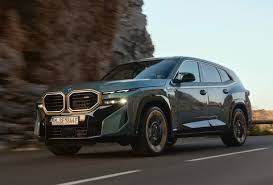
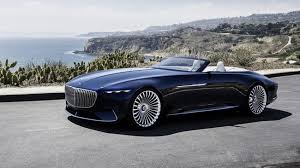
As the shift to electric vehicles gains momentum, luxury electric SUVs are becoming increasingly popular for families and individuals seeking zero-emission driving without compromising on space or premium features. 2025 will see these models refine their propositions significantly.
BMW’s Edge: The BMW iX, already a strong contender, is expected to receive iterative updates for 2025 that further enhance its already impressive package. Its distinctive styling, powerful acceleration, and a tech-forward interior that blends minimalist design with advanced functionality are key differentiators. The iX’s spacious cabin and generous cargo capacity make it a practical choice, while its handling remains surprisingly nimble for its size. BMW’s commitment to user-friendly interfaces and robust software updates will likely keep the iX at the forefront of the segment.
Mercedes-Benz’s Stand: Mercedes-Benz offers a broader, though sometimes confusing, range of electric SUVs: the EQB, EQE SUV, and EQS SUV. By 2025, the EQE SUV and EQS SUV will have cemented their positions as comfortable, refined, and technologically advanced options. Their interiors are where Mercedes truly shines, offering an unparalleled sense of luxury and digital immersion. However, some models, like the EQB, might still struggle with cargo space relative to rivals, and while the ride is plush, they might not offer the same level of driver engagement as the iX. The premium pricing of the EQS SUV can also be a barrier for some.
Verdict: BMW. The iX’s holistic package of strong performance, cutting-edge technology, and practical design is anticipated to give BMW the lead in the luxury electric SUV segment for 2025. It strikes a better balance between innovation, driver satisfaction, and utility.
Luxury Large Cars: The Flagship Experience
For decades, the full-size luxury sedan has been the ultimate statement of automotive prestige and engineering prowess. In 2025, these vehicles will continue to define the pinnacle of comfort, technology, and status, albeit with an increasing emphasis on sustainable luxury and digital integration.
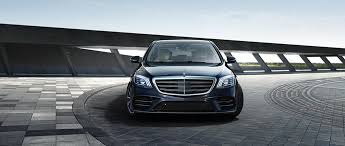
Mercedes-Benz’s Edge: The S-Class remains the undisputed gold standard here. By 2025, the S-Class is expected to further cement its legacy with even more advanced predictive suspension systems, unparalleled cabin insulation, and an MBUX infotainment system that borders on telepathic in its responsiveness. It’s a masterclass in passenger comfort, offering rear-seat accommodations that rival private jets. The S-Class isn’t just a car; it’s a sanctuary, a mobile office, and a statement of refined taste. Its subtle power and unwavering composure make every journey an event. High CPC keywords like “executive sedan features” and “premium chauffeur service vehicle” directly align with its market position.
BMW’s Stand: BMW’s 7 Series, especially its upcoming 2025 iterations, will undoubtedly be a formidable competitor. It has embraced bolder styling and a highly digitized interior, offering a modern interpretation of luxury. While it can’t quite match the S-Class’s sheer comfort and isolation, the 7 Series traditionally offers a more engaging driving experience for those who prefer to be behind the wheel rather than chauffeured. Its powerful inline-six and V8 engines, along with performance-oriented hybrid options, provide an exhilarating drive. However, its design language has sometimes been polarizing, and its iDrive system, while powerful, can have a steeper learning curve for new users.
Verdict: Mercedes-Benz. The S-Class’s enduring legacy as the benchmark for luxury, comfort, and technological sophistication will keep it firmly at the top of the luxury large car segment in 2025. For the ultimate in serene, opulent travel, it remains unmatched.
Luxury Large SUVs: Grandeur and Capability
The large luxury SUV segment is about more than just size; it’s about commanding presence, generous space for multiple passengers, robust capability, and an undeniable aura of luxury. For 2025, these behemoths will continue to offer power, prestige, and advanced connectivity.
BMW’s Edge: The BMW X7 is projected to continue its strong run in 2025. It successfully translates the best attributes of BMW’s SUV lineup into a grand, three-row package. Its sharp design, finely crafted interior with exceptional first and second-row comfort, and a wide array of powerful and efficient powertrains (including performance-oriented M variants) make it a top contender. The iDrive system, while requiring some familiarity, offers extensive control over the vehicle’s functions. The X7 truly embodies a “driver’s large SUV,” offering surprising agility for its size.
Mercedes-Benz’s Stand: Mercedes-Benz offers the GLS and the iconic G-Class. The GLS is the direct competitor to the X7, offering a supremely refined ride, a sumptuously appointed cabin, and an advanced MBUX system. It prioritizes comfort and elegance, making it an excellent choice for long journeys. The G-Class, or G-Wagen, is a different beast entirely—a rugged, off-road legend that has become a luxury icon. While its capabilities off-road are unmatched, its on-road refinement and passenger comfort, particularly at speed, can’t quite match the X7 or GLS. Its heritage and exclusivity are its primary draws, making it a niche, albeit highly desirable, choice.
Verdict: BMW. The X7’s blend of luxurious comfort, engaging driving dynamics, and family-friendly utility ensures its victory in the traditional large luxury SUV category for 2025. It’s the more well-rounded package for the vast majority of premium SUV buyers.
Luxury Midsize Cars: The Heart of the Executive Segment
The midsize luxury sedan has long been a core offering for both brands, blending performance, luxury, and practicality for the executive class. By 2025, these vehicles will be even more technologically advanced, efficient, and personalized.
BMW’s Edge: BMW’s 5 Series, particularly its redesigned 2024 model carrying into 2025, is a testament to evolution. While some purists might debate the “ultimate driving machine” mantra in its latest iteration, it remains a highly capable and luxurious sedan. Its range of potent engines, including compelling hybrid and electric (i5) variants, provides diverse options. The cabin is sophisticated, with the latest iDrive iterations and advanced driver-assistance systems (ADAS) enhancing both safety and convenience. The 5 Series retains a sportier edge than its Mercedes counterpart, appealing to those who still enjoy a spirited drive on occasion.
Mercedes-Benz’s Stand: The Mercedes-Benz E-Class is often considered the segment’s cornerstone. In 2025, it is expected to continue its tradition of offering a remarkably comfortable and refined ride, a breathtakingly high-tech cabin, and an extensive suite of safety and driver-assistance technologies. Its interior often feels more overtly luxurious, with a focus on serene ambiance and high-quality materials. The MBUX system in the E-Class is expected to be further integrated, offering an intuitive and feature-rich experience. Mercedes also offers the elegant CLE coupe and cabriolet, appealing to a style-conscious demographic.
Verdict: Tie. This segment remains too close to call for 2025. The 5 Series offers a slightly more engaging drive with its inherent athleticism and a broader range of powertrains including pure EV. The E-Class counters with its unmatched comfort, superior interior opulence, and a more user-friendly digital interface. The choice hinges entirely on whether a buyer prioritizes dynamic driving or serene luxury.
Luxury Midsize SUVs: The Everyday Premium SUV
This segment is crucial for volume and widespread appeal, offering a balance of luxury, practicality, and manageable size. Expect continued innovation in hybrid powertrains, interior connectivity, and safety for 2025.
Mercedes-Benz’s Edge: The Mercedes-Benz GLE-Class is expected to maintain its strong position in 2025. Its spacious, meticulously crafted cabin effortlessly blends modern technology with traditional luxury. The ride quality is superb, soaking up road imperfections with ease. Updates to its infotainment system and the availability of sophisticated plug-in hybrid models underscore its commitment to refined, efficient luxury. The GLE offers an intuitive balance of features and comfort without feeling overwhelming, solidifying its appeal to a wide range of luxury SUV buyers.
BMW’s Stand: The BMW X5 is an equally revered vehicle in this class, and its 2025 iterations are anticipated to further refine its upscale interior and maintain its characteristic athletic handling. It’s often considered the sportier choice, appealing to those who desire a more connected feel to the road. Advanced features like active lane-change assist will enhance its already comprehensive ADAS suite. The X6, its coupe-SUV sibling, offers a more distinct design for those seeking to make a bolder statement.
Verdict: Mercedes-Benz. While the X5 is an exceptional vehicle, the GLE’s ability to blend spacious comfort, cutting-edge yet intuitive technology, and a truly refined driving experience gives it a slight edge for the overall luxury midsize SUV buyer in 2025. Its market presence and consistent quality are hard to beat.
Luxury Small Cars: Entry Point to German Excellence
These compact luxury sedans and coupes serve as the entry point into the German luxury stable, offering a taste of premium driving dynamics and sophisticated interiors without the larger price tag. By 2025, they’ll be even more connected and efficient.
BMW’s Edge: The BMW 3 Series, long a benchmark for small luxury sport sedans, will continue its reign into 2025. It remains incredibly fun to drive, boasting powerful engines, precise steering, and a well-balanced chassis. Its interior, while perhaps not as overtly opulent as some Mercedes counterparts, is ergonomic, spacious for its class, and features BMW’s latest iDrive system. BMW also offers the sporty 2 Series coupe and the versatile 4 Series (coupe, convertible, Gran Coupe), providing a broad appeal for those seeking performance and style.
Mercedes-Benz’s Stand: The Mercedes-Benz C-Class is a formidable competitor, offering a more comfort-oriented experience with an interior that draws inspiration from the S-Class. Its ride is generally smoother, and its MBUX infotainment system is intuitively designed and visually stunning. Mercedes also offers the nimble CLA, which packs a lot of tech and design flair into a compact package. However, the C-Class, while comfortable, often doesn’t quite match the sheer driver engagement that defines the 3 Series.
Verdict: BMW. For enthusiasts seeking a genuinely engaging and rewarding driving experience in a compact luxury package, the BMW 3 Series and its siblings will continue to set the standard in 2025. Its blend of performance, practicality, and driver focus is tough to beat.
Luxury Sports Cars: Precision vs. Grand Touring
In the realm of luxury sports cars, the choice boils down to a fundamental philosophical difference: raw, unadulterated performance versus sophisticated, high-speed grand touring. By 2025, both brands will offer compelling options, some with increasing electrification.
BMW’s Edge: BMW’s M division is a legend, and for 2025, its performance variants—the M2, M3, and M4—are expected to continue delivering exhilarating experiences. The M2, in particular, harks back to BMW’s pure performance heritage, offering a compact, incredibly agile, and powerful driving machine. The M3 and M4 are renowned for their track capability and daily drivability. For those seeking open-air exhilaration, the Z4 roadster remains a stylish and engaging option. BMW’s focus is on surgical precision and driver connection.
Mercedes-Benz’s Stand: Mercedes-Benz, through its AMG division, offers dedicated sports cars like the GT and the luxurious SL roadster. The GT is an exciting, potent machine designed for pure driving thrills, often with a more aggressive V8 rumble. The SL, on the other hand, embodies a more grand-touring philosophy: a luxurious droptop designed for comfortable, high-speed travel with power on demand. While thrilling, Mercedes’s sports cars often lean slightly more towards luxurious cruising with immense power rather than BMW’s razor-sharp track focus.
Verdict: BMW. If pure, unadulterated performance and driver engagement are the paramount concerns, BMW’s M division vehicles, especially the M2, are anticipated to hold the edge in 2025. They offer a more direct and visceral connection to the road.
Luxury Subcompact SUVs: Small Footprint, Big Ambition
This growing segment caters to urban dwellers or those seeking a premium badge and elevated driving position in a highly maneuverable package. For 2025, expect these to be packed with tech and efficient powertrains.
BMW’s Edge: The BMW X1 is expected to continue leading the subcompact luxury SUV rankings for 2025. It maximizes its compact footprint with a surprisingly spacious, well-crafted cabin and a generous list of standard features. Its handling strikes an excellent balance between comfort for city driving and responsiveness when the road opens up. The X2, a more coupe-like variant, offers a sportier aesthetic, though with slightly reduced cargo capacity. BMW’s practical yet premium approach shines here.
Mercedes-Benz’s Stand: The Mercedes-Benz GLA is a fun-to-drive subcompact SUV with an upscale cabin, but it often falls mid-pack in comparison to its rivals. While it boasts Mercedes’s signature interior design and technology, it can sometimes lack the overall refinement and cargo space of the X1. It’s an attractive option, but perhaps not the standout in its class.
Verdict: BMW. The X1’s comprehensive package, blending smart design, practical space, and a rewarding driving experience, is anticipated to keep it at the top of the luxury subcompact SUV segment in 2025.
Overarching Considerations for 2025
Beyond individual segments, several factors shape the overall appeal and long-term value of these luxury vehicles.
Safety: The Uncompromised Priority
For 2025, both BMW and Mercedes-Benz will continue to push the boundaries of automotive safety. Their lineups are expected to feature increasingly sophisticated Advanced Driver-Assistance Systems (ADAS), moving closer to fully autonomous driving capabilities in specific scenarios. Technologies like predictive collision avoidance, enhanced lane-keeping assist, and adaptive cruise control with stop-and-go functionality will be standard or widely available. While independent crash test ratings for all 2025 models are pending, both brands have consistently achieved top safety marks, and this trend is expected to continue. BMW typically scores marginally better across a wider range of models, giving it a slight advantage in overall portfolio safety.
Verdict: BMW. Consistently high scores across its diverse range of models, including its core sedans and SUVs, indicate BMW’s slightly broader and more comprehensive safety leadership for 2025.
Performance: The Thrill of the Drive
Performance isn’t just about horsepower; it’s about the holistic driving experience: steering feel, chassis dynamics, braking, and the seamless delivery of power. By 2025, this will encompass both combustion and electric powertrains. BMW’s reputation as “The Ultimate Driving Machine” is well-earned, and its performance ethos permeates nearly every model, from the agile 3-Series to the luxurious 7-Series, and critically, its electric i-models. The i4, i7, and iX are proving that electric power can be incredibly engaging. Mercedes-Benz also offers thrilling performance, particularly in its AMG models, and vehicles like the S-Class and EQS sedan deliver impressive power with sublime refinement. However, its entry-level models sometimes prioritize value over dynamic prowess.
Verdict: BMW. Across its entire lineup, BMW consistently delivers a more engaging and driver-focused performance experience. For 2025, this distinction is expected to hold firm, even with the rise of electrification.
Reliability & Ownership Value: The Long-Term Equation
Reliability in luxury vehicles is crucial for long-term ownership satisfaction and resale value. While both brands offer robust engineering, nuances exist. By 2025, predicted reliability scores, often influenced by the complexity of new technologies, will be key indicators. BMW has shown improving and more consistent reliability scores across its broader model range, with many core models like the X1, X3, 2 Series, and 7 Series achieving “Great” ratings. Mercedes-Benz also fields reliable models, particularly the E-Class and GLE, but its scores can be more varied across its diverse portfolio, and the sheer volume of new tech in some models could introduce initial complexities. Both brands offer competitive four-year/50,000-mile warranties, with Mercedes-Benz offering a slightly longer battery warranty for its EVs.
Verdict: BMW. Based on current trends and the breadth of models reporting strong reliability, BMW is projected to offer slightly more consistent and broadly reliable vehicles across its lineup in 2025, contributing positively to ownership costs and resale value—important considerations for “luxury car maintenance costs” and “premium car financing.”
Interior: The Personal Sanctuary
If BMW excels in performance, Mercedes-Benz defines the benchmark for interior luxury. By 2025, this distinction will be even more pronounced. Mercedes-Benz consistently crafts cabins that are true masterpieces of design, material quality, and ambiance. Whether it’s the GLE, GLS, E-Class, or the gold-standard S-Class, the fit, finish, and tactile experience are often unparalleled. The MBUX infotainment system, with its intuitive voice control and stunning displays, creates a deeply immersive and luxurious environment. BMW has made significant strides, with models like the X1, X3, and i7 offering truly outstanding cabins, showcasing excellent build quality and advanced features. However, they generally don’t quite reach the same level of outright opulence and sensory delight that Mercedes-Benz consistently delivers.
Verdict: Mercedes-Benz. For sheer interior comfort, design artistry, material richness, and digital integration that feels both advanced and intuitive, Mercedes-Benz is expected to remain the segment leader in 2025.
The Ultimate Verdict: Navigating Your Luxury Path in 2025
After a comprehensive dive into the anticipated 2025 landscape, the tally reveals a familiar pattern, yet with evolving nuances. While both German powerhouses offer outstanding vehicles, BMW edges out Mercedes-Benz in a greater number of head-to-head categories, particularly in the burgeoning electric vehicle space and segments where driver engagement is paramount.
BMW, “The Ultimate Driving Machine,” has successfully expanded its appeal to offer refined, technologically advanced, and engaging vehicles across almost every segment. Its leadership in performance, consistent safety scores, and growing reliability, combined with a strong offensive in the EV market, positions it as the slightly more versatile and dynamically superior choice for the discerning buyer of 2025.
Mercedes-Benz, on the other hand, continues to redefine luxury and comfort. Its interiors remain world-class, often setting the industry benchmark for opulence, craftsmanship, and intuitive digital experiences. For those who prioritize a serene ride, unparalleled passenger comfort, and a truly majestic cabin, Mercedes-Benz remains the uncontested leader.
Ultimately, the “winner” isn’t universal. It depends entirely on your personal driving philosophy and priorities. Are you seeking the thrill of the drive, even in an SUV or EV? Or do you crave a sanctuary of comfort and elegance on wheels?
Embark on Your 2025 Luxury Journey
The luxury automotive market is more dynamic than ever, with breathtaking innovations arriving faster than ever before. Choosing between BMW and Mercedes-Benz for 2025 is a deeply personal decision, one that requires experiencing these magnificent machines firsthand. We invite you to explore the latest models, understand their technological advancements, and discover which brand truly aligns with your vision of luxury. Connect with a trusted luxury automotive specialist today to schedule a personalized consultation and test drive. Let us help you navigate the nuances and find your perfect premium vehicle for the roads ahead.