
The Grand German Showdown: BMW vs. Mercedes-Benz in 2025
For decades, two names have dominated the premium automotive landscape, setting benchmarks for luxury, engineering, and performance: BMW and Mercedes-Benz. As we navigate the rapidly evolving landscape of 2025, their rivalry is more intense and nuanced than ever. Having spent the last ten years intimately observing, driving, and analyzing the offerings from both Stuttgart and Munich, I can attest that distinguishing between these two titans requires more than a casual glance at a spec sheet. It demands a deep dive into their engineering philosophies, their strategic shifts towards electrification, and their unwavering commitment to delivering an unparalleled luxury experience.
The luxury car market in 2025 is a complex tapestry woven with threads of advanced digital integration, sustainable practices, and an insatiable demand for personalized driving experiences. While both brands continue to produce exceptional vehicles, their paths diverge in subtle yet significant ways, catering to distinct segments of discerning buyers. This isn’t merely a contest of features; it’s a battle for the soul of the luxury automobile. Let’s dissect their current offerings and future trajectories to determine which brand truly stands as the pinnacle of German automotive excellence as we head deeper into the mid-2020s.
Driving Dynamics and Performance: The Heartbeat of the Brand
Historically, this has been BMW’s undisputed territory. “The Ultimate Driving Machine” wasn’t just a marketing slogan; it was a philosophy baked into every chassis, every engine, and every steering rack. In 2025, this legacy continues, albeit with modern adaptations. BMW vehicles, from the iconic 3 Series to the commanding X5, consistently deliver a communicative steering feel, a finely balanced chassis, and powertrains that eagerly respond to driver input. Whether it’s the visceral thrill of a straight-six or the instantaneous torque of an electric motor, BMW engineers prioritize driver engagement. The latest iterations of the M performance lineup, such as the M3 CS and the upcoming electrified M models, push the boundaries of performance with sophisticated adaptive suspensions and precisely tuned electronic aids that enhance, rather than diminish, the driving experience. For enthusiasts seeking genuine connection with the road, BMW driving dynamics 2025 remain a gold standard. Their seamless integration of traditional BMW M performance tuning across various models ensures that even family SUVs like the X5 M deliver exhilarating capability.
Mercedes-Benz, traditionally known for its serene comfort, has significantly sharpened its dynamic edge over the past decade. The influence of Mercedes-AMG is more pervasive than ever, injecting raw power and athletic handling into a broader range of vehicles. While still prioritizing a smooth, isolating ride, especially in models like the E-Class and S-Class, the brand now offers a compelling sporting alternative. Technologies like E-Active Body Control, found in models such as the GLE and GLS, offer a remarkable blend of comfort and agility, actively counteracting body roll and pitch. While the overall feel might be more polished and less raw than a BMW, particularly in non-AMG variants, the driving experience is undeniably refined and capable. The Mercedes-AMG models in 2025, from the potent C63 to the breathtaking GT coupe, are genuine performance machines, proving that Stuttgart can also build thrilling driver’s cars. For those who desire potent power delivered with luxurious composure, Mercedes-Benz has closed the gap significantly.
Winner: BMW still holds a slight edge for pure driver engagement and consistent dynamic prowess across its lineup, especially in its core performance variants.
Interior Luxury and Cutting-Edge Technology: The Cabin Experience
Stepping into a Mercedes-Benz has always been an event. In 2025, this remains undeniably true. Mercedes-Benz interiors continue to define opulence, craftsmanship, and aesthetic brilliance. The materials are consistently first-rate, from supple Nappa leather to exquisite open-pore wood veneers and meticulously finished metal accents. The design language, often characterized by flowing lines, elegant ambient lighting, and artful integration of displays, creates a truly premium and inviting atmosphere. The MBUX infotainment system, particularly the Hyperscreen available in the EQS and EQE, is a technological marvel. Its intuitive voice commands (“Hey Mercedes”), haptic feedback, and stunning visual presentation set a high bar for Mercedes-Benz luxury interiors and MBUX infotainment features. The focus is on a holistic, sensory experience that pampers occupants, making it arguably the benchmark for cabin comfort and luxury.
BMW has made tremendous strides in interior design and technological integration. The shift towards the Curved Display, seamlessly blending the instrument cluster and central touchscreen, is a bold statement. While traditionally more driver-centric and functionally elegant, modern BMW interiors now rival Mercedes-Benz in terms of material quality and innovative features. The latest iDrive system offers crisp graphics, rapid processing, and gesture control, providing a different but equally compelling digital experience. Models like the i7 and X7 boast cabins that are exceptionally well-appointed, spacious, and filled with thoughtful details. The focus here is on a sophisticated, ergonomic environment that empowers the driver while providing ample comfort and premium cabin technology for all passengers. The latest iteration of BMW iDrive features 2025 is remarkably intuitive, making complex operations feel simple.
Winner: Mercedes-Benz maintains its lead in creating truly breathtaking, technologically advanced, and sumptuously comfortable luxury cabins.
The Electric Revolution: EV Strategy and Offerings
The electric vehicle (EV) landscape in 2025 is where both brands are pouring significant resources, reshaping their core identities. BMW has embraced electrification with its “i” sub-brand, integrating EVs directly into its established model lines. The i4 Gran Coupe, i5 sedan, and iX and iX3 SUVs are exemplary, retaining much of the quintessential BMW driving character. The i7, in particular, showcases how BMW can deliver a flagship luxury sedan with formidable luxury EV range and performance, without sacrificing its traditional identity. Their focus is on ensuring their EVs are first and foremost engaging BMWs, leveraging their expertise in power delivery and chassis tuning. Battery technology and efficient motor design are paramount, aimed at maximizing range and minimizing charging times. BMW electric luxury vehicles are designed for drivers who want to electrify their driving experience, not fundamentally change it.
Mercedes-Benz, with its distinct “EQ” sub-brand, has taken a more radical approach to its EV design. The EQE and EQS sedans and SUVs boast unique aerodynamic silhouettes and groundbreaking interior aesthetics (especially with the Hyperscreen). These vehicles prioritize a serene, ultra-quiet, and technologically immersive experience, differentiating themselves distinctly from their ICE counterparts. The Mercedes EQ series 2025 emphasizes pioneering charging solutions, sophisticated battery management, and a seamless digital ecosystem. While range and performance are competitive, the focus is often on an effortless, futuristic luxury experience. Their commitment to building an extensive charging network and offering advanced digital services positions them strongly in the evolving EV ecosystem. For consumers seeking a forward-looking, distinctively electric luxury statement, the EQ line is compelling.
Winner: BMW edges out Mercedes-Benz by more effectively translating its core brand identity and driving dynamics into its EV lineup, offering a seamless transition for loyal customers and attracting new ones who prioritize performance in their electric experience.
SUV Dominance: From Compact to Full-Size
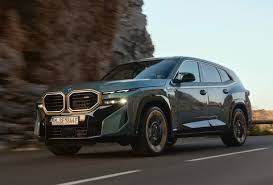
SUVs continue to be the backbone of luxury sales, and both brands offer compelling choices across every size segment. BMW’s X-series lineup, from the agile X1 and X3 to the luxurious X5 and three-row X7, consistently delivers a blend of sporty handling and practicality. The BMW X-series review 2025 highlights their ability to infuse the “Ultimate Driving Machine” ethos into higher-riding vehicles, offering confident steering and strong engine options. The X7, a true full-size luxury SUV, provides impressive space and opulence without completely sacrificing driving dynamics. These are versatile family vehicles that still feel like a BMW.
Mercedes-Benz’s GL-series offers a more comfort-oriented approach to luxury SUVs. The GLA and GLC provide stylish entry points, while the GLE and GLS are paragons of refined family transport. The GLS, a direct competitor to the X7, stands out for its supreme comfort, expansive and impeccably finished interior, and advanced suspension systems that iron out road imperfections. For those seeking the ultimate blend of luxury, space, and a commanding presence, the Mercedes-Benz GLS 2025 is an undeniable leader. And, of course, there’s the iconic G-Wagen, the G-Class, which remains a unique blend of old-school ruggedness and uncompromising luxury – a truly niche vehicle for the adventurous elite. For families prioritizing plush rides and opulent cabins, the Mercedes-Benz SUVs are hard to beat.
Winner: BMW for its consistent translation of driving dynamics into the SUV segment, offering a more engaging experience across the board for the driver.
Sedan Market: The Enduring Legacy
Despite the SUV craze, the luxury sedan remains a powerful statement. BMW’s sedan lineup, from the compact 2 Series and 3 Series to the executive 5 Series and flagship 7 Series, continues to embody its performance heritage. The BMW 3 Series performance remains a benchmark for luxury compact sedans, offering an exhilarating blend of power, agility, and modern technology. The 5 Series strikes an excellent balance between executive comfort and spirited driving, while the 7 Series offers a bold vision of luxury and innovation, particularly with its striking design and advanced tech. BMW sedans are designed for those who appreciate the art of driving.
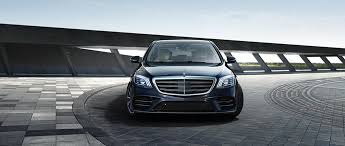
Mercedes-Benz sedans are synonymous with prestige and comfort. The C-Class sets a high bar for entry-level luxury, featuring a miniaturized S-Class interior experience. The E-Class is often considered the segment’s cornerstone, blending sophisticated technology, an exceptionally refined ride, and timeless elegance – a truly balanced and capable executive sedan. The S-Class, however, is a class apart. The Mercedes S-Class 2025 is not merely a car; it’s a mobile sanctuary, setting global standards for luxury, comfort, safety, and technological innovation. Its cabin isolates occupants from the outside world, while its advanced MBUX system and driver-assistance features provide an unparalleled experience. For those who prioritize a smooth, serene, and exquisitely luxurious ride, Mercedes-Benz sedans are the ultimate statement.
Winner: Tie. BMW retains its crown for driver-focused sedans across the board, while Mercedes-Benz, particularly with the S-Class, offers an unmatched level of comfort and technological grandeur in the larger segments.
Sports Cars and Specialty Vehicles: Thrills and Grand Touring
In the realm of dedicated sports cars and specialty models, both brands cater to different types of enthusiasts. BMW’s M division produces some of the most lauded performance vehicles on the planet. The BMW M models horsepower figures are legendary, and cars like the M2, M3, and M4 are precision instruments, built for track days and exhilarating road drives. They offer uncompromising performance, sharp handling, and a raw, visceral connection to the road. The Z4 roadster provides open-air motoring with a strong dose of performance. For the purest expression of driving enthusiasm, BMW’s specialty performance vehicles are hard to ignore.
Mercedes-Benz, through AMG, offers a more diverse range. The iconic Mercedes-AMG GT line provides exotic looks and supercar performance, making it a head-turner and a potent track weapon. The current SL-Class, reimagined as an AMG-developed model, blends luxurious grand touring capabilities with genuine sports car agility, providing a sophisticated top-down experience. While perhaps not as overtly track-focused as some M cars, AMG models deliver immense power and engaging dynamics with a distinctively luxurious and dramatic flair. The luxury grand tourer 2025 segment sees Mercedes-Benz taking a prominent role.
Winner: BMW for its consistent focus on pure, unadulterated performance and driver involvement across its core sports car lineup.
Safety and Driver Assistance Systems: Protecting the Future
In 2025, both BMW and Mercedes-Benz are at the forefront of automotive safety and advanced driver assistance systems (ADAS). Their vehicles routinely achieve top safety ratings from organizations like the IIHS and NHTSA. Both brands offer comprehensive suites of active and passive safety features as standard or available options. This includes advanced adaptive cruise control, lane-keeping assistance, automatic emergency braking, blind-spot monitoring, and sophisticated parking assist features.
Mercedes-Benz often pushes the envelope with features like PRE-SAFE Impulse Side, which prepares occupants for side impacts, and more advanced Level 2+ semi-autonomous driving capabilities, with Level 3 conditionally autonomous driving now becoming available in select markets. Their systems tend to integrate seamlessly and provide a high degree of comfort and confidence.
BMW’s Driving Assistant Professional package is equally comprehensive, offering robust traffic jam assistance and sophisticated highway driving aids. Their systems are known for their precision and reliability, working harmoniously to reduce driver fatigue and enhance safety. The goal for both is not just to prevent accidents but to make the driving experience less stressful and more intuitive. Luxury car safety features 2025 are a shared priority, and both brands excel.
Winner: Tie. Both brands are industry leaders, constantly innovating to enhance safety and autonomy, offering near-identical levels of protection and assistance.
Reliability and Ownership Experience: Beyond the Purchase
When investing in a premium vehicle, long-term luxury car reliability scores and the overall ownership experience are crucial. Over the past decade, both BMW and Mercedes-Benz have seen fluctuations in reliability ratings. However, in 2025, improvements in manufacturing quality and software stability have largely addressed past concerns. J.D. Power surveys often show both brands performing competitively, though individual model scores can vary. BMW has a slightly broader range of models with reported reliability data, and their core models like the 3 Series and X3 consistently score well.
The luxury car maintenance costs for both can be higher than mass-market brands, a natural consequence of sophisticated engineering and premium parts. However, both offer comprehensive warranty programs (typically 4 years/50,000 miles) and extended service plans. For EVs, battery warranties are significant, with Mercedes-Benz offering a 10-year/155,000-mile warranty on its EV batteries, slightly exceeding BMW’s 8-year/100,000-mile offering. BMW reliability ratings 2025 show consistent performance, while Mercedes-Benz long-term ownership is bolstered by strong dealer networks and service excellence. Resale value tends to remain strong for popular models from both manufacturers.
Winner: BMW has a slight edge in broader, more consistent reported reliability across its model range.
The Verdict for 2025: A Choice of Philosophy
After a decade of immersing myself in the world of BMW and Mercedes-Benz, the answer to “Which is better?” remains wonderfully complex. In 2025, both brands offer products of exceptional quality, cutting-edge technology, and unmistakable luxury.
BMW continues to be the choice for the discerning driver. Its vehicles consistently prioritize a dynamic, engaging driving experience, even as they embrace electrification and digital integration. For those who seek a profound connection with the road, who appreciate precise handling, and who value the “Ultimate Driving Machine” philosophy translated across a diverse and increasingly electric lineup, BMW remains the gold standard. Their seamless transition into EVs, retaining the core BMW identity, is particularly commendable.
Mercedes-Benz stands as the arbiter of ultimate luxury and technological innovation, especially within the cabin. For buyers who prioritize a supremely comfortable, aesthetically opulent, and technologically advanced interior experience, coupled with a serene and sophisticated ride, Mercedes-Benz is unparalleled. Its flagship S-Class and the bold new EQ line continue to redefine what a luxury vehicle can be, pushing boundaries in comfort, digital integration, and futuristic design.
Ultimately, the “winner” between BMW and Mercedes-Benz in 2025 isn’t about one brand dominating every single category. It’s about a choice between two distinct philosophies. Do you crave the exhilaration of the drive, or the sanctuary of the cabin? Do you prefer integrated evolution, or radical innovation?
The truth is, both brands are at the pinnacle of automotive excellence. Your ideal choice will depend entirely on your personal priorities, driving style, and what you seek from your premium German automobiles.
Ready to experience the pinnacle of German engineering for yourself? Visit your local BMW or Mercedes-Benz dealership today to explore their 2025 lineups, or explore flexible luxury car lease deals and premium car financing 2025 options to bring your dream vehicle home.