
BMW vs. Mercedes-Benz: The Ultimate 2025 Showdown in Luxury Automotive
For over a century, the automotive world has been captivated by a rivalry that defines premium engineering, cutting-edge innovation, and aspirational luxury: BMW versus Mercedes-Benz. As we navigate the rapidly evolving landscape of 2025, this legendary German showdown intensifies, especially with the accelerating shift towards electrification, advanced autonomous features, and increasingly sophisticated digital ecosystems. As someone who has spent the last decade immersed in the nuances of these magnificent marques, dissecting everything from chassis dynamics to pixel-perfect infotainment, I can tell you this isn’t just about badges; it’s about two distinct philosophies shaping the future of high-end motoring.
In a market saturated with options, BMW and Mercedes-Benz remain the gold standard for discerning buyers seeking unparalleled sophistication, robust performance, and interiors that redefine comfort and technology. But which of these titans truly represents the pinnacle of luxury in 2025? Let’s put their latest offerings head-to-head, segment by segment, attribute by attribute, to uncover where each brand truly shines and who is setting the pace for the next generation of luxury driving.
Defining the Rivalry: Evolution of Philosophies
For decades, BMW famously championed “The Ultimate Driving Machine,” a mantra centered on driver engagement, precise handling, and potent powertrains. Mercedes-Benz, on the other hand, cultivated an image synonymous with “The Best or Nothing,” prioritizing serene comfort, opulent interiors, and pioneering safety technology. In 2025, these foundational philosophies have evolved but remain distinct. BMW has broadened its appeal with increasingly luxurious and technology-rich cabins, while still refusing to compromise on driving verve. Mercedes-Benz has embraced performance with its AMG division and sharpened its driving dynamics across the board, without sacrificing its hallmark ride quality and interior extravagance. The battle is closer than ever, with both brands pushing boundaries in every conceivable direction.
Luxury Compact SUVs
Compact luxury crossovers remain a fiercely competitive segment, appealing to buyers who want premium features and practicality in a more manageable footprint. BMW’s presence here is formidable.
The 2025 BMW X3, especially its latest iterations, continues to set the benchmark for athletic handling and engaging performance in the compact luxury SUV class. It offers a sophisticated cabin with high-quality materials, intuitive iDrive 9 infotainment, and powertrains that deliver brisk acceleration. For 2025, anticipate refined hybrid options and further enhancements to its active lane-keeping and traffic jam assist systems. The X3’s blend of practicality, dynamic prowess, and luxury makes it a compelling choice. The BMW X4, with its distinctive fastback styling, caters to those prioritizing style and driving feel over outright cargo capacity, still offering that characteristic BMW athleticism.
Mercedes-Benz counters with the 2025 Mercedes-Benz GLB and GLC. The GLB stands out with its surprisingly spacious interior and available third-row seating – a rare feat in this class – making it a top contender for small families seeking luxury. Its MBUX infotainment system is arguably more visually striking than iDrive for some, with its vivid screens and “Hey Mercedes” voice assistant. The Mercedes-Benz GLC, often considered the direct competitor to the X3, offers a plush, refined ride and an exceptionally quiet cabin, focusing on comfort and elegance. Its powertrains are smooth and efficient, and the latest ADAS suite ensures a reassuringly safe experience.
Winner: BMW. While Mercedes-Benz offers compelling choices, the X3’s all-around package of dynamic handling, premium cabin, and balanced performance still edges out the competition for the ultimate compact luxury SUV experience in 2025.
Luxury Electric Cars
The electric revolution has fundamentally reshaped the luxury car market, with both brands investing heavily in their EV lineups.
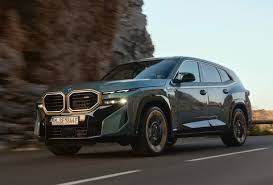
BMW’s electric car offerings have matured rapidly. The 2025 BMW i7, the electric flagship based on the 7 Series, is a true statement vehicle. Its bold, futuristic styling and opulent interior, complete with the available 31-inch Theatre Screen for rear passengers, set a new standard for executive electric travel. Performance is commanding, and its range is highly competitive. The BMW i4, an electric take on the 4 Series Gran Coupe, maintains BMW’s performance heritage, delivering exhilarating acceleration and engaging driving dynamics in a sleeker, sportier package. Expect enhanced battery density and faster charging capabilities for 2025 models, along with further integration of digital services.
Mercedes-Benz’s EQ range, while initially a bit fragmented, has found its stride. The 2025 Mercedes-Benz EQS Sedan and EQE Sedan are remarkable for their serene driving dynamics, whisper-quiet cabins, and the stunning MBUX Hyperscreen. The EQS, in particular, defines luxury EV comfort, with an interior that feels like a private lounge and a ride quality that isolates occupants from the outside world. Its focus is unequivocally on opulent refinement. The EQE offers a similar, albeit slightly more compact, experience. Mercedes-Benz also leverages advanced battery thermal management to optimize range and charging efficiency.
Winner: BMW. While Mercedes-Benz excels in sheer cabin opulence and ride comfort, BMW’s electric cars, particularly the i4 and i7, offer a more harmonious blend of luxury, cutting-edge technology, and, crucially, the engaging driving dynamics that enthusiasts expect, even in an EV.
Luxury Electric SUVs
The premium electric SUV segment is burgeoning, combining the versatility of an SUV with the efficiency and performance of electric propulsion.
The 2025 BMW iX continues to be BMW’s flagship electric SUV, a striking vehicle that challenges conventional design. It offers ferocious acceleration, a uniquely spacious and minimalist yet functional interior, and a strong emphasis on sustainable materials. The iX’s advanced tech suite, including augmented reality navigation and sophisticated driver aids, makes it a compelling, albeit pricey, choice. Its comfortable ride and impressive range cater to modern luxury SUV buyers.
Mercedes-Benz presents a broader, albeit still somewhat complex, electric SUV lineup. The 2025 Mercedes-Benz EQS SUV is a full-size electric SUV that mirrors the sedan’s opulent cabin and ultra-refined ride, offering expansive space and the Hyperscreen experience. The EQE SUV provides a slightly smaller, yet still lavish, option. And for those seeking a more accessible entry into the EQ family, the EQB SUV offers a practical, if less overtly luxurious, package with optional third-row seating. While all boast elegant interiors and the MBUX system, some models have faced criticism for range efficiency or cargo capacity compared to rivals.
Winner: BMW. The iX stands out as a singular, cohesive vision for an electric luxury SUV. Its blend of avant-garde design, performance, and practical luxury earns it the nod over Mercedes-Benz’s varied, but sometimes less focused, EQ SUV lineup for 2025.
Luxury Large Cars
In the realm of large luxury sedans, tradition meets innovation, and the stakes are incredibly high. These vehicles are the flagships, the ultimate statements of automotive prowess.
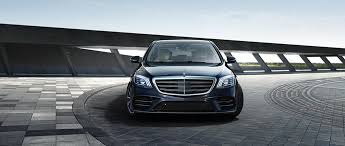
The 2025 Mercedes-Benz S-Class remains, in my opinion, the undisputed king of luxury flagships. It is not merely a car; it is a mobile sanctuary. The S-Class cabin is a masterclass in materials, craftsmanship, and technology, shielding occupants from the outside world with an unmatched sense of serenity. The MBUX system, with its intuitive voice commands and predictive functions, feels seamlessly integrated. The ride quality is sublime, and the optional E-ABC suspension system truly elevates comfort to an art form. Its advanced Level 2+ driver assistance systems are incredibly sophisticated, inching closer to full autonomy. This is where high CPC keywords like “best luxury sedan 2025” and “executive sedan comparison” find their true meaning.
The 2025 BMW 7 Series (and its electric counterpart, the i7) provides a modern, daring counterpoint. While its exterior styling can be polarizing, its interior is undeniably state-of-the-art. It offers a more driver-centric experience than the S-Class, with sharper handling and robust powertrains. The “Interaction Bar” and the latest iDrive system provide a high-tech, personalized environment. While the 7 Series has closed the gap in terms of luxury, it still leans more towards performance and tech novelty.
Winner: Mercedes-Benz. For the sheer breadth of its luxurious comfort, technological sophistication, and timeless elegance, the S-Class continues to define the segment in 2025. It is the benchmark against which all other luxury sedans are measured.
Luxury Large SUVs
The demand for large, three-row luxury SUVs that combine spaciousness, capability, and uncompromised luxury continues to grow.
The 2025 BMW X7 excels by scaling up the desirable attributes of BMW’s smaller SUVs into a formidable three-row machine. Its imposing presence is matched by a lavish interior, where first and second-row occupants enjoy exceptional comfort and space. The updated iDrive system, high-quality finishes, and powerful engine options (including refined mild-hybrids) make the X7 a genuinely impressive vehicle. It offers a surprisingly agile driving experience for its size, without sacrificing ride comfort.
Mercedes-Benz offers two distinct large SUVs. The 2025 Mercedes-Benz GLS is the direct competitor to the X7, offering an equally upscale cabin, a supremely refined ride, and the signature MBUX experience. It focuses heavily on passenger comfort and seamless technology integration. The Mercedes-Benz G-Class (G-Wagen), on the other hand, is a legend, a high-class off-road icon. While undeniably luxurious and capable, its boxy design and off-road-focused dynamics make it a niche choice, not always the most practical or refined for daily luxury cruising compared to the X7 or GLS.
Winner: BMW. The X7’s blend of spacious luxury, powerful performance, and surprisingly engaging driving dynamics for a vehicle of its size gives it a slight edge in this fiercely competitive category for 2025.
Luxury Midsize Cars
The midsize luxury sedan segment represents a critical balance of performance, luxury, and everyday usability.
The 2025 Mercedes-Benz E-Class continues its legacy as a cornerstone of the luxury midsize segment. Redesigned and reimagined, the latest E-Class is a technological tour-de-force, boasting an ultra-modern, incredibly comfortable cabin. Its ride is supremely composed, absorbing road imperfections with grace. The latest MBUX system, potentially integrating more AI for a personalized experience, makes interaction seamless. The E-Class offers a comprehensive suite of advanced driver-assistance systems, further enhancing its reputation for safety and relaxation. Mercedes also offers the elegant CLE, a handsome two-door coupe/convertible, replacing both the C-Class and E-Class coupes/convertibles, with strong powertrains and a refined cabin.
The 2025 BMW 5 Series, also recently redesigned, retains its sophisticated demeanor. While the traditional “ultimate driving machine” ethos might be slightly softened in pursuit of broader appeal and comfort, it still offers potent powertrains and a high-tech interior. Its handling remains sharp, and the latest iDrive system is highly functional. However, some traditionalists might find its steering feedback less communicative than predecessors. Performance variants, like the M5, continue to push boundaries.
Winner: Tie. This segment is incredibly close in 2025. The E-Class sets the bar for technological integration and sublime comfort, while the 5 Series offers a slightly sportier, more driver-focused experience with comparable luxury. The choice truly comes down to individual priorities.
Luxury Midsize SUVs
Midsize luxury SUVs are perhaps the most popular segment, blending luxury appointments with versatile family capability.
The 2025 Mercedes-Benz GLE continues to be a standout, offering a spacious, exquisitely crafted cabin that seamlessly integrates modern technology without being overwhelming. Its ride quality is impeccable, soaking up bumps with a sophisticated calm. For 2025, expect further refinements to its mild-hybrid powertrains, potentially expanded plug-in hybrid options, and enhancements to its driver-assistance features. The GLE also offers a coupé variant for those seeking a sportier aesthetic.
The 2025 BMW X5 remains an equally revered contender. It boasts an upscale interior, powerful engine options, and arguably more athletic handling than its Mercedes counterpart. For 2025, the X5 might see further advancements in its iDrive system, possibly more personalization features, and subtle design refreshes. Its balance of sportiness, luxury, and practicality makes it a formidable choice. BMW also offers the X6, a fastback version of the X5, for a more distinctive design.
Winner: Mercedes-Benz. While both are exceptional, the GLE’s ability to combine genuine luxury, refined ride comfort, and seamless technology integration in a highly practical package gives it a slight edge for 2025 in the hotly contested midsize luxury SUV arena.
Luxury Small Cars
Entry-level luxury sedans are crucial for brand introductions, offering premium experiences in more accessible packages.
The 2025 BMW 3 Series has long been the gold standard for small luxury sedans, and its latest iteration continues that tradition. It’s incredibly fun to drive, boasting powerful and efficient engines, precise steering, and a surprisingly spacious interior for its class. Its blend of everyday usability and genuine driving excitement makes it a perennial favorite. BMW also offers the agile 2 Series (coupe and Gran Coupe) and the versatile 4 Series (coupe, convertible, and Gran Coupe), offering various flavors of performance and style.
Mercedes-Benz counters with the 2025 C-Class, which has grown in sophistication. It offers a more comfort-oriented ride and a miniature S-Class interior experience, complete with an impressive vertical MBUX touchscreen. While undeniably comfortable and packed with tech, it often doesn’t quite match the engaging driving dynamics of the 3 Series. The Mercedes-Benz CLA, positioned as a sleek, tech-forward entry-level model, offers a stylish design and nimble handling, appealing to a younger demographic.
Winner: BMW. For drivers who prioritize the pure joy of driving, the 3 Series still delivers the most engaging and balanced experience in the small luxury car segment for 2025.
Luxury Sports Cars
When it comes to pure driving exhilaration and performance, both brands have legendary sub-divisions.
BMW’s M division produces some of the most respected performance vehicles on the planet. The 2025 BMW M3 (sedan) and M4 (coupe/convertible) are renowned for their blistering speed, track-ready handling, and increasingly sophisticated AWD systems. The BMW M2 encapsulates the essence of BMW’s performance heritage in a compact, potent package, offering a raw, visceral driving experience. For those seeking open-air thrills, the Z4 roadster provides a blend of performance and luxury touring.
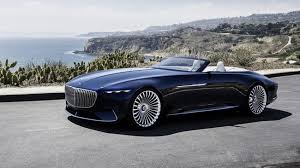
Mercedes-Benz’s AMG division offers a compelling range of dedicated sports cars and performance variants. The 2025 Mercedes-AMG GT (in its latest generation) is a true supercar killer, offering stunning performance, a thrilling exhaust note, and surprisingly sophisticated road manners. The Mercedes-Benz SL, reinvented under AMG, has returned to its roots as a luxurious grand-touring droptop, blending exhilarating performance with immense comfort, making it a compelling choice for “high-performance luxury vehicles.”
Winner: BMW. While AMG produces phenomenal dedicated sports cars, BMW’s M division offers a broader range of performance vehicles that truly embody the “Ultimate Driving Machine” philosophy across sedans, coupes, and roadsters, making it the overall winner for sheer driving purity in 2025.
Luxury Subcompact SUVs
These vehicles offer a taste of luxury in a highly maneuverable, urban-friendly package.
The 2025 BMW X1 stands out at the top of the subcompact luxury SUV rankings. It maximizes its footprint, offering a surprisingly spacious and well-appointed cabin with a long list of standard features. Its handling strikes an excellent balance between comfort and responsiveness, making it enjoyable for city driving and highway cruises alike. The BMW X2, with its sportier, coupé-like roofline, offers a more distinctive aesthetic, though with slightly less cargo space, it retains the X1’s engaging dynamics.
The 2025 Mercedes-Benz GLA ranks well in the segment, known for its fun-to-drive nature and upscale cabin. While it offers a refined experience and the familiar MBUX system, some might find its ride quality not quite as refined as other Mercedes SUVs, and its cargo space is often a point of comparison against rivals. It’s a stylish option, but perhaps less practical than the X1.
Winner: BMW. The X1’s intelligent design, impressive utility, and superior blend of comfort and responsiveness make it the reigning champion in the luxury subcompact SUV segment for 2025.
Key Attributes: A Deeper Dive
Beyond individual segments, how do these titans stack up on the fundamental aspects of luxury automotive ownership in 2025?
Safety & Advanced Driver-Assistance Systems (ADAS)
In 2025, safety extends far beyond airbags. Both BMW and Mercedes-Benz are at the forefront of advanced driver-assistance systems (ADAS), integrating sophisticated sensor arrays, AI, and predictive technologies. Expect Level 2+ autonomy to be standard on many models, with certain higher-end offerings capable of Level 3 conditional automated driving in specific scenarios.
BMW’s Driving Assistant Professional suite is incredibly capable, offering features like active lane change assist, advanced traffic jam assistant, and evasive steering assist. Their systems are generally intuitive and seamlessly integrated, providing confidence without feeling intrusive.
Mercedes-Benz’s Driver Assistance Package, particularly in models like the S-Class and EQS, is arguably the most advanced in the industry. Its active steering assist, adaptive cruise control, and pre-safe impulse side protection are incredibly refined. Mercedes-Benz also often leads in groundbreaking safety features, consistently earning top ratings from organizations like the IIHS.
Winner: Mercedes-Benz. While both brands offer stellar safety scores and comprehensive ADAS suites, Mercedes-Benz consistently pushes the boundaries of proactive safety and autonomous driving features, often feeling a step ahead in anticipating and mitigating risks for 2025.
Performance
The definition of “performance” has broadened in 2025, encompassing not just raw power but also electric efficiency and seamless power delivery.
BMW, true to its heritage, continues to excel in driving dynamics. Across its lineup, from the agile 3 Series to the commanding 7 Series and the exhilarating M models, BMW vehicles are engineered to engage the driver. Their electrified i4, i7, and iX demonstrate that performance isn’t lost in the electric transition; in fact, the instant torque often enhances it. The responsiveness of BMW’s steering and chassis tuning remains a core differentiator. For “BMW M performance” enthusiasts, 2025 promises even more potent and technologically advanced machines.
Mercedes-Benz delivers performance with a different emphasis. While their AMG models are ferocious, the core Mercedes-Benz lineup prioritizes smooth, refined power delivery and a composed ride. Models like the S-Class and EQS sedan offer effortless acceleration and a serene driving experience, making them ideal for long-distance cruising. Even in their high-performance offerings, Mercedes often blends brutal power with a touch more civility than BMW.
Winner: BMW. For the sheer breadth of driver-focused performance across its entire portfolio, consistently delivering engaging dynamics and a true connection to the road, BMW remains the leader in 2025.
Reliability & Ownership Experience
Reliability is a critical factor for luxury vehicle owners, influencing long-term satisfaction and resale value luxury cars. Both brands back their vehicles with competitive warranties.
In 2025, data suggests that BMW has made significant strides in predicted reliability, with models like the X3, X1, and 2 Series consistently earning strong scores from independent surveys. Their service network is extensive, and while luxury car ownership costs are inherently higher, BMW is focused on optimizing maintenance schedules and providing transparent servicing. Electric vehicle battery packs from BMW also come with a robust warranty, signaling confidence in their EV technology.
Mercedes-Benz also maintains a strong reputation, particularly with core models like the E-Class and GLE often performing well. However, some newer, more complex EV models initially faced challenges as the technology matured. Mercedes-Benz’s commitment to customer service and comprehensive warranty packages, including a particularly generous EV battery warranty, underscores their dedication to the ownership experience.
Winner: BMW. Based on recent industry trends and aggregated reliability data heading into 2025, BMW appears to have a slight edge in overall predicted reliability scores across a wider range of its models, offering a more consistently reassuring ownership experience.
Interior & Technology
In 2025, a luxury vehicle’s interior is more than just seats and a dashboard; it’s a personalized digital ecosystem and a haven of comfort.
Mercedes-Benz continues to set the industry benchmark for outstanding interiors. Models like the S-Class, EQS, and even the GLE offer cabins that are truly world-class, blending exquisite materials (finely stitched leather, open-pore woods, metallic accents) with sophisticated ambient lighting and the visually stunning MBUX Hyperscreen. The “Hey Mercedes” voice assistant is incredibly natural, and the comfort levels, especially in higher trims, are unparalleled. Mercedes-Benz excels at creating an immersive, aesthetically pleasing, and highly functional environment. This is where “luxury car technology” truly comes alive.
BMW has significantly elevated its interior game. Models like the X1, X3, and the i7 boast outstanding cabins with excellent build quality, premium materials, and the intuitive iDrive 9 system. The curved display, integrated digital services, and ergonomic controls offer a highly user-friendly and modern experience. While BMW interiors are incredibly refined and tech-forward, they still tend to lean slightly more towards a driver-centric, functional elegance rather than the overt opulence of Mercedes-Benz.
Winner: Mercedes-Benz. For sheer lavishness, groundbreaking aesthetics, and a user experience that prioritizes comfort and intuitive interaction, Mercedes-Benz maintains its crown for interior design and technology in 2025.
The Verdict: Who is the True Cornerstone of the Luxury Market in 2025?
Having meticulously examined both brands through the lens of 2025, it’s clear that the rivalry between BMW and Mercedes-Benz is closer and more dynamic than ever. Both German automakers offer exceptional products that push the boundaries of automotive engineering and luxury.
BMW shines brightly in its commitment to driving dynamics and performance, even as it embraces electrification. Its vehicles consistently deliver an engaging experience behind the wheel, paired with increasingly luxurious and technologically advanced interiors. In segments where driver involvement is key, or where practicality meets athleticism, BMW often comes out on top.
Mercedes-Benz, on the other hand, is the undisputed master of opulent comfort and pioneering safety. Its interiors are truly world-class, offering an unparalleled sense of serenity and cutting-edge technology that feels seamlessly integrated. For those who prioritize a supremely refined ride, a luxurious sanctuary, and the latest in safety innovation, Mercedes-Benz continues to set the standard.
When we tally the victories across segments and attributes, it’s a tight race. However, considering the holistic package – the blend of performance, technology, evolving electrification, and refined luxury – for 2025, I would ultimately lean towards:
The Overall Winner: BMW
While Mercedes-Benz holds an undeniable edge in interior luxury and passive safety, BMW’s consistent prowess across nearly every segment – from dynamic compact SUVs to engaging electric vehicles and performance machines – paired with its significant strides in interior refinement and reliability, gives it the overall lead in this 2025 showdown. BMW has successfully broadened its appeal without diluting its core DNA of the “Ultimate Driving Machine,” offering a compelling balance that resonates strongly with today’s luxury buyer.
Ultimately, the best choice always depends on individual priorities. Do you crave the thrill of the drive above all else, or do you seek a serene, tech-laden sanctuary on wheels? Both BMW and Mercedes-Benz offer incredible experiences.
Your Luxury Journey Starts Here.
Ready to experience the pinnacle of German engineering for yourself? Dive deeper into the specific models that captured your interest, explore their innovative features, and configure your perfect 2025 luxury vehicle. Visit your local BMW or Mercedes-Benz dealership today, or explore our comprehensive guides to help you make an informed decision on your next premium investment. The road ahead is luxurious, and the choice is yours.