
The Enduring Crown: BMW vs. Mercedes-Benz in the 2025 Luxury Arena
After a decade immersed in the evolution of premium automotive engineering, few rivalries in the industry command as much attention and passion as that between BMW and Mercedes-Benz. As we navigate the cutting edge of 2025, these two German titans continue to define luxury, performance, and technological advancement, but their paths, while often parallel, diverge in fascinating ways. For discerning buyers exploring the best luxury vehicles on the market today, understanding these nuances is critical. The question isn’t merely which badge offers more prestige; it’s about which brand truly embodies your vision of the ultimate driving or riding experience in an increasingly digitized and electrified world.
Both manufacturers have consistently raised the bar, pushing boundaries in design, innovative automotive technology, and driver engagement. BMW, famously known as “The Ultimate Driving Machine,” has traditionally honed in on dynamic performance and driver-centric experiences. Mercedes-Benz, conversely, has long championed an ethos of opulent comfort and groundbreaking sophistication, often setting benchmarks for interior luxury that few can match short of hyper-luxury marques. In 2025, this foundational distinction still largely holds, but both brands have significantly broadened their appeal, blurring the lines in exciting new segments, especially within the burgeoning electric vehicle luxury space.
From the compact executive sedan to the most formidable full-size SUV, the competition is fierce across the board. Let’s delve into a segment-by-segment and characteristic-by-characteristic analysis, leveraging a decade of industry insight to dissect where each brand stands in 2025, helping you navigate your next premium car purchase.
Luxury Compact SUVs: The Urban Vanguard
In a market perpetually hungry for versatile yet sophisticated crossovers, the luxury compact SUV segment remains intensely competitive. BMW and Mercedes-Benz each field compelling contenders, perfect for navigating bustling cityscapes or embarking on weekend getaways.
BMW’s Edge: For 2025, BMW’s refreshed X3 continues to assert dominance. Its blend of a spacious, ergonomically intelligent cabin, coupled with an athletic chassis and robust powertrain options – including a highly competitive plug-in hybrid (PHEV) variant – makes it a consistent favorite. The X3’s handling remains remarkably composed and engaging for its class, truly living up to the brand’s dynamic heritage. The fastback X4, sharing much of the X3’s mechanical prowess, caters to those seeking a sportier aesthetic without compromising too much on utility. Its redesigned interior further elevates the user experience with intuitive controls and premium materials.
Mercedes-Benz’s Contenders: Mercedes-Benz offers the GLB and the GLC. The GLB, with its unique, boxier silhouette, continues to impress with its unexpected third-row seating availability, a rarity in this class, and a remarkably plush ride. Its MBUX infotainment system, now more refined, offers seamless connectivity. The GLC, on the other hand, prioritizes classic Mercedes elegance and ride comfort, with an exceptionally refined interior and highly efficient mild-hybrid powertrains that contribute to excellent fuel economy. While both are strong contenders, the X3’s holistic package for driver engagement and practicality gives it a slight edge in this dynamic segment.
Luxury Electric Cars: The Silent Revolution
The electrification push has profoundly reshaped the luxury electric car landscape, and both BMW and Mercedes-Benz are making aggressive plays for market share. While newcomers have garnered attention, the established luxury players are now delivering compelling EV alternatives that fuse their brand DNA with silent, emission-free power.
BMW’s Vision: BMW’s “i” sub-brand is flourishing. The i7, representing the pinnacle of their electric sedan offerings, mirrors the bold luxury and advanced technology of its 7 Series counterpart. It delivers exhilarating performance with a surprisingly agile feel for its size, making it a powerful statement in the executive EV class. The i4, a sleek, four-door Gran Coupe, embodies BMW’s commitment to performance-oriented EVs, offering an engaging drive that strongly echoes its internal combustion siblings. Its impressive range and rapid charging capabilities make it a practical yet thrilling choice.
Mercedes-Benz’s EQ Lineup: Mercedes-Benz’s EQ series, by 2025, has further matured, though its naming structure still occasionally causes confusion. The EQE and EQS sedans stand out for their serene driving dynamics, whisper-quiet cabins, and lavish interiors dominated by the stunning Hyperscreen display on higher trims. While undeniably luxurious and packed with cutting-edge ADAS (Advanced Driver-Assistance Systems), some models in the EQ range have faced criticism for real-world range inconsistencies or less immediate driver feedback compared to BMW’s offerings. For those prioritizing opulent cabin experience and cutting-edge digital integration, Mercedes-Benz shines, but BMW maintains a lead in outright performance and driver connection in this evolving segment.
Luxury Electric SUVs: The Family Electrified
The electric SUV market is booming, and luxury brands are scrambling to offer premium, family-friendly, zero-emission options.
BMW’s Bold Statement: The BMW iX remains a truly distinctive entry. Its unconventional styling houses a remarkably spacious and functional interior, brimming with cutting-edge technology. The iX delivers potent acceleration and a ride quality that masterfully balances comfort and control, making it a compelling choice for those seeking a future-forward luxury SUV. Its generous cargo capacity and innovative material choices further underscore its appeal.
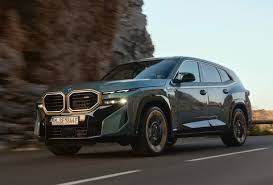
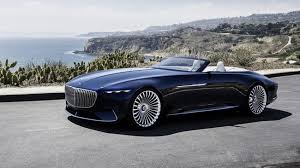
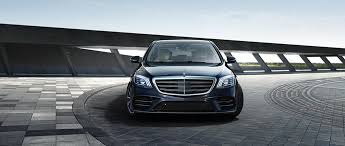
Mercedes-Benz’s EQ SUV Range: Mercedes-Benz offers a broader, if somewhat overlapping, portfolio with the EQB, EQE SUV, and EQS SUV. The EQB, an electric derivative of the GLB, provides a compact yet versatile option. The EQE SUV and EQS SUV share the EQS sedan’s interior grandeur and tranquil ride quality. While the luxury quotient is high, some critics in 2025 still point to the EQE SUV’s range being merely adequate against rising competition, and the EQS SUV’s substantial price tag often comes without a commensurate boost in practical cargo volume compared to rivals. For a blend of unique design, utility, and exhilarating performance, the iX continues to hold a strong position.
Luxury Large Cars: Flagship Sedans Reignited
The luxury large car segment remains the battleground for ultimate automotive prestige, where technological prowess meets unparalleled comfort.
Mercedes-Benz’s Enduring Benchmark: The Mercedes-Benz S-Class, in its latest 2025 iteration, is not just a car; it’s a statement. Few vehicles on Earth can rival its blend of isolation, opulence, and technological wizardry. The cabin is an unparalleled sanctuary, shielding occupants from the outside world with exquisite materials and soundproofing. The advanced MBUX system, now even more intuitive, responds to complex voice commands with uncanny accuracy, solidifying its status as a benchmark for automotive interior design. Its ride is serenely composed, effortlessly gliding over imperfections.
BMW’s Executive Powerhouse: The BMW 7 Series, completely redesigned for the 2025 model year, offers a distinctively modern take on the luxury flagship. Its bold exterior design is matched by an interior that’s both visually striking and packed with innovative features, including the optional Theatre Screen for rear passengers. While its infotainment system is incredibly powerful, it still presents a slight learning curve for new users. Crucially, the 7 Series offers a more engaging driving experience than the S-Class, appealing to those who prefer to be chauffeured but occasionally enjoy taking the wheel themselves. Yet, for the sheer indulgence and unparalleled refinement, the S-Class maintains its crown.
Luxury Large SUVs: Command the Road
For families and executives who demand presence, capability, and uncompromised luxury, luxury large SUVs are the vehicles of choice.
BMW’s Three-Row Masterpiece: The BMW X7, updated for 2025, scales up the brand’s winning formula into a formidable three-row luxury machine. Its sharp exterior design is complemented by an interior that offers exceptional comfort for all seven occupants, particularly in the first and second rows. The iDrive system, while powerful, still requires some familiarity to fully master. The X7’s handling, remarkably agile for its size, makes it a joy to pilot, reflecting BMW’s performance heritage.
Mercedes-Benz’s Robust Offerings: Mercedes-Benz fields the GLS and the iconic G-Class. The GLS is a direct competitor to the X7, offering an equally upscale cabin and an impeccably refined ride. Its MBUX interface is highly praised for its user-friendliness. The G-Class (G-Wagen), by contrast, remains a singular statement of luxury and off-road prowess. While its go-anywhere capabilities are legendary, some of its inherent off-road attributes translate to a less refined on-road experience compared to dedicated luxury SUVs. For a balanced blend of luxury, dynamic driving, and family utility, the X7 often nudges ahead.
Luxury Midsize Cars: The Sweet Spot
The luxury midsize car segment is a critical battleground, often representing the heart of each brand’s sedan lineup.
A Refined Tie: For 2025, this segment is a compelling draw. The Mercedes-Benz E-Class, following in its S-Class sibling’s footsteps, sets an industry standard for comfort, refinement, and advanced automotive technology. Its interior is a showcase of digital sophistication, though it can occasionally feel overwhelming with its sheer density of features. The E-Class also boasts an impressive suite of driver-assistance technologies. Mercedes also offers the elegant CLE coupe and convertible, a handsome two-door with potent powertrains, appealing to those seeking style and performance.
BMW’s 5 Series, significantly redesigned for 2025, continues to be highly regarded. While its predecessors were known for their athleticism, the latest iteration emphasizes luxury and refinement, softening some of the raw steering feedback but still delivering a powerful punch from its diverse lineup of potent engines, including compelling PHEV options. Both the E-Class and 5 Series offer exceptional value, albeit with different priorities – the E-Class on comfort and tech, the 5 Series on a balanced, refined driving experience.
Luxury Midsize SUVs: The Everyday Executive
This segment represents a crucial intersection of practicality and prestige, making luxury midsize SUVs hugely popular.
Mercedes-Benz Takes the Lead: The Mercedes-Benz GLE, especially with its 2025 updates, claims a top spot. Its spacious and exquisitely refined cabin effortlessly integrates modern technology without being overly intrusive. For 2025, standard all-wheel drive across the lineup, an updated MBUX infotainment system, and a new, more powerful plug-in hybrid model solidify its appeal. The GLE’s ride comfort is exceptional, making it a perfect companion for long journeys.
BMW’s Dynamic Counterpart: The BMW X5 remains an incredibly strong contender, revered for its upscale interior and notably more athletic handling than its Mercedes counterpart. For 2025, the X5 further enhances its driver-assist capabilities with features like active lane-change assist. BMW also offers the X6, the fastback version of the X5, for those seeking a more coupe-like profile. While the X5 is an outstanding choice, the GLE’s blend of comfort, technology, and robust powertrain options gives it the slight edge, making it a highly attractive premium hybrid SUV option for many.
Luxury Small Cars: Entry-Point Excellence
For many, these luxury small cars serve as the gateway to premium ownership, offering engaging drives and sophisticated features in a more compact footprint.
BMW’s Performance Heritage: The BMW 3 Series, consistently one of the best small luxury sedans, continues to shine in 2025. It’s renowned for its exhilarating driving dynamics, powerful engine options, and a surprisingly spacious interior and trunk for its class. It thoroughly outshines the still-commendable Mercedes-Benz C-Class in terms of driver engagement. BMW also offers the sporty 2 Series coupe and the versatile 4 Series (available as a coupe, convertible, and four-door Gran Coupe), appealing to diverse preferences for high-performance luxury sedans in a compact package.
Mercedes-Benz’s Refined Offering: The Mercedes-Benz C-Class, while undeniably comfortable and featuring a stunning interior with a strong tech presence, doesn’t quite match the 3 Series’ visceral connection to the road. Mercedes-Benz’s entry-level CLA also packs a lot of tech and sharp styling into a nimble package, but it targets a slightly different, more style-conscious buyer. For pure driving enjoyment in this segment, BMW continues to hold the advantage.
Luxury Sports Cars: Adrenaline and Prestige
When the focus shifts to unadulterated driving pleasure and performance, the luxury sports car segment is where passions ignite.
BMW’s M Division Prowess: BMW’s M division continues to be a force. For 2025, the M3 sedan and M4 coupe remain benchmarks for high-performance luxury, offering blistering acceleration and track-ready dynamics that are surprisingly livable on a daily basis. The M2, arguably the vehicle most true to BMW’s raw performance heritage, delivers an undiluted, thrilling experience. For those seeking open-air exhilaration, the Z4 roadster offers a compelling blend of style and sportiness. BMW consistently builds performance variants that redefine expectations.
Mercedes-Benz’s AMG & Dedicated Sports Cars: Mercedes-Benz, through its AMG division, offers formidable performance variants across its lineup. However, for dedicated sports cars, the AMG GT, in its various iterations, remains an exciting proposition, a true driver’s car. The SL, redesigned for the latest model year, has transitioned from a pure sports car to a more luxurious, grand-touring droptop. While Mercedes offers exhilarating options, BMW’s sheer breadth of performance-focused models, especially within their M lineup, gives it a slight edge for those seeking pure, unadulterated sportiness.
Luxury Subcompact SUVs: Small but Mighty
The luxury subcompact SUV market has become surprisingly robust, offering premium features and styling in an urban-friendly size.
BMW’s Class Leader: The BMW X1, especially with its recent redesign for 2025, stands atop this burgeoning segment. It masterfully maximizes its compact footprint, offering a remarkably well-crafted cabin adorned with a generous list of standard features. Its handling dynamics strike an excellent balance between comfort and responsive agility, making it a joy to drive in any setting. The X2, a sportier, fastback variant, trades some cargo space for a more distinctive design, but still retains the brand’s fun-to-drive character and practicality.
Mercedes-Benz’s Stylish Contender: The Mercedes-Benz GLA, while enjoyable to drive and featuring an upscale cabin, ranks mid-pack among its rivals. It struggles slightly with cargo space compared to the X1 and doesn’t quite achieve the same level of overall refinement seen in larger Mercedes SUVs. While the GLA is a stylish choice for urbanites, the X1’s comprehensive package of space, features, and balanced performance makes it the stronger offering in this segment.
Safety: Prioritizing Protection
In 2025, both BMW and Mercedes-Benz are at the forefront of automotive safety, continually integrating cutting-edge ADAS features and engineering vehicles for maximum occupant protection.
BMW’s Comprehensive Approach: BMW’s lineup consistently earns top safety ratings across various models like the 2, 3, 5 Series, and the X3. Their vehicles come equipped with comprehensive suites of driver assistance technologies, including advanced forward collision avoidance, lane-departure warning, blind-spot monitoring, and sophisticated semi-autonomous driving capabilities. While testing for all-electric models is ongoing, BMW’s commitment to safety hardware and software is unwavering, ensuring that peace of mind comes standard.
Mercedes-Benz’s Guardian Angel: Mercedes-Benz models such as the C-Class, E-Class, GLC, and GLE also perform exceptionally well in safety evaluations. Their systems, often integrated seamlessly into the MBUX interface, offer a robust safety net. Mercedes is also a leader in pioneering new ADAS features, pushing towards more advanced levels of autonomous driving. However, as with BMW, specific safety data for the newest electric models can take time to accumulate. Historically, BMW has a slight edge in the sheer volume of models consistently achieving the absolute highest marks across independent evaluations.
Performance: The Soul of the Drive
For true driving enthusiasts, luxury car performance is paramount, and both brands approach it with distinct philosophies.
BMW: The Ultimate Driving Machine, Evolved: BMW’s reputation for driver-centric performance remains largely intact in 2025. From the nimble 3 Series to the imposing 7 Series, their vehicles are engineered to excite behind the wheel. Even their electric vehicles – the i4, i7, and iX – manage to infuse that dynamic BMW feel, often earning some of the highest performance scores in the EV space. The M3 and M4 continue to be paragons of performance, blending daily usability with track-ready capabilities. BMW’s commitment to balanced chassis dynamics, precise steering, and powerful, responsive powertrains consistently delivers an engaging experience across its range.
Mercedes-Benz: Power with Poise: Mercedes-Benz also offers impressive performance, often prioritizing a sensation of effortless power and refined acceleration. Models like the S-Class, AMG GT, SL, and EQS sedan deliver exhilarating straight-line speed and composed handling. While the GLA and GLB tend to favor value and practicality over raw performance, Mercedes’ AMG division fills the gap with an array of high-performance models that offer aggressive styling and formidable power. However, when it comes to the sheer breadth of models designed from the ground up to be genuinely engaging for the driver, BMW often holds the performance crown.
Reliability: Long-Term Ownership Confidence
Luxury car ownership costs can be substantial, making car reliability ratings a crucial consideration for prospective buyers.
BMW’s Improving Outlook: Reliability scores across both brands can be somewhat scattered, but BMW generally presents a more consistent picture with more models reporting strong dependability. In 2025, models like the X3 and X1 consistently earn “Great” predicted reliability scores, as do the 2 Series and 7 Series. As a brand average, BMW demonstrates strong improvement over past decades. Most vehicles without a score are newer EVs, awaiting long-term data. BMW’s standard four-year/50,000-mile powertrain warranty is competitive, with electric battery packs covered for eight years/100,000 miles, offering substantial peace of mind for luxury electric vehicle owners.
Mercedes-Benz’s Progress: Mercedes-Benz has fewer models with reported reliability scores, but they are steadily improving. The E-Class often leads its lineup with strong scores, and the GLA and GLE perform commendably. Mercedes-Benz also offers a competitive four-year/50,000-mile powertrain warranty, but notably, their EV battery packs come with an extended 10-year/155,000-mile warranty, a significant advantage for long-term electric car ownership. While BMW has more models consistently ranked highly, Mercedes is making commendable strides in this critical area, though BMW still has a slight edge in overall reported consistency.
Interior: The Pinnacle of Luxury
If there’s one area where a brand consistently sets the industry standard, it’s luxury car interiors, and Mercedes-Benz unequivocally excels here.
Mercedes-Benz: The Gold Standard: Mercedes-Benz continues to be the undisputed leader in cabin comfort, design, and material execution. Whether it’s the expansive, digitally advanced sanctuary of the S-Class, the serene elegance of the E-Class, or the plush spaciousness of the GLE, Mercedes-Benz consistently delivers interiors that are among the best in the entire industry. The fit, finish, and tactile quality of materials across most of its models are simply top-notch, creating an atmosphere of unparalleled luxury and refinement. Their MBUX infotainment, with its stunning graphics and intuitive controls, further enhances the user experience.
BMW’s Evolving Aesthetics: BMW has made significant strides in interior design, offering outstanding cabins in models like the X1, X3, and the technologically impressive i7. The build quality and ergonomics are excellent across many BMW models, and their latest designs are visually appealing. However, while BMW interiors are highly commendable and increasingly luxurious, they often don’t quite reach the same level of sheer opulent artistry and sensory delight that Mercedes-Benz consistently delivers. If the interior experience is your ultimate priority, Mercedes-Benz remains the benchmark.
The Verdict: The Enduring Battle for Luxury Dominance in 2025
As we stand in 2025, both BMW and Mercedes-Benz continue to deliver exceptional products, pushing the boundaries of what defines luxury motoring. After a comprehensive review across myriad segments and critical attributes, the balance of power remains incredibly tight, yet a clearer picture emerges.
Overall Winner: BMW
BMW edges out its fierce competitor by demonstrating a stronger all-around package in more categories. Its vehicles consistently offer an engaging driving experience, cutting-edge technology, and refined modern aesthetics, without sacrificing practicality or efficiency. BMW has proven that it can deliver performance and luxury hand-in-hand, making it a compelling choice for a wider spectrum of luxury buyers in 2025. Their robust and performance-oriented approach to the rapidly expanding EV market is particularly noteworthy.
Mercedes-Benz, on the other hand, remains the undisputed master of interior luxury and serene comfort. Its cabins are world-class, and many of its vehicles set the benchmark for refinement and digital sophistication in their respective segments. For buyers whose primary concern is being cocooned in an environment of unparalleled luxury and technological marvel, Mercedes-Benz stands as an unrivaled choice.
The rivalry is far from over. As the automotive industry continues its rapid transformation, particularly with advancements in autonomous driving and sustainable powertrains, it will be fascinating to witness how these two German titans continue to innovate and redefine the future of luxury. For now, BMW holds a slight, yet decisive, edge across the broadest range of criteria in the competitive 2025 luxury landscape.
Ready to experience the pinnacle of German engineering yourself? Explore the latest 2025 BMW and Mercedes-Benz models and discover exclusive offers available today. Your next luxury journey begins now.