
BMW vs. Mercedes-Benz: The Ultimate 2025 Luxury Showdown – An Expert’s Deep Dive
For decades, two titans of German engineering have dominated the global luxury automotive landscape: BMW and Mercedes-Benz. Their badges, the elegant blue and white roundel and the iconic three-pointed star, are instantly recognizable symbols of premium quality, cutting-edge technology, and aspirational performance. As we accelerate into 2025, the rivalry between these marques is more intense and nuanced than ever, shaped by rapid advancements in electrification, autonomous driving, and an ever-evolving understanding of what true luxury entails for the modern discerning driver.
From my vantage point, having navigated the intricate world of premium automobiles for over a decade, I can confidently say that while both brands represent the pinnacle of automotive excellence, they cater to distinct philosophies. BMW, traditionally championed as “The Ultimate Driving Machine,” has meticulously crafted a reputation for engaging dynamics, precise handling, and a connection between driver and road that feels almost telepathic. Mercedes-Benz, on the other hand, has long been the gold standard for opulent comfort, serene ride quality, and interiors that redefine automotive luxury, often serving as a stepping stone to ultra-luxury brands.
Choosing between them isn’t merely a matter of brand preference; it’s about aligning a vehicle with your lifestyle, priorities, and what you value most in a high-end automobile. The market in 2025 is rich with options from both manufacturers across virtually every segment, from compact crossovers to full-size electric flagships. Let’s peel back the layers and examine how BMW and Mercedes-Benz stack up in the current landscape, exploring where each truly shines.
The Evolving Landscape of Luxury Segments in 2025
The automotive market of 2025 is dynamic, with electric vehicles (EVs) no longer niche but a mainstream luxury offering, and SUVs continuing their reign as the preferred family and utility movers. Both BMW and Mercedes-Benz have aggressively pivoted their strategies to meet these shifts, investing heavily in new platforms, powertrain technologies, and advanced digital ecosystems.
Luxury Compact SUVs: Agility Meets Practicality
BMW X3 & X4 vs. Mercedes-Benz GLB & GLC
The luxury compact SUV segment remains a fiercely contested battleground, drawing in a broad demographic looking for a blend of premium features, elevated driving position, and everyday practicality without the footprint of larger SUVs.
BMW continues its strong showing with the X3, which, in its latest iteration, offers a remarkably spacious and attractively appointed cabin, underpinned by the athletic handling characteristics that define the brand. Its powertrain options, including compelling plug-in hybrid variants, deliver stout performance while maintaining commendable efficiency. For those seeking a sportier aesthetic, the X4 coupe-SUV variant provides a more engaging, if less practical, driving experience, sacrificing some cargo space for its distinctive fastback profile.
Mercedes-Benz counters with the GLB and GLC. The GLB, known for its boxy, functional design, cleverly offers available three-row seating – a unique proposition in this class – making it a versatile choice for small families. The GLC, often considered the more direct competitor to the X3, boasts a plush interior, refined ride quality, and efficient powertrains. Its cabin materials and infotainment integration (MBUX) are particularly impressive, offering a sense of sophisticated calm.
Expert Take: For the sheer joy of driving, the BMW X3 still maintains a slight edge, feeling more connected and dynamic. However, the Mercedes-Benz GLC offers a truly luxurious and serene experience, making it a compelling choice for those prioritizing comfort and interior ambiance.
Luxury Electric Cars: The Silent Revolutionaries
BMW i4 & i7 vs. Mercedes-Benz EQE Sedan & EQS Sedan
The electric luxury car segment is witnessing explosive growth, with both BMW and Mercedes-Benz rapidly expanding their EV portfolios. While startups like Tesla and Lucid made early inroads, the established Germans are now presenting formidable, distinctly luxurious alternatives.
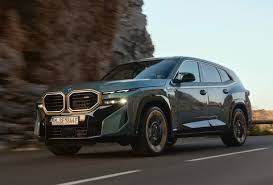
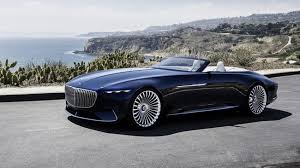
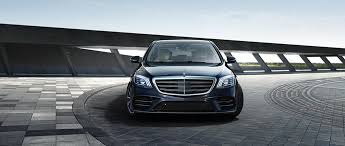
BMW’s electric sedans, the i4 and i7, showcase their commitment to electrification without compromising brand identity. The i4, essentially an electric 4 Series Gran Coupe, delivers the engaging performance BMW enthusiasts expect, wrapped in a sleek, driver-focused package. The i7, BMW’s electric flagship, is a bold statement. It mirrors the 7 Series in its grand scale but pushes boundaries with its futuristic styling, dominant performance, and truly innovative cabin features, including the optional Theatre Screen.
Mercedes-Benz, with its EQE and EQS Sedans, approaches electric luxury with an emphasis on seamless integration and opulent comfort. The EQS Sedan, in particular, is an engineering marvel, delivering an almost otherworldly serene driving experience, paired with an interior that is nothing short of breathtaking, especially with the optional Hyperscreen. The EQE Sedan offers a similar philosophy in a slightly smaller, more accessible package. Both prioritize quietude, range, and advanced driver-assistance systems (ADAS) that aim for Level 2+ autonomy.
Expert Take: BMW’s electric sedans retain a sportier, more dynamic character, appealing to those who still want an engaging drive from their EV. Mercedes-Benz, particularly with the EQS, offers an unparalleled sanctuary of luxury and technological sophistication, prioritizing passenger comfort and cutting-edge digital integration. The “electric luxury vehicle cost” for both is substantial, but the value proposition lies in their respective brand strengths.
Luxury Electric SUVs: Family Haulers Go Green
BMW iX vs. Mercedes-Benz EQB, EQE SUV & EQS SUV
Electric SUVs are quickly becoming the most sought-after EV body style, blending practicality with a greener footprint.
The BMW iX, BMW’s flagship electric SUV, stands out with its avant-garde design and interior. While its styling might be polarizing, its cabin is a masterclass in modern, sustainable luxury, featuring cutting-edge technology and ample space for passengers and cargo. Its powerful acceleration and composed ride make it a sophisticated and capable family hauler.
Mercedes-Benz offers a broader range of electric SUVs: the compact EQB, the midsize EQE SUV, and the full-size EQS SUV. The EQB offers a practical, if not groundbreaking, entry into electric SUV ownership, sharing much with its GLB counterpart. The EQE SUV and EQS SUV bring the opulent, tech-forward philosophy of their sedan siblings to a crossover format. While they boast elegant interiors and serene driving dynamics, some competitors, including the iX, still hold an edge in cargo capacity and driving range across certain configurations.
Expert Take: The BMW iX delivers a truly unique and compelling electric SUV experience, marrying performance with innovative design. Mercedes-Benz offers more segment coverage, with the EQS SUV providing an S-Class-level of luxury in an electric SUV format, though some practicality considerations for “luxury SUV market trends” might lean towards the BMW in terms of usable space.
Luxury Large Cars: Flagship Statements
BMW 7 Series vs. Mercedes-Benz S-Class
When it comes to full-size luxury sedans, the Mercedes-Benz S-Class has long been the undisputed benchmark, often called “the best car in the world.” In 2025, it continues this legacy, offering an unrivaled cocoon of comfort, advanced safety features, and material quality that few can match outside of ultra-luxury brands. Its serene ride, advanced MBUX infotainment system with intuitive voice control, and subtle integration of “premium auto technology” make it a sanctuary on wheels.
The BMW 7 Series, especially in its latest generation, offers a distinct and bold counterpoint. While it has embraced a controversial design language, its interior is a modern marvel, brimming with innovative features and an emphasis on driver engagement often missing in this class. While the S-Class prioritizes ultimate comfort, the 7 Series offers a more assertive driving experience and a greater sense of dynamism for a car of its size, appealing to those seeking “high-performance luxury sedans” even at the flagship level.
Expert Take: For the ultimate expression of luxury, comfort, and state-of-the-art features, the Mercedes-Benz S-Class remains the segment’s gold standard. However, the BMW 7 Series offers a genuinely compelling and distinct alternative for buyers who desire a more driver-centric experience without sacrificing luxury.
Luxury Large SUVs: Grand Tourers on Stilts
BMW X7 vs. Mercedes-Benz GLS & G-Class
Large luxury SUVs have become the preferred choice for many families and executives seeking spaciousness, prestige, and command of the road.
The BMW X7 masterfully scales up the brand’s best attributes into a handsome, three-row machine capable of accommodating up to seven adults in comfort. Its sharp interior design, potent engine options, and surprisingly nimble handling for its size make it a versatile luxury hauler. The iDrive infotainment system, though requiring a slight learning curve, is incredibly powerful and customizable.
Mercedes-Benz offers the GLS, often referred to as the “S-Class of SUVs.” It’s a direct competitor to the X7, delivering an exquisitely upscale cabin, refined ride quality, and an abundance of luxury features that pamper every occupant. The legendary G-Class, or G-Wagen, sits in a class of its own. It’s an iconic, high-class off-road machine that combines rugged capability with unparalleled luxury. While its off-roading prowess might compromise some on-road refinement for a pure luxury vehicle, its undeniable presence and heritage are intoxicating.
Expert Take: The Mercedes-Benz GLS slightly edges out the X7 for sheer interior opulence and ride comfort, earning its “S-Class of SUVs” moniker. The X7, however, offers a more engaging driving experience for its size, appealing to those who still value BMW’s dynamic DNA in a large package. The G-Class is a lifestyle statement, not a direct competitor for most.
Luxury Midsize Cars: The Core of the Brand
BMW 5 Series vs. Mercedes-Benz E-Class & CLE
The midsize luxury sedan segment is where both brands truly prove their mettle, representing a sweet spot of luxury, performance, and practicality.
The Mercedes-Benz E-Class continues to be a cornerstone, a true embodiment of what a luxury sedan should be. Its redesigned iteration for 2025 features an interior that blends cutting-edge technology (including advanced MBUX features) with exquisite materials, creating a comfortable and highly sophisticated environment. The ride is refined, isolating occupants from the outside world, and its list of driver-assistance technologies is comprehensive. Mercedes also offers the CLE, a handsome two-door that combines the best elements of the C-Class and E-Class coupes and convertibles.
The BMW 5 Series, while long celebrated for its athletic prowess, has evolved. The latest 5 Series generation has matured, offering a more comfortable and tech-forward experience. While some purists might argue it’s lost a degree of its predecessors’ steering feedback, it still delivers the familiar punch from its powerful engine lineup and a high level of refinement. Its optional active lane-change assist features in 2025 demonstrate its technological advancements.
Expert Take: This segment is often a tie, as both excel in different areas. The Mercedes-Benz E-Class remains the epitome of midsize luxury comfort and technological integration. The BMW 5 Series, while softer than before, still offers a more engaging and driver-focused experience.
Luxury Midsize SUVs: The Everyday Premium
BMW X5 & X6 vs. Mercedes-Benz GLE & GLE Coupe
Midsize luxury SUVs are arguably the most popular segment, blending utility, prestige, and family-friendly features.
The Mercedes-Benz GLE consistently ranks at the top, and for good reason. Its spacious, refined cabin seamlessly integrates modern technology without being overwhelming, and its ride quality is exemplary. For 2025, the GLE continues to impress with standard all-wheel drive, an updated MBUX infotainment system, and a robust plug-in hybrid model, showcasing its commitment to evolving with “luxury SUV market trends.”
BMW’s X5 is equally revered in this category. It offers an upscale interior, a strong lineup of powertrains, and, crucially, more athletic handling than its Mercedes counterpart. For the 2025 model year, features like active lane-change assist further enhance its appeal. The X6, its fastback sibling, offers a more distinctive, sportier profile, albeit with reduced cargo space.
Expert Take: The Mercedes-Benz GLE takes the crown here for its superior blend of comfort, practicality, and intuitive technology. The BMW X5, however, remains an excellent choice for those who prioritize a sportier driving feel and dynamic handling in their midsize luxury SUV.
Luxury Small Cars: Entry Point to Excellence
BMW 3 Series, 2 Series & 4 Series vs. Mercedes-Benz C-Class & CLA
The small luxury car segment serves as the gateway to these prestigious brands, offering premium experiences in a more compact and often more affordable package.
The BMW 3 Series has been a benchmark for decades, and its current iteration lives up to the legend. It’s fun to drive, boasts powerful engines, offers a surprisingly spacious interior, and a decent trunk for its class. The 2 Series coupe is arguably the purest driver’s car in BMW’s lineup, while the 4 Series offers coupe, convertible, and Gran Coupe options for those desiring more style.
The Mercedes-Benz C-Class is often viewed as a “baby S-Class,” offering a taste of its larger sibling’s opulence and tech in a smaller form. Its cabin is exquisitely designed and features advanced MBUX technology, providing a truly comfortable and sophisticated ride. The entry-level CLA sedan, while smaller, is nimble, stylish, and packed with technology, appealing to a younger, design-conscious demographic.
Expert Take: For the driving enthusiast seeking a direct connection with the road, the BMW 3 Series and 2 Series are unmatched in this segment. The Mercedes-Benz C-Class offers a more refined, luxurious, and technologically advanced experience, making it highly appealing for those who prioritize comfort and interior ambiance.
Luxury Sports Cars: Adrenaline and Prestige
BMW M-Cars & Z4 vs. Mercedes-AMG GT & SL
When it comes to luxury sports cars, both brands offer exhilarating options, each with a distinctive flavor.
BMW’s M division is legendary. The M2, M3, and M4 are renowned for their track-ready performance, precise engineering, and driver-focused dynamics. These are cars designed to be driven hard, offering an unparalleled sense of connection and control. The Z4 roadster provides an open-air, grand touring experience with potent powertrain options.
Mercedes-Benz, through its AMG performance arm, offers dedicated sports cars like the visceral AMG GT, a true high-performance machine with a powerful engine and head-turning design. The latest SL, reimagined as a Mercedes-AMG model, transitions from a comfortable cruiser to a potent, stylish grand-touring convertible, blending luxury with serious performance credentials.
Expert Take: For pure, unadulterated performance and track-focused precision, BMW’s M division vehicles, especially the M2 and M3, are often preferred. Mercedes-AMG’s offerings like the GT and SL provide a more powerful, luxurious, and often grand-touring-oriented experience, emphasizing brute force and opulent style.
Luxury Subcompact SUVs: Small but Mighty
BMW X1 & X2 vs. Mercedes-Benz GLA
The subcompact luxury SUV segment caters to urban dwellers or those seeking a premium experience in a more manageable footprint.
The BMW X1 stands out in this class. It makes excellent use of its size, featuring a surprisingly spacious and well-crafted cabin with a generous list of standard features. Its handling dynamics strike a superb balance of comfort and responsiveness, making it both enjoyable to drive and practical for everyday use. The X2, a sportier coupe-SUV version, offers distinctive styling for those willing to sacrifice a bit of cargo space.
The Mercedes-Benz GLA ranks mid-pack among its rivals. While it’s stylish, nimble, and offers an upscale cabin with MBUX technology, it often feels less refined than other Mercedes SUVs and lags slightly in cargo space and overall utility compared to the X1.
Expert Take: The BMW X1 is the clear winner here, offering a superior blend of practicality, refined driving dynamics, and interior quality. The Mercedes-Benz GLA is a fashionable choice, but the X1 delivers more holistic value.
Beyond the Segments: Key Attributes for 2025
Moving beyond individual vehicle classes, certain attributes are critical in defining the luxury experience in 2025, and both brands approach them with distinct philosophies.
Safety: Engineered for Peace of Mind
Winner: BMW (by a hair)
Both BMW and Mercedes-Benz are at the forefront of automotive safety, employing a vast array of advanced driver-assistance systems (ADAS) and robust engineering to protect occupants. Standard features like forward collision avoidance, lane departure warning, blind-spot monitoring, and sophisticated airbag systems are common across their lineups.
While many of their conventionally powered vehicles earn top safety ratings from organizations like the IIHS and NHTSA, the newer EV models are still undergoing comprehensive testing. BMW tends to have a slightly broader range of tested models achieving top scores, particularly in its core sedan and SUV offerings (e.g., 2, 3, 5 Series, X3). Mercedes-Benz is equally impressive with models like the C-Class, E-Class, GLC, and GLE. The difference is marginal, but BMW’s slightly wider array of top-rated tested models gives it a fractional edge. Both brands are aggressively developing and deploying Level 2+ semi-autonomous driving features, a key aspect of “premium auto technology” for 2025.
Performance: The Thrill of the Drive
Winner: BMW
BMW’s reputation as “The Ultimate Driving Machine” is hard-earned and deeply ingrained in its engineering DNA. Across almost its entire lineup, from the iconic 3 Series to the executive 7 Series and its powerful M variants, BMW vehicles are designed to engage the driver. Their inline-six engines are legendary for their smoothness and power, and their chassis tuning prioritizes balance and responsiveness. Even their electric vehicles, like the i4, i7, and iX, are engineered to deliver exhilarating performance and dynamic handling.
Mercedes-Benz certainly offers potent performance, especially through its AMG division, which produces some of the most powerful and exciting vehicles on the market (e.g., AMG GT, various AMG-tuned sedans and SUVs). However, for many of its core models, the emphasis is more on refined power delivery and serene comfort rather than outright driver engagement. While models like the S-Class and EQS sedan offer immense power and smooth acceleration, the driving experience is often more insulated compared to a BMW equivalent.
Expert Take: For the enthusiast who values a direct connection to the road and a more dynamic driving experience, BMW consistently delivers across its range. Mercedes-Benz offers compelling performance, particularly in its AMG models, but BMW’s core philosophy is more aligned with performance and handling as a fundamental aspect of luxury.
Reliability: Long-Term Ownership Experience
Winner: BMW
Reliability scores for both brands can be a bit mixed, often influenced by the complexity of their advanced technologies. However, based on recent data from consumer satisfaction and predicted reliability studies, BMW generally exhibits slightly more consistent and favorable scores across a broader range of its models. While both brands offer a standard four-year/50,000-mile powertrain warranty, BMW typically has more models actively reporting and achieving “Great” or “Average” reliability scores.
For instance, models like the X1, X3, 2 Series, and 7 Series consistently perform well. Mercedes-Benz also has strong performers like the E-Class, GLA, and GLE, but a smaller percentage of its overall lineup has comprehensive reliability data available. The long-term “luxury car depreciation” for both brands can be higher than mass-market vehicles due to initial “electric luxury vehicle cost” and complexity, making reliability even more critical for ownership satisfaction. EV battery warranties are competitive, with Mercedes offering a 10-year/155,000-mile warranty on its EV batteries, slightly exceeding BMW’s 8-year/100,000-mile offering.
Expert Take: While both brands have made strides in improving reliability, BMW currently holds a slight edge due to more consistent performance across a wider array of models. This is particularly important for discerning buyers considering the overall “premium auto technology” and its long-term upkeep.
Interior: The Sanctuary of Luxury
Winner: Mercedes-Benz
If BMW is the performance brand, Mercedes-Benz is unequivocally the master of the luxury interior. Whether you step into a GLE, GLS, E-Class, or the gold-standard S-Class, Mercedes-Benz consistently sets the bar for automotive interiors across the industry. Their meticulous attention to detail, the exquisite quality of materials (often including genuine wood, metal, and premium leathers), the harmonious blend of ambient lighting, and the intuitive, yet visually stunning, MBUX infotainment system create an unparalleled sense of comfort, sophistication, and technological elegance. Their fit and finish are top-notch, often mimicking environments found in ultra-luxury homes rather than vehicles.
BMW has significantly improved its interiors in recent years, with models like the X1, X3, and especially the i7 offering outstanding cabins in terms of build quality, material selection, and technological integration (iDrive 8.5/9). The designs are often more driver-centric and modern. While impressive, they generally don’t quite reach the same level of opulent artistry, sensory experience, and serene comfort that Mercedes-Benz consistently delivers across its model range.
Expert Take: For an interior that feels like a truly luxurious sanctuary, Mercedes-Benz remains the undisputed leader. Their cabins are not just functional; they are experiential, offering a level of comfort, craftsmanship, and integrated digital luxury that few can rival.
The Ultimate Decision: Who Leads the Charge in 2025?
After meticulously dissecting each segment and crucial attribute, the ultimate winner in the BMW vs. Mercedes-Benz showdown for 2025 is a nuanced one, reflecting the distinct strengths of these automotive giants.
Overall, BMW holds a slight edge in more segments where performance, driving dynamics, and a strong value proposition in key segments are prioritized. The brand has successfully integrated advanced technology and electrification while largely retaining its core identity as “The Ultimate Driving Machine.” Its consistent performance across safety, reliability, and driving engagement makes it a compelling choice for a broad spectrum of luxury buyers.
However, Mercedes-Benz remains the absolute benchmark for interior luxury, comfort, and the sheer sense of occasion. For those who prioritize a supremely refined ride, an exquisitely crafted cabin, and state-of-the-art integrated technology that creates a serene driving and passenger experience, Mercedes-Benz is arguably unmatched. Its flagship S-Class and EQS models truly define what luxury means in the 21st century.
The beauty of this enduring rivalry is that both brands push each other to innovate, bringing forth increasingly sophisticated and desirable vehicles. In 2025, the automotive landscape is witnessing unprecedented change, particularly with the acceleration of electric vehicle adoption and the integration of advanced AI and autonomous capabilities. Both BMW and Mercedes-Benz are navigating these shifts with distinct, yet equally impressive, strategies.
The choice between them isn’t about one being objectively “better” in every regard, but rather which brand’s philosophy resonates more deeply with your personal definition of luxury. Do you seek the thrill of the drive and dynamic engagement, or the serene comfort of an opulent sanctuary on wheels?
Ready to experience the future of luxury motoring firsthand? We invite you to delve deeper into these remarkable vehicles. Visit your local BMW or Mercedes-Benz dealership today to feel the difference for yourself and drive into 2025 with confidence and unparalleled style.