
BMW vs. Mercedes-Benz: Navigating the 2025 Luxury Landscape
For decades, the automotive world has been captivated by a rivalry that defines premium motoring: BMW versus Mercedes-Benz. These two German titans, cornerstones of luxury and engineering prowess, continue to push boundaries, particularly as we navigate the dynamic landscape of 2025. As someone who has immersed myself in this industry for over ten years, tracking trends, test-driving countless models, and observing the evolution of luxury vehicles, I can confidently say that the debate over which brand truly reigns supreme is more nuanced than ever.
In 2025, the luxury market is less about simple horsepower and more about an integrated experience. It’s a complex interplay of electric innovation, advanced digital ecosystems, sustainable luxury materials, and unparalleled driving dynamics. While both brands deliver exceptional vehicles with outstanding interiors, cutting-edge technology, and impressive performance, their philosophies remain distinct. BMW, long celebrated as “The Ultimate Driving Machine,” traditionally champions refined athleticism and driver engagement. Mercedes-Benz, on the other hand, often sets the benchmark for opulent comfort, serene cabins, and groundbreaking in-car technology, making every journey an escape.
Choosing between these automotive icons isn’t just a purchase; it’s an alignment with a specific vision of luxury. Whether you prioritize spirited driving or sumptuously cosseting rides, understanding their current strengths across every segment is key. So, let’s peel back the layers and dissect the 2025 lineup, segment by segment, to help you determine which badge truly resonates with your vision of premium motoring.
Luxury Compact SUVs: The Agile Innovators
The compact luxury SUV segment is a fiercely competitive battleground, reflecting its immense popularity. For 2025, BMW continues to impress with its X3, a vehicle that masterfully blends a spacious and aesthetically pleasing cabin with the athletic handling BMW enthusiasts expect. Its robust powertrains offer a delightful punch, making it a compelling choice for those who desire a practical yet engaging daily driver. The X3’s sophisticated infotainment system, now more intuitive than ever, seamlessly integrates digital life into the driving experience. BMW’s X4, the X3’s sleek fastback sibling, doubles down on driver engagement, offering a distinctive style for those who prefer coupé-like aesthetics with SUV versatility.
Mercedes-Benz counters strongly with the GLB and GLC. The GLB, with its surprisingly versatile and available three-row seating, appeals to those needing more passenger flexibility within a compact footprint. Its refined ride and well-appointed interior speak to Mercedes’ commitment to accessible luxury. The GLC, meanwhile, remains a perennial favorite, boasting a plush cabin that truly elevates the everyday commute and offering a suite of efficient powertrains, including promising plug-in hybrid options for 2025. While the GLC provides undeniable comfort and elegance, the X3 often edges it out for drivers who crave a more direct connection to the road.
Winner: BMW
Luxury Electric Cars: The Silent Revolutionaries
The electric vehicle (EV) segment is where the future of luxury is rapidly unfolding. While newer players like Lucid Motors and Tesla often grab headlines, both BMW and Mercedes-Benz are rapidly expanding their compelling EV portfolios, solidifying their long-term stakes in sustainable luxury.
BMW’s electric flagship, the i7, continues to turn heads in 2025. As the all-electric counterpart to the venerable 7 Series, it embodies bold, futuristic styling and delivers truly dominant, silent performance. Its interior is a tech-laden sanctuary, demonstrating BMW’s ability to translate its driver-centric philosophy into the electric age. The i4, an EV interpretation of the engaging 4 Series Gran Coupe, offers a more compact, performance-oriented electric luxury car experience, blending practicality with genuine driving thrills. BMW’s strategic use of its core model names with the ‘i’ prefix creates a clear, unified branding strategy that simplifies the transition to EVs for consumers.
Mercedes-Benz, with its dedicated EQ sub-brand, offers the EQE Sedan and the EQS Sedan. Both boast serene driving dynamics and opulent cabins, often featuring the stunning Hyperscreen display as a focal point. They epitomize Mercedes’ commitment to comfort and digital integration. However, the distinct EQ branding and somewhat complex nomenclature can sometimes confuse buyers accustomed to traditional Mercedes model lines. While incredibly luxurious, the EQS’s lofty price point and the EQE’s occasionally less-than-stellar range perception compared to rivals mean BMW currently holds a slight edge in offering a more comprehensive and perhaps more accessible electric car lineup that perfectly balances performance with luxury.
Winner: BMW
Luxury Electric SUVs: The Sustainable Family Haulers
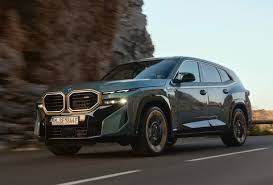
The shift towards electric SUVs is undeniable, and both German marques have made significant strides for 2025. BMW’s iX stands out as its chief electric SUV, a distinctive and innovative vehicle. Despite its premium price tag, the iX justifies it with powerful acceleration, a remarkably spacious and functional interior, and cutting-edge technology that feels genuinely futuristic. Its unique design and generous cargo capacity make it a strong contender for those seeking an uncompromised electric family vehicle.
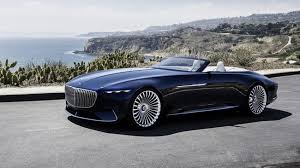
Mercedes-Benz offers a broader, though still somewhat intricate, electric SUV range: the EQB, EQE SUV, and EQS SUV. The EQB, an electric version of the GLB, provides an entry point into luxury electric SUVs with surprising practicality. The EQE SUV and EQS SUV share design language and many features with their sedan counterparts, offering elegant interiors and quiet rides. However, as an expert, I’ve noted that the EQE SUV’s driving range can sometimes be perceived as merely “adequate” for its class, and the EQS SUV, while luxurious, doesn’t always lead in cargo capacity when stacked against key rivals. The unique design language of the iX and its holistic approach to electric performance and practicality give BMW a strong hand here.
Winner: BMW
Luxury Large Cars: The Flagship Experience
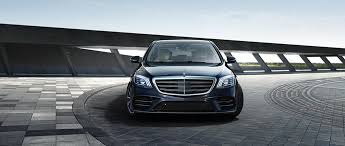
When we ascend to the realm of full-size luxury flagships, the focus shifts to ultimate comfort, prestige, and groundbreaking innovation. This is traditionally Mercedes-Benz territory, and in 2025, the S-Class continues its reign as the gold standard. Few vehicles can rival the sheer comfort, opulence, and sense of occasion delivered by the S-Class. Its cabin is a sanctuary, effectively shielding occupants from the outside world, making every journey feel first-class. The advanced MBUX infotainment system, with its intuitive voice commands (“Hey, Mercedes…”), remains an industry benchmark for user experience and sophisticated integration.
BMW’s 7 Series stands just behind the S-Class, offering its own distinctive take on a world-class cabin. For 2025, the 7 Series has refined its modern aesthetic, offering powerful infotainment with a slightly steeper learning curve than MBUX, but with immense capability. While the S-Class prioritizes buttery-smooth comfort, the 7 Series still offers a more engaging driving experience for those who appreciate piloting their large luxury sedan. However, for the sheer benchmark of serene luxury and technological integration in a large car, the S-Class remains largely unchallenged.
Winner: Mercedes-Benz
Luxury Large SUVs: Dominance in Grand Scale
Scaling up the luxury SUV experience for more passengers and cargo is where the large SUV segment excels. For 2025, BMW’s X7 continues to impress by scaling up the superb attributes found in its smaller SUV siblings. It’s a sophisticated three-row machine capable of comfortably accommodating up to seven adults. The X7 boasts a sharp, modern interior, and the first- and second-row seats offer exceptional comfort for long journeys. While the iDrive infotainment system can present a minor learning curve initially, its depth of features and responsiveness are undeniable.
Mercedes-Benz offers the opulent GLS and the iconic G-Class. The GLS is a direct competitor to the X7, offering an undeniably upscale cabin and a supremely refined ride. It’s a fantastic blend of luxury and capability. The G-Class, or G-Wagen, remains a high-class off-road machine, a true statement piece. However, its rugged, purpose-built nature, while adding immense character, can sometimes compromise the overall on-road luxury experience compared to its more pavement-focused rivals. For a balanced blend of luxury, space, and dynamic performance in a large SUV, the X7 often nudges ahead.
Winner: BMW
Luxury Midsize Cars: The Heart of the Sedan Segment
The midsize luxury sedan segment is a foundational one for both brands, showcasing their core strengths. In 2025, the Mercedes-Benz E-Class remains a formidable player, akin to its S-Class sibling in establishing a segment benchmark. The E-Class delivers a comfortable, refined ride paired with a wildly high-tech cabin that, while occasionally overwhelming in its digital intensity, leaves no doubt about its advanced capabilities. It also continues to offer an impressive array of driver-assistance technologies. Mercedes also offers the CLE, a handsome two-door with stout powertrains that combines elegance with a sporty flair.
The BMW 5 Series, redesigned for previous model years and further refined for 2025, maintains its highly regarded position. While some traditionalists might note a slight softening of the raw steering feedback of its predecessors, the current 5 Series still packs the familiar punch from its lineup of potent engines and offers an incredibly balanced driving experience. Its interior has evolved to be more luxurious and tech-forward. Given both vehicles’ exceptional attributes and slightly different priorities (E-Class for overt luxury and tech, 5 Series for refined sportiness), this segment remains incredibly close.
Winner: Tie
Luxury Midsize SUVs: The Versatile Performers
Midsize luxury SUVs continue to be a sweet spot for many buyers, balancing space, luxury, and everyday practicality. For 2025, the Mercedes-Benz GLE firmly holds its ground at the top of this category. Its spacious, refined cabin effortlessly blends modern technology without feeling overbearing, a testament to Mercedes’ interior design prowess. Enhancements for 2025 include standard all-wheel drive across more trims, further updated infotainment systems, and expanded plug-in hybrid options, making it an incredibly compelling package.
BMW’s X5 is equally revered in this category. It features an upscale interior and offers more athletic handling than its Mercedes counterpart, staying true to BMW’s driving philosophy. For 2025, the X5 further enhances its advanced driver-assistance systems, including sophisticated active lane-change assist features. BMW also offers the X6, a fastback version of the X5 for those seeking a more distinctive profile, mirroring Mercedes’ GLE Coupe (formerly GLE 53 in its AMG variant). While the X5 is an exceptional vehicle, the GLE’s blend of luxurious comfort, refined technology, and broader appeal often gives it a slight edge in this critical segment.
Winner: Mercedes-Benz
Luxury Small Cars: Entry Point to Excellence
The small luxury car segment is often the entry point for new customers into these prestigious brands, and both offer compelling reasons to step in. For 2025, the BMW 3 Series continues its legacy as one of the top small luxury sedans on the market. It’s genuinely fun to drive, boasts powerful engines, offers a surprisingly large trunk for its class, and features a spacious, driver-focused interior. Its enduring appeal lies in its ability to combine everyday usability with exhilarating performance. It consistently outshines the still-commendable Mercedes-Benz C-Class, which, while more comfortable and stylish, isn’t quite as engaging to drive for the enthusiast.
BMW also caters to sportier tastes with the 2 Series coupe and the 4 Series (available as a coupe, convertible, and four-door Gran Coupe). These models offer various levels of performance and luxury. Mercedes-Benz’s entry-level CLA also provides a nimble, tech-rich experience in a sharp-looking package. However, for the quintessential blend of sportiness, luxury, and practicality in this class, the 3 Series remains the benchmark.
Winner: BMW
Luxury Sports Cars: Pure Adrenaline
In the realm of luxury sports cars, the emphasis shifts squarely to performance and driving exhilaration. Here, BMW holds a distinct edge, though the choice ultimately depends on your specific definition of performance. If pure, unadulterated driving pleasure is your goal, BMW’s M division offers legendary options. The M3 remains a renowned sport sedan, while the M4 has solidified its position as a high-horsepower coupé icon. The M2, particularly for 2025, continues to be lauded as perhaps the most faithful embodiment of BMW’s performance heritage – raw, engaging, and incredibly rewarding. For open-air enthusiasts, the Z4 provides a stylish and spirited roadster experience.
Mercedes-Benz offers its own compelling sports cars, most notably the AMG GT, which provides an exciting and visceral driving experience. The SL, while offering incredible luxury and open-air cruising, leans more towards a grand-touring car than a pure sports machine. While Mercedes’ AMG variants across its lineup are phenomenal performance vehicles, BMW’s dedicated M cars and its range of sporty coupes and roadsters often offer a broader and more focused “sports car” proposition in this segment.
Winner: BMW
Luxury Subcompact SUVs: Maximizing Small Spaces
At the entry level of the SUV hierarchy, subcompact luxury SUVs need to cleverly maximize space and deliver premium features within a smaller footprint. For 2025, the BMW X1 stands alone atop this segment. It makes brilliant use of its size, featuring a sharp, well-crafted cabin outfitted with a long list of standard features that often surprise buyers at this price point. Its handling dynamics strike a superb balance between comfortable urban cruising and responsive, agile movements. BMW also offers the X2, a sportier, coupé-like alternative that, while sacrificing some cargo space, remains fun and functional.
The Mercedes-Benz GLA, while offering a fun-to-drive experience and an upscale cabin, generally ranks mid-pack among small SUVs. It’s a stylish offering but often perceived as slightly less refined than other Mercedes SUVs and lags behind rivals like the X1 in practical cargo space. The holistic package of the X1, combining premium features, excellent space utilization, and balanced dynamics, makes it a standout.
Winner: BMW
Safety: The Guardians of the Road
In 2025, safety transcends passive protection; it’s about active prevention, predictive intelligence, and seamless driver assistance. Both BMW and Mercedes-Benz offer stellar safety scores across their lineups, integrating the latest advancements in ADAS (Advanced Driver-Assistance Systems) as standard or readily available options.
BMW models like the 2-Series, 3-Series, 5-Series, and X3 consistently achieve top-tier safety ratings. They come equipped with comprehensive suites of safety tech, including advanced forward collision avoidance, sophisticated lane-departure warning systems, adaptive cruise control, and increasingly, AI-driven predictive accident avoidance. These systems are not just reactive; they anticipate potential hazards, providing an extra layer of confidence.
Mercedes-Benz, with models like the C-Class, E-Class, GLC-Class, and GLE-Class, performs nearly as well, offering similar comprehensive safety suites and high crash-test scores. Their intelligent drive systems are among the most intuitive in the industry. It is important to note, however, that the safety evaluation of many newer electric vehicles and conventionally powered models for 2025 by independent organizations is an ongoing process, given the rapid pace of automotive development. Both brands are at the forefront of vehicle-to-infrastructure communication and advanced sensor fusion, constantly pushing the envelope in proactive safety.
Winner: BMW
Performance: The Thrill Behind the Wheel
For performance enthusiasts, BMW has long been synonymous with driving pleasure, and this holds true in 2025. Across its entire range, BMW vehicles are meticulously engineered to excite behind the wheel. From the foundational 3-Series, which still defines the sport sedan segment, to the expansive 7-Series and 8-Series, BMW successfully translates its “Ultimate Driving Machine” ethos into various vehicle sizes. Critically, its expanding lineup of electric cars, including the i4, i7, and iX, are earning some of the highest performance scores, demonstrating that electrification can enhance, rather than diminish, driving dynamics. The M3 and M4 remain iconic performance stalwarts, delivering exhilarating power and handling.
Mercedes-Benz also offers formidable performance, particularly through its AMG division. The S-Class, with its potent engine options, provides effortless power. The AMG GT and SL are dedicated performance and grand-touring machines, respectively. The EQS sedan, despite its luxury focus, delivers startling acceleration. For those seeking even racier Mercedes-Benz vehicles, the extensive range of AMG models, now incorporating more hybridization, offers breathtaking performance. However, for a consistent thread of driver engagement and athletic prowess woven throughout the entire brand portfolio, BMW retains a slight edge. Models like the GLA and GLB, while excellent value propositions, do prioritize comfort and accessibility over outright performance within the Mercedes lineup.
Winner: BMW
Reliability: The Long-Term Commitment
Reliability, particularly in the context of complex luxury vehicles in 2025, is paramount for long-term ownership satisfaction. While scores can be somewhat varied across specific models and rapidly evolving technologies, BMW generally shows stronger and more consistent reliability data from major tracking organizations.
BMW reports reliability scores for a broader range of its models, and these often land in the “Great” category, with the X3 and X1 scoring exceptionally well. The 2 Series and 7 Series also consistently earn high marks. As a brand, BMW’s overall average predicted reliability tends to hover above the industry average for luxury vehicles. It’s worth noting that evaluations for electric models and newer conventionally powered vehicles are still emerging.
Mercedes-Benz, while producing exceptionally well-built vehicles, has historically had fewer models fully evaluated for long-term reliability by some agencies. Those that are scored, such as the E-Class and GLE, often perform well, but the brand’s overall average can sometimes be slightly lower than BMW’s, often landing in the “Average” to “Good” range.
Both brands provide excellent backing for their vehicles, including a four-year/50,000-mile powertrain warranty. For electric vehicles, BMW’s battery packs typically carry an eight-year/100,000-mile warranty, while Mercedes-Benz often provides a more generous 10-year/155,000-mile warranty for its EV batteries, a significant consideration for luxury car financing and long-term electric luxury SUV ownership.
Winner: BMW
Interior: The Sanctuary of Luxury
If BMW is the performance standard, then Mercedes-Benz unequivocally sets the bar for cabin comfort and interior opulence. In 2025, Mercedes-Benz continues to craft automotive interiors that are among the best in the industry, if not the absolute pinnacle. Whether it’s the sumptuously appointed GLE, the expansive GLS, the technologically advanced E-Class, or the gold-standard S-Class, the fit, finish, material quality, and sheer aesthetic appeal are consistently top-notch. Their MBUX infotainment system and ambient lighting elevate the experience to a true sanctuary, making them ideal for those seeking the best luxury car deals for unparalleled comfort.
BMW has made significant strides in interior design and quality. Models like the X1, X3, and i7 offer outstanding cabins, showcasing excellent build quality, intuitive layouts, and impressive digital integration. There is a strong sense of quality and precision across many BMW models, and their driver-focused cockpits are ergonomically brilliant. However, even with these improvements, they generally don’t quite reach the same level of lavishness, artistic flair, and perceived material richness that Mercedes-Benz consistently delivers across its core models. Mercedes’ approach to interior design often feels more grand and overtly luxurious.
Winner: Mercedes-Benz
The Ultimate Decision for 2025
After a thorough examination of their 2025 lineups across various segments and critical attributes, the perennial question remains: BMW or Mercedes-Benz? Both German luxury automakers continue to offer truly exceptional products, pushing the boundaries of what’s possible in premium vehicles. They represent the absolute best in automotive engineering, design, and technological innovation.
However, in a head-to-head comparison, and particularly for the evolving demands of 2025, BMW emerges as the victor in more key categories. BMW has undeniably demonstrated its ability to create vehicles that are not only engaging to drive and technologically advanced but also refined, modern, and increasingly versatile across their combustion and electric offerings. Their consistent focus on driver connection, whether through the precision of a high-performance luxury sedan or the efficiency of an electric luxury SUV, resonates strongly in an era where driving dynamics are being redefined.
Mercedes-Benz, on the other hand, continues to excel in its dedication to unparalleled comfort and interior opulence. Its cabins are truly world-class, and many of its vehicles set the benchmark for refinement and digital integration in their respective segments. For buyers whose priority is a serene, technologically rich, and incredibly comfortable ride, Mercedes-Benz remains an undisputed champion.
As the automotive landscape continues its rapid evolution towards electrification, autonomous capabilities, and hyper-personalized experiences, it will be fascinating to witness how these two legendary brands further adapt and innovate. But for now, if you’re seeking a comprehensive package that leans into the future with a blend of exhilarating performance, cutting-edge technology, and consistent driving engagement across a broad range of premium vehicles, BMW holds a distinct edge.
Ready to experience the pinnacle of German luxury? Don’t just read about it – feel the thrill, immerse yourself in the comfort, and explore the advanced technology firsthand. Visit your nearest authorized BMW or Mercedes-Benz dealership today to schedule a personalized test drive. Our experts are ready to guide you through the 2025 lineup, discuss bespoke customization options, and help you unlock exclusive luxury car financing or lease deals tailored to your preferences. Discover which German icon truly aligns with your vision for the ultimate driving experience.