
BMW vs. Mercedes-Benz: The 2025 Ultimate Showdown of German Luxury Titans
For decades, the automotive world has been captivated by a rivalry that defines premium motoring: BMW versus Mercedes-Benz. As someone who has spent the last ten years navigating the intricate landscape of high-end vehicles, I’ve witnessed firsthand how these German titans continually push the boundaries of luxury, performance, and innovation. Heading into 2025, the stakes are higher than ever, with electrification, advanced autonomous features, and increasingly discerning consumer tastes reshaping the market. No longer is it simply about horsepower or plush leather; it’s about a holistic ownership experience, a digital ecosystem, and a commitment to future mobility.
These two brands aren’t just selling cars; they’re selling philosophies. BMW, often touted as “The Ultimate Driving Machine,” has traditionally championed an exhilarating, driver-centric experience, blending precision engineering with athletic prowess. Mercedes-Benz, on the other hand, lives by “The Best or Nothing,” prioritizing unparalleled comfort, opulent interiors, and a serene, refined journey. But in 2025, these distinct identities are blurring and evolving. BMW is infusing its lineup with more luxury and cutting-edge tech, while Mercedes-Benz is sharpening its performance edge, particularly with its AMG sub-brand and advancements in EV powertrains. The question remains: as we accelerate into the mid-2020s, which brand truly dominates the luxury landscape? Let’s dive into a segment-by-segment and attribute-by-attribute analysis, providing you with the definitive comparison for the 2025 market.
The Evolving Philosophy: Performance Meets Poise in 2025
The core tenets of BMW and Mercedes-Benz, while still evident, are undergoing a significant transformation. BMW’s traditional focus on dynamic handling and driver engagement is now seamlessly integrated with sophisticated comfort and state-of-the-art digital interfaces, spearheaded by the latest iDrive 9 system. Its “Neue Klasse” electric architecture, previewed for releases extending into 2025 and beyond, promises to redefine what an electric BMW can be: a perfect marriage of sustainable performance and integrated intelligence. This isn’t just about raw speed; it’s about an intuitive connection between car and driver, enhanced by augmented reality and predictive assistance.
Mercedes-Benz, meanwhile, continues to set the benchmark for interior opulence and passenger comfort. Its MBUX Hyperscreen and upcoming iterations are more than infotainment systems; they are digital concierges, offering an immersive, personalized experience. Yet, 2025 sees Mercedes-Benz aggressively pursuing performance, with AMG-tuned EVs and more agile conventional powertrains. The focus is on making the journey as effortless as it is luxurious, with advanced air suspensions, noise cancellation, and a plethora of driver-assist systems designed for ultimate relaxation. Both brands are navigating the transition to electrification with distinct strategies, yet both are converging on a future where luxury is defined by seamless technology, sustainable materials, and an unforgettable experience.
Luxury Compact SUVs: Agile Elegance for the Urban Jungle
Winner: BMW
Compact luxury SUVs remain a fiercely competitive segment, perfectly blending utility with premium appeal for urban dwellers and small families. For 2025, the BMW X3 and its sloped-roof sibling, the X4, continue to impress. The X3, particularly, is expected to receive further refinements, solidifying its position with a spacious, driver-focused cabin, exceptional build quality, and powertrains that deliver both efficiency and spirited performance. Its intuitive handling makes navigating city streets and winding backroads equally enjoyable. The X3’s sophisticated chassis and responsive steering maintain BMW’s heritage while offering contemporary comfort.
Mercedes-Benz counters with the GLB, known for its practical three-row seating option, and the GLC, which offers a more plush and serene ride. While the GLC provides an undeniably elegant interior experience and fuel-efficient hybrid options, the X3’s blend of athletic handling, superior infotainment integration, and a cabin that feels both premium and purposeful gives it the edge for those seeking a true driving luxury compact SUV. The X4, while sacrificing some practicality for style, offers an even sportier alternative for those prioritizing dynamic aesthetics.
Luxury Electric Cars: The Silent Revolutionaries
Winner: BMW
The electric luxury car market is exploding, and both BMW and Mercedes-Benz are pouring significant resources into their EV lineups. For 2025, BMW’s dedicated EV platforms, especially with the “Neue Klasse” influence starting to trickle down, are making a strong statement. The BMW i4, an electric counterpart to the 4 Series Gran Coupe, brilliantly fuses performance with practicality, offering quick acceleration and a genuinely engaging driving experience. Its larger sibling, the i7, is BMW’s electric flagship, a bold statement of futuristic design and formidable power, providing executive-level comfort without compromise. The upcoming i5, slated for a stronger presence in 2025, promises to bring this electric prowess to the highly competitive midsize sedan segment.
Mercedes-Benz’s EQE and EQS sedans offer breathtakingly opulent interiors and a ride quality that borders on silent serenity. The EQS, in particular, with its available Hyperscreen, creates an unmatched digital lounge. However, BMW’s EVs often deliver a more cohesive driving dynamic and better efficiency in real-world conditions. While Mercedes excels in interior theatrics, BMW’s i-series vehicles, by 2025, have matured into more balanced packages, offering superior battery management, natural driving feel, and a more seamless integration into the BMW ownership experience. For those seeking “luxury electric car lease deals” with strong performance, BMW offers compelling options.
Luxury Electric SUVs: Sustainable Powerhouses
Winner: BMW
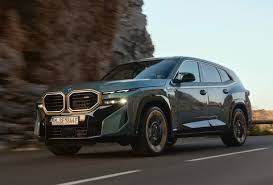
Electrification in the SUV segment is crucial, and BMW’s commitment is evident in its current and forthcoming offerings. The BMW iX, a polarizing design choice for some, is a technological marvel underneath. Its powerful acceleration, innovative interior featuring sustainable materials, and a spacious cabin with cutting-edge connectivity solidify its position as a leading luxury electric SUV for 2025. It offers impressive range and practicality, making it a strong contender for luxury EV buyers. BMW is also expanding its electric SUV offerings, with an electrified X3 variant expected to gain significant traction.
Mercedes-Benz has a broader range of electric SUVs with the EQB, EQE SUV, and EQS SUV. While these vehicles boast sumptuous interiors and a smooth ride, their somewhat complex naming convention and occasionally compromised cargo capacity (especially in the EQS SUV compared to its large footprint) can be drawbacks. The EQE SUV, while elegant, can sometimes feel less dynamic than its BMW counterpart. BMW’s iX consistently delivers a more integrated package of performance, luxury, and functionality, making it a more compelling choice for many seeking a premium electric SUV experience.
Luxury Large Cars: The Pinnacle of Automotive Excellence
Winner: Mercedes-Benz
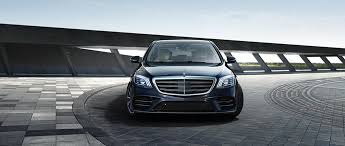
When it comes to the ultimate expression of automotive luxury and prestige, few cars can match the Mercedes-Benz S-Class. For 2025, the S-Class continues its reign as the gold standard of large luxury sedans, offering a cocoon of comfort, advanced technology, and exquisite materials. Its cabin effortlessly shields occupants from the outside world, providing an unparalleled sense of calm and refinement. The advanced MBUX system, now even more intuitive, responds to complex voice commands, making the driving and passenger experience truly seamless. The S-Class isn’t just a car; it’s a statement, a mobile sanctuary.
BMW’s 7 Series, significantly redesigned in recent years, presents a bold, modern vision of luxury. It offers a powerful range of engines, including compelling plug-in hybrid and fully electric options, and a technologically advanced interior. The 7 Series provides a more engaging driving experience than the S-Class, adhering to BMW’s performance heritage. However, for sheer unadulterated comfort, passenger pampering, and an aura of effortless grandeur, the Mercedes-Benz S-Class continues to hold the slight edge in 2025. For the executive seeking “high-end automotive interior” and peerless comfort, the S-Class remains an irresistible choice.
Luxury Large SUVs: Grand Presence, Grand Capability
Winner: BMW
In the realm of full-size luxury SUVs, BMW demonstrates a masterful ability to scale its core attributes. The 2025 BMW X7 is a formidable three-row machine, effortlessly combining a commanding presence with a refined driving experience. Its interior is impeccably designed, offering comfort for up to seven passengers, with premium materials and advanced infotainment. While the iDrive system has a learning curve for newcomers, its functionality and depth are unmatched once mastered. The X7 delivers a blend of luxury, practicality, and surprisingly agile handling for its size, making it a family hauler that doesn’t compromise on driving pleasure.
Mercedes-Benz offers the GLS, a direct competitor to the X7, known for its plush ride and upscale cabin, providing a highly refined experience. The iconic G-Class (G-Wagen), while an off-road legend, often compromises on pure luxury refinement and on-road comfort compared to its rivals due to its rugged architecture. While both are impressive, the X7, particularly with its refined powertrains and comprehensive technology suite for 2025, presents a more balanced and dynamic luxury SUV package for the majority of buyers. Its “luxury SUV comparison 2025” frequently places it at the top for its blend of driving dynamics and practicality.
Luxury Midsize Cars: The Sweet Spot of Performance and Prestige
Winner: Tie
The midsize luxury sedan segment is where these two brands traditionally duke it out with their most iconic models. For 2025, the Mercedes-Benz E-Class remains a cornerstone, epitomizing comfortable sophistication. Its cabin is a technological marvel, offering a serene ride quality, and an extensive list of driver-assistance features. The E-Class manages to blend advanced tech with timeless elegance, although the sheer volume of digital features can feel overwhelming at first. Mercedes also offers the stylish CLE, a two-door coupe and convertible that blends E-Class luxury with C-Class agility.
The BMW 5 Series, recently redesigned, continues to be a benchmark for athletic driving in its class. While some purists might debate the steering feedback of its predecessors, the 2025 5 Series still delivers potent engine options, a refined chassis, and an increasingly luxurious interior. Its plug-in hybrid and electric (i5) variants further enhance its appeal. Both the E-Class and 5 Series offer distinct interpretations of luxury midsize motoring. Your choice here depends entirely on your priority: ultimate comfort and digital integration (E-Class) or a more engaging, performance-oriented drive (5 Series). For “luxury car buying guide” advice, this segment demands a test drive of both.
Luxury Midsize SUVs: Versatile Powerhouses
Winner: Mercedes-Benz
Midsize luxury SUVs are arguably the most popular segment, offering an ideal balance of space, comfort, and performance. The 2025 Mercedes-Benz GLE continues to set a high bar, boasting a remarkably spacious and refined cabin that seamlessly integrates modern technology without being overbearing. Its ride quality is exceptionally smooth, and the availability of sophisticated air suspension systems further enhances comfort. With standard all-wheel drive, updated infotainment, and increasingly efficient mild-hybrid and plug-in hybrid powertrains, the GLE is a compelling package.
The BMW X5 is equally revered, offering an upscale interior and handling that’s notably more athletic than its Mercedes counterpart. Its powerful engines and precise steering make it a joy to drive. However, for sheer cabin refinement, user-friendliness of its infotainment (compared to iDrive’s initial learning curve for some), and overall ride composure, the GLE slightly edges out the X5 for a broader audience seeking a truly luxurious and versatile SUV experience. Mercedes also offers the GLE Coupe, a stylish alternative to the BMW X6.
Luxury Small Cars: Entry Point to Premium Driving
Winner: BMW
For those entering the luxury market, small premium cars offer a taste of German engineering without the full price tag. The BMW 3 Series has long been the gold standard for compact luxury sedans, and the 2025 model continues this tradition. It’s renowned for its engaging driving dynamics, powerful and efficient engines, and a spacious, well-appointed interior for its class. It perfectly encapsulates BMW’s “Ultimate Driving Machine” ethos in a more accessible package. BMW also offers the sporty 2 Series coupe and the versatile 4 Series (coupe, convertible, and Gran Coupe).
The Mercedes-Benz C-Class is a commendable rival, offering a more comfort-focused ride and a visually stunning interior inspired by the S-Class. It’s certainly luxurious, but often less engaging to drive than the 3 Series. Mercedes’ entry-level CLA sedan, while nimble and tech-packed, doesn’t quite match the overall refinement or driving pleasure of the BMW 3 Series or 2 Series. For a true blend of luxury and driving enjoyment at this level, BMW continues to lead. These are excellent options for those seeking “luxury car lease deals” on a premium sedan.
Luxury Sports Cars: Adrenaline and Precision
Winner: BMW
When it comes to pure driving exhilaration and track-ready performance, BMW’s M division has carved out an almost untouchable niche. For 2025, BMW’s performance heritage shines through its M2, M3, and M4 lineup. The M2, in particular, is a raw, unadulterated driver’s car, delivering immense power and razor-sharp handling in a compact package. The M3 and M4 are iconic sport sedans and coupes, respectively, offering mind-bending performance combined with everyday usability. The Z4 Roadster provides open-air thrills with potent inline-six engines.
Mercedes-Benz offers dedicated sports cars like the exciting AMG GT and the luxurious SL Roadster. The AMG GT is a sensational machine, delivering immense power and a thrilling exhaust note. The SL is more of a grand-touring convertible, emphasizing luxurious cruising over aggressive track work. While Mercedes has powerful AMG variants of almost all its models, BMW’s dedicated M cars, especially the M2 and M3/M4, feel more focused on the pure, unadulterated sports car experience. For performance enthusiasts, the “high-performance luxury sedans” from BMW are often the first choice.
Luxury Subcompact SUVs: Premium in a Smaller Footprint
Winner: BMW
The smallest luxury SUVs are increasingly popular, offering premium features and styling in a city-friendly size. The 2025 BMW X1 stands atop this segment, making excellent use of its compact dimensions to provide a surprisingly spacious and well-crafted cabin. It comes loaded with standard features, and its handling strikes an impressive balance between comfort and responsiveness. The X1 feels premium, functional, and genuinely enjoyable to drive, embodying a sense of sophisticated practicality. Its fastback counterpart, the X2, offers similar dynamics with a more distinctive visual flair.
Mercedes-Benz offers the GLA, which, while fun to drive and featuring an upscale interior, can feel less refined than larger Mercedes SUVs and sometimes lacks optimal cargo space. It occupies a mid-pack position in this competitive segment. BMW’s X1 simply delivers a more cohesive and compelling package, offering superior interior space, driving dynamics, and a higher level of perceived quality for its price point. It represents a strong value proposition in the “premium SUV market analysis” for smaller vehicles.
Pillars of Luxury: A Deeper Analysis for 2025
Safety & Driver Assistance (ADAS)
Winner: BMW
Both BMW and Mercedes-Benz are at the forefront of automotive safety and advanced driver-assistance systems (ADAS). For 2025, these systems are more sophisticated than ever, blending Level 2+ semi-autonomous driving capabilities with predictive safety features. BMW’s suite, often including features like Highway Assistant allowing hands-free driving on designated roads, and advanced automatic emergency braking and lane-keeping assist, is meticulously integrated. BMW’s commitment to safety is evident across its core models like the 2, 3, 5 Series, and X3, which consistently earn top safety ratings from organizations like IIHS and NHTSA. Mercedes-Benz’s systems are equally comprehensive, but BMW’s blend of robust engineering and seamless system integration often feels a touch more intuitive and reliable in diverse driving conditions, offering peace of mind.
Performance & Driving Dynamics
Winner: BMW
This has long been BMW’s domain, and for 2025, it largely remains so. From the agile 3 Series to the executive 7 Series, BMW vehicles are engineered to connect the driver with the road. The emphasis on balanced chassis, precise steering, and powerful yet refined engines (including their electric powertrains) creates an engaging experience across the board. The M division’s specialized vehicles are undisputed leaders in performance luxury. While Mercedes-Benz has formidable AMG models and impressive acceleration in its higher-end EVs, BMW’s fundamental driving dynamics across its entire range often provide a more athletic and satisfying feel behind the wheel for driving enthusiasts.
Reliability & Ownership Experience
Winner: BMW
Reliability scores for luxury brands can fluctuate, but by 2025, BMW has generally shown stronger and more consistent reliability data across its expanded model lineup according to various independent surveys. While both brands offer premium ownership experiences, including comprehensive warranties (four-year/50,000-mile powertrain), BMW’s higher predicted reliability scores for models like the X1, X3, 2 Series, and 7 Series, as reported by consumer intelligence firms, give it a slight edge. Mercedes-Benz also provides a robust 10-year/155,000-mile warranty on its EV batteries, surpassing BMW’s eight-year/100,000-mile offering, which is a crucial factor for “EV battery warranty comparison.” However, the broader consistency across conventionally powered models leans towards BMW.
Interior Opulence & Digital Ecosystems
Winner: Mercedes-Benz
If driving dynamics belong to BMW, then interior luxury and digital prowess are where Mercedes-Benz truly shines. For 2025, Mercedes-Benz continues to set the industry standard for automotive interiors. Models like the GLE, GLS, E-Class, and especially the S-Class, feature exquisitely crafted cabins, utilizing the finest materials, innovative designs, and unmatched ambient lighting. The MBUX system, particularly with the available Hyperscreen, provides a visually stunning and highly intuitive digital ecosystem, making every interaction feel premium and personalized. BMW’s interiors, especially in newer models like the X1, X3, and i7, have significantly improved, offering excellent build quality and advanced features with iDrive 9. Yet, Mercedes-Benz maintains its lead in creating an overall atmosphere of unparalleled comfort, sensory delight, and digital integration. For those prioritizing “best luxury car interiors,” Mercedes remains the benchmark.
The Verdict: A Nuanced Conclusion for 2025
After a comprehensive head-to-head analysis across the dynamic automotive landscape of 2025, the rivalry between BMW and Mercedes-Benz remains incredibly close, showcasing two distinct yet equally compelling interpretations of luxury. While Mercedes-Benz consistently delivers unparalleled interior opulence, advanced digital ecosystems, and a ride quality that prioritizes serene comfort, BMW edges out its rival by winning more individual segments and demonstrating a more consistent blend of engaging driving dynamics, refined technology, and overall reliability across its diverse lineup.
BMW’s ability to evolve “The Ultimate Driving Machine” philosophy to embrace electrification and sophisticated comfort, without sacrificing its core performance identity, has been impressive. Its models, from compact SUVs to flagship electric sedans, offer a more balanced and often more exciting driving experience for a broader range of buyers. Mercedes-Benz, however, continues to define traditional luxury and passenger pampering, especially in its larger, more expensive segments.
The Road Ahead: Innovation and Choice
As we move further into the decade, both BMW and Mercedes-Benz will continue to push the boundaries of automotive engineering. Expect more sustainable materials, increasingly sophisticated AI-driven personal assistants, and higher levels of autonomous driving capabilities. The “future of luxury EVs” will be shaped by these two titans, with new platforms, battery technologies, and charging infrastructures. Their ongoing innovation ensures that premium vehicle consumers will have an extraordinary array of choices, perfectly tailored to their desires for performance, comfort, or a harmonious blend of both.
Ready to experience the pinnacle of German engineering for yourself? Explore the latest 2025 BMW and Mercedes-Benz models and discover the perfect luxury vehicle that aligns with your driving aspirations and lifestyle. Visit your nearest dealership today to take a test drive and truly feel the difference.