
BMW vs. Mercedes-Benz: An Expert’s 2025 Insight into German Luxury Automotive Dominance
For decades, two titans of the automotive world have carved out their legacies at the zenith of luxury and performance: BMW and Mercedes-Benz. Their badges, steeped in history and engineering prowess, represent far more than mere transportation; they embody aspirations, technological frontiers, and a deeply personal driving philosophy. As we navigate the rapidly evolving landscape of 2025, where electrification, artificial intelligence, and sustainable luxury redefine expectations, the enduring rivalry between these German stalwarts remains as fierce and fascinating as ever. From my vantage point, having witnessed a decade of transformative shifts in the premium automotive performance sector, distinguishing between these two formidable brands requires a nuanced understanding of their core identities and their ambitious visions for the future.
This isn’t merely a contest of specifications; it’s a battle of philosophies. Are you seeking the visceral thrill of an “Ultimate Driving Machine” refined for the digital age, or the serene embrace of an “oasis of calm” that epitomizes “The Best or Nothing”? Both brands offer unparalleled sophistication, cutting-edge automotive technology innovation, and bespoke craftsmanship. Yet, their approaches to delivering these attributes diverge significantly, catering to distinct segments of the discerning luxury buyer. Let’s embark on a detailed, segment-by-segment journey through their 2025 lineups, followed by a deeper dive into critical ownership aspects, to determine which marque truly stands as the cornerstone of the modern luxury market.
The Evolving Philosophies: Driving Dynamics vs. Opulent Serenity in 2025
BMW has long championed the driver, crafting vehicles renowned for their precise handling, direct steering feedback, and engaging powertrains. While “The Ultimate Driving Machine” moniker remains potent, BMW in 2025 is reinventing this ethos for an electrified, connected era. Their strategy involves seamlessly integrating robust electric drivetrains, sophisticated adaptive suspension systems, and active steering technologies into platforms that still prioritize a tactile, exhilarating experience. The forthcoming “Neue Klasse” architecture, set to underpin a new generation of electric vehicles, signals a profound commitment to maintaining this driver-centric focus while embracing sustainable luxury automotive practices. BMW’s innovation is not just about raw power; it’s about intelligent performance, where every input is met with an immediate, confident response, often appealing to those who appreciate high-performance luxury vehicles.
Mercedes-Benz, on the other hand, has historically prioritized passenger comfort, opulent interiors, and a ride quality that insulates occupants from the outside world. In 2025, their “The Best or Nothing” philosophy finds expression in hyper-advanced MBUX infotainment systems, sprawling digital displays, and an almost obsessive attention to detail in craftsmanship luxury interiors. The brand excels at creating mobile sanctuaries, utilizing advanced noise cancellation, air suspension, and massaging seats to deliver an unrivaled sense of calm and refinement. While their AMG division consistently produces electrifying performance variants, the core Mercedes-Benz experience remains centered on effortless elegance, groundbreaking safety features, and a sense of occasion for every journey. Their electric luxury vehicle market entries, particularly under the EQ sub-brand, further emphasize range, rapid charging, and an even deeper dive into digital luxury and autonomous driving features luxury.
Segment-by-Segment Showdown: 2025 Market Landscape
Luxury Compact SUVs:
BMW’s Edge: The BMW X3 and its fastback sibling, the X4, continue to impress in 2025 with their athletic handling, strong engine lineup (including compelling PHEV and iX3 electric variants), and a practical yet driver-focused cabin. The X3, in particular, balances urban maneuverability with genuine touring comfort, making it a perennial favorite for those seeking an engaging premium crossover.
Mercedes-Benz’s Appeal: The Mercedes-Benz GLB and GLC offer distinct propositions. The GLB stands out with its boxier, utilitarian design and optional third-row seating, appealing to young families. The GLC, recently refreshed, boasts a sumptuously appointed interior with advanced MBUX tech and a refined, composed ride. While perhaps not as overtly sporty as the BMWs, their emphasis on interior luxury and comfort is undeniable.
Luxury Electric Cars:
BMW’s Momentum: BMW’s i4 and the flagship i7 have made significant inroads in the luxury EV space. The i4, particularly in M50 guise, delivers performance that genuinely echoes its combustion counterparts, making it a compelling choice for enthusiasts transitioning to electric. The i7, an electric counterpart to the 7 Series, brings bold design and formidable power with an interior that balances digital sophistication with physical controls, aiming for a driver-centric luxury EV experience.
Mercedes-Benz’s Vision: Mercedes-Benz’s EQE and EQS sedans showcase a commitment to dedicated EV architecture. The EQS, with its flowing aerodynamic lines and available Hyperscreen, truly feels like a spaceship on wheels, prioritizing exceptional luxury EV range and charging capabilities, along with unparalleled cabin serenity. The EQE offers a similar, albeit scaled-down, experience, making both strong contenders for executive sedan comparison, emphasizing technological prowess and effortless cruising.
Luxury Electric SUVs:
BMW’s Innovation: The BMW iX continues to be a polarizing but ultimately brilliant entry. Its avant-garde styling hides a remarkably spacious, high-tech, and sustainable interior, pushing boundaries in material choices and digital integration. The iX delivers potent acceleration and a surprisingly comfortable ride for its size, cementing its place as a leader in premium electric SUV offerings.
Mercedes-Benz’s Luxury: Mercedes-Benz counters with the EQE SUV and EQS SUV. These models bring the luxurious cabins and advanced infotainment of their sedan siblings to the SUV format. While the EQS SUV offers vast space and comfort, the EQE SUV aims for a more balanced package. Mercedes’ focus here is on enveloping luxury and advanced driver assistance systems, though some critics note their cargo capacity isn’t always class-leading.
Luxury Large Cars:
Mercedes-Benz’s Zenith: The Mercedes-Benz S-Class remains, in my professional opinion, the gold standard for full-size luxury sedans. Its cabin is an exquisite blend of cutting-edge technology, sumptuous materials, and unmatched comfort. The S-Class doesn’t just transport; it cocoons, setting the benchmark for the entire industry in features like active road noise cancellation, advanced MBUX voice control, and innovative safety systems.
BMW’s Bold Alternative: The BMW 7 Series, especially in its latest iteration, offers a distinct and unapologetically bold vision of luxury. While it has become more comfort-oriented, it still retains BMW’s hallmark driver engagement, offering powerful engines (including PHEV and the i7 electric) and sophisticated chassis dynamics. Its interior is a tech tour-de-force, appealing to those who prefer a more assertive, engaging executive sedan comparison.
Luxury Large SUVs:
BMW’s Blend: The BMW X7 adeptly scales the brand’s best attributes into a three-row luxury SUV. It offers a commanding presence, a well-appointed interior with genuine space for adults in the first two rows, and driving dynamics that defy its size. It’s a compelling choice for families who refuse to compromise on driving enjoyment.
Mercedes-Benz’s Refinement & Ruggedness: The Mercedes-Benz GLS is rightly dubbed the “S-Class of SUVs,” delivering an incredibly refined ride, a lavish cabin, and powerful engine options. For those seeking true off-road capability combined with uncompromising luxury, the iconic G-Class stands alone, a testament to enduring design and brute strength, albeit with a unique compromise on daily driving refinement.
Luxury Midsize Cars:
A Close Contest: This segment is arguably where the rivalry is most intense. The BMW 5 Series, particularly with its latest redesign and the introduction of the all-electric i5, strikes a near-perfect balance between sportiness and executive comfort. It remains a driver’s car at heart, albeit a more refined one.
Mercedes-Benz’s Serenity: The Mercedes-Benz E-Class, with its supremely comfortable ride, impeccably crafted interior, and cutting-edge digital architecture, continues to dominate the comfort-focused end of the spectrum. It feels like a miniature S-Class, offering a highly sophisticated and relaxing ownership experience, laden with advanced driver-assistance tech.
Luxury Midsize SUVs:
Mercedes-Benz’s Comfort King: The Mercedes-Benz GLE, especially after its recent updates for 2025, reinforces its position as a benchmark for comfort and technological integration in the midsize luxury SUV segment. Its plush ride, spacious and exquisitely finished cabin, and intuitive MBUX system make it a top contender for luxury car buyers prioritizing refinement and a serene driving environment. Plug-in hybrid variants further enhance its appeal.
BMW’s Dynamic Choice: The BMW X5 (and its coupé counterpart, the X6) offers a more performance-oriented take. Its handling is sharper, its powertrains are more aggressive, and its interior, while sophisticated, leans towards a driver-centric layout. For those who want their luxury SUV to also thrill on a winding road, the X5 remains a formidable choice.
Luxury Small Cars:
BMW’s Driving Prowess: The BMW 3 Series maintains its legendary status as the ultimate sport sedan. Its agile handling, potent engines, and communicative chassis make it an enthusiast’s delight. The 2 Series coupe and 4 Series (in its various forms) further cement BMW’s lead in delivering pure driving enjoyment at the entry level, offering a diverse range of high-performance luxury vehicles.
Mercedes-Benz’s Refined Entry: The Mercedes-Benz C-Class offers a more comfort-biased, scaled-down S-Class experience. Its interior is remarkably upscale for the segment, boasting advanced MBUX tech and a refined ride. The stylish CLA provides a more youthful, design-focused entry point. While less overtly sporty, they offer a sophisticated and luxurious introduction to the brand.
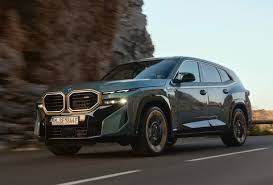
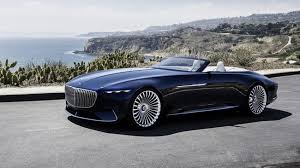
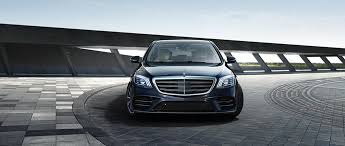
Luxury Sports Cars:
BMW’s M-Division Mastery: BMW’s M division is a performance powerhouse, offering exhilarating M2, M3, and M4 models that blur the line between road car and track weapon. These are vehicles designed for pure driving adrenaline. The Z4 roadster offers open-air motoring with engaging dynamics, appealing to those seeking driving pleasure over outright practicality.
Mercedes-Benz’s AMG Grandeur: Mercedes-AMG offers dedicated sports cars like the AMG GT and the recently re-envisioned SL. The AMG GT is a potent, track-focused machine, while the SL beautifully blends high-performance capabilities with grand-touring comfort and open-top elegance. Mercedes here often emphasizes raw power and dramatic presence.
Luxury Subcompact SUVs:
BMW’s Smart Package: The BMW X1, especially in its latest iteration, stands out in the subcompact luxury SUV segment. It offers a surprising amount of interior space, a remarkably refined ride, and a stylish, tech-laden cabin. The X1 delivers a premium experience that belies its compact footprint, demonstrating BMW’s ability to inject luxury and dynamic competence into smaller vehicles.
Mercedes-Benz’s Style: The Mercedes-Benz GLA offers a more fashion-forward approach, with coupe-like styling and a chic interior. While its cargo space can be a compromise, its nimble handling and upscale appointments appeal to urban dwellers looking for a stylish premium crossover.
Beyond the Segments: Deeper Dive into Brand Strengths (2025 Perspective)
Advanced Safety & Driver Assistance Systems (ADAS):
Both brands are pioneers in ADAS, consistently pushing the boundaries of vehicle safety. By 2025, their systems are more intuitive, proactive, and seamlessly integrated than ever. Mercedes-Benz, with its long-standing commitment to occupant protection, continues to refine features like PRE-SAFE®, which anticipates collisions and prepares the cabin for impact. Their Driving Assistance Package offers robust Level 2+ semi-autonomous capabilities, emphasizing smooth, predictive interventions. BMW’s Driving Assistant Professional suite is equally comprehensive, excelling in highway assist features and intuitive lane-keeping, often with a focus on driver confidence and natural interaction. Both integrate augmented reality navigation and sophisticated sensor arrays to enhance situational awareness, making them leaders in autonomous driving features luxury.
Driving Dynamics & Powertrain Innovation:
This is where BMW historically shines. Even with the shift towards electrification, BMW has managed to retain its core identity. Their internal combustion engines (ICE) remain benchmark for smoothness and power, complemented by increasingly sophisticated plug-in hybrid (PHEV) options. The upcoming “Neue Klasse” electric vehicles are poised to redefine electric driving dynamics, promising precise steering, finely tuned chassis, and a unique acoustic experience, aiming to preserve the essence of the “Ultimate Driving Machine.” Mercedes-Benz, while traditionally comfort-focused, has seen its AMG division flourish, offering engines that are both powerful and evocative. Their electric EQ powertrains emphasize silent, effortless acceleration and advanced energy management, providing a different, yet equally compelling, premium automotive performance experience.
Long-Term Ownership & Reliability:
Perceptions around German luxury car reliability have often been a talking point, but modern engineering from both brands has significantly improved. In 2025, both BMW and Mercedes-Benz vehicles are typically backed by a comprehensive four-year/50,000-mile limited warranty. For electric vehicles, battery warranties are crucial: Mercedes-Benz often provides a more extensive 10-year/155,000-mile coverage, while BMW offers a robust 8-year/100,000-mile warranty. Factors like resale value luxury cars, service costs, and the availability of parts remain important considerations. Both brands also offer premium service networks and digital integration to streamline maintenance and support, vital for long-term ownership.
Interior Design, Technology & Craftsmanship:
This is arguably Mercedes-Benz’s strongest suit. Their interiors, particularly in the E-Class, S-Class, and their EQ counterparts, set industry standards for craftsmanship luxury interiors. From the exquisite materials (finely stitched leather, open-pore wood, polished metal accents) to the dazzling MBUX Hyperscreen and ambient lighting, Mercedes cabins are designed to be immersive, sensual experiences. Their infotainment systems luxury cars are incredibly sophisticated, often featuring advanced AI for personalization and voice command. BMW’s interiors, while also high-quality, tend to be more driver-centric, focusing on ergonomics and a blend of physical and digital controls. The iDrive controller remains a highly effective interface, and their cabins are increasingly adopting minimalist yet technologically rich designs, featuring augmented reality head-up displays and gesture control, creating a modern, purposeful environment.
The Verdict for 2025: Who Reigns Supreme?
After a decade immersed in the luxury automotive landscape, and assessing the 2025 offerings, the perennial question of BMW vs. Mercedes-Benz remains a thrilling one. Both brands are at the pinnacle of engineering, design, and technological integration, consistently pushing boundaries in the global luxury market.
However, if forced to declare a winner based on a comprehensive evaluation across segments and a balanced interpretation of modern luxury, BMW still edges out Mercedes-Benz by a narrow margin.
BMW’s ability to inject genuine driver engagement and athletic handling into nearly every vehicle in its lineup, from the compact X1 to the flagship i7, while simultaneously embracing electrification and advanced digital features, gives it a slight lead. They’ve skillfully evolved “The Ultimate Driving Machine” philosophy to be relevant and exhilarating in 2025, maintaining their edge in overall driving dynamics and offering high-performance luxury vehicles that satisfy the enthusiast. Their balanced approach to interior luxury, while perhaps not reaching the sheer opulence of Mercedes, delivers a sophisticated and highly functional user experience.
Mercedes-Benz, without question, remains the undisputed champion of interior luxury, passenger comfort, and groundbreaking infotainment systems. For those who prioritize a serene, technologically advanced, and sumptuously appointed cabin above all else, Mercedes-Benz continues to set the standard. Their S-Class and EQE/EQS models are masterpieces of automotive design and engineering.
Ultimately, the choice hinges on your personal priorities. Are you captivated by the thrill of the drive, precise engineering, and a seamless blend of performance with cutting-edge technology? Then BMW likely holds your answer. Or do you yearn for an unparalleled sanctuary of comfort, digital extravagance, and serene elegance? Mercedes-Benz will undoubtedly fulfill your desires.
Your Luxury Journey Starts Now.
The world of premium automotive excellence is more exciting than ever. To truly understand which of these German luxury car brands aligns with your aspirations, I invite you to take the next step. Visit your local BMW and Mercedes-Benz dealerships, explore their 2025 lineups, and experience the exhilaration and refinement firsthand. Engage with product specialists, discuss luxury car lease deals or luxury car financing options, and – most importantly – get behind the wheel. The perfect luxury vehicle awaits you, tailored to your unique driving soul.