
Navigating the Apex: BMW vs. Mercedes-Benz in 2025
For decades, the automotive landscape’s pinnacle of luxury and engineering has been defined by a fierce rivalry between two German titans: BMW and Mercedes-Benz. As we accelerate into 2025, the competition remains as intense as ever, shaped by unprecedented technological advancements, the burgeoning electric vehicle revolution, and an evolving definition of premium motoring. As an industry veteran with over a decade immersed in this segment, I’ve witnessed firsthand how these brands have continuously redefined excellence. This isn’t just a battle of badges; it’s a dynamic interplay of philosophies, innovation, and an unwavering commitment to the discerning driver.
While both brands hail from Germany, their core identities have historically diverged. BMW, traditionally lauded as “The Ultimate Driving Machine,” has always prioritized an engaging, driver-centric experience, where precision engineering and dynamic handling take center stage. Mercedes-Benz, conversely, has cultivated a reputation for unparalleled comfort, stately elegance, and pioneering safety, often embodying “The Best or Nothing” with its opulent interiors and serene ride quality. Today, these lines are blurring, with each brand strategically encroaching on the other’s traditional strengths, making the choice for the discerning luxury consumer more complex—and exciting—than ever.
This comprehensive analysis delves into their head-to-head performance across various segments and critical attributes, offering an expert perspective on which brand truly leads the charge in the sophisticated and technologically advanced luxury car market of 2025.
Luxury Compact SUVs: Redefining Urban Premium
The luxury compact SUV segment continues to be a crucial battleground, offering a blend of practicality, style, and elevated driving dynamics perfect for urban and suburban explorers. Both BMW and Mercedes-Benz offer compelling entries here, but their approaches differ.
BMW maintains a strong foothold with its X3 and the sportier, coupe-inspired X4. The 2025 X3 iteration builds upon its heritage of sharp handling, potent powertrain options (including advanced plug-in hybrids), and a surprisingly spacious, driver-focused cabin. Its iDrive infotainment system, refined over years, offers intuitive control and seamless connectivity, essential for today’s tech-savvy user. The X4 caters to those seeking a more distinctive aesthetic without sacrificing BMW’s signature athleticism.
Mercedes-Benz counters with the GLC and the more versatile, optional three-row GLB. The 2025 GLC arrives with an even more plush interior, advanced MBUX interface, and an emphasis on ride comfort that few rivals can match. Its powertrains are refined and efficient, and the cabin exudes a serene, upscale ambiance. The GLB offers a unique proposition with its boxier styling and optional third row, appealing to families needing extra flexibility, though its driving dynamics lean more towards comfort than outright sportiness.
Expert’s Take (2025): While the GLC offers sublime comfort and a tech-forward cabin, the BMW X3 continues to hold a slight edge in overall driver engagement and a more cohesive blend of luxury and performance in this competitive segment. Its athletic handling and robust engine choices provide a more thrilling experience behind the wheel for many luxury car buyers.
Luxury Midsize SUVs: The Sweet Spot of Sophistication
Stepping up in size, the midsize luxury SUV market demands a harmonious blend of passenger comfort, cargo utility, and refined performance. This segment is often where many premium vehicle lease deals are found, reflecting its broad appeal.
The BMW X5 remains a formidable contender, evolving into 2025 with even more sophisticated active suspension options, potent hybrid and conventional powertrains, and a luxurious cabin that has steadily improved its material quality and design. Its steering remains precise, offering that characteristic BMW feel, while advanced driver assistance systems (ADAS) provide a reassuring layer of safety and convenience. The X6, its fastback sibling, continues to appeal to those prioritizing style.
Mercedes-Benz counters with the highly acclaimed GLE. For 2025, the GLE further cements its reputation for a supremely comfortable ride, an exquisitely appointed interior laden with cutting-edge technology (including an even more intuitive MBUX system), and a powerful yet smooth range of engines. Its commitment to passenger comfort, particularly in the second row, makes it a preferred choice for family-oriented luxury buyers. The GLE Coupe offers a stylish alternative, echoing the X6’s sporty aesthetic.
Expert’s Take (2025): This segment is remarkably close. While the X5 delivers a sharper drive, the Mercedes-Benz GLE often wins out for its unparalleled ride comfort, superior interior ambiance, and user-friendly technology integration, making it the benchmark for many.
Luxury Large SUVs: Grandeur and Capability
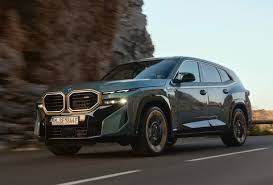
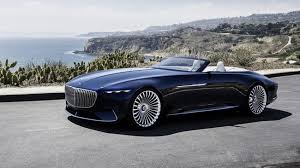
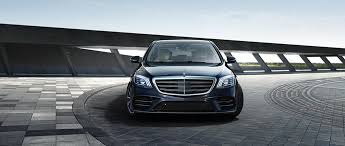
At the pinnacle of the SUV offerings, these behemoths combine three-row practicality with uncompromising luxury and power.
BMW’s X7 for 2025 is an imposing presence, offering space for seven adults in genuine comfort, a potent range of engines including a high-performance M60i, and a commanding driving position. Its iDrive system seamlessly manages various vehicle functions, and the cabin materials are top-tier. Despite its size, the X7 retains a surprising degree of agility, true to BMW’s driving dynamics philosophy.
Mercedes-Benz fields the majestic GLS, often dubbed the “S-Class of SUVs.” The 2025 GLS reinforces this reputation with an interior that rivals the finest luxury sedans, offering exquisite materials, cutting-edge comfort features, and a truly serene ride, especially with the optional E-ABC active suspension. Its powerful engines and robust towing capabilities are matched only by its unwavering composure on the road. The legendary G-Class, while technically a large SUV, occupies a niche as an ultra-luxury off-roader, its rugged charm appealing to a different subset of buyers.
Expert’s Take (2025): The Mercedes-Benz GLS maintains its lead in the full-size luxury SUV segment. Its ability to blend incredible comfort, advanced technology, and genuine opulence sets a standard that is hard for any competitor, including the impressive X7, to surpass.
Luxury Subcompact Sedans/Coupes: Entry Point to Premium
For those entering the luxury market, or seeking a nimble and stylish daily driver, the subcompact segment offers exciting options.
BMW’s 2 Series Coupe and 3 Series Sedan continue to be foundational. The 2025 3 Series, a benchmark in the segment for decades, delivers an exhilarating driving experience, powerful engine options, and a well-appointed cabin. Its balanced chassis and direct steering make every drive engaging. The 2 Series Coupe, particularly the M2, is a pure distillation of BMW’s performance heritage, offering a truly visceral experience.
Mercedes-Benz offers the sophisticated C-Class sedan and the sleek CLA. The 2025 C-Class, a mini-S-Class in many ways, boasts a stunning interior with a large, vertically oriented MBUX screen and an exceptionally comfortable ride. It prioritizes luxury and refinement, making it a compelling choice for those who value comfort over outright sportiness. The CLA, with its “four-door coupe” styling, emphasizes design and connectivity, appealing to a younger, style-conscious demographic.
Expert’s Take (2025): For sheer driving enjoyment and performance, the BMW 3 Series and 2 Series remain the segment leaders. While the C-Class offers superior interior opulence for its size, BMW’s legacy of driving dynamics shines brightest here.
Luxury Midsize Sedans: Executive Prowess
The midsize luxury sedan segment is a heartland for both brands, catering to executives and enthusiasts alike who demand sophisticated performance and elegant comfort.
The 2025 BMW 5 Series continues its evolution, offering a diverse range of powertrains, including an excellent all-electric i5. Its cabin now rivals Mercedes for quality and technology, and while its steering feel has become somewhat less communicative than predecessors, it still delivers a refined, powerful, and competent drive. It offers an impressive balance that is hard to fault.
Mercedes-Benz fields the iconic E-Class, a cornerstone of its lineup. The 2025 E-Class further refines its role as a masterclass in comfort, technology, and understated elegance. Its interior is a digital marvel, yet retains a classic luxury feel, and the ride quality is second to none in the segment. The E-Class offers a comprehensive suite of advanced driver assistance systems (ADAS) and a powertrain lineup that emphasizes smooth, effortless power delivery. The CLE Coupe and Cabriolet offer two-door elegance based on the E-Class platform.
Expert’s Take (2025): This is a perpetual tie, truly. The 5 Series has caught up significantly in interior luxury and offers fantastic electric options. However, for the ultimate blend of serene comfort, cutting-edge yet intuitive technology, and sheer executive presence, the Mercedes-Benz E-Class just edges it out, remaining the benchmark.
Luxury Large Sedans: Flagship Supremacy
These are the statements of intent, the technological showcases where each brand pours its best.
BMW’s 7 Series (and its electric counterpart, the i7) for 2025 is a bold, futuristic statement. Its exterior design is polarizing but undeniably distinctive. Inside, it’s a technological marvel, featuring a massive theatre screen for rear passengers and an unparalleled array of comfort and innovation features. The drive is surprisingly agile for such a large vehicle, delivering powerful acceleration and composed handling.
The Mercedes-Benz S-Class for 2025 remains, in many eyes, the undisputed king of luxury sedans. Its interior is a sanctuary of handcrafted materials, whisper-quiet isolation, and intuitive technology. The ride quality is utterly sublime, absorbing road imperfections with remarkable grace. While the 7 Series focuses on futuristic tech, the S-Class perfects the art of traditional luxury with a seamless integration of modern amenities, making it the preferred choice for ultimate refinement and prestige.
Expert’s Take (2025): The Mercedes-Benz S-Class continues to reign supreme. While the 7 Series pushes boundaries with audacious design and technology, the S-Class masterfully blends classic luxury with sophisticated innovation, offering an unparalleled overall luxury experience. This is where Mercedes-Benz truly excels, setting the global standard.
Luxury Electric Cars: The Future is Now
The transition to electric vehicles (EVs) has injected new vigor into the luxury segment, with both brands investing heavily. High-performance luxury EV financing options are increasingly sought after.
BMW’s “i” range is expanding rapidly. The i4 offers an engaging, sporty electric sedan experience, essentially an EV version of the 4 Series Gran Coupe. The flagship i7 combines the bold luxury of the 7 Series with powerful, silent electric propulsion. BMW’s EV strategy emphasizes dynamic driving and seamless integration of electrification into existing, beloved platforms. The upcoming 2026 Neue Klasse architecture promises even more revolutionary EVs.
Mercedes-Benz’s “EQ” lineup is equally ambitious. The EQE Sedan and EQS Sedan offer a distinctly Mercedes-Benz take on electric luxury: sleek, aerodynamic designs, ultra-quiet cabins, and an emphasis on range and opulent comfort. The Hyperscreen infotainment system in the EQS is a technological tour de force. While their early naming convention created some confusion, the vehicles themselves deliver a profoundly refined EV experience.
Expert’s Take (2025): This is a tough call. For sheer driving dynamics and a more conventional, engaging feel for an EV, BMW’s i-models (especially i4) often feel more aligned with performance heritage. However, for supreme comfort, range, and a futuristic cabin experience, the Mercedes-Benz EQS is incredibly compelling. I’ll lean slightly towards BMW for its diverse range of engaging electric driving experiences that still feel like a “BMW.”
Luxury Electric SUVs: Electrifying Utility
The electric SUV segment is booming, combining the practicality of an SUV with the efficiency of an EV. Electric luxury crossover comparisons are a hot topic.
BMW offers the distinctive iX, which has matured into a surprisingly capable and luxurious electric SUV. Its unique interior design, cutting-edge technology, and potent electric powertrains deliver a quiet, refined, and surprisingly agile ride for its size. The iX prioritizes innovation and space.
Mercedes-Benz provides a broader electric SUV portfolio: the EQB, EQE SUV, and EQS SUV. The EQB offers an entry point into electric luxury, while the EQE SUV mirrors the E-Class’s comfort in an electric SUV form. The EQS SUV takes the S-Class’s luxury and applies it to a spacious, ultra-refined electric SUV, emphasizing range, comfort, and advanced features. Their electric SUVs often boast incredible aero efficiency and serene cabin environments.
Expert’s Take (2025): The BMW iX offers a bold, innovative, and highly compelling electric SUV package. While Mercedes-Benz has a broader lineup, the iX’s unique blend of design, technology, and performance secures its spot as a standout in this nascent segment.
Luxury Sports Cars & Performance Variants: Unleashing the Beast
For enthusiasts, performance remains paramount. Both brands offer incredibly potent machines.
BMW’s M division is legendary. The 2025 M3/M4 continue to evolve, delivering razor-sharp handling, intoxicating power, and track-ready capabilities. The M2 is a pure, unadulterated driving machine, arguably the purest expression of BMW’s performance roots. For open-air thrills, the Z4 roadster provides a blend of dynamic driving and classic styling.
Mercedes-Benz offers the thrilling AMG GT, a dedicated sports car, and a range of AMG performance variants across its entire lineup. The 2025 AMG GT (in its latest iteration) is a formidable track weapon, combining stunning design with brutal power. The new SL Roadster (developed by AMG) returns to its grand touring roots, offering exhilarating performance with luxurious comfort. Beyond these, every Mercedes-Benz model has an AMG counterpart, from the C43 to the GLS 63, ensuring there’s a high-performance luxury sedan or SUV for every need.
Expert’s Take (2025): While Mercedes-AMG offers incredibly potent and exciting vehicles, BMW’s M division consistently delivers a more connected, driver-focused, and historically “ultimate driving experience” across its dedicated performance models and performance variants. The M2 and M3/M4 are benchmarks.
Beyond the Segments: A Deeper Dive
Interior Design, Comfort & Technology:
Mercedes-Benz has traditionally set the benchmark for interior opulence. For 2025, its cabins, particularly in the S-Class, E-Class, and GLE, remain industry leaders. They blend exquisite materials, ambient lighting, and the MBUX infotainment system with its intuitive voice control and stunning Hyperscreen displays, creating a truly immersive and comfortable sanctuary. BMW has significantly elevated its interior game, especially in the 7 Series and iX, with improved material quality, more advanced displays (Curved Display), and highly configurable ambient lighting. However, Mercedes-Benz still holds a slight edge in overall luxury, ergonomics that blend tech with comfort, and the sheer “wow” factor of its designs.
Winner: Mercedes-Benz
Driving Dynamics & Performance:
BMW’s mantra, “The Ultimate Driving Machine,” is still largely true. Even in its larger vehicles, there’s a palpable sense of connection to the road, precise steering, and a willingness to be pushed. Its powertrains, both conventional and electric, are typically more responsive and engaging. Mercedes-Benz, while offering powerful AMG variants, generally prioritizes a smoother, more isolated ride. Its vehicles are supremely competent but often lack the visceral feedback that BMW is renowned for.
Winner: BMW
Safety & Driver-Assistance Systems (ADAS):
Both brands are at the forefront of automotive safety and advanced driver assistance systems. For 2025, their vehicles come equipped with comprehensive suites that include adaptive cruise control with stop-and-go, lane-keeping assist, blind-spot monitoring, evasive steering assist, and increasingly sophisticated semi-autonomous driving capabilities (Level 2+). They consistently achieve top safety ratings from organizations like the IIHS and NHTSA. Both continue to invest heavily in future autonomous driving technologies. There is no clear winner here as both are industry leaders.
Winner: Tie
Reliability & Ownership Experience:
In the premium segment, reliability is often perceived differently than in mass-market brands. Both BMW and Mercedes-Benz offer solid, if not class-leading, reliability. Modern luxury vehicles are incredibly complex, and while major mechanical failures are rare, the sheer amount of technology can sometimes lead to minor electronic gremlins. Both brands back their vehicles with competitive warranties (typically 4 years/50,000 miles for powertrain). Mercedes-Benz’s EV batteries typically carry a longer warranty, which is a significant advantage. Servicing costs for German luxury car maintenance costs can be higher than average, making best luxury car extended warranty options a popular consideration.
Winner: BMW (Historically, BMW has often had slightly better overall predicted reliability scores across a broader range of models in recent years.)
Innovation & Sustainability:
Both brands are pushing the boundaries of automotive innovation, particularly in electrification, digital interfaces, and sustainable materials. Mercedes-Benz has often led with groundbreaking safety features and interior technologies. BMW’s Neue Klasse architecture promises a significant leap in EV technology. Both are committed to reducing their carbon footprint through sustainable manufacturing and increasingly offering eco-friendly interior options.
Winner: Tie
The Verdict for 2025: A Nuanced Rivalry
After a thorough examination across segments and key attributes, the rivalry between BMW and Mercedes-Benz in 2025 remains incredibly tight. Each brand has successfully encroached on the other’s traditional strengths, offering a more rounded portfolio than ever before.
However, if forced to declare an overall victor based on our segment analysis and core philosophy alignment, BMW often edges out its rival in more categories for the driving enthusiast, particularly when considering the breadth of its performance-oriented models and its commitment to engaging dynamics across its lineup, including its expanding electric vehicle range.
BMW excels in:
Overall driving dynamics and driver engagement
Performance (M models)
Luxury Compact SUVs (X3)
Luxury Subcompact Sedans/Coupes (3 Series, 2 Series)
Luxury Electric Cars (i4, i7)
Luxury Electric SUVs (iX)
Reliability (slightly broader consistency)
Mercedes-Benz excels in:
Interior luxury, comfort, and overall cabin ambiance
Flagship luxury (S-Class)
Luxury Midsize SUVs (GLE)
Luxury Large SUVs (GLS)
Advanced MBUX infotainment system
The choice between a BMW and a Mercedes-Benz in 2025 truly boils down to personal priorities. If you crave a dynamic, engaging driving experience that connects you intimately with the road, and value precision engineering and athletic prowess, BMW continues to be “The Ultimate Driving Machine.” If your priority is a sanctuary of comfort, state-of-the-art luxury, an opulent cabin, and a serene, refined ride that isolates you from the world, Mercedes-Benz, truly delivers “The Best or Nothing.”
Both brands represent the pinnacle of German engineering and luxury. The “better” brand is the one that best aligns with your individual driving style, comfort preferences, and technological expectations.
Your Next Luxury Journey Awaits.
Ready to experience the pinnacle of German engineering and luxury firsthand? The best way to make your decision is to get behind the wheel. Explore the latest 2025 models from BMW and Mercedes-Benz at your local dealerships, arrange test drives, and compare specifications that matter most to you. Discover which of these iconic brands will elevate your driving experience to the next level. Your dream luxury vehicle for 2025 is waiting.