
BMW vs. Mercedes-Benz: Navigating the 2025 Luxury Automotive Landscape
In the rarefied air of the premium automotive market, a rivalry has captivated enthusiasts and discerning buyers for decades: BMW versus Mercedes-Benz. These two German titans have not merely competed; they have defined the very essence of luxury, performance, and technological innovation. As we steer into 2025, the landscape is more dynamic than ever, reshaped by rapid electrification, advanced artificial intelligence, and evolving consumer expectations. The question isn’t just “Which is better?” but “Which brand aligns perfectly with your vision of future luxury?”
Having spent over a decade deeply immersed in the nuances of high-end automobiles, I’ve witnessed firsthand how these marques adapt, innovate, and occasionally stumble. While both brands continue to command significant market share and brand loyalty, their approaches to the future are distinctly different. BMW, traditionally lauded as “The Ultimate Driving Machine,” has always prioritized an engaging, driver-centric experience. Mercedes-Benz, on the other hand, has often staked its claim on unparalleled comfort, opulent interiors, and a serene, refined journey. In 2025, these core philosophies are being tested and transformed by an industry in flux.
This comprehensive analysis will delve into how BMW and Mercedes-Benz stack up across critical segments and attributes, considering the latest 2025 model year updates, technological advancements, and shifts in market demand. We’ll explore who leads in everything from compact urban cruisers to full-size electric flagships, examining the critical balance between performance, luxury, technology, and ownership experience. For those contemplating a significant investment in a premium vehicle, understanding these intricate distinctions is paramount.
The Evolving Landscape of Luxury: A 2025 Perspective
The luxury automotive market in 2025 is a crucible of innovation. Electrification is no longer a niche; it’s a mainstream expectation, driving both brands to push boundaries in range, charging speed, and sustainable manufacturing. Artificial intelligence is permeating every aspect of the vehicle, from intuitive infotainment systems that learn driver habits to sophisticated autonomous driving capabilities that redefine convenience and safety. Connectivity has moved beyond simple smartphone integration, offering seamless digital ecosystems that blend the car into one’s personal and professional life.
Furthermore, luxury itself is being redefined. It’s no longer just about exotic materials and powerful engines; it’s about a holistic experience. This includes digital detox options within the cabin, personalized wellness features, and a commitment to environmental responsibility. Brands are increasingly scrutinized for their sustainability efforts, from sourcing recycled materials for interiors to employing carbon-neutral production processes. The discerning buyer of 2025 expects not just an impressive car, but a statement of their values and lifestyle.
Both BMW and Mercedes-Benz are navigating these seismic shifts with distinct strategies. BMW, leveraging its performance heritage, is injecting dynamism into its electric offerings, ensuring that even silent propulsion retains an exciting driving character. Mercedes-Benz continues to elevate cabin comfort and sensory experiences, integrating cutting-edge MBUX Hyperscreen technology with luxurious materials and groundbreaking active suspension systems to create mobile sanctuaries. Understanding these underlying brand philosophies is key to appreciating their offerings in the segments below.
Segment-by-Segment Deep Dive: Head-to-Head in 2025
Luxury Compact & Subcompact SUVs: Urban Agility Meets Premium Practicality
In the bustling urban sprawl, compact and subcompact luxury SUVs have become indispensable. BMW has consistently demonstrated a masterful understanding of this segment, and for 2025, their offerings continue to set benchmarks. The BMW X1, with its surprisingly spacious and meticulously crafted cabin, excellent standard features, and a chassis that perfectly balances comfort with dynamic responsiveness, remains a standout. It punches above its weight, making it a compelling choice for buyers seeking premium appointments without excessive bulk. The BMW X2, offering a sportier, fastback aesthetic, further solidifies BMW’s dominance in this agile category, appealing to those who desire a more expressive design.
Mercedes-Benz’s counter-offerings, such as the GLA and the slightly larger GLB, are certainly commendable. The GLA presents a stylish, engaging drive with an upscale interior, though it sometimes trails BMW in overall refinement and cargo utility. The GLB offers a unique, boxier design and the rare option of a third row in this class, appealing to specific practical needs. However, as an overall package of driving engagement, sophisticated tech integration, and space efficiency, BMW maintains a noticeable edge here.
Luxury Midsize SUVs: The Sweet Spot for Families and Executives
The midsize luxury SUV segment is arguably the most competitive, serving as the primary family vehicle for many while offering a taste of premium commuting. For 2025, the Mercedes-Benz GLE-Class continues to shine brightly. Its cabin is a masterclass in elegant design, effortlessly blending modern technology—now further refined—with sumptuous materials without ever feeling overwhelming. The ride quality is supremely comfortable, making long journeys a pleasure, and the updated powertrains, including robust plug-in hybrid options, offer impressive efficiency and power. The GLE’s commitment to comfort, advanced driver-assistance systems, and intuitive MBUX interface positions it at the very top.
BMW’s X5 is an equally revered contender, offering an upscale interior and handling dynamics that remain more athletic than its Mercedes counterpart. Its powerful engine options, including an increasingly potent plug-in hybrid, provide exhilarating acceleration. While the X5 is an exceptional vehicle, the GLE’s ability to create a truly serene and technologically advanced sanctuary for its occupants gives it a slight edge in what many buyers prioritize in this segment. BMW also offers the X6, its coupe-SUV variant, while Mercedes-Benz provides the GLE Coupe, catering to those seeking a sportier aesthetic without sacrificing too much utility.
Luxury Large SUVs: Flagship Utility and Grandeur
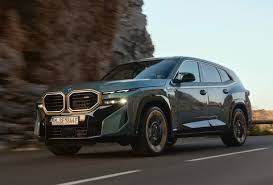
Stepping up to the full-size luxury SUV arena, both brands aim to deliver ultimate utility combined with uncompromising opulence. The BMW X7 effectively scales up the best attributes of BMW’s SUV lineup into a commanding three-row vehicle. It offers seating for up to seven adults in genuine comfort, a strikingly sharp interior design, and an array of potent powertrains. While its iDrive infotainment system retains a learning curve for some, its overall integration into the driver’s experience is seamless. The X7 delivers an engaging driving experience rare for its size, without compromising on luxury.
Mercedes-Benz counters with the magnificent GLS-Class, a direct competitor that offers an undeniably upscale cabin and a refined, cushioned ride. Its ability to shield occupants from the outside world is remarkable, cementing its status as a land-yacht of supreme comfort. The legendary G-Class (G-Wagen) also resides in this category, offering unparalleled off-road prowess wrapped in iconic styling. However, its specialized capabilities, while desirable for a niche market, can sometimes make it a less refined or practical everyday luxury vehicle compared to the X7 or GLS. For a blend of driving dynamics, interior sophistication, and practical family utility, the BMW X7 holds a strong position.
Luxury Small & Midsize Sedans: The Heart of the Performance/Luxury Dichotomy
The sedan remains a cornerstone of the luxury market, and in 2025, both brands continue to redefine their classic offerings. The BMW 3 Series has long been the gold standard for compact luxury sports sedans, and the 2025 iteration retains its legendary status. It’s fun to drive, offers a range of powerful engines, and boasts a spacious cabin and trunk for its class. Its blend of everyday usability and genuine driver engagement is hard to beat.
The Mercedes-Benz C-Class is a formidable opponent, offering a more comfort-oriented ride and an interior that borrows heavily from its S-Class sibling, providing a truly plush and high-tech environment. While extremely commendable, it typically doesn’t quite match the engaging athleticism of the 3 Series.
In the midsize segment, a true tie emerges. The Mercedes-Benz E-Class (now with even more integrated AI features and enhanced digital displays for 2025) stands out for its comfortable, incredibly refined ride and a hyper-technological cabin that can be awe-inspiring. It excels in luxury, safety, and driver-assistance features, making it a benchmark for executive sedans.
The BMW 5 Series, while still known for its athletic prowess, has evolved into a more balanced luxury sedan. While some purists might argue it’s softened slightly compared to its predecessors, it still delivers powerful engines and a remarkably sophisticated driving experience. Its latest iteration integrates BMW’s most advanced connectivity and personalization features, ensuring it remains a top-tier choice. Both vehicles represent the pinnacle of their respective brand philosophies, making this segment a matter of personal preference between ultimate comfort (E-Class) and dynamic refinement (5 Series).
Luxury Large & Flagship Sedans: The Ultimate Statements
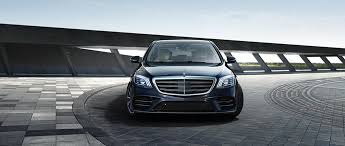
When it comes to the pinnacle of automotive luxury, the flagship sedan represents the ultimate expression of a brand’s capabilities. Here, the Mercedes-Benz S-Class stands as a peerless icon. For 2025, its cabin continues to redefine opulence, offering a sanctuary of unparalleled comfort, advanced wellness features, and intuitive MBUX intelligence that anticipates your needs. Its ride quality, enhanced by predictive air suspension and active noise cancellation, ensures occupants are insulated from the outside world, creating a serene and supremely comfortable environment. The S-Class is not just a car; it’s a mobile executive lounge and a technological tour de force.
The BMW 7 Series finishes incredibly close behind, presenting its own bold, futuristic interpretation of a world-class cabin. It offers a powerful infotainment system that, while requiring a slight learning curve, provides deep customization and connectivity. The 7 Series, particularly in its latest iteration, emphasizes striking aesthetics and a more engaging driving experience than its S-Class rival, without sacrificing significant luxury. While the S-Class remains the undisputed champion of comfort and traditional opulence, the 7 Series offers a compelling, more driver-focused alternative for the ultra-luxury sedan buyer.
Luxury Electric Vehicles (Sedans & SUVs): The Future is Now
The electric vehicle (EV) market is where the battle for 2025 supremacy is most fiercely fought. Both brands are rapidly expanding their EV portfolios, but BMW has demonstrated a more cohesive and performance-oriented strategy thus far.
In luxury electric cars, the BMW i7 serves as the brand’s electric flagship, a bold and futuristic EV version of the 7 Series, boasting dominant performance and cutting-edge technology. The BMW i4, an electric take on the engaging 4 Series Gran Coupe, offers a sublime blend of performance, practicality, and range, making it a truly compelling electric sports sedan. BMW’s commitment to injecting its “Ultimate Driving Machine” DNA into its EVs is evident across the lineup.
Mercedes-Benz offers a range of EVs, including the EQE Sedan and EQS Sedan. These vehicles boast serene driving dynamics and exceptionally opulent cabins, particularly the EQS, which rivals the S-Class in luxury. However, Mercedes-Benz’s early EV lineup has faced some criticism for styling that deviates significantly from its traditional aesthetic, and some models have shown slightly lower efficiency compared to rivals.
In the luxury electric SUV space, the BMW iX continues to impress. Despite its polarizing initial design, it delivers powerful acceleration, a genuinely spacious and functional interior with cutting-edge technology, and ample room for passengers and cargo. It’s a cohesive, well-rounded luxury electric SUV experience.
Mercedes-Benz offers the EQB, EQE SUV, and EQS SUV. While these models present elegant interiors and generally comfortable rides, they sometimes lag behind in range efficiency or cargo capacity compared to segment leaders. The Mercedes-Benz electric SUVs are undoubtedly luxurious, but BMW’s iX often feels more like a direct, performance-infused luxury SUV that happens to be electric, rather than a separate “EQ” sub-brand. For 2025, BMW’s EV lineup, particularly in its ability to combine traditional brand strengths with electric propulsion, holds a distinct advantage.
Luxury Sports Cars & Performance Divisions: M vs. AMG
For enthusiasts who crave pure driving emotion, the performance divisions of BMW (M) and Mercedes-Benz (AMG) are legendary. Here, BMW traditionally holds a strong edge in delivering raw, unadulterated driving pleasure. The BMW M3 and M4 (its high-horsepower coupe sibling) are renowned sport sedans and coupes that deliver astonishing track capability while remaining usable on the street. The BMW M2, arguably the vehicle most true to BMW’s performance heritage, offers an intoxicating blend of power, agility, and driver feedback. Even the convertible BMW Z4 provides open-air exhilaration with genuine performance chops.
Mercedes-Benz, through its AMG division, offers a different flavor of performance. While AMG models are incredibly potent and luxurious, they often lean towards a more grand-touring character. Dedicated sports cars like the AMG GT are exciting to drive, and the AMG SL offers a blend of luxury and open-top cruising. However, BMW’s M division often provides a more direct, tactile connection to the road, appealing to purists seeking a sharper, more focused performance machine. For sheer driver engagement and track-day prowess, BMW’s performance vehicles continue to lead.
Key Differentiators: Beyond the Segment Wars (2025 Context)
Interior Design & Comfort: Mercedes’ Sanctuary vs. BMW’s Modern Functionality
In 2025, the interior remains a battleground for the senses. Mercedes-Benz continues to set the industry benchmark for automobile interiors. From the midsize GLE to the gold-standard S-Class, Mercedes’ cabins are exercises in refined elegance, superior material quality, and meticulous attention to detail. Their MBUX Hyperscreen, with its intuitive AI assistant (“Hey Mercedes”), ambient lighting, and active comfort features, creates an immersive and supremely comfortable environment. It’s a sensory experience that often leaves occupants feeling pampered.
BMW, while offering outstanding cabins in models like the X1, X3, and i7, with excellent build quality and advanced iDrive systems, typically doesn’t quite reach the sheer opulence or the “wow” factor of a Mercedes-Benz interior. BMW’s approach is often more driver-focused, ergonomic, and subtly luxurious, prioritizing clear sightlines and easy access to controls. While fit and finish are exceptional across many BMW models, Mercedes-Benz consistently excels in creating a truly world-class, serene sanctuary.
Driving Dynamics & Performance: BMW’s Core Strength vs. Mercedes’ Refined Power
BMW has built its reputation on delivering an engaging driving experience, and for 2025, this remains a core tenet. Across its lineup, from the nimble 3 Series to the executive 7 Series and the electric i4/i7, BMW vehicles are engineered to excite behind the wheel. Precise steering, well-tuned suspensions, and a variety of potent powertrains (including remarkably dynamic EVs) mean that driving a BMW is often an active, enjoyable endeavor. Performance, even in its luxury vehicles, is a priority.
Mercedes-Benz certainly offers powerful engines and exhilarating AMG variants, but its general approach often leans towards a more refined, comfortable, and stable ride. Models like the S-Class and EQS sedan achieve incredibly high performance ratings, but their primary focus is often on effortless power delivery and smooth, isolated cruising. While not lacking in capability, Mercedes-Benz typically prioritizes a smooth, serene journey over the sharp, communicative driving dynamics that BMW champions. For the driving enthusiast, BMW’s performance edge is undeniable.
Safety & Driver Assistance: The Race to Autonomy
Both brands are at the forefront of automotive safety and advanced driver-assistance systems (ADAS) in 2025. Their lineups are laden with sophisticated technologies, now moving towards Level 2+ and even nascent Level 3 autonomous driving capabilities in specific conditions. Features like advanced forward collision avoidance, lane-keeping assist with evasive steering, and predictive adaptive cruise control are standard or widely available.
Historically, BMW has consistently scored exceptionally well in independent safety evaluations, with models like the 2 Series, 3 Series, 5 Series, and X3 often receiving top marks. Their integrated safety suites are comprehensive and intuitive.
Mercedes-Benz vehicles, including the C-Class, E-Class, GLC, and GLE, also perform nearly as well, with their advanced Pre-Safe systems and robust structural integrity. The industry is seeing a convergence in safety performance at the top tier, with both brands investing heavily in active and passive safety features. However, with more models having undergone comprehensive evaluations and a consistent track record of excellence across segments, BMW often holds a slight, albeit narrowing, lead in overall safety perception and tested results. The rapid evolution of autonomous features makes ongoing evaluation crucial for both.
Reliability & Ownership Experience: Long-Term Confidence
In the luxury segment, reliability and a seamless ownership experience are paramount. For 2025, BMW continues to show a strong performance in predicted reliability scores. Brands like BMW, which provide more data across their diverse model lines, often average better. Key models like the X1, X3, 2 Series, and 7 Series consistently achieve “Great” reliability scores from independent evaluators. BMW’s commitment to quality is reflected in its four-year/50,000-mile powertrain warranty, with electric battery packs covered for an impressive eight years/100,000 miles.
Mercedes-Benz, while offering vehicles of exceptional quality, has historically seen slightly more variability in reliability scores across its extensive lineup. While models like the E-Class and GLE often receive “Great” ratings, the brand’s average sometimes sits just below BMW’s in some surveys. Mercedes-Benz also backs its vehicles with a four-year/50,000-mile powertrain warranty, and notably, their EV batteries come with an even more extended 10-year/155,000-mile warranty, reflecting confidence in their electric powertrains. Overall, BMW edges out Mercedes-Benz in a broader measure of predicted reliability across more of its core models.
The Verdict: Who Leads in the 2025 Luxury Arena?
After a comprehensive review of the 2025 luxury automotive landscape, it’s clear that both BMW and Mercedes-Benz offer truly exceptional vehicles. Each brand continues to innovate, pushing the boundaries of technology, performance, and comfort. However, when tallying the head-to-head victories across the diverse segments and key attributes, BMW emerges as the overall leader in a slightly greater number of categories.
BMW’s enduring commitment to dynamic driving, its rapidly maturing and performance-oriented electric vehicle lineup, and its consistent strength in segments ranging from compact SUVs to sports cars give it a measurable edge. BMW vehicles consistently deliver an engaging driving experience while simultaneously offering refinement, cutting-edge technology, and robust safety and reliability scores.
Mercedes-Benz, on the other hand, remains the undisputed champion of interior luxury and uncompromised comfort. Its S-Class and E-Class sedans, along with the GLE SUV, set industry benchmarks for opulent cabins, advanced infotainment, and serene ride quality. For buyers prioritizing a truly luxurious, cocoon-like environment above all else, Mercedes-Benz continues to excel.
As the industry hurtles towards a future defined by electrification and intelligent autonomy, it will be fascinating to observe how these two legendary German automakers continue to evolve. For now, BMW’s broader strength across a wider array of vehicle categories and its consistent emphasis on the driving experience position it slightly ahead in the competitive 2025 market.
Elevate Your Driving Experience in 2025
Choosing a luxury vehicle is a deeply personal decision, and the perfect car is one that resonates with your unique priorities. Whether you prioritize the exhilarating precision of a BMW or the serene opulence of a Mercedes-Benz, both brands offer vehicles that truly redefine automotive excellence.
Ready to experience the future of luxury driving for yourself? We invite you to explore the latest 2025 models from both BMW and Mercedes-Benz. Visit your local authorized dealership today to schedule a personalized consultation and a test drive, and discover which German icon truly aligns with your vision of the ultimate premium vehicle.