
BMW vs. Mercedes-Benz: The Apex of Automotive Luxury in 2025
For over a century, two German titans have shaped the very definition of premium automotive experiences: BMW and Mercedes-Benz. Their badges, revered globally, represent more than just vehicles; they signify engineering prowess, cutting-edge innovation, and an unwavering commitment to luxury. As we navigate the rapidly evolving landscape of 2025, where electric powertrains, advanced autonomy, and hyper-personalized digital ecosystems dominate the conversation, the rivalry between these two stalwarts remains as fierce and fascinating as ever.
The question isn’t merely which brand builds a better car, but which offers a more compelling vision for the future of high-end automotive experiences. From the bustling streets of New York City to the sprawling highways of California, discerning buyers of luxury cars face a captivating dilemma: the driver-centric dynamism of BMW or the refined opulence of Mercedes-Benz. With a decade immersed in this industry, observing every subtle shift and seismic change, it’s clear that both brands are pushing boundaries, but with distinct philosophies that cater to different desires in the ultra-competitive premium vehicle market.
Traditionally, BMW carved its niche as “The Ultimate Driving Machine,” a moniker earned through its commitment to engaging dynamics, precise handling, and powerful engines. Mercedes-Benz, conversely, positioned itself as the paragon of comfort and sophisticated luxury, offering sumptuous interiors and a serene, composed ride. Fast forward to 2025, and these once-clear lines have blurred, with both manufacturers borrowing pages from each other’s playbooks. BMW has significantly enhanced its comfort and technological offerings, while Mercedes-Benz has injected substantial performance into its lineup, particularly through its AMG division.
So, for the modern luxury car shopper, where does one begin? Let’s dissect the current offerings and future trajectory across key segments and critical attributes to determine who truly commands the lead in the 2025 luxury arena.
The Battle Across Segments: Who Reigns Supreme in 2025?
Luxury Compact SUVs: BMW Takes the Edge
The entry point into the luxury SUV world remains a hotly contested space. BMW continues its reign here with the X3 and its sportier fastback counterpart, the X4. In 2025, the X3 remains a benchmark for its blend of practical spaciousness, intuitive technology, and genuinely engaging driving dynamics. Its refined powertrains, including robust plug-in hybrid options and the all-electric iX3 (now more widely available in the US), offer efficiency without sacrificing the spirited performance BMW is known for. Mercedes-Benz’s GLB and GLC series counter with elegant cabins and impressive comfort, particularly the GLC. However, the X3’s superior handling and overall utility, coupled with BMW’s more coherent electrification strategy in this segment, give it the slight advantage for those seeking a true blend of luxury and everyday usability. The best compact luxury SUV 2025 often boils down to this matchup, and BMW typically delivers.
Luxury Electric Cars: BMW Leads the Charge
The transition to electrification is arguably the most significant shift in the automotive industry, and both brands are heavily invested. For premium electric sedans, BMW is demonstrating remarkable foresight. The i7, BMW’s electric flagship, is a bold statement, blending audacious design with profound power and an interior that redefines digital immersion. Its capabilities as a long-distance cruiser, combined with BMW’s advancing charging network integration, make it a compelling choice. The i4 continues to impress as an electrifying interpretation of the 4 Series Gran Coupe, offering a truly engaging EV driving experience. Mercedes-Benz’s EQE and EQS sedans offer unparalleled cabin serenity and the stunning MBUX Hyperscreen, a testament to its focus on digital luxury. However, BMW’s commitment to dynamic driving, even in its EVs, alongside a more streamlined model naming convention and increasingly competitive range figures across its line, nudges it ahead in this rapidly evolving category for luxury EV performance. Expect to see further gains for BMW as the Neue Klasse platform rolls out more extensively.
Luxury Electric SUVs: BMW Maintains Momentum
Similar to their sedan counterparts, BMW’s electric SUV strategy is clear and impactful. The iX stands as a testament to radical design and advanced engineering, offering prodigious power, an innovative interior, and excellent functionality. Its spatial efficiency and cutting-edge digital interface make it a compelling choice for the luxury electric SUV market. Mercedes-Benz offers a broader, if somewhat convoluted, array of electric SUVs with the EQB, EQE SUV, and EQS SUV. While the EQS SUV offers immense luxury and impressive range, and the EQE SUV aims for the mid-range, BMW’s iX consistently delivers a more holistic package of performance, utility, and refined technology, solidifying its lead. When considering long-range luxury electric SUVs, both brands are competitive, but BMW’s approach feels more cohesive and driver-oriented.
Luxury Large Cars: Mercedes-Benz’s Undisputed Throne
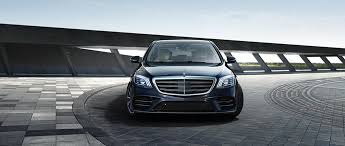
When it comes to the ultimate expression of automotive luxury in a traditional sedan, the Mercedes-Benz S-Class remains an almost untouchable benchmark. In 2025, the S-Class continues to redefine executive comfort, advanced driver assistance, and sheer interior opulence. Its whisper-quiet cabin, sublime ride quality, and the intuitive, yet deeply advanced, MBUX system with features like Level 3 autonomous driving capabilities (where legal and available) make it a mobile sanctuary. The BMW 7 Series, while a magnificent machine offering sharper dynamics and its own unique blend of digital-first luxury, including the theatre screen, still plays a close second. For those prioritizing serene luxury, unparalleled comfort, and the most advanced, seamless integration of technology without a steep learning curve, the S-Class is the definitive choice. This is where Mercedes-Benz truly embodies “The Best or Nothing.”
Luxury Large SUVs: BMW’s Versatile Dominance
Scaling up the luxury experience for families and discerning adventurers, BMW’s X7 continues to impress. It masterfully blends the brand’s signature driving engagement with genuine three-row capability and a remarkably upscale interior. Its powerful engine options, refined ride, and sophisticated iDrive system (which has become far more intuitive over successive generations) make it a versatile winner. Mercedes-Benz counters with the GLS, a direct competitor offering a plush cabin and a similarly composed ride, and the iconic G-Class. While the G-Wagen is a statement piece with incredible off-road prowess, its specific attributes sometimes compromise its on-road luxury and practicality compared to more traditional large SUVs. For the buyer seeking a truly balanced large luxury SUV that excels in both spirited driving and family utility, the BMW X7 holds the edge, offering a more contemporary take on premium family vehicles.
Luxury Midsize Cars: A Triumphant Tie
This segment has always been a battleground, and in 2025, the Mercedes-Benz E-Class and BMW 5 Series stand as co-champions. The E-Class, following in the footsteps of its S-Class sibling, delivers an incredibly refined, comfortable, and technologically rich experience. Its cabin is a masterclass in modern luxury, with a slightly less overwhelming but equally advanced MBUX system. The redesigned 5 Series, now including the all-electric i5, brings a new level of sophistication to BMW’s mid-sizer. While it might have softened some of its predecessors’ raw athleticism, it remains incredibly capable and offers a compelling blend of comfort, advanced features, and powerful powertrain options. Both offer impressive advanced driver assistance systems and a high degree of personalization, making it a matter of personal preference whether one leans towards Mercedes’ elegant comfort or BMW’s balanced sportiness.
Luxury Midsize SUVs: Mercedes-Benz Takes the Crown
The Mercedes-Benz GLE continues to set a high bar in the midsize luxury SUV segment. Its spacious, exquisitely crafted cabin seamlessly integrates advanced technology without feeling cluttered. For 2025, the GLE offers a wider range of electrified powertrains, including enhanced plug-in hybrids, and a continually refined MBUX system. Its ride quality is superb, soaking up imperfections with grace, making it an ideal choice for comfortable luxury SUV travel. BMW’s X5, a formidable competitor, offers a more athletic driving experience and an equally upscale interior. The X5’s appeal lies in its dynamic capabilities and sharp handling, especially with M Sport packages. However, the GLE’s overall refinement, intuitive technology, and slightly more serene driving experience for the typical luxury buyer give it the winning margin in this highly competitive category.
Luxury Small Cars: BMW’s Enduring Appeal
The BMW 3 Series has long been the gold standard for compact luxury sedans, and its 2025 iteration continues that legacy. It remains incredibly fun to drive, offering a perfect balance of agility, powerful engines, and a surprisingly spacious cabin. Its blend of engaging dynamics and everyday usability is hard to beat. The 2 Series coupe and 4 Series (in its various forms) further expand BMW’s appeal to performance enthusiasts. Mercedes-Benz’s C-Class offers a wonderfully comfortable and luxurious experience, borrowing heavily from the S-Class in terms of interior design and technology. However, it often doesn’t quite match the sheer driving engagement of the 3 Series. For those seeking the classic sporty luxury sedan experience, BMW retains a firm grip on this segment.
Luxury Sports Cars: BMW’s Performance Prowess
When the conversation shifts to pure driving exhilaration, BMW’s M division is a force to be reckoned with. The M2, M3, and M4 continue to deliver blistering performance, surgical handling, and an visceral connection to the road. These are vehicles designed for drivers who live for the thrill. The Z4, with its open-air charm, offers a different kind of engaging experience. Mercedes-Benz offers compelling dedicated sports cars like the AMG GT, a true performance beast, and the elegant SL roadster, which blends grand touring comfort with impressive power. However, the breadth and depth of BMW’s performance lineup, coupled with its unwavering focus on driver involvement across its core M models, give it the edge for the sheer variety and purity of performance luxury cars.
Luxury Subcompact SUVs: BMW Sets the Standard
BMW’s X1 consistently punches above its weight in the subcompact luxury SUV category. For 2025, it maintains its leadership through a surprisingly spacious and well-appointed cabin, a long list of standard features, and a driving experience that beautifully balances comfort and responsiveness. It’s a smart, efficient, and enjoyable way to enter the luxury SUV market, particularly with the available iX1 electric variant. The X2 offers a sportier, coupe-like alternative. Mercedes-Benz’s GLA, while stylish and nimble, doesn’t quite match the X1’s overall refinement, cargo capacity, or blend of attributes, leaving BMW firmly at the top of this segment for entry-level luxury SUVs.
The Pillars of Luxury: A Deeper Dive
Safety & Advanced Driver Assistance Systems (ADAS): BMW Leads in Integration
Both brands are at the forefront of automotive safety, equipping their vehicles with comprehensive suites of ADAS. Features like advanced forward collision avoidance, lane-keeping assistance, adaptive cruise control, and increasingly sophisticated semi-autonomous driving capabilities (like BMW’s Highway Assistant and Mercedes’ Drive Pilot) are standard or readily available. While both achieve excellent crash test ratings for evaluated models, BMW often excels in the natural integration and user-friendliness of its systems. Its intuitive controls for activating and managing ADAS contribute to a more confidence-inspiring driving experience. Mercedes’ systems are equally robust but can sometimes feel slightly more complex to fully engage, though features like MBUX’s augmented reality navigation certainly aid situational awareness. For cutting-edge automotive safety, both are strong, but BMW’s approach often feels more seamless.
Performance & Driving Dynamics: BMW’s Core Strength Endures
This has historically been BMW’s forte, and in 2025, it remains a dominant force. From the accessible 2 Series to the mighty M variants and even its electric offerings like the i4 and i7, BMW engineers its vehicles to excite the driver. The steering feedback, chassis tuning, and powertrain responsiveness across the lineup are meticulously crafted to deliver an engaging experience. Mercedes-Benz, while offering thrilling AMG models and increasingly dynamic non-AMG vehicles, still generally prioritizes a more composed, comfortable ride. Its performance variants are electrifying, but the core lineup often leans towards refinement. For those who believe driving should be an active, exhilarating pursuit, BMW continues to deliver the gold standard in luxury car performance.
Reliability & Ownership Experience: BMW’s Consistency
Reliability scores can fluctuate, but in 2025, BMW has shown a more consistent trend of strong predicted reliability across a broader range of its models, according to industry benchmarks like J.D. Power. While Mercedes-Benz has made strides, BMW often has more models reporting above-average scores. Both brands offer competitive four-year/50,000-mile comprehensive warranties. However, BMW’s electric battery warranties (eight-year/100,000-mile) are standard, while Mercedes-Benz offers an exceptional 10-year/155,000-mile warranty for its EV batteries, which is a significant differentiator for EV battery longevity. In terms of overall ownership experience, including dealer network support and increasingly digital services like OTA updates and subscription features, both are excellent, but BMW’s consistent reliability across more models gives it a slight edge. For luxury car maintenance costs, both are premium, but consistent reliability can help mitigate long-term expenses.
Interior & Technology: Mercedes-Benz’s Opulent Digital Domain
If BMW champions performance, Mercedes-Benz defines the luxury car interior experience. Across its range, from the E-Class to the S-Class and its EQ models, Mercedes-Benz sets industry benchmarks for cabin design, material quality, and technological integration. The MBUX system, particularly the Hyperscreen in top-tier models, is a visual and functional marvel, offering intuitive voice control (“Hey Mercedes…”) and stunning displays. The fit and finish are exceptional, creating an environment of unparalleled comfort and sophistication. While BMW’s interiors, especially in models like the X1, X3, and i7, are beautifully crafted and driver-focused, featuring the evolving iDrive system (now integrating OS 9/10), they generally don’t quite reach the same level of sheer opulence, seamless digital immersion, or serene isolation offered by Mercedes-Benz. For buyers prioritizing ultimate cabin comfort, innovative luxury car infotainment systems, and exquisite material choices, Mercedes-Benz remains the undisputed leader.
The Verdict: BMW Edges Out in a Tightly Contested 2025 Market
After a thorough examination across categories and core attributes in the dynamic 2025 automotive landscape, BMW emerges as the overall winner in this head-to-head comparison.
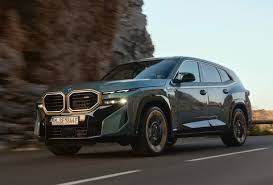
BMW’s strategic evolution has allowed it to maintain its core identity as a driver’s brand while significantly enhancing comfort, technology, and electric vehicle prowess. Its commitment to engaging driving dynamics, combined with a strong, well-defined electrification strategy and a consistently high-performing lineup across most segments, gives it the edge. BMW vehicles consistently offer a compelling blend of performance, practicality, and modern luxury that resonates with a broad spectrum of premium buyers.
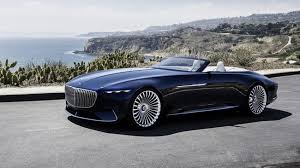
Mercedes-Benz, however, remains an extraordinary force, especially in its dedication to ultimate comfort, groundbreaking interior design, and the seamless integration of its MBUX technology. The S-Class and its EQS sibling continue to be paragons of luxury, setting standards that others strive to meet. Its emphasis on a tranquil, opulent, and technologically advanced cabin experience is second to none.
The luxury market of 2025 is more diverse and demanding than ever. Both BMW and Mercedes-Benz are innovating at a furious pace, pushing the boundaries of what a vehicle can be. BMW’s balanced approach—delivering thrilling performance alongside increasing comfort and robust electric options—positions it favorably for the multifaceted demands of the modern luxury consumer. As the industry continues its rapid transformation, particularly with the advent of more sophisticated autonomous driving features and sustainable luxury automotive practices, observing how these two giants further refine their strategies will be nothing short of captivating.
Embark on Your Luxury Journey Today.
Ready to experience the pinnacle of German engineering for yourself? Whether your heart beats for the invigorating dynamics of a BMW or the serene elegance of a Mercedes-Benz, the perfect luxury vehicle awaits. Explore our comprehensive reviews and current inventory to find your ideal premium car for 2025. Don’t just dream of luxury; drive it.