
The Enduring Rivalry: BMW vs. Mercedes-Benz – Navigating Luxury in 2025
As someone who’s spent a decade immersed in the ever-evolving world of premium automobiles, few comparisons ignite as much passion and debate as BMW versus Mercedes-Benz. These two German titans aren’t just car manufacturers; they are custodians of luxury, innovation, and performance, constantly pushing the boundaries of what a modern vehicle can be. For 2025, the automotive landscape has shifted dramatically, with electrification, advanced AI, and redefined consumer expectations taking center stage. The question isn’t just about horsepower anymore; it’s about intelligent luxury, sustainable performance, and an intuitive ownership experience.
For decades, the distinction was clear: BMW was “The Ultimate Driving Machine,” synonymous with athletic prowess and driver engagement. Mercedes-Benz, on the other hand, championed “The Best or Nothing,” offering unparalleled comfort, opulent interiors, and a serene, refined ride. Today, these lines have blurred, with both marques fiercely competing across virtually every segment, each adopting elements of the other’s historical strengths while forging new paths. As we look at the models hitting showrooms and rolling off production lines for 2025, it’s a fascinating time to dissect which brand truly holds the edge for discerning luxury buyers.
Evolution of Brand Philosophy: Beyond the Stereotypes
BMW’s journey from a pure performance brand to a holistic luxury provider has been remarkable. While the M Division still crafts some of the most visceral high-performance luxury vehicles on the planet, the core BMW lineup now emphasizes sophisticated comfort, cutting-edge digital integration, and impressive electric capabilities. Their design language has become bolder, often polarizing, yet undeniably forward-thinking.
Mercedes-Benz, while still the benchmark for interior luxury and ride quality, has significantly sharpened its dynamic capabilities. AMG models are more aggressive than ever, and even their standard vehicles offer a surprisingly engaging drive. Their approach to technology, particularly with the MBUX infotainment system, aims for seamless integration and a personalized user experience that sets a benchmark for luxury car technology. The focus on futuristic aesthetics and sustainable materials in their EQ line underscores a commitment to the luxury of tomorrow.
Let’s delve into the specific battlegrounds where these two giants clash, examining the 2025 luxury car reviews and what real-world experience tells us.
Luxury Compact SUVs: The Entry Point to Premium Utility
This segment is often the first touchpoint for many into the luxury market, and both brands offer compelling choices.
BMW’s Contenders: The 2025 BMW X3 continues its reign as a segment leader. It offers a balanced blend of dynamic handling that feels distinctly BMW, a surprisingly spacious and well-appointed cabin, and a range of potent powertrains, including a popular plug-in hybrid option. Its athletic stance and precise steering still make it a joy on winding roads. The X4, its “coupe” sibling, sacrifices some practicality for a more aggressive, rakish profile, appealing to those prioritizing style.
Mercedes-Benz’s Offerings: The 2025 Mercedes-Benz GLB remains a compelling choice, particularly for families needing optional third-row seating – a rare feature in this class. Its interior design is characteristically upscale, and the ride is composed. The GLC, arguably the more direct X3 competitor, shines with a plush, refined cabin, sophisticated design, and a range of efficient engines. For 2025, the GLC further refines its mild-hybrid systems, offering smoother power delivery and improved fuel economy, an important consideration for many buyers.
Expert Take: While Mercedes offers more variety in form factor, the X3’s blend of practicality, driver engagement, and evolving tech suite (including luxury EV comparison readiness with its PHEV) gives it a slight edge in this critical category for overall driving satisfaction.
Luxury Electric Vehicles: The Future is Now
The EV revolution has profoundly impacted the luxury sector, and both BMW and Mercedes are investing heavily. This is where the premium electric vehicles truly shine.
BMW’s Electric Prowess: BMW has rapidly expanded its “i” sub-brand. The 2025 BMW i4 stands out as an electric interpretation of the engaging 4 Series Gran Coupe, offering exhilarating performance and a surprisingly long range, making it a true electric luxury vehicle for enthusiasts. The flagship i7, an EV version of the opulent 7 Series, is a technological tour de force. Its bold design, serene ride, and optional Theatre Screen transform the rear passenger experience into a private cinema. Expect more range and faster charging for 2025.
Mercedes-Benz’s EQ Line: Mercedes’s approach with the EQ lineup has emphasized radical, aerodynamic design and hyper-luxurious, digital-first interiors. The 2025 Mercedes-Benz EQE Sedan and EQS Sedan are prime examples. Both offer incredibly quiet, smooth rides and cabins that feel like futuristic lounges, dominated by the Hyperscreen display. While their exterior designs can be polarizing, the interior experience is undeniably first-class. For 2025, Mercedes is focusing on optimizing software and charging infrastructure support.
Expert Take: BMW’s “i” models often feel more integrated into their existing luxury lineup, delivering familiar driving dynamics with electric propulsion. The i4, in particular, offers a fantastic blend of performance and everyday usability. Mercedes’s EQ models, while groundbreaking in their own right, sometimes feel a step removed in terms of driving engagement, prioritizing pure comfort and digital spectacle. BMW, for now, holds a slight lead in integrating the EV experience with traditional luxury driving feel.
Luxury Electric SUVs: The Family-Friendly Future
The demand for luxury SUV performance in an electric package is soaring.
BMW’s Electric SUVs: The 2025 BMW iX continues to be a distinctive and highly capable electric SUV. Its unique interior, powerful acceleration, and generous passenger/cargo space make it a strong contender despite its avant-garde styling. For 2025, expect subtle range improvements and advanced driver assistance features. BMW is also rolling out more compact electric SUV options like the iX1 and iX3 (for global markets, with iX3 potentially reaching the US later).
Mercedes-Benz’s Electric SUVs: Mercedes offers a wider array here with the 2025 EQB SUV (a practical electric GLB), the elegant EQE SUV, and the flagship EQS SUV. While all boast opulent interiors and a smooth ride, their cargo capacities can be less competitive than rivals, and some models, like the EQB, emphasize urban usability over sheer power or range. The EQS SUV offers unmatched luxury and quietness but comes with a hefty price tag.
Expert Take: The BMW iX, with its bold statement and compelling performance, offers a more cohesive and refined package for an electric luxury SUV. Mercedes’s offerings are strong on interior design but sometimes lack the practical edge or consistent driving engagement of BMW.
Luxury Large Cars: The Pinnacle of Automotive Opulence
This segment is where both brands truly showcase their design, engineering, and technological prowess.
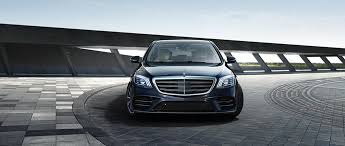
Mercedes-Benz’s Reign: The 2025 Mercedes-Benz S-Class remains the undisputed king of luxury sedans. Its cabin is a sanctuary, blending exquisite materials, whisper-quiet isolation, and unparalleled comfort. The MBUX system is incredibly advanced, responding to natural voice commands and offering a truly intuitive experience. The S-Class sets the global standard for best luxury sedan 2025.
BMW’s Challenger: The 2025 BMW 7 Series has evolved into a bold statement, both visually and technologically. Its interior is a modern masterpiece, featuring a curved display and sophisticated ambient lighting. While it offers a more engaging drive than the S-Class, some of its design choices and the learning curve for its advanced iDrive system can be a point of contention for traditionalists.
Expert Take: While the 7 Series has closed the gap significantly in terms of luxury and technology, the S-Class still holds the crown for ultimate comfort and sheer opulence. Mercedes-Benz truly excels in crafting an experience that shields you from the world.
Luxury Large SUVs: Three Rows of Premium Presence
For those needing substantial space without compromising on luxury, these behemoths deliver.
BMW’s Dominance: The 2025 BMW X7 is a masterclass in scaling up BMW’s successful formula. It offers three genuinely comfortable rows of seating, a beautifully crafted interior, and surprising agility for its size. Its powerful engines and refined ride make long journeys effortless.
Mercedes-Benz’s Offerings: The 2025 Mercedes-Benz GLS is the direct competitor to the X7, offering a similarly upscale cabin and a supremely refined ride. However, the G-Class (G-Wagen), while an icon of rugged luxury, remains a niche choice. Its off-road capabilities are legendary, but its driving dynamics on pavement and overall interior refinement (compared to the GLS or X7) can feel dated, albeit charmingly so.
Expert Take: The BMW X7 strikes a near-perfect balance between luxury, practicality, and driving enjoyment, making it the more compelling choice for the vast majority of buyers in this segment.
Luxury Midsize Cars: The Sweet Spot of Sophistication
This is a hotly contested segment, blending executive comfort with accessible luxury.
A Refined Tie: The 2025 Mercedes-Benz E-Class continues its legacy as a cornerstone of the segment. It boasts an exquisitely crafted, high-tech cabin (though the sheer volume of tech can be overwhelming for some) and a ride quality that borders on sublime. Its comprehensive suite of autonomous driving features luxury cars offers a glimpse into the future. For 2025, its plug-in hybrid options are particularly attractive.
BMW’s Athleticism: The 2025 BMW 5 Series, freshly redesigned, continues to impress with its blend of comfort and agility. While some traditionalists might miss the steering feedback of older models, it remains a fantastic driver’s car with powerful engine options and a sophisticated interior. The integration of its iDrive 8.5 system is seamless, though still requires some learning.
Expert Take: This is genuinely a tie. Your preference will hinge on whether you prioritize the E-Class’s unwavering comfort and digital opulence or the 5 Series’s engaging dynamics and balanced luxury. Both are stellar choices in the German luxury automotive market.
Luxury Small Cars: Where Performance Meets Accessibility
These cars represent the dynamic heart of each brand’s legacy.
BMW’s Sporting Heart: The 2025 BMW 3 Series remains the benchmark for compact luxury sport sedans. It’s exhilarating to drive, offers a range of powerful and efficient engines, and has a surprisingly spacious interior and trunk. Its balanced chassis and sharp steering make every journey an event. BMW also offers the 2 Series Coupe for pure driving fun and the versatile 4 Series (coupe, convertible, Gran Coupe).
Mercedes-Benz’s Style: The 2025 Mercedes-Benz C-Class is a strong contender, offering a more comfortable ride and an interior that mimics its larger S-Class sibling in terms of design and technology. However, it doesn’t quite match the 3 Series’s raw driving engagement. The CLA, an entry-level “four-door coupe,” offers striking looks and impressive tech for its price point.
Expert Take: For sheer driving enjoyment and the classic “Ultimate Driving Machine” feel, the BMW 3 Series continues to set the standard. The C-Class is undeniably luxurious, but BMW delivers more thrills behind the wheel.
Luxury Sports Cars & Performance Divisions: Adrenaline on Wheels
This is where brand heritage truly manifests in blistering speed and precision engineering.
BMW M-Division: BMW’s M cars are legends. The M2, M3, and M4 for 2025 are scalpel-sharp instruments, delivering raw power and incredible handling. The Z4 Roadster offers open-air thrills with a potent powertrain. These cars are purpose-built for driving enthusiasts seeking unadulterated performance.
Mercedes-AMG: Mercedes-AMG is equally formidable. Dedicated sports cars like the AMG GT (in its various iterations) are breathtaking, offering a blend of supercar performance and luxury. The SL Roadster has also been reimagined by AMG, offering a grand-touring experience with serious performance chops. Nearly every Mercedes model also has an AMG variant, from SUVs to sedans, ensuring a high-octane option for every taste.
Expert Take: Both divisions are exceptional. BMW’s M cars often feel more connected and raw, embodying precision. AMG offers incredible power and a more dramatic, often theatrical, driving experience. For purist track performance, BMW might have a slight edge; for sophisticated, brutal power, AMG is a standout.
Key Attributes Comparison in 2025
Interior & Technology:
Mercedes-Benz: Continues to set the benchmark. Their cabins are architectural marvels, blending premium materials with awe-inspiring digital displays (Hyperscreen, MBUX Augmented Reality Navigation). The emphasis is on seamless interaction, personalization, and an atmosphere of refined luxury. Best luxury interiors 2025 is often a Mercedes attribute.
BMW: Has made significant strides, particularly with the large curved display and iDrive 8.5/9.0. Their cabins are driver-focused, modern, and increasingly opulent, though they retain a more minimalist, functional aesthetic compared to Mercedes. Features like gesture control and advanced digital keys enhance the experience.
Verdict: Mercedes-Benz still holds a slight edge in sheer opulence, design cohesion, and the ‘wow’ factor of its technology integration.
Driving Dynamics & Performance:
BMW: Remains the king of driver engagement. Even their larger SUVs and sedans offer a commendable balance of comfort and agility. Their powertrains, both ICE and electric, are responsive and powerful.
Mercedes-Benz: Has improved its driving dynamics considerably, with AMG models delivering blistering performance. Standard models offer a more cushioned, serene ride, but can sometimes lack the communicative steering feedback of a BMW.
Verdict: BMW maintains its traditional advantage, especially for those who prioritize a dynamic and connected driving experience.
Safety Features & Innovation:
Both Brands: Are at the forefront of automotive safety. For 2025, expect sophisticated semi-autonomous driving capabilities, advanced driver assistance systems (ADAS) like enhanced lane-keeping, adaptive cruise control with traffic jam assist, and robust collision avoidance systems as standard or readily available. Both also incorporate vehicle-to-infrastructure (V2I) communication in some markets.
Verdict: It’s a tie. Both are top-tier in safety, constantly innovating with new sensors, software, and predictive features.
Reliability & Ownership Experience:
Historically: German luxury cars have had a reputation for higher maintenance costs. However, modern engineering and improved manufacturing have boosted reliability. Both brands offer comprehensive warranties (typically 4-year/50,000-mile for powertrain). EV batteries often come with much longer warranties (8-10 years, 100,000-155,000 miles).
Expert Take: While individual model scores vary, BMW has shown slightly stronger predicted reliability across its broader lineup in recent years. Mercedes-Benz models are reliable, but with more complex tech, there can be more intricate system issues. The service networks for both are extensive and highly professional. For a true luxury car investment, factors like luxury car depreciation and comprehensive service plans become critical.
Design Language:
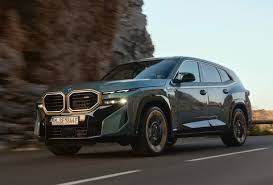
BMW: Has embraced a bold, sometimes controversial, aesthetic for 2025. Large grilles, sculpted lines, and distinctive lighting elements define their look. It’s a statement of modernity and aggression.
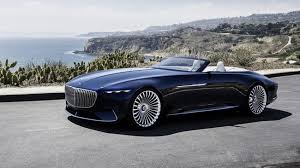
Mercedes-Benz: Maintains a more elegant, flowing, and aerodynamically focused design, particularly with the EQ models. Their traditional sedans and SUVs exude a timeless, sophisticated grandeur.
Verdict: Highly subjective. BMW aims for futuristic dynamism; Mercedes leans into elegant sophistication.
The Overall Verdict for 2025: A Nuanced Victory
After a decade of observing these two titans, and looking ahead to the automotive landscape of 2025, it’s clear that both BMW and Mercedes-Benz offer exceptional products, often redefining the very concept of luxury. The clear-cut distinctions of old have evaporated, replaced by a sophisticated convergence of strengths.
However, if forced to choose an overall victor in this ever-intensifying rivalry, particularly for the forward-looking market of 2025, BMW slightly edges out Mercedes-Benz.
Here’s why: BMW has, in my professional opinion, managed to more seamlessly integrate new technologies, electrification, and modern luxury into its core identity without sacrificing the driving engagement that made it famous. Their electric vehicles feel like true BMWs, and even their most luxurious models retain a connection to the road that enthusiasts crave. While Mercedes-Benz continues to craft breathtaking interiors and provides unparalleled comfort, BMW’s ability to offer a comprehensive package — blending performance, luxury, advanced tech, and a competitive EV strategy — gives it the overall lead across more segments. BMW has shown greater adaptability in maintaining its core character while innovating.
Your Luxury Journey Starts Here
Ultimately, the choice between a BMW and a Mercedes-Benz is a deeply personal one, reflecting individual priorities, driving styles, and aesthetic preferences. Both brands represent the pinnacle of German engineering and luxury. To truly appreciate the subtle nuances and groundbreaking innovations each marque offers for 2025, I highly recommend experiencing them firsthand.
Are you ready to discover which of these automotive legends aligns perfectly with your vision of luxury and performance? We invite you to explore the latest 2025 models, schedule a test drive, and begin your journey toward owning an extraordinary vehicle. Connect with a local luxury automotive specialist today to find your perfect match and unlock exclusive offers.