
2025 Luxury Showdown: BMW vs. Mercedes-Benz – Who Reigns Supreme in the Premium Segment?
For decades, the automotive world has been captivated by one of its most iconic rivalries: BMW versus Mercedes-Benz. These two German titans have not merely produced cars; they’ve sculpted the very definition of luxury, performance, and technological advancement. As someone who’s spent over a decade dissecting the intricate nuances of the premium automotive market, I’ve witnessed firsthand their relentless evolution. In 2025, this rivalry is more intense, and frankly, more fascinating than ever, as both brands navigate a rapidly shifting landscape dominated by electrification, advanced AI, and evolving consumer expectations.
This isn’t just about horsepower figures or leather quality anymore. This is about which brand is more adept at anticipating the future of luxury mobility, delivering an experience that is both exhilarating and deeply intuitive. We’ll dive deep into their current and projected 2025 lineups, dissecting their philosophies, segment by segment, to uncover who truly holds the edge as the cornerstone of the luxury market.
The Shifting Sands of Brand Identity
Historically, their personas were distinct: BMW, “The Ultimate Driving Machine,” synonymous with raw performance, precision engineering, and an unparalleled connection between driver and road. Mercedes-Benz, on the other hand, championed “The Best or Nothing,” offering an unrivaled sanctuary of comfort, opulent interiors, and sophisticated refinement.
While these core tenets still echo, the lines have blurred considerably. BMW has significantly upped its interior game, integrating more comfort and cutting-edge technology. Mercedes-Benz has injected substantial dynamism into its driving characteristics, particularly with its AMG sub-brand, while also leading the charge in developing some of the most advanced autonomous driving luxury cars. The 2025 market sees both manufacturers striving for a delicate balance, aiming to offer the best of both worlds without diluting their heritage.
Let’s dissect the battlefield, segment by segment, keeping an eye on the Luxury SUV market trends 2025 and the burgeoning BMW vs Mercedes electric vehicle competition.
Luxury Compact SUVs: Agility Meets Practicality
The luxury compact SUV segment continues to be a crucial battleground, attracting new buyers to the premium tier. In 2025, this segment is characterized by a blend of urban agility, sophisticated design, and surprisingly generous interior space.
BMW’s offerings here, such as the X3 and its sportier X4 coupe counterpart, have historically led with their engaging driving dynamics and athletic handling. The 2025 BMW X3, building on its strong foundation, is expected to further refine its powertrains, potentially offering enhanced mild-hybrid variants and pushing the envelope with its integrated infotainment. The X1, a standout in the subcompact class, is particularly impressive, offering a well-crafted cabin and a fantastic blend of comfort and responsiveness that truly elevates the entry-level luxury experience. Its nimble performance makes it a favorite for city dwellers seeking premium vehicle technology.
Mercedes-Benz counters with the GLB and GLC. The 2025 Mercedes-Benz GLC is anticipated to double down on its plush, technology-rich cabin, perhaps with even more advanced MBUX iterations and sustainable interior materials. The GLB’s unique selling proposition of optional third-row seating in a compact footprint remains a draw. While Mercedes has made strides in driving dynamics, their focus often leans towards a more cushioned, serene ride.
Expert Take: For sheer driver engagement and a more athletic feel, BMW often takes the crown here. However, if interior opulence and cutting-edge cabin tech are your priority, Mercedes-Benz continues to make a compelling case. The 2025 updates will likely see BMW pushing for greater tech integration, while Mercedes seeks to enhance its dynamic capabilities.
Luxury Electric Cars: The Silent Revolution Accelerates
The electric vehicle (EV) space is where the future is being forged, and both BMW and Mercedes-Benz are pouring immense resources into this area. Best luxury EV 2025 is a fiercely contested title, and these brands are vying for it.
BMW’s electric lineup, spearheaded by models like the i7 and i4, has quickly garnered acclaim. The 2025 BMW i7, an electric counterpart to the flagship 7 Series, is a statement of futuristic luxury, boasting audacious styling, dominant performance, and an interior packed with integrated screens and comfort features. The i4 offers a more accessible, yet equally engaging, electric driving experience, embodying BMW’s performance heritage in an EV package. We expect to see further optimization in range and charging speeds for these models in 2025, alongside expanded capabilities in connected car technology.
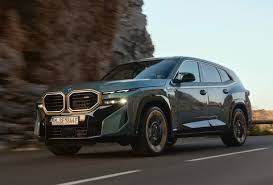
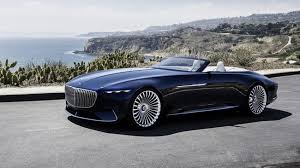
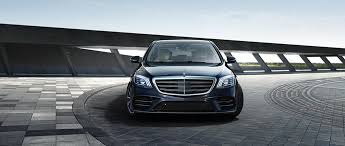
Mercedes-Benz, with its “EQ” sub-brand, has embraced electrification with models like the EQE Sedan and EQS Sedan. The 2025 Mercedes-Benz EQS Sedan, a true electric flagship, offers an otherworldly serene ride and an interior that is nothing short of a digital marvel, particularly with the optional Hyperscreen. The EQE provides a slightly smaller, yet equally luxurious and quiet, EV experience. Mercedes’ focus here is squarely on comfort, range, and advanced luxury amenities, positioning them strongly for “Future of luxury mobility” discussions.
Expert Take: BMW has, surprisingly, gained an early lead in offering a more diverse and dynamically compelling EV lineup that still feels like a BMW. Mercedes excels in creating a truly isolated, opulent electric experience. In 2025, expect Mercedes to simplify its EQ nomenclature and refine its charging infrastructure offerings, while BMW will likely expand its “i” portfolio to more segments. High CPC keywords like “electric vehicle subscription services” might become more prevalent as manufacturers explore new revenue streams for EV features.
Luxury Electric SUVs: Redefining Sustainable Opulence
The shift to electric powertrains isn’t limited to sedans; luxury electric SUVs are booming.
BMW’s iX stands out as a bold, polarizing, yet undeniably sophisticated entrant. The 2025 BMW iX is anticipated to continue its strong performance with potent acceleration, a remarkably spacious and functional interior, and cutting-edge technology that feels genuinely innovative. Its unique design and material choices also signal a commitment to sustainability.
Mercedes-Benz offers a broader range with the EQB, EQE SUV, and EQS SUV. The 2025 Mercedes-Benz EQS SUV, mirroring its sedan sibling, provides an incredibly elegant and comfortable cabin, though its cargo capacity and overall pricing remain points of discussion. The EQE SUV aims for a balance of luxury and practicality, while the EQB serves as an entry point. While their interiors are undeniably plush, some models have faced criticism for range or perceived value.
Expert Take: BMW’s iX continues to be a strong contender for its blend of distinct design, performance, and functionality. Mercedes-Benz offers more variety, but their naming convention can be confusing, and the overall package sometimes feels less cohesive than BMW’s EV SUVs. For 2025, Mercedes will focus on improving efficiency and solidifying their individual model identities.
Luxury Large Cars: The Pinnacle of Automotive Grandeur
This is where legacies are built, where the very essence of a luxury brand is distilled into its flagship sedan. The German luxury sedan comparison ultimately culminates here.
The Mercedes-Benz S-Class has long been considered the benchmark, the gold standard against which all other luxury sedans are judged. The 2025 Mercedes-Benz S-Class will undoubtedly continue its reign, offering an unparalleled cocoon of comfort, silencing the outside world with masterful engineering and an interior that serves as a mobile executive lounge. Its advanced MBUX system, capable of understanding complex conversational commands, remains a technological marvel. The S-Class embodies sophistication and sets the bar for high-end automotive interior design.
BMW’s 7 Series, especially the 2025 model, presents its own distinctive, modern vision of a world-class cabin. While it offers a powerful infotainment system and an impressive array of features, its focus leans slightly more towards driver engagement and a contemporary aesthetic, especially with its bold exterior styling. While the S-Class prioritizes ultimate comfort, the 7 Series often delivers a more dynamically rewarding experience for the driver, even in such a large vehicle.
Expert Take: The S-Class remains the undisputed king of sheer opulence and serene comfort. BMW’s 7 Series is a fantastic alternative for those who desire a flagship with a sportier edge and a more audacious design statement. For 2025, both will push boundaries with Level 3 autonomous driving luxury cars features, enhancing semi-autonomous capabilities significantly.
Luxury Large SUVs: Command the Road in Style
For families or executives requiring substantial space and presence, luxury large SUVs are the answer.
BMW’s X7, including its expected 2025 iteration, manages to scale up the brand’s dynamic attributes into a three-row machine for up to seven occupants. Its sharp interior, comfortable first and second rows, and capable performance make it a formidable competitor. While the iDrive system has a learning curve, its depth of functionality is impressive.
Mercedes-Benz fields the GLS and the iconic G-Class. The 2025 Mercedes-Benz GLS is a direct rival to the X7, offering an equally upscale cabin and a refined, plush ride. It often excels in providing a slightly more forgiving suspension setup. The G-Class, or G-Wagen, remains in a class of its own: an immensely capable, high-class off-road machine whose heritage and rugged luxury appeal to a niche but dedicated clientele. However, its off-road prowess does mean some compromises in on-road refinement compared to the X7 or GLS.
Expert Take: The BMW X7 often edges out the GLS for its overall driving engagement, while the GLS counters with slightly superior ride comfort. The G-Wagen is an icon, but its off-road focus makes it a specialized choice. Expect both brands to offer more sophisticated mild-hybrid and potentially plug-in hybrid options for their large SUVs in 2025.
Luxury Midsize Cars: The Sweet Spot of Performance and Prestige
The midsize luxury sedan segment is often the volume leader, offering a compelling blend of prestige, performance, and practicality.
The Mercedes-Benz E-Class, including the redesigned 2025 model, continues to be a cornerstone. Like its S-Class sibling, it sets a high bar for comfort and a wildly high-tech cabin. Its ride is refined, and it boasts an extensive list of driver-assistance technology. The 2025 E-Class will likely push further into integrating AI-powered personalization and advanced digital displays.
BMW’s 5 Series, particularly the 2025 iteration, has historically been lauded for its athleticism. While the latest redesign might temper some of the raw steering feedback of its predecessors, it still delivers a powerful punch from its diverse lineup of potent engines, including compelling plug-in hybrid options. The 5 Series retains its reputation for being an executive express that can still thrill on a winding road.
Expert Take: This segment is truly a tie, catering to different priorities. If you prioritize cutting-edge technology, a serene cabin, and a supremely comfortable ride, the E-Class is your champion. If a more engaging, sportier driving experience combined with robust performance is key, the 5 Series remains a top choice. The hybrid luxury cars 2025 market will see both offerings with enhanced electrified powertrains.
Luxury Midsize SUVs: The Everyday Premium Powerhouses
Midsize luxury SUVs are arguably the most versatile vehicles in the premium market, blending utility, comfort, and status.
The Mercedes-Benz GLE, especially the 2025 model, consistently ranks at the top. It offers a spacious, refined cabin that seamlessly integrates modern technology without being overwhelming. The GLE’s ride comfort and upscale ambience make it a strong contender. Updates for 2025 are expected to further refine its hybrid offerings and enhance its MBUX system.
BMW’s X5, including the highly anticipated 2025 model, is equally revered. It boasts an upscale interior and more athletic handling than its Mercedes counterpart, staying true to BMW’s “Ultimate Driving Machine” ethos. The X5 often provides a more direct, responsive driving feel. The sportier X6 coupe version offers a distinct aesthetic for those prioritizing style.
Expert Take: Both the GLE and X5 are exceptional. The GLE typically wins on sheer ride comfort and luxurious feel, while the X5 offers a more engaging and sporty driving experience. The choice here often comes down to individual preference for dynamic vs. plush. Luxury SUV market trends 2025 indicate continued strong sales for both these models.
Luxury Small Cars: Entry Point to Excellence
For many, small luxury sedans and coupes serve as their introduction to the premium segment, demanding a blend of affordability, style, and brand cachet.
BMW’s 3 Series has long been the quintessential small luxury sport sedan. The 2025 3 Series is expected to continue this legacy, offering engaging driving dynamics, powerful engines, and a surprisingly spacious interior. It consistently outperforms rivals in delivering a “fun-to-drive” factor. BMW also fields the sporty 2 Series coupe and the versatile 4 Series, offered in various body styles.
Mercedes-Benz counters with the C-Class. The 2025 Mercedes-Benz C-Class emphasizes comfort and a miniaturized S-Class interior experience, brimming with advanced tech. While it offers a refined ride, it’s generally not as dynamically engaging as the 3 Series. The entry-level CLA, a nimble four-door coupe, packs a lot of tech into a sharp-looking package.
Expert Take: For pure driving pleasure and performance, the BMW 3 Series maintains its edge. The Mercedes-Benz C-Class, however, offers a more comfortable and technology-rich experience. It’s a classic choice between driver engagement and passenger pampering.
Luxury Sports Cars: Adrenaline and Craftsmanship
This segment is about passion, raw power, and exquisite engineering.
BMW truly shines here, especially with its “M” division. The 2025 BMW M3 and M4 are renowned sport sedans and coupes, offering track-ready performance with daily usability. The M2 might be the most “pure” expression of BMW’s performance heritage. For open-air enthusiasts, the Z4 provides thrilling top-down driving. BMW M series performance continues to define a segment.
Mercedes-Benz, through its AMG arm, offers dedicated sports cars like the GT and the SL. The 2025 Mercedes-AMG GT is an exciting, high-performance machine, while the SL evolves as a sophisticated droptop grand tourer, balancing performance with luxury. These vehicles offer a distinct character, often leaning towards a more dramatic, V8-powered theatre.
Expert Take: BMW, with its diverse and consistently high-performing M lineup, offers a broader range of truly engaging luxury sports cars. Mercedes-AMG provides incredible machines, but their focus might be narrower, targeting a specific type of performance enthusiast. For those seeking a pure luxury sports coupe 2025, both brands have compelling options.
Safety: Prioritizing Protection in 2025
Both BMW and Mercedes-Benz are leaders in automotive safety, consistently earning top ratings from organizations like the IIHS and NHTSA. Their 2025 lineups are expected to feature enhanced safety suites.
BMW models like the 2, 3, 5 Series, and X3 consistently achieve stellar safety scores, equipped with comprehensive suites of features including advanced forward collision avoidance, lane-departure warning, adaptive cruise control, and increasingly sophisticated semi-autonomous driving aids.
Mercedes-Benz vehicles, including the C-Class, E-Class, GLC, and GLE, perform exceptionally well in safety evaluations. Their focus on the “Pre-Safe” system, which anticipates collisions and prepares the cabin, demonstrates their commitment to proactive safety. For 2025, both brands will continue to advance their Advanced Driver-Assistance Systems (ADAS) luxury, moving towards more seamless and intuitive interaction with Level 2+ autonomy. Notably, as EV technology matures, more electric models will undergo comprehensive safety testing, and we anticipate similar top-tier results.
Expert Take: It’s a very close call. Both brands invest heavily in safety, and buyers can rest assured they are getting top-tier protection. The slight edge often goes to the brand with a higher percentage of tested models achieving “Top Safety Pick+” ratings. The true differentiator in 2025 will be the sophistication and reliability of their ADAS suites.
Performance: The Thrill of the Drive
Performance is intrinsic to the identities of both brands.
BMW’s “Ultimate Driving Machine” moniker resonates across its entire lineup. From the agility of the 3 Series to the commanding power of the M models and the surprisingly dynamic electric i-cars (i4, i7, iX), BMW vehicles are engineered to excite the driver. Instantaneous torque from their electrified powertrains further enhances this legacy.
Mercedes-Benz, while traditionally comfort-focused, has significantly ramped up its performance offerings, especially through the AMG division. The 2025 Mercedes-AMG range offers explosive power and advanced handling. Models like the S-Class and EQS sedan also deliver impressive performance for their size, albeit with a smoother, more refined delivery. The GLA and GLB prioritize value, but stepping into an AMG variant quickly reintroduces the thrill.
Expert Take: BMW maintains a slight overall edge for consistent, engaging performance across a broader range of models. Their focus on driver connection is often more palpable. However, Mercedes-AMG creates truly mind-blowing performance machines. For those who seek the highest BMW M series performance, BMW remains the purist’s choice, while Mercedes excels in blending power with ultimate luxury.
Reliability & Ownership Experience: Long-Term Confidence
While luxury cars are renowned for their quality, long-term reliability and the overall ownership experience are critical considerations, especially with the complexity of premium vehicle technology.
Reliability scores can fluctuate, but historically, both brands have delivered solid, albeit sometimes inconsistent, performance in various consumer surveys like J.D. Power. BMW often shows a slightly higher average across its tested models, with vehicles like the X3, X1, 2 Series, and 7 Series frequently scoring “Great” or “Good.”
Mercedes-Benz has made strides, with models like the E-Class and GLE often achieving commendable scores. The expansion of electric lineups means new data is constantly emerging. Both brands back their vehicles with a standard four-year/50,000-mile powertrain warranty. Significantly, Mercedes-Benz offers a longer EV battery warranty at 10 years/155,000 miles, compared to BMW’s 8 years/100,000 miles. Considerations like luxury car ownership cost and resale value luxury cars also play a role, and both brands generally hold their value well.
Expert Take: BMW generally shows a broader consistency in reliability metrics across its lineup, and their extended electric range in 2025 means more data points. Mercedes-Benz is closing the gap, and their commitment to EV battery longevity is noteworthy. The overall ownership experience for both is enhanced by extensive dealer networks and premium service.
Interior Design & Technology: The Personal Sanctuary
If performance is BMW’s realm, then interior design and comfort have long been Mercedes-Benz’s undeniable domain.
Mercedes-Benz continues to set industry benchmarks for automobile interiors. Whether it’s the plush environment of the GLE, GLS, E-Class, or the gold-standard S-Class, the fit, finish, and material quality are consistently top-tier. The seamless integration of digital displays, ambient lighting, and haptic feedback creates a sensory experience that few can match. Their MBUX infotainment system with its conversational voice control remains highly intuitive and sets a high bar for high-end automotive interior design.
BMW has made significant advancements, with models like the X1, X3, and i7 offering outstanding cabins in terms of build quality and material choices. The integration of the curved display and the evolving iDrive controller are ergonomic marvels. While BMW’s interiors are highly functional and aesthetically pleasing, they often lean towards a more driver-centric, perhaps slightly more minimalist, aesthetic compared to Mercedes’ flamboyant luxury.
Expert Take: For ultimate cabin comfort, material opulence, and a truly immersive digital experience, Mercedes-Benz remains the leader. BMW has significantly closed the gap and offers sophisticated, highly functional interiors, but Mercedes often delivers that extra layer of sensory delight. In 2025, expect both to integrate more personalized AI features, predictive climate control, and advanced biometric recognition, further defining connected car technology.
The Verdict: A Dynamic Duopoly in 2025
After a deep dive into the 2025 landscape, it’s clear that both BMW and Mercedes-Benz offer exceptional luxury vehicles, pushing the boundaries of what’s possible in automotive engineering.
If your priorities lean towards a truly engaging driving experience, cutting-edge yet integrated technology, and a comprehensive, increasingly electric lineup that never sacrifices performance, BMW holds a significant edge in 2025. Their commitment to dynamic driving, even in their EVs, and a consistent “driver-first” philosophy resonates deeply with enthusiasts. BMW has shown incredible adaptability in the electric transition, bringing out vehicles that are both refined and exhilarating.
However, if your vision of luxury centers on unparalleled comfort, breathtakingly opulent interiors, pioneering cabin technology that envelops you, and a serene, insulating driving experience, Mercedes-Benz continues to set the industry standard. Their flagship models, particularly the S-Class and EQS, represent the pinnacle of automotive luxury and technological sophistication. Mercedes-Benz excels at creating a truly special, indulgent environment.
The truth is, for the discerning luxury buyer in 2025, the “winner” isn’t universal; it’s intensely personal. The rivalry between BMW and Mercedes-Benz isn’t just a battle for market share; it’s a constant push for innovation that benefits every enthusiast. Both brands are at the forefront of the future of luxury mobility, exploring new sustainable materials, advanced autonomous functions, and ever-more intuitive user interfaces.
Which badge will define your 2025 driving experience?
The decision ultimately rests with your personal preferences and priorities. I invite you to delve deeper into these remarkable machines. Explore the latest models, engage with their groundbreaking technology, and experience firsthand the future of luxury. Visit your local dealerships, take a test drive, and feel the difference for yourself. Only then can you truly determine which German icon will elevate your journey in the years to come.