
BMW vs. Mercedes-Benz: The Definitive 2025 Showdown for Luxury Automotive Leadership
For over a century, two German titans have dominated the global luxury automotive landscape: BMW and Mercedes-Benz. Their badges, steeped in heritage and engineering prowess, represent the pinnacle of automotive excellence. Yet, their philosophies have often been distinct – BMW, “The Ultimate Driving Machine,” a maestro of dynamic performance, and Mercedes-Benz, the epitome of sophisticated comfort and opulent refinement. As we cruise into 2025, the automotive world is accelerating through an unprecedented era of transformation, propelled by electrification, artificial intelligence, and evolving consumer expectations. The question isn’t just “which is better?”, but “which brand is better positioned for the future, and which truly delivers the paramount luxury experience for today’s discerning driver?”
Having spent a decade immersed in the nuances of premium vehicles, test-driving countless models, dissecting market trends, and advising high-net-worth clients, I’ve witnessed firsthand the meticulous evolution of these brands. This isn’t merely a comparison of spec sheets; it’s a deep dive into engineering philosophies, brand identities, and the forward-looking vision that defines luxury in 2025. This year, both manufacturers are pushing boundaries, blurring their traditional lines while simultaneously sharpening their unique selling propositions. Let’s unpack the ultimate luxury car comparison, segment by segment, and determine which badge truly leads the charge into the new automotive age.
Luxury Compact SUVs: Redefining Practical Luxury
The compact luxury SUV segment continues its reign as a critical battleground, balancing versatility with premium aspirations. For 2025, buyers demand not just practicality, but cutting-edge technology, spirited performance, and an undeniable sense of upscale living in a smaller footprint.
BMW’s offering, spearheaded by the perennial favorite X3 and its sportier counterpart, the X4, remains a benchmark. The 2025 X3 builds on its reputation for athletic handling, offering a driving experience that genuinely excites. Its cabin, while perhaps less overtly flashy than some rivals, is impeccably built, ergonomic, and remarkably spacious for its class. The latest iDrive system, further refined with intuitive AI voice commands and augmented reality navigation, feels seamless and genuinely helpful. Powertrain options are diverse, from efficient mild-hybrids to potent M-tuned variants, ensuring there’s an X3 for every driving style. The X4, with its coupe-like roofline, sacrifices a touch of practicality for a more aggressive aesthetic and even sharper dynamics, appealing to those who prioritize style and agility.
Mercedes-Benz counters with the GLC and the more utilitarian GLB. The 2025 GLC maintains its celebrated status for a plush ride and a truly elegant interior that often feels a class above. The MBUX infotainment system, with its vivid screens and “Hey Mercedes” natural language processing, continues to impress, creating a user experience that prioritizes comfort and intuitive interaction. Under the hood, Mercedes offers a range of smooth, refined powertrains, including increasingly popular plug-in hybrid options that boost efficiency and provide a quiet electric-only range for city driving. The GLB stands out for its unique, boxier styling and the rare option of a third row in this segment, appealing to growing families who need occasional extra seating without stepping up to a full-size SUV.
Expert Verdict: While Mercedes-Benz offers a compelling blend of comfort and tech, BMW’s focus on a more engaging driving experience, combined with its refined cabin and sophisticated tech integration, gives it the edge. The BMW X3 continues to be the dynamic benchmark in luxury compact SUVs for 2025.
Luxury Electric Cars: The Silent Revolution
The electrification of the luxury sedan is no longer a futuristic concept; it’s a dominant reality in 2025. Both brands are heavily invested, challenging traditional EV players while maintaining their core brand identities. High-performance electric vehicles are a key focus here, driving innovation and consumer interest.
BMW’s electric sedan lineup, particularly the i4 and the flagship i7, demonstrates a clear strategy: electrify existing, beloved platforms while pushing design boundaries. The 2025 i4, essentially an electric 4 Series Gran Coupe, retains much of the engaging dynamics and driver focus BMW is renowned for. Its instantaneous torque and balanced chassis make it an incredibly fun and practical daily driver, especially in its M50 guise. The i7, an electric variant of the 7 Series, is a bold statement. Its polarizing yet undeniably futuristic design houses an interior that rivals private jets, brimming with colossal screens, executive lounge seating, and an unparalleled array of connectivity features. Its smooth, silent power delivery and comfortable ride make it a compelling choice for the ultra-luxury EV buyer.
Mercedes-Benz, with its dedicated EQ sub-brand, offers the EQE Sedan and the EQS Sedan. These vehicles represent a clean-sheet design approach, prioritizing aerodynamic efficiency and an unparalleled sense of serenity. The 2025 EQS Sedan, the electric S-Class equivalent, is a masterclass in opulent quietness and technological spectacle. Its Hyperscreen, a vast expanse of glass integrating three displays, is a visual marvel, seamlessly blending infotainment with driver information. The ride quality is sublime, isolating occupants from the outside world, creating a true sanctuary. The EQE offers a similar, albeit scaled-down, experience, delivering a remarkably comfortable and technologically advanced package in a mid-size form factor. Mercedes-Benz also emphasizes sustainable luxury materials in its EQ lineup, appealing to environmentally conscious buyers.
Expert Verdict: While Mercedes-Benz’s EQ models offer a unique, serene, and tech-forward experience, BMW’s strategy of infusing its classic driving dynamics into its EVs, particularly with the impressive balance of the i4 and the sheer presence of the i7, gives it the win for engaging the driver without compromise. BMW sets the standard for driving dynamics in luxury electric sedans.
Luxury Electric SUVs: Family-Friendly Electrification
The electric SUV market is booming, catering to families and adventurers alike who seek sustainability without sacrificing space, comfort, or capability. Premium electric SUV performance and range are paramount in this segment.
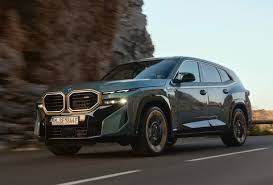
BMW’s iX continues to be a distinctive force in 2025. Its audacious exterior design hints at the futuristic cabin within. The iX boasts rapid acceleration, a genuinely spacious and versatile interior, and a focus on integrating cutting-edge technology in a user-friendly manner. The floating curved display and minimalist console create an airy, modern ambiance. Its substantial range and impressive charging speeds further enhance its appeal as a practical, luxurious electric family hauler. BMW also hints at expanding its electric SUV offerings, leveraging lessons from the iX to introduce even more compelling models.
Mercedes-Benz offers a broader, though sometimes confusingly named, range of electric SUVs: the EQB, EQE SUV, and EQS SUV. The EQB offers an accessible entry point, mirroring the GLB’s versatility with an available third row, a unique selling point in the compact EV SUV space. The 2025 EQE SUV delivers a plush ride and a well-appointed cabin, carrying over the sleek, minimalist design language of its sedan counterpart. The flagship EQS SUV, much like the EQS sedan, is about unparalleled comfort and technological grandeur. Its spacious interior and smooth ride make long journeys effortless. However, critics sometimes point to the EQS SUV’s cargo capacity as slightly less than optimal compared to some rivals, and the pricing can be exceptionally high for the top trims, making it a truly exclusive choice.
Expert Verdict: While Mercedes-Benz offers choice, the BMW iX remains the benchmark for its blend of powerful acceleration, generous interior space, and innovative design, making it the more compelling overall package for a luxury electric SUV in 2025.
Luxury Large Cars: The Pinnacle of Automotive Opulence
This segment is where heritage, innovation, and an unwavering commitment to luxury converge. These are the flagships, the statements of success and sophistication. In 2025, they are increasingly defined by integrated AI, personalized comfort, and a focus on the passenger experience.
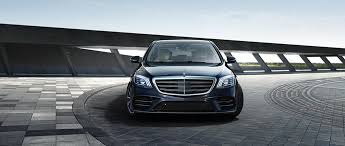
The Mercedes-Benz S-Class has long been regarded as the gold standard of luxury sedans, and the 2025 model continues this legacy. It’s not just a car; it’s a mobile executive lounge. The interior is a symphony of premium materials, exquisite craftsmanship, and advanced technology. The ride quality is supremely isolated and smooth, making every journey feel like a first-class experience. The latest MBUX system, with its predictive AI features and unparalleled voice control, creates an intuitive and anticipatory environment. Rear-seat comfort and amenities are unparalleled, making the S-Class the ultimate vehicle for chauffeur-driven executives. Mercedes-Benz consistently pushes boundaries in autonomous driving features, positioning the S-Class at the forefront of automotive intelligence.
BMW counters with the 7 Series, a vehicle that has historically emphasized the driver, even in its most luxurious form. The 2025 7 Series retains its bold, expressive design, often accompanied by a more dynamic driving character than its Mercedes rival. Its cabin is a technological marvel, featuring elaborate lighting, cinematic rear screens, and a refined iDrive system that, while initially having a slight learning curve for new users, offers immense customization and functionality. While undeniably comfortable and packed with innovative features, the 7 Series still offers a tangible connection to the road, appealing to those who enjoy driving their flagship.
Expert Verdict: When it comes to the absolute pinnacle of passenger comfort, seamless technological integration, and an unrivaled sense of occasion, the Mercedes-Benz S-Class remains the undisputed champion. It is the epitome of a luxury sedan, setting industry benchmarks year after year.
Luxury Large SUVs: Grand Scale, Grand Presence
For those who demand space, presence, and commanding performance, large luxury SUVs are the answer. In 2025, these vehicles must offer refined ride quality, substantial towing capabilities, and sumptuous interiors capable of accommodating multiple passengers in utmost comfort.
BMW’s X7 is a masterclass in scaling up luxury and performance. The 2025 X7 offers a genuinely elegant and spacious three-row cabin, with the first and second rows providing executive-level comfort. The updated iDrive system, paired with stunning digital displays, feels modern and highly functional. What truly sets the X7 apart is its ability to shrink around the driver, offering surprisingly agile handling for such a large vehicle, especially with optional adaptive suspension systems. Powerful engine options, including a formidable twin-turbo V8, ensure effortless cruising and towing capabilities.
Mercedes-Benz offers the GLS and the iconic G-Class. The 2025 GLS is a direct competitor to the X7, offering a similarly upscale cabin, a supremely comfortable ride, and a highly intuitive MBUX system. It leans into Mercedes’ reputation for plushness, providing a serene environment for all occupants. The G-Class, or G-Wagen, is a different beast entirely. It’s an off-road legend dressed in haute couture, offering unparalleled capability and an undeniable cool factor. However, its rugged, body-on-frame construction, while excellent off-road, can compromise on-road refinement and passenger comfort compared to the unibody X7 and GLS, making it a niche, albeit highly desirable, luxury item.
Expert Verdict: While the G-Wagen is iconic, for the holistic luxury large SUV experience that balances comfort, performance, and practical family hauling, the BMW X7 delivers a more consistently refined and dynamically engaging package, making it the winner in this segment.
Luxury Midsize Cars: The Sweet Spot of Sophistication
The midsize luxury sedan category has always been a cornerstone, blending prestige with everyday usability. In 2025, these cars must offer a compelling mix of performance, advanced safety features, and a premium cabin experience that justifies their price point.
The Mercedes-Benz E-Class continues its legacy as a segment leader. The 2025 E-Class further refines its comfortable, composed ride and showcases a dazzling, hyper-connected cabin. The integration of advanced AI and personal assistant features is deeper than ever, making the E-Class feel like a truly intelligent companion. Its extensive suite of driver-assistance technologies sets a high bar for semi-autonomous driving capabilities. The new CLE Coupe and Cabriolet, replacing the C-Class and E-Class two-doors, also deliver sophisticated styling and refined driving, cementing Mercedes’ commitment to elegant midsize luxury.
BMW’s 5 Series, recently redesigned for 2024 and carrying into 2025, presents a more mature, refined character. While historically celebrated for its razor-sharp steering and athletic handling, the current generation emphasizes comfort and technological prowess more than its predecessors, blurring the lines with the E-Class. It still offers a range of potent powertrains, including the innovative i5 electric variant, and its iDrive system is as capable as ever. The interior is modern and spacious, but perhaps lacks some of the overt opulence of the E-Class.
Expert Verdict: This is a segment where both brands excel, offering distinct but equally compelling propositions. Mercedes-Benz continues to excel in delivering sheer comfort and state-of-the-art cabin technology, while BMW offers a slightly more performance-oriented (though increasingly refined) experience. Given the E-Class’s unwavering commitment to luxury and tech-forward comfort, Mercedes-Benz narrowly takes this category, though it remains a tie for overall value.
Luxury Midsize SUVs: The Heart of the SUV Market
This is arguably the most competitive luxury segment, with brands vying for dominance in what is often a family’s primary vehicle. Expectations for the 2025 midsize luxury SUV include robust performance, sophisticated safety systems, and flexible, upscale interiors.
The Mercedes-Benz GLE remains a formidable contender in 2025. It boasts a supremely refined ride, a spacious cabin that masterfully integrates modern technology without feeling overwhelming, and an undeniable sense of quality. For 2025, expect further enhancements to its already impressive infotainment and driver-assistance systems. Its range of smooth, powerful engines, including a highly capable plug-in hybrid variant, offers excellent efficiency and performance. The GLE Coupe also provides a stylish, sportier alternative.
BMW’s X5 is equally revered, delivering an upscale interior and handling dynamics that lean towards the athletic, characteristic of BMW. The 2025 X5 continues to impress with its potent engine lineup, including a high-performance M variant, and a sophisticated iDrive system. Its active lane-change assist, combined with other advanced driver aids, makes highway driving remarkably stress-free. The X6, its fastback sibling, caters to those who prioritize distinctive styling and dynamic driving over maximum cargo space.
Expert Verdict: Both the GLE and X5 are exceptional vehicles. However, the Mercedes-Benz GLE often feels a touch more refined and offers a slightly more opulent cabin experience, setting the benchmark for overall luxury in this highly competitive segment.
Luxury Small Cars: Entry Point to Excellence
These compact luxury sedans and coupes serve as the entry point for many into the world of German prestige. For 2025, they must blend agile driving with premium features, appealing to a younger demographic or those seeking a nimble yet sophisticated daily driver.
The BMW 3 Series has long been the gold standard for compact luxury sports sedans, and the 2025 model continues this legacy. It delivers an exhilarating driving experience, powerful engine options, and a remarkably spacious and well-appointed interior for its class. Its communicative steering and balanced chassis make it a joy on winding roads, upholding BMW’s “Ultimate Driving Machine” ethos. The 2 Series Coupe and 4 Series (available as coupe, convertible, and Gran Coupe) further expand BMW’s offerings, catering to specific tastes for sportiness and style.
Mercedes-Benz counters with the C-Class and the more accessible CLA. The 2025 C-Class offers a comfortable and refined ride, prioritizing passenger comfort and cabin elegance. Its interior design draws heavily from the S-Class, featuring a prominent central touchscreen and advanced MBUX system, providing a luxurious tech-forward environment. While comfortable, it typically doesn’t offer the same level of driver engagement as the 3 Series. The CLA, with its sleek “four-door coupe” styling, brings a youthful energy and a surprising amount of technology to the entry-level segment, appealing to those who value design and connectivity.
Expert Verdict: For pure driving enjoyment, dynamic performance, and that visceral connection to the road, the BMW 3 Series continues to outshine its rivals, making BMW the winner in the luxury small car category for 2025.
Luxury Sports Cars: Adrenaline and Precision
This segment is for the enthusiasts, where raw performance, precision engineering, and an undeniable thrill are paramount. In 2025, these vehicles showcase the cutting edge of internal combustion and increasingly, electric performance.
BMW’s M division is legendary, and its 2025 lineup of luxury sports cars reinforces this heritage. The M2, M3, and M4 are all celebrated for their surgical precision, powerful engines, and track-ready capabilities. The M2, in particular, offers a pure, unadulterated driving experience that feels incredibly connected. For open-air exhilaration, the Z4 roadster blends elegant styling with engaging performance. BMW offers performance variants that are finely tuned extensions of their core models, ensuring a cohesive and recognizable driving DNA.
Mercedes-Benz, through its AMG division, offers dedicated sports cars like the thrilling AMG GT and the luxurious SL Roadster. The 2025 AMG GT continues to be a visceral, exciting machine, delivering thunderous performance and sharp handling. The SL, while certainly capable, leans more towards a grand-touring convertible, offering a blend of sporty performance and luxurious comfort for long-distance cruising. Mercedes’ sports cars are often characterized by powerful engines and a more dramatic, less understated approach to performance.
Expert Verdict: While Mercedes-AMG offers incredibly potent and exciting machines, BMW’s consistent focus on driver connection, balanced chassis, and a broad range of highly acclaimed M models that deliver pure, unadulterated driving pleasure gives BMW the decisive win in the luxury sports car segment.
Luxury Subcompact SUVs: Urban Elegance
These smallest luxury SUVs cater to urban dwellers or those seeking a premium badge in a nimble, parking-friendly package. In 2025, they must offer surprising interior space, a refined driving experience, and a long list of desirable features.
The BMW X1 continues to dominate the luxury subcompact SUV rankings in 2025. It makes exceptional use of its compact dimensions, providing a surprisingly spacious and beautifully crafted cabin, packed with standard features that often cost extra elsewhere. Its driving dynamics strike an ideal balance between comfortable cruising and responsive handling, making it perfect for cityscapes and highway stretches alike. The sportier X2, with its distinctive coupe-like profile, offers similar functionality with a more aggressive aesthetic.
The Mercedes-Benz GLA ranks well, offering a fun-to-drive character and an upscale cabin that boasts the familiar MBUX system. However, for 2025, it might not feel quite as refined as other Mercedes SUVs, and its cargo space can be a limiting factor for some buyers. While undeniably stylish and packed with tech, it often struggles to match the X1’s overall practicality and dynamic prowess.
Expert Verdict: The BMW X1 stands head and shoulders above the competition, offering an unmatched blend of practicality, premium features, and enjoyable driving dynamics in the luxury subcompact SUV category.
Safety: Advanced Protection for 2025
In 2025, safety transcends mere crash ratings; it encompasses sophisticated driver-assistance systems, predictive accident avoidance, and integrated emergency services. Both brands are at the forefront of automotive safety innovation.
BMW vehicles consistently earn top marks from safety organizations. Models like the 2 Series, 3 Series, 5 Series, and X3 are particularly strong performers, often achieving “Top Safety Pick+” designations. Their comprehensive suites of safety technologies, including advanced forward collision avoidance with pedestrian and cyclist detection, lane-departure warning, adaptive cruise control, and increasingly sophisticated semi-autonomous driving aids, work seamlessly to protect occupants. BMW’s commitment to structural integrity is evident across its lineup.
Mercedes-Benz vehicles, including the C-Class, E-Class, GLC-Class, and GLE-Class, also demonstrate exceptional safety performance. Their robust construction and extensive array of driver-assistance systems, often featuring more advanced levels of lane-keeping and traffic jam assist, provide a reassuring layer of protection. Mercedes-Benz also pioneers innovations in occupant protection, such as PRE-SAFE Sound, which emits a specific frequency to protect hearing during an imminent crash. It is worth noting that new EV models from both brands are continuously being evaluated, and their safety features are often even more advanced.
Expert Verdict: Both brands are leaders in automotive safety. However, BMW’s broader range of top-rated models and its continued refinement of its driver-assistance technologies across segments give it a slight, though significant, edge. BMW consistently delivers stellar safety across its diverse portfolio.
Performance: The Thrill of German Engineering
Performance in 2025 is a holistic concept: not just raw horsepower, but responsive handling, precise steering, and an overall driving experience that delights and engages. Both brands have distinct philosophies here.
BMW has carved its reputation on “The Ultimate Driving Machine,” and in 2025, this ethos is stronger than ever. From the agile 3 Series to the commanding 7 Series and the exhilarating M models, BMW vehicles are engineered for drivers. Even its electric offerings, such as the i4, i7, and iX, manage to imbue a sense of dynamic engagement, often outperforming competitors in terms of responsiveness and handling. BMW’s powertrains, whether internal combustion or electric, are renowned for their smooth delivery and potent acceleration, making every drive an event.
Mercedes-Benz offers formidable performance, particularly through its AMG division, which transforms standard models into high-octane machines. The AMG GT and high-output S-Class and EQS variants deliver blistering acceleration and impressive handling. However, across its standard lineup, Mercedes-Benz often prioritizes a more composed, comfortable ride. While capable, models like the GLA and GLB, while good value, lean less into outright performance compared to their BMW counterparts. When you seek the ultimate in raciness from Mercedes, it’s typically found in a dedicated AMG model, whereas BMW’s performance DNA is more deeply woven into its core vehicles.
Expert Verdict: For the discerning driver who values spirited dynamics, responsive handling, and an inherent sense of engagement across the majority of its lineup, BMW maintains its position as the superior performance brand.
Reliability: Long-Term Ownership Confidence
Luxury vehicles represent a significant investment, making long-term reliability a crucial factor. In 2025, this includes not just mechanical integrity but also the robustness of complex electronic systems and battery longevity for EVs.
BMW has made significant strides in reliability in recent years. Many of its core models, including the X1, X3, 2 Series, and 7 Series, consistently earn “Great” predicted reliability scores from independent evaluators. As a brand, BMW generally scores above average, indicating a strong commitment to quality and durability. While electric vehicles are still relatively new, BMW’s EV battery packs come with a substantial eight-year/100,000-mile warranty, offering peace of mind.
Mercedes-Benz has also improved its reliability, with models like the E-Class, GLA, and GLE often receiving “Average” to “Great” scores. However, historically, Mercedes-Benz has had fewer models reporting reliability data compared to BMW. Their EV battery packs come with an even more generous 10-year/155,000-mile warranty, demonstrating confidence in their electric drivetrain longevity. Both brands back their conventionally powered vehicles with a four-year/50,000-mile powertrain warranty.
Expert Verdict: While both brands offer robust warranties and improving reliability, BMW generally has a wider range of models with consistently strong predicted reliability scores, giving it the edge for long-term ownership confidence.
Interior: Craftsmanship and Comfort
The interior is where luxury truly manifests – in the materials, the design, the comfort, and the seamless integration of technology. In 2025, hyper-personalization, sustainable materials, and advanced sensory experiences define the cabin.
Mercedes-Benz continues to set the industry benchmark for automotive interiors. Whether it’s the sumptuous S-Class, the elegant E-Class, or the refined GLE/GLS, Mercedes-Benz cabins are a masterclass in design, material quality, and comfort. The fit and finish are exceptional, often incorporating innovative textures, ambient lighting, and high-resolution displays that create an atmosphere of unparalleled opulence. The seats are universally praised for their support and long-distance comfort, and the MBUX system’s visual appeal and intuitive operation further enhance the experience. Every touchpoint feels meticulously crafted, making the cabin a true sanctuary.
BMW offers some outstanding cabins, particularly in its newer models like the X1, X3, and i7. These vehicles feature excellent build quality, ergonomic layouts, and modern aesthetics. The curved display and iDrive controller are highly functional, and the materials used are undoubtedly premium. However, while excellent, BMW’s interiors often lean towards a more understated, driver-focused elegance rather than the overt grandeur and plushness that Mercedes-Benz consistently delivers across its lineup. The emphasis is on functionality and subtle luxury rather than outright extravagance.
Expert Verdict: For sheer opulence, cutting-edge design, and an unparalleled commitment to passenger comfort and aesthetic grandeur, Mercedes-Benz continues to dominate the luxury interior segment. Its cabins truly redefine the in-car experience.
The Winner Is… BMW (By a Hair)
After a comprehensive head-to-head analysis across the dynamic and evolving automotive landscape of 2025, the verdict is incredibly tight, a testament to the relentless innovation of both German giants. However, by a narrow margin, BMW emerges as the victor in this ultimate luxury car comparison.
BMW’s consistent emphasis on driver engagement, dynamic handling, and a more widespread integration of performance-oriented engineering across its diverse lineup gives it the edge in more segments. From the compact X1 to the formidable M-series and its increasingly impressive electric fleet, BMW vehicles in 2025 masterfully blend refinement, cutting-edge technology, and that intangible joy of driving. They’ve managed to electrify their vehicles while largely retaining their core “Ultimate Driving Machine” DNA, which is a significant achievement.
Mercedes-Benz, on the other hand, remains the undisputed champion of ultimate comfort, opulent interiors, and serene refinement. The S-Class, in particular, continues to be an industry icon, and its MBUX infotainment system often feels a step ahead in terms of intuitive user experience and sheer visual spectacle. For those who prioritize a supremely luxurious, chauffeur-driven, or comfort-focused experience, Mercedes-Benz remains an exceptional choice. Their commitment to premium EV technology and sustainable luxury is also highly commendable.
The automotive world of 2025 is more diverse and exciting than ever. Both BMW and Mercedes-Benz offer exceptional products that push the boundaries of luxury, technology, and performance. The choice ultimately hinges on your personal priorities: do you crave the thrill of the drive, or the serene sanctuary of an unparalleled cabin experience?
Ready to Experience the Future of Luxury Driving?
This deep dive into the 2025 luxury landscape highlights the remarkable advancements from BMW and Mercedes-Benz. But reading about these marvels is only the first step. To truly understand which brand aligns with your vision of automotive excellence, you need to feel it, drive it, and immerse yourself in the experience.
We invite you to connect with a trusted local dealership to schedule a personalized test drive of your preferred BMW or Mercedes-Benz model. Experience the refined dynamics of a BMW 3 Series, the commanding presence of an X7, or the unparalleled comfort of a Mercedes-Benz S-Class. Our expert advisors are ready to guide you through the latest 2025 models, discuss advanced features, explore financing options, and help you configure the luxury vehicle of your dreams. Elevate your driving experience – reach out today to begin your journey.