
The German Titans: BMW Versus Mercedes-Benz in the 2025 Luxury Arena
For over a century, the automotive world has looked to Germany for benchmarks in luxury, engineering prowess, and driving excellence. Among the many esteemed marques, two names have consistently dominated the premium segment, cultivating fervent loyalties and driving innovation: BMW and Mercedes-Benz. As we navigate the evolving automotive landscape of 2025, the rivalry between these titans remains as fierce and fascinating as ever. While traditionally perceived as distinct entities—BMW, the purveyor of “The Ultimate Driving Machine,” emphasizing dynamic performance, and Mercedes-Benz, the artisan of “The Best or Nothing,” renowned for opulent comfort and groundbreaking technology—the lines have blurred considerably. Both brands now offer an astonishing breadth of vehicles, from nimble urban commuters to formidable electric flagships, each vying for supremacy in a market increasingly defined by electrification, digital integration, and sustainable luxury.
Having spent a decade immersed in the intricacies of the automotive industry, observing firsthand the relentless pursuit of perfection from Munich and Stuttgart, I’ve witnessed these marques adapt, innovate, and occasionally stumble. In 2025, the choice between a BMW and a Mercedes-Benz isn’t just about brand allegiance; it’s a nuanced decision based on specific needs, driving preferences, and a deep understanding of what each automaker truly delivers today. Let’s dissect the current offerings, segment by segment, to determine which German powerhouse is truly setting the pace for the future of luxury driving.
Luxury Compact SUVs: Agile Elegance Meets Practicality
The compact luxury SUV segment is a crucial battleground, attracting new buyers to premium brands. In 2025, this category demands a blend of urban maneuverability, upscale amenities, and surprising versatility. BMW continues to hold a strong position here, particularly with its X3 and the more style-focused X4. The 2025 BMW X3, benefiting from continuous refinement, offers a spacious, impeccably crafted cabin and an intuitive iDrive infotainment system that has become second nature to most users. Its athletic handling dynamics remain a core strength, making it one of the most engaging drives in its class, especially with the increasingly potent hybrid and mild-hybrid powertrains now standard across the range. For those prioritizing driving enjoyment without sacrificing practicality, the X3 sets a high bar.
Mercedes-Benz counters with the GLB and GLC. The 2025 Mercedes-Benz GLB continues to impress with its remarkably efficient packaging, offering an optional third row, a rare feature in this compact class. Its interior design is a masterclass in modern luxury, featuring high-quality materials and the highly responsive MBUX infotainment system with its “Hey Mercedes” voice assistant. The GLC, meanwhile, presents a more conventional luxury SUV experience, distinguished by its serene ride quality and an even more sophisticated cabin. While the GLC offers ample comfort, the BMW X3 still maintains an edge in sheer driving engagement and the overall balance of sportiness and refinement that discerning drivers crave.
Luxury Electric Cars: The Silent Revolution Accelerates
The luxury electric vehicle (EV) space is arguably the most dynamic arena in 2025, and both BMW and Mercedes-Benz have rapidly expanded their EV portfolios. While Tesla and Lucid continue to innovate, the traditional luxury giants are leveraging their century of automotive expertise to redefine premium EVs. BMW’s electric lineup, particularly the i4, i5, and the flagship i7, has matured significantly. The 2025 BMW i4, essentially an electric 4 Series Gran Coupe, brilliantly blends BMW’s signature driving dynamics with instant electric torque and impressive range. The i5, taking cues from the venerable 5 Series, offers a compelling mix of executive luxury and zero-emission performance.
However, it’s the 2025 BMW i7 that truly showcases BMW’s electric ambition. As the EV counterpart to the 7 Series, it boasts a futuristic design, an interior replete with screens (including the optional 31.3-inch Theatre Screen for rear passengers), and breathtaking acceleration. BMW’s focus on integrating electric powertrains seamlessly into their established performance ethos is evident.
Mercedes-Benz, with its EQ family (EQE Sedan and EQS Sedan), emphasizes a distinct interpretation of electric luxury. The 2025 EQE and EQS Sedans are characterized by their avant-garde designs, notably the “one-bow” styling, and their lavish, digitally immersive cabins. The MBUX Hyperscreen, a dominant feature in higher trims, transforms the dashboard into a sprawling digital canvas. Mercedes’ EQ vehicles prioritize supreme comfort, whisper-quiet operation, and advanced driver-assistance systems, creating an almost monastic driving experience. While Mercedes excels in serene luxury, BMW’s electric sedans, particularly the i4 and i5, deliver a more engaging, driver-focused experience that continues to resonate with enthusiasts, giving BMW the slight advantage for overall electric car appeal in 2025.
Luxury Electric SUVs: Versatility in the Electric Era
The electric SUV market is booming, and both brands have invested heavily. The 2025 BMW iX stands as a testament to BMW’s forward-thinking approach to electric SUVs. Its polarizing exterior design aside, the iX offers a cavernous, sustainably-designed interior, cutting-edge technology, and exhilarating acceleration. The iX provides a truly unique luxury EV experience, blending executive comfort with BMW’s characteristic dynamic capability. Furthermore, BMW is expanding its electric SUV offerings with variants like the iX1 and potentially an iX3, bringing electrification to popular compact platforms, broadening their appeal significantly.
Mercedes-Benz has a comprehensive lineup with the EQB, EQE SUV, and EQS SUV. The 2025 Mercedes-Benz EQB, derived from the GLB, is a practical, if somewhat less refined, entry into the electric SUV space. The EQE SUV and EQS SUV share much of their design and technology with their sedan counterparts, offering opulent interiors, smooth rides, and impressive range figures. However, Mercedes’ strategy, while offering choice, can sometimes lead to less distinct individual identities within the EQ SUV family. While the EQS SUV is undeniably luxurious, some critics note its cargo capacity doesn’t always match its imposing footprint, and the EQE SUV, while elegant, can sometimes feel less spirited than its BMW rival. For a holistic blend of innovative design, driving dynamics, and usable space in an electric SUV, BMW’s iX continues to lead the charge.
Luxury Large Cars: Grandeur and Statement
When it comes to the pinnacle of traditional automotive luxury, the large sedan segment, Mercedes-Benz has long set the global standard with its S-Class. The 2025 Mercedes-Benz S-Class, in all its iterations, remains an undisputed icon of opulence, technological sophistication, and serene comfort. Its cabin is a sanctuary, cocooning occupants from the outside world with exquisite materials, meticulous craftsmanship, and an unparalleled suite of comfort features. The MBUX system in the S-Class is at its most refined, offering intuitive control and an unmatched level of digital integration. For those seeking the ultimate expression of executive luxury, the S-Class is a virtually unrivaled choice.
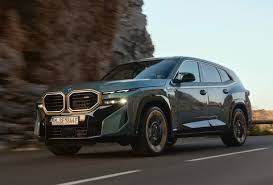
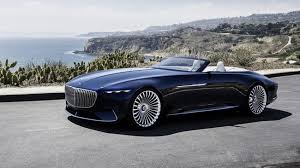
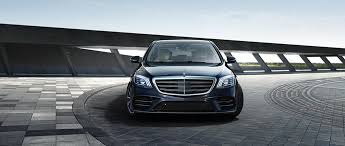
BMW’s 7 Series, redesigned with a bold and often controversial aesthetic, offers a compelling, albeit different, interpretation of flagship luxury. The 2025 BMW 7 Series aims for a more audacious, tech-forward statement, particularly with its front-end styling and its dramatic interior design. While it offers a similarly potent array of powertrains and a high level of interior refinement, the 7 Series retains a distinct BMW athleticism that appeals to the driver who still enjoys being behind the wheel of a large luxury sedan. However, for sheer, unadulterated, universally acknowledged luxury and comfort, the S-Class retains its crown. Mercedes-Benz wins this battle of flagships.
Luxury Large SUVs: Three Rows of Premium Power
For families or individuals requiring serious passenger and cargo capacity without compromising luxury, the large SUV segment is paramount. The 2025 BMW X7 expertly scales up the brand’s winning formula, delivering a sophisticated three-row experience. The X7’s interior is a testament to modern BMW design, offering premium materials, excellent ergonomics, and comfortable seating for up to seven adults. Its powerful engine options, including robust mild-hybrid and plug-in hybrid variants, ensure effortless performance, while its refined chassis provides a surprisingly agile ride for a vehicle of its size. The iDrive system, while having a learning curve for newcomers, becomes incredibly intuitive with continued use.
Mercedes-Benz counters with the formidable GLS and the iconic G-Class. The 2025 Mercedes-Benz GLS is a direct competitor to the X7, offering a similarly upscale cabin, a supremely comfortable ride, and impressive V8 power in its higher trims. The GLS prioritizes plushness and a commanding road presence. The G-Class, or G-Wagen, is a different beast entirely. While undeniably luxurious and incredibly capable off-road, its origins as a military vehicle mean its on-road dynamics and interior refinement, while significantly improved over generations, don’t quite match the dedicated luxury SUVs like the X7 or GLS. For a blend of luxury, dynamic driving, and practical three-row utility, the BMW X7 maintains a slight edge over the GLS, offering a more engaging drive without sacrificing comfort or luxury.
Luxury Midsize Cars: The Heart of the Sedan Market
The midsize luxury sedan segment has always been a core strength for both brands, blending executive appeal with daily usability. In 2025, this category showcases the brands’ evolutionary paths. The Mercedes-Benz E-Class, especially after its recent redesign, continues to solidify its position as the quintessential midsize luxury sedan. The 2025 E-Class boasts an incredibly advanced, high-tech cabin, borrowing heavily from the S-Class in terms of digital integration and material quality. Its ride is supremely composed and comfortable, making it an excellent choice for long journeys. Mercedes also offers the elegant CLE, a two-door coupe and convertible that merges the best attributes of the former C-Class and E-Class coupes.
The BMW 5 Series, also recently redesigned, presents a compelling alternative. While previous generations were renowned for their athletic steering and pure driving feel, the 2025 5 Series has embraced more refinement and technology, albeit with a slight reduction in raw driver feedback. Nevertheless, it still offers a potent range of engines, including excellent hybrid and full-electric (i5) options, and a cabin that balances luxury with a more driver-centric focus. Both vehicles are exemplary in their own right, and the choice largely comes down to preference: the E-Class for its digital opulence and unparalleled comfort, or the 5 Series for its subtly sportier character and intuitive tech integration. For 2025, this segment remains a definitive tie, showcasing the best of both worlds.
Luxury Midsize SUVs: The Everyday Premium SUV
Another highly competitive segment, midsize luxury SUVs, demands versatility, comfort, and technological sophistication. The 2025 Mercedes-Benz GLE continues to impress with its spacious, beautifully appointed cabin that seamlessly integrates cutting-edge technology without being overwhelming. Its ride quality is exceptionally smooth, soaking up road imperfections with ease, and the availability of sophisticated plug-in hybrid powertrains further enhances its appeal for those seeking efficiency without compromise. Mercedes also offers the GLE Coupe, a sportier-looking variant, though it sacrifices some practicality.
The 2025 BMW X5 is an equally revered contender, known for its upscale interior and more athletic handling than its Mercedes counterpart. Its powerful engines, precise steering, and advanced adaptive suspension options make it a joy to drive, whether on twisty roads or navigating urban environments. BMW’s X6, the fastback version of the X5, caters to those prioritizing style. While the X5 is incredibly capable, the GLE’s holistic approach to luxury, offering a slightly more refined and comfortable cabin experience alongside practical utility, gives Mercedes-Benz the slight edge in this critical segment for 2025.
Luxury Small Cars: Entry Point to Performance and Prestige
The small luxury car segment is often the gateway for new buyers into these prestigious brands, and both BMW and Mercedes-Benz offer incredibly compelling options. The 2025 BMW 3 Series, consistently lauded as the benchmark in its class, remains a top choice for driving enthusiasts. Its engaging chassis, powerful yet refined engines, and well-designed interior make every drive a pleasure. The 3 Series brilliantly balances sportiness with everyday usability, offering a spacious trunk and comfortable seating for its class. BMW also fields the sporty 2 Series Coupe and the diverse 4 Series (coupe, convertible, Gran Coupe), providing options for every taste.
Mercedes-Benz counters with the C-Class and the entry-level CLA. The 2025 Mercedes-Benz C-Class draws significant inspiration from the S-Class, boasting a remarkably luxurious and technologically advanced cabin for its size. Its ride is more comfort-oriented than the 3 Series, making it a serene daily driver. The CLA, while stylish and packed with tech, sits as Mercedes’ compact, coupe-like sedan, offering nimble handling and a sharp aesthetic. While the C-Class offers impressive refinement, the BMW 3 Series still delivers a more invigorating and cohesive driving experience that remains the benchmark for small luxury sedans. BMW triumphs here.
Luxury Sports Cars: Adrenaline and Precision
For those who prioritize unadulterated driving exhilaration, the luxury sports car segment is where these brands truly flex their engineering muscle. BMW’s M division consistently delivers some of the most respected performance vehicles on the planet. The 2025 BMW M3 and M4 are iconic, offering blistering acceleration, razor-sharp handling, and a visceral driving experience. The M2, arguably the purest expression of BMW’s performance heritage, is a compact powerhouse that punches far above its weight. And for open-air thrills, the Z4 roadster provides engaging performance with a touch of flair.
Mercedes-Benz, through its AMG division, offers dedicated sports cars that are equally thrilling, albeit with a different character. The 2025 Mercedes-AMG GT, available in various high-performance iterations, is an exciting, track-focused machine that delivers immense power and a captivating exhaust note. The SL, recently reinvented, positions itself as a luxurious grand-touring convertible, blending performance with supreme comfort. While AMG’s dedicated sports cars are phenomenal, BMW’s broader range of performance variants across its core models, particularly the M-cars’ reputation for balanced dynamics and everyday usability, gives BMW the edge for sheer breadth and consistent driver engagement in the luxury sports car realm.
Luxury Subcompact SUVs: The Urban Conquerors
In the urban jungle, subcompact luxury SUVs offer a blend of elevated driving position, premium features, and manageable dimensions. The 2025 BMW X1 continues to dominate this segment, offering a remarkably well-packaged interior with premium materials and an impressive list of standard features. Its handling strikes a superb balance between comfort and responsiveness, making it a joy to navigate tight city streets or open highways. The X2, a sportier, fastback variant, adds another dimension of style for those willing to trade a little cargo space.
Mercedes-Benz presents the GLA as its contender. The 2025 Mercedes-Benz GLA is stylish, nimble, and offers an upscale cabin with the intuitive MBUX system. However, compared to the X1, it can feel less refined and offers less practical cargo space. While a fun vehicle, the GLA doesn’t quite match the BMW X1’s overall refinement, spaciousness, and commanding presence in this entry-level luxury SUV category. BMW comfortably wins this segment.
Safety: Evolving Guardianship on the Road
In 2025, safety extends beyond robust crash structures to encompass an advanced suite of predictive and preventative technologies. Both BMW and Mercedes-Benz are at the forefront of automotive safety, continually integrating cutting-edge driver-assistance systems. BMW’s commitment is evident across its core models, with the 2 Series, 3 Series, 5 Series, and X3 consistently achieving top safety ratings from organizations like the IIHS and NHTSA. Their comprehensive suites often include advanced forward collision avoidance, active lane-keeping assist, adaptive cruise control with traffic jam assist, and sophisticated parking aids, all working seamlessly to enhance driver confidence and passenger protection. Many 2025 BMW models are equipped with Level 2+ autonomous driving capabilities, with select regions testing Level 3.
Mercedes-Benz also offers an incredibly robust safety portfolio, with the C-Class, E-Class, GLC-Class, and GLE-Class performing exceptionally well. Their Pre-Safe system, encompassing various predictive safety measures, is a testament to their dedication. Mercedes’ ADAS systems are among the most sophisticated, often prioritizing a smooth, gentle intervention. However, in terms of the sheer number of models rigorously tested and consistently achieving the absolute highest accolades across various safety evaluation categories, BMW holds a marginal lead, particularly with its well-established internal combustion engine and hybrid models. The rapid pace of EV development means full safety evaluations are ongoing for many new electric models from both brands, but based on their established lineups, BMW earns the slight edge.
Performance: The Thrill of the Drive
The very DNA of BMW is intertwined with performance. In 2025, this legacy continues unabated. From the engaging dynamics of the 3 Series to the commanding power of the 7 Series and 8 Series, BMW vehicles are engineered to excite the driver. Their inline-six engines remain benchmarks for smoothness and power delivery, while their chassis tuning consistently delivers a balance of comfort and dynamic agility. Critically, BMW has successfully translated this performance ethos into its electric vehicles; the i4, i7, and iX consistently earn high praise for their exhilarating acceleration and surprisingly agile handling. And, of course, the M-cars—the M2, M3, and M4—are simply untouchable for many performance enthusiasts.
Mercedes-Benz, while traditionally prioritizing comfort, has made immense strides in performance, particularly through its AMG division. The AMG GT and SL offer pure sports car thrills, and models like the S-Class and EQS Sedan deliver powerful, albeit more composed, performance. However, across the breadth of its standard lineup, Mercedes-Benz often calibrates its vehicles for a more refined, less overtly sporty ride compared to BMW. While AMG vehicles are exceptional, the fundamental driving character of a BMW, even in its non-M variants, typically leans more towards driver engagement. For a consistent, engaging performance experience across the majority of its portfolio, BMW remains the segment leader.
Reliability: Enduring Quality and Owner Peace of Mind
Reliability in 2025 is more complex than ever, encompassing not just mechanical integrity but also the stability of sophisticated software and complex electrical systems. Both BMW and Mercedes-Benz vehicles are engineered to high standards, but predicting long-term reliability can be challenging with the rapid introduction of new technologies. Based on recent data and owner surveys, BMW consistently shows stronger predicted reliability scores across a wider range of its models. The X3, X1, 2 Series, and 7 Series, for instance, frequently score in the “Great” category by independent evaluators. While all luxury vehicles come with higher maintenance costs than mainstream brands, BMW’s overall brand average for reliability tends to be slightly higher, with more models consistently reporting strong scores.
Mercedes-Benz has excellent build quality, but reliability scores can be more varied across its diverse lineup. While models like the E-Class and GLE often achieve good scores, a smaller proportion of their total models report data, and their overall brand average can fluctuate. Both brands offer competitive four-year/50,000-mile warranties on their conventional powertrains. For electric vehicles, BMW provides an eight-year/100,000-mile battery warranty, while Mercedes-Benz often extends this to 10 years/155,000 miles, indicating confidence in their EV battery longevity. However, for a broader, more consistently positive reliability outlook across its diversified portfolio, BMW holds a slight advantage in 2025.
Interior: Crafting the Ultimate Cabin Experience
If BMW is the performance brand, then Mercedes-Benz remains the undisputed champion of interior luxury and comfort. In 2025, Mercedes-Benz continues to set the industry benchmark for automotive interiors across nearly every segment. Whether it’s the lavish GLE, the commanding GLS, the advanced E-Class, or the gold-standard S-Class, the fit, finish, material quality, and design aesthetic are consistently exceptional. Their cabins are architectural marvels, blending sumptuous leathers, exquisite wood trims, and meticulously integrated digital displays into a cohesive, supremely comfortable, and visually stunning environment. The MBUX system, with its hyper-personalized features and advanced voice commands, creates an immersive user experience that is intuitive and truly luxurious.
BMW has made significant strides in interior design and quality, with models like the X1, X3, and i7 offering outstanding cabins that prioritize ergonomic design and cutting-edge technology. The fit-and-finish across many BMW models are excellent, showcasing German precision. However, while BMW interiors are highly functional, driver-centric, and undeniably premium, they generally don’t quite reach the same level of bespoke artistry, expansive luxury, and sheer “wow” factor that Mercedes-Benz consistently delivers. For the ultimate in cabin comfort, sensory appeal, and opulent design, Mercedes-Benz reigns supreme.
The Verdict: A New Era, A Clear Champion
After a thorough examination of the 2025 landscape, comparing these two formidable German luxury automakers across various critical segments and attributes, a consistent pattern emerges. Both BMW and Mercedes-Benz offer exceptional vehicles, each pushing the boundaries of what’s possible in automotive engineering and luxury. Each brand holds areas of undeniable strength, catering to distinct preferences.
However, when tallying the head-to-head victories across the crucial categories, BMW emerges as the overall winner.
BMW has consistently demonstrated its ability to deliver vehicles that are not only deeply engaging to drive but also refined, technologically advanced, and impeccably built. Its prowess in dynamic performance, successfully translating to the electric era, combined with a broader sweep of wins in key SUV and sports car segments, and generally stronger reliability and safety scores, positions it as the more compelling overall choice for the discerning luxury buyer in 2025. BMW vehicles strike a masterful balance between the visceral thrill of driving and the sophisticated demands of modern luxury.
Mercedes-Benz, while an incredible competitor, particularly excelling in interior opulence and the ultimate luxury large sedan (S-Class), finds itself slightly outmaneuvered in more segments by BMW’s pervasive focus on the driving experience and consistent dynamic excellence across its range.
The luxury market is in constant flux, with new technologies and shifting consumer desires continually reshaping expectations. The rivalry between BMW and Mercedes-Benz will undoubtedly continue to drive innovation, benefiting enthusiasts worldwide.
Embark on Your Journey
The choice between a BMW and a Mercedes-Benz is deeply personal, a reflection of what you value most in your driving experience. While this expert analysis provides a comprehensive guide to the 2025 landscape, the true test lies in your hands. I strongly encourage you to experience these engineering marvels firsthand. Visit your local dealerships, take extended test drives, and immerse yourself in the unique worlds each brand meticulously crafts. Only then can you truly appreciate the nuances, feel the dynamics, and discover which German titan perfectly aligns with your vision of the ultimate luxury driving machine. Your next premium vehicle awaits—let your personal journey of discovery begin.