
BMW vs. Mercedes-Benz: The Definitive 2025 Luxury Showdown for Discerning Drivers
For decades, the luxury automotive landscape has been dominated by a rivalry as enduring as it is iconic: BMW versus Mercedes-Benz. These two German titans have not merely competed; they have defined the very essence of premium motoring, setting benchmarks for engineering prowess, technological innovation, and sheer driving pleasure. As an industry veteran who has seen these brands evolve over the past ten years, I can tell you that in 2025, this legendary battle is more compelling than ever, especially with the accelerating shift towards electrification, advanced driver-assistance systems (ADAS), and increasingly sophisticated digital ecosystems.
The core philosophies of these two giants have traditionally been distinct. BMW, long heralded as “The Ultimate Driving Machine,” built its reputation on precision engineering, engaging driving dynamics, and a driver-centric experience. Its vehicles were designed to connect the driver to the road, offering a tactile, responsive feel that enthusiasts coveted. Mercedes-Benz, on the other hand, established itself as the purveyor of ultimate comfort and refined luxury. Its cabins were sanctuaries of opulence, its rides serenely smooth, and its technological advancements focused on enhancing passenger well-being and effortless sophistication.
However, the 2025 automotive market presents a fascinating convergence. Both brands are aggressively expanding their electric vehicle (EV) portfolios, integrating cutting-edge AI into their infotainment, and pushing the boundaries of autonomous driving. This evolution begs the question: in the face of these transformative changes, which brand truly offers the superior experience for today’s discerning luxury car buyer? To answer this, we need to delve deep into each segment and critically assess their offerings, considering not just performance figures but the entire ownership ecosystem.
Luxury Compact SUVs: Agile All-Rounders or Plush Practicality?
The segment of premium compact SUVs remains one of the hottest tickets in the luxury market, appealing to those who desire versatility, elevated driving positions, and a touch of class without the full footprint of larger SUVs. For 2025, both BMW and Mercedes-Benz present compelling options.
BMW’s contenders, primarily the X3 and its sportier coupe sibling, the X4, continue to impress with their athletic handling and robust powertrain options. The X3, in particular, maintains its reputation for a balanced chassis, responsive steering, and a surprisingly spacious yet driver-focused cabin. Its turbocharged inline-four and inline-six engines offer exhilarating performance, while hybrid options provide enhanced efficiency. The X4 caters to those prioritizing style with its distinctive fastback profile, trading a touch of practicality for a more aggressive aesthetic and sharper dynamics. BMW’s iDrive system, refined over years, offers intuitive control, albeit with a slight learning curve for newcomers.
Mercedes-Benz answers with the GLC and the more family-oriented, available three-row GLB. The 2025 GLC, often praised for its plush ride quality and elegantly appointed interior, truly embodies Mercedes’ commitment to comfort and sophistication. Its MBUX infotainment system, featuring voice commands and augmented reality navigation, provides a seamless, high-tech experience that is often lauded for its user-friendliness. The GLB, while slightly less luxurious, offers unmatched practicality in its class with its optional third row and distinctive, upright styling. While not as overtly sporty as the BMWs, the Mercedes compact SUVs deliver a refined, serene driving experience perfectly suited for urban commutes and comfortable road trips.
Verdict: BMW slightly edges out Mercedes-Benz in this segment for pure driving engagement, while Mercedes counters with superior interior comfort and tech integration, making it a close call based on individual priorities.
Luxury Electric Cars: The Silent Revolution in Sedans
The electric luxury car segment is rapidly maturing, and both German brands are making significant strides to challenge stalwarts like Tesla and emerging players. The year 2025 sees a more diverse and refined offering from both.
BMW’s electric sedan lineup, led by the i4 and the flagship i7, demonstrates a clear strategy: electrify existing, beloved platforms while maintaining the “Ultimate Driving Machine” ethos. The i4, essentially an electric 4 Series Gran Coupe, delivers exhilarating acceleration and surprisingly agile handling, proving that electric power doesn’t have to sacrifice driving pleasure. Its range is competitive, and the integration of BMW’s latest iDrive 8.5 system ensures a modern, connected experience. The i7, a full-size electric luxury sedan, is a bold statement. It mirrors the 7 Series’ audacious styling and offers monumental power, whisper-quiet operation, and a rear-seat entertainment system that transforms the cabin into a private cinema.
Mercedes-Benz, with its dedicated EQ platform, offers the EQE Sedan and EQS Sedan. These vehicles are designed from the ground up as EVs, leading to optimized packaging, stunning aerodynamic efficiency, and unique exterior designs that differentiate them from their ICE counterparts. The EQS, in particular, is a masterclass in electric luxury, boasting an expansive MBUX Hyperscreen (optional), peerless ride comfort, and impressive range. The EQE offers a similar, albeit scaled-down, experience. Mercedes EVs prioritize a tranquil cabin environment, effortless acceleration, and groundbreaking digital interfaces, aiming for a truly futuristic luxury experience.
Verdict: While BMW impresses with its dynamic integration of EV powertrains, Mercedes-Benz takes the lead here with its purpose-built EV architecture, delivering a more holistic and futuristic electric luxury experience, particularly in the flagship EQS.
Luxury Electric SUVs: The Family Haulers Go Green
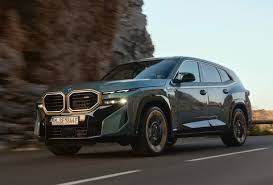
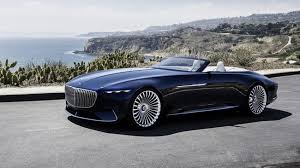
The shift to electric powertrains isn’t limited to sedans; luxury electric SUVs are becoming increasingly popular for their combination of zero-emission driving, elevated practicality, and cutting-edge technology.
BMW’s flagship electric SUV, the iX, continues to be a polarizing yet highly capable vehicle. Its distinct, futuristic design hides a spacious, minimalist interior featuring sustainable materials and BMW’s latest Curved Display. The iX delivers potent acceleration, a comfortable ride, and commendable range, making it a strong contender for those seeking an innovative and eco-conscious luxury SUV. Its advanced connectivity features and powerful infotainment system are well-integrated, providing a seamless user experience.
Mercedes-Benz offers a broader, though sometimes confusing, lineup of electric SUVs: the compact EQB, the midsize EQE SUV, and the full-size EQS SUV. The EQB, based on the GLB, provides a practical and relatively affordable entry into luxury electric SUVs, offering an optional third row. The EQE SUV mirrors the sedan’s focus on elegant design and a serene ride, while the EQS SUV is the pinnacle, delivering unparalleled interior comfort, advanced features like rear-axle steering, and the option for the stunning Hyperscreen. Both the EQE and EQS SUVs excel in shielding occupants from the outside world, creating a silent, opulent sanctuary on wheels, though their cargo capacity can be less than some rivals.
Verdict: BMW’s iX stands out for its bold vision and integrated performance. However, Mercedes-Benz, particularly with the EQS SUV, offers a more refined, comfortable, and technologically advanced experience, leaning slightly ahead in the luxury EV SUV space for sheer opulence.
Luxury Large Cars: Flagships of Automotive Excellence
This is the arena where both brands traditionally showcase their ultimate capabilities, pushing the boundaries of luxury, technology, and performance.
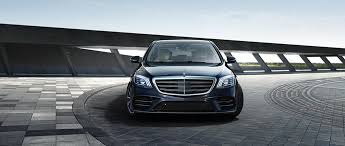
The Mercedes-Benz S-Class remains the undisputed benchmark for luxury sedans. In 2025, it continues its reign, offering an unparalleled blend of stately elegance, sublime comfort, and groundbreaking technology. Its cabin is a masterclass in materials, craftsmanship, and ergonomic design, enveloping occupants in an environment of serene luxury. The MBUX system is profoundly integrated, providing intuitive control over every aspect of the vehicle, from climate to massage functions. The S-Class’s ride quality is legendary, effortlessly gliding over imperfections, while its array of driver-assistance systems sets a new standard for semi-autonomous driving capabilities.
BMW’s 7 Series has always been a formidable challenger, and for 2025, it continues its bold evolution. With its striking design and even more pronounced focus on technology and personalization, the 7 Series aims to redefine the flagship experience. Its available Executive Lounge Seating, the immersive BMW Theatre Screen, and powerful Bowers & Wilkins audio system offer a truly bespoke journey. While it may not match the S-Class’s traditional gravitas, the 7 Series provides a more engaging driving experience for its size and a bolder statement of modern luxury, especially for those who appreciate cutting-edge digital integration and a sportier edge in a full-size sedan.
Verdict: For the ultimate expression of traditional luxury, comfort, and advanced driver-assistance systems, the Mercedes-Benz S-Class remains the segment’s gold standard. BMW’s 7 Series offers a compelling, more driver-focused, and technologically audacious alternative for those seeking a different kind of executive statement.
Luxury Large SUVs: Three-Row Grandeur
The large luxury SUV segment caters to families and individuals who demand expansive space, commanding presence, and uncompromised luxury and capability.
The BMW X7 stands as a testament to BMW’s ability to scale its signature attributes into a three-row behemoth. For 2025, it continues to impress with its imposing design, refined driving dynamics, and a spacious cabin that genuinely accommodates seven adults in comfort. Its iDrive infotainment system is powerful, and the available potent powertrains, including a range-topping V8, deliver robust performance. The X7 manages to feel surprisingly agile for its size, maintaining a connection to BMW’s performance heritage.
Mercedes-Benz counters with the GLS, often dubbed the “S-Class of SUVs,” and the legendary G-Class. The GLS offers an incredibly plush ride, an opulent interior with exquisite materials, and the latest MBUX infotainment. It’s a direct competitor to the X7, excelling in passenger comfort and quiet refinement. The GLS provides a seamless, comfortable journey, prioritizing a serene cabin experience. The G-Class, or G-Wagen, exists in a league of its own. It’s an iconic off-road machine with uncompromising capability and a rugged yet luxurious appeal. While its on-road manners are significantly improved, its heritage still makes it a niche choice compared to the more family-oriented X7 or GLS.
Verdict: The Mercedes-Benz GLS narrowly takes the lead for its superior ride comfort and interior opulence in a family-oriented package. BMW’s X7 offers a more engaging drive and similar practicality, while the G-Class remains a unique icon.
Luxury Midsize Cars: Executive Expresses
The midsize luxury sedan segment is a sweet spot, balancing performance, comfort, and practicality for everyday executive use.
The Mercedes-Benz E-Class continues to be a cornerstone of its segment. The 2025 E-Class further refines its blend of sophisticated comfort, elegant design, and cutting-edge technology. Its cabin is a tech-lover’s dream, featuring an evolution of MBUX with even more integrated digital screens and AI-driven features. The ride quality is supremely comfortable, making it an ideal long-distance cruiser. Its robust suite of driver-assistance systems further enhances safety and convenience, cementing its position as a sophisticated and intelligent choice.
BMW’s 5 Series, redesigned in 2024, moves into 2025 with an even stronger focus on balancing its athletic heritage with increased luxury and digital integration. While some purists might argue a slight softening of steering feedback from previous generations, the current 5 Series still offers potent engine options, including hybrid and all-electric i5 variants, and a chassis tuned for both comfort and engaging dynamics. The interior has been significantly upgraded, featuring the expansive Curved Display and a more luxurious ambiance. It remains a compelling option for those who value performance alongside executive comfort.
Verdict: This segment is a near tie, showcasing both brands at their best. Mercedes-Benz E-Class leads for its digital opulence and serene comfort, while the BMW 5 Series offers a more driver-centric experience with comparable luxury and technology.
Luxury Midsize SUVs: The Versatile Performers
Midsize luxury SUVs are arguably the most versatile vehicles in the premium market, blending utility, luxury, and often impressive performance.
The Mercedes-Benz GLE, especially for 2025 with continued refinements, stands as a top contender. It boasts a spacious, refined cabin that effortlessly blends modern technology without feeling overwhelming. The ride is consistently smooth and composed, and its powertrain options, including compelling plug-in hybrids, offer a strong mix of power and efficiency. The GLE’s MBUX system is incredibly intuitive, making it a joy to interact with on a daily basis.
BMW’s X5 is an equally revered vehicle in this category. It offers an upscale interior, sharp aesthetics, and more athletic handling than its Mercedes counterpart. For 2025, the X5 continues to enhance its ADAS suite with features like active lane-change assist, keeping it at the forefront of automotive safety and convenience. The X5 consistently delivers a more engaging driving experience, appealing to those who want an SUV that still feels like a BMW from behind the wheel. BMW also offers the X6, a fastback variant of the X5, for buyers seeking a more distinctive, coupe-like silhouette.
Verdict: Another fiercely contested category. Mercedes-Benz GLE takes a slight lead for its superior balance of luxury, comfort, and user-friendly technology. BMW’s X5 is the choice for those prioritizing driving dynamics and a sportier feel.
Luxury Small Cars: Entry to Exclusivity
These vehicles serve as the gateway to the luxury brands, offering premium features and driving experiences in a more compact and often more accessible package.
The BMW 3 Series has long been the gold standard for compact luxury sport sedans, and the 2025 model continues that legacy. It’s incredibly fun to drive, offering precise steering, powerful engines, and a well-balanced chassis. The interior, while not as overtly plush as some rivals, is driver-focused and well-built, with good material quality. BMW also offers the sporty 2 Series Coupe and the versatile 4 Series (available in coupe, convertible, and Gran Coupe forms), catering to different tastes within the small luxury segment.
Mercedes-Benz counters with the C-Class and the more entry-level CLA. The 2025 C-Class offers a distinctly luxurious and tech-forward interior, mirroring the design language of the S-Class. It prioritizes comfort and a sophisticated ride, making it a superb daily driver. While not as overtly sporty as the 3 Series, it provides a very refined and connected experience. The CLA, with its sleek “four-door coupe” styling and abundance of standard tech, offers a highly attractive package for younger luxury buyers, though its rear seat space is compromised.
Verdict: BMW maintains its edge in the small luxury car segment for its pure driving enjoyment and athletic prowess, especially with the 3 Series. Mercedes-Benz C-Class offers a more comfortable and overtly luxurious cabin experience.
Luxury Sports Cars: Adrenaline and Refinement
For those seeking pure exhilaration, both brands offer performance machines that push the boundaries of speed, handling, and driver engagement.
BMW’s M Division continues to churn out some of the most respected performance vehicles on the planet. The M3 sedan, M4 coupe, and the compact yet potent M2 are renowned for their track-honed dynamics, powerful engines, and visceral driving experiences. These are serious performance machines, engineered for precision and driver involvement. For open-air enthusiasts, the Z4 roadster provides a thrilling, wind-in-your-hair experience. BMW’s strategy focuses on highly capable performance variants of existing platforms, delivering a consistent “M” driving philosophy.
Mercedes-Benz, through its AMG division, offers a diverse range of performance vehicles, from highly tuned versions of its sedans and SUVs to dedicated sports cars. The AMG GT, in its various forms, stands as a direct competitor to high-performance coupes and roadsters, delivering raw power and thrilling dynamics. The SL Roadster, while still incredibly powerful, leans more towards a grand-touring ethos, combining potent performance with luxurious comfort for long-distance cruising. Mercedes’ approach tends to infuse more overt luxury and technological sophistication into its performance offerings, creating a slightly different, though equally compelling, flavor of speed.
Verdict: BMW holds a slight advantage for its laser-focused, driver-centric performance heritage embodied by its M cars. Mercedes-AMG offers a broader spectrum of performance, from dedicated sports cars to ultra-luxurious grand tourers, appealing to a slightly different high-performance buyer.
Overall Category Deep Dive: Beyond the Segments
Beyond specific models, how do BMW and Mercedes-Benz stack up in key attributes that influence long-term ownership and satisfaction in 2025?
Safety: Both brands are absolute leaders in automotive safety. Their commitment to occupant protection is evident in their robust vehicle structures and comprehensive suite of passive safety features. For 2025, the focus is increasingly on Advanced Driver-Assistance Systems (ADAS). Both offer highly sophisticated systems, including adaptive cruise control, lane-keeping assist, automatic emergency braking, and increasingly capable semi-autonomous driving features. While specific model ratings vary, both BMW and Mercedes-Benz consistently earn top safety accolades from organizations like IIHS and NHTSA. BMW often impresses with its intuitive integration of these systems, while Mercedes-Benz provides a slightly more passive, comfort-focused approach to assistance, but both are exemplary.
Verdict: A virtual tie. Both brands offer world-class safety and cutting-edge ADAS, making them equally secure choices for premium vehicle buyers.
Performance: This is where the historical personas are most pronounced. BMW has always been synonymous with driving dynamics and a visceral connection to the road. Its engines are often lauded for their responsiveness, and its chassis tuning prioritizes agility and driver feedback. This philosophy extends across its lineup, from the nimble 2 Series to the large X7. Even in its electric vehicles like the i4 and iX, BMW strives to inject that characteristic “fun-to-drive” factor.
Mercedes-Benz, while offering incredibly powerful AMG variants, traditionally emphasizes effortless power delivery and a more refined, composed ride. Its vehicles deliver acceleration with smooth authority, and its chassis tuning prioritizes comfort and stability. AMG models, however, are brutal in their performance, offering a different kind of thrill with their potent V8s and aggressive styling. The brand’s electric EQ models, while fast, lean more towards serene, seamless power rather than raw, engaging dynamics.
Verdict: BMW holds the edge for its consistent focus on driver engagement and dynamic performance across its entire lineup. Mercedes-Benz excels in raw power and sophisticated high-performance luxury, especially within its AMG offerings, but its standard models prioritize comfort over outright sportiness.
Reliability: In the premium segment, reliability is paramount, as maintenance and repair costs can be significant. Both BMW and Mercedes-Benz are German-engineered machines, renowned for their intricate complexity and high-quality components. Historically, both brands have faced perceptions of higher maintenance costs compared to some mass-market brands, but their engineering prowess is undeniable. For 2025, J.D. Power and consumer reports generally place both brands in the “above average” to “great” category for predicted reliability, though scores can fluctuate between models. Both offer competitive warranties (typically four years/50,000 miles for powertrain), with Mercedes-Benz offering a longer battery warranty for its EVs. The increasing sophistication of their vehicles means that advanced diagnostic tools and specialized technicians are crucial, reinforcing the importance of dealership service.
Verdict: While individual model reliability can vary, BMW generally shows slightly better consistency in reliability ratings across its broader model range in recent years. However, both are premium brands with excellent engineering backing them, and proper maintenance is key for longevity.
Interior: If performance is BMW’s realm, then the interior is arguably Mercedes-Benz’s unchallenged domain. From the moment you step into a Mercedes, you are enveloped in an atmosphere of unparalleled luxury and sophisticated design. The material quality, fit and finish, ambient lighting, and the sheer artistry of their designs, particularly in models like the S-Class, E-Class, and EQS, set the industry standard. The MBUX infotainment system is a technological marvel, often lauded for its intuitive voice control, stunning graphics, and seamless integration of various functions. Mercedes-Benz cabins are designed as opulent cocoons, prioritizing passenger comfort and well-being.
BMW’s interiors, while significantly improved over the years, offer a different philosophy. They are driver-focused, ergonomic, and impeccably built with high-quality materials. Models like the X1, X3, and i7 showcase excellent cabin design and functionality. The iDrive system with its rotary controller and large Curved Display is powerful and highly customizable, catering to tech-savvy drivers. However, while luxurious, they often lean more towards a clean, modern aesthetic rather than the overt opulence and plushness found in many Mercedes-Benz models.
Verdict: Mercedes-Benz is the undisputed leader in interior design, luxury, and holistic user experience. Its cabins are often considered the industry benchmark for comfort, material quality, and cutting-edge infotainment integration.
The Enduring Rivalry: Who Reigns in 2025?
After a comprehensive head-to-head analysis across vehicle segments and critical attributes, the 2025 luxury landscape remains as competitive as ever for BMW and Mercedes-Benz. There isn’t a single, definitive “winner” that applies to every buyer, but rather a clearer picture of their respective strengths.
BMW continues to be the champion for the driving enthusiast. Its unwavering commitment to dynamic performance, precise handling, and a driver-centric experience shines through in almost every model, from its compact sedans to its large SUVs and its rapidly expanding EV lineup. If you prioritize the thrill of the drive, the tactile feedback through the steering wheel, and engines that beg to be revved, BMW remains “The Ultimate Driving Machine.”
Mercedes-Benz, conversely, is the epitome of refined luxury and technological sophistication. Its vehicles excel in delivering unparalleled comfort, serene ride quality, and interiors that are nothing short of automotive masterpieces. For buyers who prioritize a tranquil cabin, cutting-edge infotainment, advanced driver-assistance systems, and an overall sense of effortless prestige and opulence, Mercedes-Benz continues to set the standard.
In 2025, both brands have also made significant strides in areas where they traditionally lagged. BMW has vastly improved its interior quality and technological integration, while Mercedes-Benz has infused more dynamic capabilities into many of its models. The advent of electric vehicles further blurs the lines, as both strive to balance new powertrain characteristics with their established brand identities.
Ultimately, the choice between BMW and Mercedes-Benz in 2025 comes down to personal preference and priorities. Do you value the exhilarating journey or the luxurious destination? Are you seeking the raw connection to the road or a serene, technologically advanced sanctuary?
Ready to experience the pinnacle of German luxury for yourself? The 2025 models from both BMW and Mercedes-Benz offer an incredible array of innovations and experiences. We invite you to explore the diverse lineups, compare the features that matter most to you, and perhaps, take a test drive to truly feel the difference. Uncover the perfect luxury vehicle that aligns with your driving philosophy and elevate your journey into the future. Discover the latest models, explore flexible financing options, and embark on your next chapter of luxury driving today.