
The Ultimate German Showdown: BMW vs. Mercedes-Benz in 2025 – An Expert’s Deep Dive
For decades, the luxury automotive landscape has been dominated by two titans of German engineering: BMW and Mercedes-Benz. These brands aren’t just manufacturers; they are institutions, setting global benchmarks for performance, opulence, and cutting-edge technology. As we steer into 2025, the rivalry intensifies, fueled by rapid innovation in electrification, autonomous driving, and bespoke digital experiences. Having navigated this intricate market for over a decade, I can attest that while both brands offer unparalleled prestige, their philosophies diverge, catering to distinct drivers and lifestyles.
This isn’t merely a matter of badge preference; it’s a profound choice between two meticulously crafted visions of luxury. BMW, historically celebrated as “The Ultimate Driving Machine,” has always prioritized driver engagement, chassis dynamics, and a direct connection to the road. Mercedes-Benz, on the other hand, has historically championed unparalleled comfort, serene refinement, and an interior experience that often redefines automotive indulgence.
But the automotive world is dynamic. The lines between these traditional personas are blurring, with both brands pushing boundaries in every segment. For the discerning luxury buyer in 2025, understanding these nuances is critical. Let’s peel back the layers and assess how these two automotive giants stack up across the key segments and crucial attributes, offering insights into which German powerhouse truly holds the edge for the modern discerning enthusiast.
Luxury Compact SUVs: The Urban Explorers
The compact luxury SUV segment remains a fiercely contested battleground, serving as a gateway for many into premium vehicle ownership. For 2025, both BMW and Mercedes-Benz present compelling options that blend practicality with upscale amenities, making them ideal for urban commuting and weekend getaways.
BMW’s Dominance with the X3 and X4: BMW continues to set a formidable standard here. The 2025 BMW X3 (including its electrified variants) is a masterclass in balance. Its agile handling, precise steering, and robust powertrain options deliver that quintessential “BMW feel” – engaging and confidence-inspiring. The cabin is thoughtfully designed, maximizing space and utility, while integrating the latest iDrive infotainment system seamlessly. It’s a versatile vehicle that doesn’t compromise on the driving experience, making it a strong contender for those who appreciate dynamic performance in a family-friendly package.
The 2025 BMW X4, the X3’s sportier, coupe-styled sibling, leans further into the “Sport Activity Coupe” ethos. While cargo space takes a slight hit due to its sloped roofline, its aggressive aesthetics and even more focused driving dynamics appeal to buyers seeking a distinctive presence and a more spirited ride.
Mercedes-Benz’s Refined Offerings: GLB and GLC: Mercedes-Benz counters with its own formidable duo. The 2025 Mercedes-Benz GLB offers a unique proposition with its available third-row seating, a rarity in this class, making it an exceptionally flexible option for growing families. Its interior, while perhaps not as overtly sporty as BMW’s, exudes a sophisticated charm, featuring the intuitive MBUX infotainment system and high-quality materials. The ride is notably plush, emphasizing passenger comfort over outright sportiness.
The 2025 Mercedes-Benz GLC, arguably the direct competitor to the X3, continues to impress with its elegant design and refined driving experience. Its interior is a sanctuary of quiet luxury, boasting cutting-edge technology and exquisite craftsmanship. For 2025, expect further enhancements in its hybrid and plug-in hybrid powertrains, prioritizing efficiency and smooth power delivery. While highly capable, the GLC often prioritizes a serene, composed ride over the X3’s more athletic character.
Expert Take: While Mercedes-Benz offers exceptional comfort and optional practicality in the GLB, the BMW X3 continues to hold a decisive edge for its superior blend of engaging driving dynamics, practical utility, and sophisticated technology. BMW truly captures the essence of a compact luxury SUV that delights both driver and passengers.
Luxury Electric Cars: The Silent Revolution
The electrification wave has fundamentally reshaped the luxury sedan landscape. Both BMW and Mercedes-Benz are fully committed, introducing a growing lineup of high-performance, long-range electric vehicles that challenge traditional perceptions of luxury.
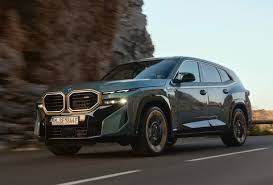
BMW’s Electrifying Prowess: i4 and i7: BMW’s approach to electric cars in 2025 is largely an extension of its core brand values: performance and driver focus. The 2025 BMW i4 stands out as an electric reimagining of the beloved 4 Series Gran Coupe. It delivers thrilling acceleration, precise handling, and a genuinely sporty driving experience that belies its electric powertrain. Its conventional sedan styling also appeals to those hesitant about radical EV designs.
At the pinnacle, the 2025 BMW i7 serves as the brand’s electric flagship. It’s a bold statement, merging futuristic aesthetics with an opulent, technology-laden cabin. Performance is dominant, with instant torque and a surprisingly agile feel for its size. The i7’s available 31-inch Theatre Screen for rear passengers underscores its commitment to next-level in-car entertainment, making it a veritable lounge on wheels.
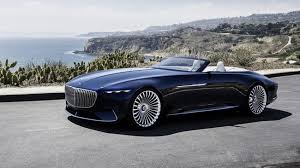
Mercedes-Benz’s Opulent EV Lineup: EQE and EQS Sedans: Mercedes-Benz, with its dedicated EQ sub-brand, offers a slightly more distinct EV identity. The 2025 Mercedes-Benz EQE Sedan and EQS Sedan are prime examples of “electric luxury” redefined. Both boast breathtakingly sleek, aerodynamic designs and interiors that are nothing short of spectacular. The EQS, in particular, with its optional Hyperscreen, transforms the dashboard into a sprawling digital canvas, offering an unparalleled level of digital immersion.
Driving dynamics for both EQE and EQS prioritize a whisper-quiet, supremely comfortable ride. They glide effortlessly, insulating occupants from the outside world. While not as overtly sporty as their BMW counterparts, their immense power and smooth acceleration provide a sophisticated, effortless performance. Range and charging capabilities are highly competitive, crucial for the luxury EV market.
Expert Take: Mercedes-Benz offers a truly groundbreaking electric luxury experience, especially with the EQS’s opulent interior and serene ride. However, for those who crave a more direct and engaging connection to the road, the BMW i4 and i7 offer a compelling balance of electric innovation and traditional BMW driving exhilaration. BMW edges out for its commitment to dynamic performance even in its electric fleet.
Luxury Electric SUVs: The Family-Friendly Futurists
The electric SUV segment is booming, combining the practicality and elevated driving position of an SUV with the environmental benefits and instant torque of an EV. Both brands have established strong contenders for 2025, targeting families and adventurers alike.
BMW’s Forward-Thinking iX: The 2025 BMW iX continues to be a standout. Its polarizing exterior design aside, the iX’s interior is a marvel of Scandinavian-inspired minimalism and cutting-edge technology. It’s spacious, incredibly comfortable, and features a panoramic glass roof and a curved display housing the latest iDrive. Crucially, the iX delivers robust acceleration and a refined ride, proving that an electric SUV can still feel thoroughly “BMW.” Its ample cargo capacity and thoughtful ergonomics make it highly functional for daily life.
Mercedes-Benz’s Broad EQ SUV Portfolio: EQB, EQE SUV, and EQS SUV: Mercedes-Benz fields a more diverse (and sometimes confusingly named) array of electric SUVs. The 2025 Mercedes-Benz EQB acts as the entry point, offering compact dimensions and, like its GLB counterpart, an optional third row. It’s practical and stylish, though its range and overall refinement might not match its pricier siblings.
The 2025 Mercedes-Benz EQE SUV and EQS SUV are where Mercedes truly flexes its electric muscle. These models transpose the stunning interiors and serene driving dynamics of their sedan counterparts into more versatile SUV bodies. The EQS SUV, in particular, offers an expansive, luxurious cabin, advanced air suspension, and the captivating Hyperscreen. While elegant, Mercedes’ electric SUVs sometimes fall short on cargo capacity compared to rivals, and the EQE SUV’s initial range figures weren’t always class-leading.
Expert Take: While Mercedes-Benz offers compelling options, particularly the luxurious EQS SUV, the BMW iX remains the benchmark in this segment. It provides a more balanced package of powerful acceleration, a genuinely spacious and functional interior, and cutting-edge technology without the pricing extremes or cargo compromises seen in some of its competitors. BMW’s iX simply feels more resolved and driver-centric.
Luxury Large Cars: The Executive Thrones
When it comes to full-size luxury sedans, prestige and presence are paramount. These are the flagships, showcasing the absolute best each brand has to offer in terms of comfort, technology, and performance.
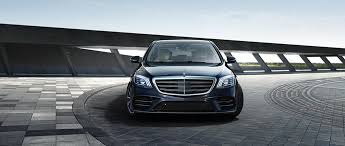
Mercedes-Benz S-Class: The Undisputed Standard: The 2025 Mercedes-Benz S-Class continues its reign as the “king of luxury sedans.” It’s less a car and more a mobile sanctuary. The cabin is an unparalleled masterpiece of design, materials, and technology, effectively isolating occupants from the outside world. The latest iteration of MBUX is intuitive and powerful, capable of understanding complex voice commands, creating an effortlessly luxurious user experience. Every surface, every stitch, speaks to meticulous craftsmanship. The ride quality is simply sublime, prioritizing passenger comfort above all else.
BMW 7 Series: A Bold, Dynamic Statement: The 2025 BMW 7 Series has taken a more radical approach in recent years, especially with its distinctive styling. Its interior is undeniably modern and luxurious, with a strong emphasis on technology and a driver-centric cockpit. The 7 Series often delivers a more engaging driving experience than the S-Class, with sharper handling and more direct feedback, appealing to those who still enjoy taking the wheel themselves. Its powertrains, including robust hybrid options, offer formidable performance. However, some find its design polarizing and its iDrive system, while powerful, can have a steeper learning curve than MBUX.
Expert Take: While the BMW 7 Series offers a genuinely modern and dynamic take on the luxury flagship, the Mercedes-Benz S-Class remains the gold standard. Its unwavering commitment to passenger comfort, peerless interior quality, and intuitive technology firmly cement its status as the true cornerstone of large luxury sedans. It’s an experience, not just a car.
Luxury Large SUVs: Grand Tourers for the Family
The large luxury SUV segment caters to buyers who demand significant space, three-row capability, and uncompromising luxury, often combining family utility with an imposing presence.
BMW X7: The Family Sportster: The 2025 BMW X7 excels by scaling up the desirable attributes of its smaller SUV siblings. It offers a handsome, well-appointed interior with genuine comfort for adults in the first two rows and decent space in the third. Its driving dynamics are surprisingly agile for a vehicle of its size, maintaining a sporty edge that’s characteristic of BMW. The latest iDrive system integrates seamlessly, offering a wide array of connectivity and entertainment features. The X7 effectively bridges the gap between a performance SUV and a family hauler.
Mercedes-Benz GLS and G-Class: Luxury and Icon Status: Mercedes-Benz presents two distinct options. The 2025 Mercedes-Benz GLS is the direct competitor to the X7, offering an equally upscale cabin and an exceptionally refined, comfortable ride. Its MBUX system is a highlight, and the overall fit and finish are superb. The GLS leans more towards serene cruising than aggressive cornering.
Then there’s the iconic 2025 Mercedes-Benz G-Class (G-Wagen). This vehicle is a legend, a high-class off-road machine with unparalleled presence. While immensely capable off-pavement and undoubtedly luxurious, its utilitarian origins mean it sacrifices some on-road comfort and cargo flexibility compared to the X7 or GLS. Its price point and niche appeal make it a statement vehicle rather than a direct family competitor.
Expert Take: The Mercedes-Benz GLS offers strong competition, but the BMW X7 consistently delivers a more compelling blend of spacious luxury, engaging driving dynamics, and everyday practicality in a full-size SUV. It feels more cohesive as an overall luxury vehicle than the ultra-specialized G-Wagen.
Luxury Midsize Cars: The Sweet Spot
The midsize luxury sedan segment is a critical battleground, balancing executive refinement with practical dimensions and often serving as a brand’s volume leader.
A Stalemate: BMW 5 Series vs. Mercedes-Benz E-Class: In 2025, this segment remains an exquisite tie, reflecting the intense competition and distinct strengths of both brands.
The 2025 Mercedes-Benz E-Class continues its legacy as a cornerstone of comfort and technological sophistication. Its redesigned interior, featuring multiple high-definition screens and the latest MBUX innovations, feels like a miniature S-Class. The ride is impeccably smooth and refined, with an abundance of driver-assistance technologies that make long journeys effortless. The E-Class exudes a quiet confidence and timeless elegance. Mercedes also offers the handsome 2025 CLE, a two-door coupe/convertible that replaces both the C-Class and E-Class coupes, offering stout powertrains and a sleek profile.
The 2025 BMW 5 Series, freshly redesigned for this generation, represents a more modern and electrified approach. While it has evolved from its predecessors, moving slightly away from the raw athleticism of older generations, it still packs a familiar punch with a potent lineup of powertrains (including strong PHEV and full EV options). The cabin is high-tech, spacious, and comfortable, with the curved iDrive display taking center stage. The 5 Series balances performance, luxury, and technology in a package that’s hard to beat.
Expert Take: This is a true deadlock. The Mercedes-Benz E-Class offers unmatched refinement and intuitive technology, while the BMW 5 Series counters with a more contemporary design and a slightly sportier, electrified edge. Your preference here will likely come down to whether you prioritize ultimate comfort (E-Class) or a blend of modern dynamism and luxury (5 Series).
Luxury Midsize SUVs: The Versatile All-Rounders
Midsize luxury SUVs are arguably the most popular segment, blending family utility, luxury appointments, and often, impressive performance.
Mercedes-Benz GLE: Sophistication Meets Utility: The 2025 Mercedes-Benz GLE continues to be a benchmark. It offers a spacious, exquisitely crafted cabin that seamlessly integrates modern technology without ever feeling overwhelming. The ride is plush and composed, absorbing road imperfections with ease. For 2025, expect further refinements to its standard all-wheel drive, an even more advanced MBUX system, and expanded plug-in hybrid options, making it a compelling choice for efficiency and performance. Its blend of comfort, technology, and usable space is exceptional. Mercedes also offers the 2025 GLE Coupe for those desiring a sportier aesthetic.
BMW X5: The Athletic Performer: The 2025 BMW X5 remains a formidable contender, known for its upscale interior, powerful engine options, and notably athletic handling for an SUV of its size. It provides a more engaging driving experience than the GLE, appealing to drivers who appreciate sharper steering and a firmer ride. For 2025, the X5 enhances its driver-assistance suite with features like active lane-change assist, boosting both safety and convenience. The 2025 BMW X6, the X5’s coupe-styled variant, offers a similar performance-oriented package with a more distinctive, fastback profile.
Expert Take: While the BMW X5 offers a more spirited drive, the Mercedes-Benz GLE ultimately takes the lead in this hotly contested segment. Its superior blend of interior refinement, passenger comfort, intuitive technology, and broad appeal makes it the more compelling overall luxury midsize SUV for 2025.
Luxury Small Cars: The Enthusiast’s Entry Point
Entry-level luxury sedans and coupes serve as a crucial introduction to premium brands, often targeting younger buyers or those seeking nimble, stylish vehicles.
BMW 3 Series: The Driving Icon Continues: The 2025 BMW 3 Series remains the gold standard for small luxury sedans. It’s exhilarating to drive, with powerful, efficient engines, a perfectly balanced chassis, and direct steering feedback that reconnects the driver to the road. Its spacious interior and practical trunk (for its class) make it a highly livable daily driver. The 3 Series consistently outshines rivals with its commitment to dynamic performance.
BMW further diversifies with the sporty 2025 BMW 2 Series Coupe, a purist’s delight, and the versatile 2025 BMW 4 Series (available in coupe, convertible, and four-door Gran Coupe forms), offering more aggressive styling and enhanced performance options.
Mercedes-Benz C-Class and CLA: Elegance in a Compact Form: The 2025 Mercedes-Benz C-Class offers a more comfort-oriented approach. Its interior is a scaled-down version of the E-Class, featuring stunning design, high-quality materials, and the latest MBUX system. The C-Class prioritizes a serene, refined ride over the 3 Series’ athleticism, appealing to those who desire luxury and technology in a more relaxed package.
The 2025 Mercedes-Benz CLA serves as an even more entry-level option, distinguished by its sleek, “four-door coupe” styling. It packs a surprising amount of tech and luxury into its compact frame and is undeniably nimble, though it can feel less refined than its C-Class sibling.
Expert Take: While the Mercedes-Benz C-Class offers a wonderfully refined and tech-rich experience, the BMW 3 Series continues its legacy as the benchmark for driving engagement in the small luxury car segment. For those who prioritize a truly rewarding driving experience, BMW remains the clear choice.
Luxury Sports Cars: Unleashing Pure Adrenaline
For enthusiasts seeking raw power, precise handling, and an undeniable connection to the road, luxury sports cars represent the pinnacle of automotive engineering and passion.
BMW’s Performance Heritage: M2, M3, M4, Z4: BMW’s M division is legendary, and in 2025, it continues to deliver some of the most thrilling performance vehicles on the market. The 2025 BMW M2 embodies the brand’s performance heritage in a compact, potent package, offering an exhilarating, unadulterated driving experience. The 2025 BMW M3 (sedan) and M4 (coupe) are renowned for their blistering speed, track-ready dynamics, and aggressive styling, offering a perfect blend of daily usability and weekend track weapon. For open-air enthusiasts, the 2025 BMW Z4 provides a stylish, engaging roadster experience.
Mercedes-Benz’s AMG Powerhouses: AMG GT and SL: Mercedes-Benz, through its AMG performance division, offers equally compelling, albeit often differently styled, sports cars. The 2025 Mercedes-AMG GT (in its various iterations) is a dedicated sports car, designed from the ground up for excitement. Its powerful engines, aggressive chassis tuning, and distinctive exhaust notes make it a truly visceral experience.
The 2025 Mercedes-Benz SL, while undeniably powerful and luxurious, leans more towards a grand-touring convertible. It offers immense comfort for long journeys and effortless performance, but its focus is often on refined open-air cruising rather than outright track dominance.
Expert Take: While Mercedes-AMG offers incredibly potent and exciting dedicated sports cars, BMW holds the edge for its broader range of performance-focused vehicles that consistently deliver on “The Ultimate Driving Machine” promise across various body styles. The M series cars, in particular, remain the gold standard for driver involvement.
Luxury Subcompact SUVs: Urban Agility with a Premium Touch
The entry-level luxury SUV market, often targeting urban dwellers or those seeking accessible luxury, demands a blend of compact dimensions, efficiency, and upscale features.
BMW X1: The Class Leader: The 2025 BMW X1 continues to dominate this segment. It masterfully utilizes its compact footprint to provide a surprisingly spacious and well-crafted cabin, equipped with a comprehensive list of standard features and the latest iDrive system. Its handling dynamics strike a superb balance between comfort and responsiveness, making it nimble in city traffic yet composed on the highway. BMW also offers the 2025 BMW X2, a sportier, coupe-like alternative that sacrifices some cargo space for a more distinctive design, though it remains fun and functional.
Mercedes-Benz GLA: Stylish and Nimble: The 2025 Mercedes-Benz GLA is a strong competitor, known for its stylish exterior, nimble handling, and upscale cabin. It packs a lot of advanced technology into its compact dimensions. However, compared to the X1, it often feels less refined overall, and its cargo space is notably more restricted, making it less practical for some buyers.
Expert Take: The Mercedes-Benz GLA is a stylish and capable urbanite, but the BMW X1 reigns supreme in the luxury subcompact SUV class. Its superior utilization of space, refined driving dynamics, and more comprehensive standard features package make it the top choice for discerning buyers in 2025.
Safety: The Unseen Shield
In 2025, advanced driver-assistance systems (ADAS) are not just luxuries but essential components of modern vehicles. Both BMW and Mercedes-Benz are at the forefront, offering comprehensive safety suites that protect occupants and assist drivers.
BMW’s Holistic Safety Approach: BMW consistently achieves stellar safety ratings across its lineup. Models like the 2 Series, 3 Series, 5 Series, and X3 are prime examples, offering a full suite of cutting-edge safety technologies as standard or readily available. This includes enhanced forward collision avoidance with pedestrian and cyclist detection, advanced lane-departure warning, blind-spot monitoring, adaptive cruise control, and sophisticated parking assistance systems. BMW’s philosophy is to integrate these systems seamlessly, enhancing driver confidence without being intrusive. While EV safety data is still emerging for newer models, BMW’s dedication to robust structural integrity and passive safety features is unwavering.
Mercedes-Benz’s Intelligent Drive Systems: Mercedes-Benz’s “Intelligent Drive” philosophy has long been a benchmark for automotive safety. The C-Class, E-Class, GLC, and GLE consistently perform exceptionally well in crash tests and ADAS evaluations. Mercedes often introduces industry-leading safety innovations, such as PRE-SAFE systems that prepare the vehicle for an impending collision. Their driver-assistance features are incredibly sophisticated, often including active lane-keeping assist, traffic jam assist, and advanced route-based speed adaptation. Mercedes emphasizes an overarching safety network designed to anticipate and mitigate risks.
Expert Take: Both brands offer world-class safety. However, based on the broader availability of evaluated models and consistent high scores across more segments, BMW nudges ahead in overall safety for 2025. Their comprehensive integration and proven track record across a wider range of vehicles instill greater confidence.
Performance: Crafting the Drive
Performance is at the heart of the BMW-Mercedes rivalry, yet their interpretations differ profoundly. BMW champions raw, unadulterated driving exhilaration, while Mercedes-Benz often focuses on effortless power delivery and refined speed.
BMW: The Ultimate Driving Machine, Evolved: BMW’s commitment to driving enthusiasts remains strong in 2025. Across the board, from the agile 3 Series to the majestic 7 Series and 8 Series, BMW vehicles are engineered to excite behind the wheel. Their precision steering, balanced chassis, and powerful engine lineups (including increasingly potent hybrid and electric options like the i4, i7, and iX) deliver a visceral connection to the road. The M performance division, with legends like the M3 and M4, continues to push the boundaries of sports sedan and coupe performance, offering unparalleled track capabilities and road presence. Even their SUVs, like the X5 and X7, feel surprisingly athletic.
Mercedes-Benz: Effortless Power and Sophisticated Speed: Mercedes-Benz’s performance ethos is often about generating immense power with seamless delivery and exceptional refinement. Flagship models like the S-Class and EQS sedan deliver breathtaking acceleration in utter tranquility. Dedicated sports cars like the AMG GT and the new SL are incredibly potent, offering thrilling performance with a distinct grand-touring feel. The AMG division provides a wide array of high-horsepower variants across nearly every model line, ensuring that performance seekers have plenty of options. However, some entry-level models, like the GLA and GLB, prioritize value and comfort over aggressive performance.
Expert Take: While Mercedes-Benz offers incredible power and luxury-infused performance, BMW continues to stand as the undisputed champion for pure, unadulterated driver engagement and overall athletic prowess across its diverse lineup. “The Ultimate Driving Machine” moniker still largely rings true for 2025.
Reliability & Ownership: A Long-Term Commitment
Beyond the initial purchase, long-term reliability and ownership experience are crucial considerations for luxury vehicle buyers.
BMW’s Consistent Track Record: BMW generally demonstrates a solid track record in reliability, with many models consistently scoring well in independent evaluations. For 2025, models like the X1, X3, 2 Series, and 7 Series often earn “Great” predicted reliability scores. The brand’s average reliability score typically falls into the higher end of the “Average” to “Great” spectrum across its conventionally powered vehicles. While data for newer EVs is still accumulating, BMW’s traditional gasoline and hybrid models showcase robust engineering. All BMWs are backed by a competitive four-year/50,000-mile powertrain warranty, with electric battery packs covered for an extensive eight-year/100,000-mile period.
Mercedes-Benz’s Evolving Reliability Profile: Mercedes-Benz’s reliability scores can be more varied across its extensive model range. While key models like the E-Class, GLA, and GLE often achieve strong predicted reliability, other vehicles may fall into the lower “Average” category. Mercedes is actively working to enhance its long-term durability, especially as new technologies are introduced. Like BMW, Mercedes-Benz vehicles come with a four-year/50,000-mile powertrain warranty, but notably, its EV batteries offer a class-leading 10-year/155,000-mile warranty, indicating strong confidence in their electric powertrains.
Expert Take: While both brands are luxury investments, BMW often has a more consistent and slightly stronger overall reliability profile across a wider range of evaluated models. Their comprehensive battery warranty also provides excellent peace of mind for EV buyers, giving them the edge in this critical aspect for 2025.
Interior & Technology: Your Personal Sanctuary
The cabin of a luxury vehicle is more than just a space; it’s a sanctuary, a personalized experience defined by materials, design, and integrated technology. This is perhaps the most distinct differentiator between these two rivals.
Mercedes-Benz: The Pinnacle of Opulent Interiors: If BMW defines performance, Mercedes-Benz defines interior luxury. In 2025, Mercedes continues to set the industry benchmark for automobile interiors. Whether it’s the supremely comfortable GLE, the expansive GLS, the technologically advanced E-Class, or the gold-standard S-Class, Mercedes-Benz cabins are masterpieces of design, material quality, and ergonomic excellence. The fit and finish are consistently top-tier, featuring exquisite woods, supple leathers, and innovative ambient lighting that creates a truly bespoke atmosphere. The MBUX infotainment system, particularly with the optional Hyperscreen in models like the EQS, is a visual and functional marvel, intuitive to use with advanced voice control.
BMW: Driver-Focused Design with Modern Flair: BMW interiors, while exceptionally well-built and technologically advanced, often adopt a more driver-centric and slightly minimalist philosophy. Models like the X1, X3, and i7 offer outstanding build quality and excellent ergonomics. The curved iDrive display, seamlessly integrating the instrument cluster and infotainment screen, is a highlight, offering powerful functionality and crisp graphics. Material quality is high across most models, and customization options abound. However, compared to Mercedes-Benz, BMW’s interiors, while premium, sometimes lack the sheer opulence and “wow” factor that Mercedes consistently delivers, feeling more like a refined tool for driving rather than a lounge.
Expert Take: This is where Mercedes-Benz truly shines. For sheer cabin comfort, material artistry, and sophisticated technological integration that feels effortlessly luxurious, Mercedes-Benz continues to hold a significant and consistent advantage. Their interiors are simply unmatched in creating a truly premium, cocoon-like experience.
The Verdict for 2025: Who Reigns Supreme in the German Luxury Arena?
After a decade of immersing myself in the dynamic world of premium automobiles, and meticulously assessing the current and projected 2025 lineups, the rivalry between BMW and Mercedes-Benz remains incredibly close, often coming down to nuanced preferences. Both brands continue to deliver exceptional vehicles, pushing the boundaries of what’s possible in automotive engineering and luxury.
However, when tallying the victories across the critical segments and key attributes, for 2025, one brand emerges with a slight, yet discernible, edge in the overall head-to-head battle:
The Winner Is… BMW.
BMW’s relentless commitment to driver engagement, consistently strong performance metrics across its diverse powertrain offerings (including a remarkably agile EV lineup), and a generally more consistent showing in reliability and safety evaluations give it the overall lead. BMW has successfully evolved its “Ultimate Driving Machine” ethos for the modern era, proving that exhilarating performance can coexist with luxury, cutting-edge technology, and environmental responsibility. Their vehicles continue to offer a more holistic and satisfying driving experience that connects with the enthusiast’s soul, whether it’s a compact SUV or a full-size electric flagship.
Mercedes-Benz, on the other hand, excels brilliantly in its own right, especially in crafting unparalleled interior experiences and delivering serene, opulent comfort. Their cabins are truly world-class, and many of their vehicles set the bar for refinement and sophisticated technology in their respective segments. For those who prioritize a plush, technologically immersive sanctuary on wheels, Mercedes-Benz remains an exceptional choice.
As the automotive industry continues its rapid transformation, particularly with the acceleration of electrification and autonomous driving capabilities, it will be fascinating to witness how these two German titans further innovate and refine their offerings. But for now, in 2025, BMW demonstrates a broader and more consistent winning formula across more vehicle categories.
Ready to Experience German Luxury?
Choosing between a BMW and a Mercedes-Benz is a deeply personal decision, and the best way to truly understand their unique philosophies is to experience them firsthand. We invite you to explore the latest 2025 models and discover which brand truly aligns with your driving aspirations and lifestyle.
Visit your local BMW or Mercedes-Benz dealership today for a test drive and unlock exclusive pricing and financing options tailored to your needs. Our expert team is ready to guide you through every detail, ensuring you drive home in the perfect luxury vehicle for 2025 and beyond.