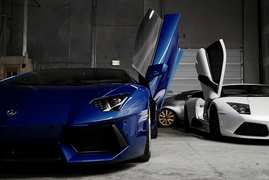
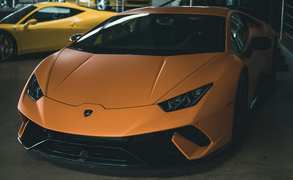
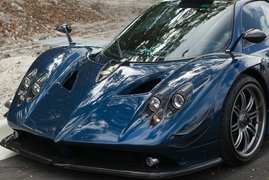
The Performance Hybrid Revolution: Top Electrified Supercars Defying Expectations
For years, the word “hybrid” conjured images of fuel-efficient sedans and eco-conscious hatchbacks—vehicles where mileage trumped megawattage, and emissions targets took precedence over engine roar. Yet, as the automotive landscape shifts and electric technology becomes more sophisticated, a new class of hybridized marvels has emerged. These are not your average commuters; they are high-octane beasts that marry the intoxicating power of internal combustion with the silent torque of electric motors.
The era of “boring” hybrids is officially over. In the 2020s, electrification has become a potent performance enhancer, not just an efficiency tool. From American muscle to Italian sensuality and German engineering prowess, the world’s most prestigious automotive brands are proving that hybrids can deliver jaw-dropping speed, breathtaking aesthetics, and raw, uncompromising performance. With the automotive industry navigating the complexities of regulatory shifts and changing consumer demands, hybrid technology stands at the forefront, offering a tantalizing bridge between legacy performance and the electric future.
The trend is clear: as electric vehicle (EV) adoption slows and regulatory pressures mount, automakers are doubling down on electrified powertrains. This shift isn’t just about reducing carbon footprints; it’s about optimizing performance. Electric motors provide instantaneous torque, smoothing out turbo lag, and boosting overall output in ways that traditional gasoline engines simply cannot achieve alone. The result is a new breed of supercar where the combination of gasoline and electricity creates a synergy that is more than the sum of its parts.
For enthusiasts and collectors, this evolution presents an exciting new frontier. Hybridized hypercars are setting benchmarks on the world’s most demanding racetracks, breaking production car records, and delivering driving experiences that redefine the meaning of performance. These vehicles represent the cutting edge of automotive engineering, showcasing how technology can enhance rather than detract from the visceral thrill of driving.
Breaking the Barrier: Hypercars That Prove Electrification Means Adrenaline
The notion that hybrids are inherently slow or unexciting has been decisively shattered by the latest generation of performance vehicles. These machines are not just fast; they are world-beating contenders that leave conventional supercars trailing in their wake. The integration of hybrid systems has allowed engineers to push boundaries that were previously unattainable, creating an entirely new echelon of automotive excellence.
Chevrolet Corvette ZR1X: American Muscle Reimagined
The Chevrolet Corvette has long been a symbol of American performance, consistently punching above its weight class and challenging European exotics on the world stage. The latest iteration, the ZR1X, represents a dramatic escalation of that ethos. This machine takes the already potent performance of the Corvette ZR1 and amplifies it through a sophisticated hybrid system, creating a package that redefines the boundaries of American automotive engineering.
Under the hood, the ZR1X harnesses the brute force of the ZR1’s 5.5-liter twin-turbo flat-plane crank V-8, a powerplant renowned for its high-revving prowess and aggressive sound. But this engine is no longer alone. It is enhanced by an advanced version of the Corvette E-Ray’s hybrid system, resulting in an awe-inspiring total system output of 1,250 horsepower and 973 lb-ft of torque. This colossal amount of power is delivered to the ground through an all-wheel-drive system, ensuring maximum grip and launch capability. The result is a 0-to-60 mph time of less than 1.7 seconds, a figure that places the ZR1X among the fastest production cars in the world.
But the ZR1X doesn’t just excel in a straight line. In a stunning display of its track-focused capabilities, the car laid down a 6:49.275 lap time at the Nürburgring in July 2025. This accomplishment currently makes it the fastest American production car to conquer the iconic German circuit, a feat that speaks volumes about its engineering prowess.
While the ZR1X’s $207,305 base MSRP makes it the most expensive production Corvette in history, it remains a performance bargain in the context of the supercar market. It possesses the ability to embarrass exotics that cost several times more, making it a compelling proposition for enthusiasts seeking the ultimate combination of American muscle and cutting-edge performance. The ZR1X is a testament to Chevrolet’s commitment to pushing the boundaries of what is possible, delivering a hybrid that is as ferocious as it is technologically advanced.
Porsche 911 GTS T-Hybrid: The German Icon Goes Electric
For years, Porsche enthusiasts lived under the shadow of the inevitable: the day when the iconic 911 would adopt hybrid technology. The fear was palpable—that the addition of electric motors would dilute the purity of the 911 driving experience. However, the arrival of the 992.2 911 GTS T-Hybrid has proven that these fears were unfounded. Porsche has managed to integrate hybrid technology in a way that enhances the 911’s performance without sacrificing its soul.
Unlike many other hybrid models, the 911 GTS T-Hybrid offers no all-electric driving range. With a tiny 1.9-kWh battery pack, the weight penalty is virtually imperceptible from behind the wheel. What is immediately noticeable, however, is the dramatic reduction in turbo lag. Porsche has achieved this by incorporating an electric motor directly into the turbocharger’s design. This ingenious solution allows the motor to spin the turbo independently of exhaust gas flow, meaning boost pressure is generated almost instantaneously.
The benefits of this system extend beyond the initial surge. Power recovered by the eTurbo is used to recharge the battery, and the stored energy can assist the engine during hard acceleration, smoothing out the power delivery through the transmission. It might sound complex on paper, but the results are stunningly apparent in the driving experience.
Beyond the performance and efficiency gains, the most impressive aspect of the 911 GTS T-Hybrid is how seamlessly it integrates the technology. Without looking at the badges, you likely wouldn’t even know the car is a hybrid. This speaks volumes about the sophistication of the engineering and the purity of the driving experience that Porsche has delivered. It’s a testament to the German automaker’s ability to evolve its iconic model while staying true to its heritage.
Lamborghini Revuelto: The Aventador’s Electrified Successor
Lamborghini has always been synonymous with wild styling, breathtaking performance, and unadulterated drama. When the Italian marque announced the Revuelto, the successor to the iconic Aventador, expectations were sky-high. The challenge was to elevate the performance to new heights without abandoning the naturally aspirated V-12 that defines the brand. Lamborghini met this challenge head-on with a plug-in hybrid system that places the Revuelto firmly in the 1,000-horsepower club.
The Revuelto features a sophisticated powertrain that combines a high-revving 6.5-liter naturally aspirated V-12 with a potent hybrid system. Two electric motors drive the front wheels, while a third motor is integrated into the eight-speed dual-clutch transmission. This setup provides an astonishing surge of power, with the V-12 revving to nearly 10,000 rpm to help keep the 3.8-kWh lithium-ion battery pack topped off. The total system output is a staggering 1,001 horsepower, delivering performance that is nothing short of breathtaking.
Setting aside the Revuelto’s visually striking design and staggering performance for a moment, it’s important to note that Lamborghini’s latest halo car is significantly easier to live with than its predecessor. The Aventador’s automated single-clutch transmission was notoriously unrefined during everyday driving, often characterized by jerky shifts and hesitant performance. The Revuelto, however, is an entirely different story. Much of this improvement can be attributed to the new dual-clutch gearbox, but the hybrid system also deserves significant credit for the near seamless power delivery.
Adding to the Revuelto’s appeal are its vastly improved ergonomics and the unmistakable Lamborghini flair that pervades every aspect of the car. It’s a seriously compelling Italian hybrid that requires very little compromise from the driver—provided your pockets are deep enough. The Revuelto represents a bold step forward for Lamborghini, proving that the brand can embrace hybrid technology without sacrificing the raw emotion and visceral thrill that define the raging bull.
Aston Martin Valkyrie: Engineering That Defies Physics
The Aston Martin Valkyrie is a machine that looks less like a production car and more like something torn from the pages of a high-performance racing blueprint. From the moment it was unveiled, the Valkyrie has been a focal point for automotive enthusiasts and engineers alike, representing the pinnacle of road-legal performance. It blurs the line between track car and hypercar, delivering a driving experience that is extreme in every sense of the word.
At the heart of the Valkyrie lies a 6.5-liter naturally aspirated V-12 engine that produces a staggering 1,001 horsepower on its own. This powerplant revs to a searing 11,000 rpm, creating a symphony of mechanical perfection that few road cars can match. But Aston Martin didn’t stop there. The V-12 is supplemented by a KERS-style hybrid system that adds another 141 hp and 207 lb-ft of torque to the proceedings. The total system output stands at a mind-boggling 1,139 horsepower and 682 lb-ft of torque, all sent to the rear wheels in a car that weighs less than 3,000 pounds.
The aerodynamics of the Valkyrie are equally staggering. The car generates 2

 The Performance Hybrid Revolution: Top Electrified Supercars Defying Expectations
For years, the word “hybrid” conjured images of fuel-efficient sedans and eco-conscious hatchbacks—vehicles where mileage trumped megawattage, and emissions targets took precedence over engine roar. Yet, as the automotive landscape shifts and electric technology becomes more sophisticated, a new class of hybridized marvels has emerged. These are not your average commuters; they are high-octane beasts that marry the intoxicating power of internal combustion with the silent torque of electric motors.
The era of “boring” hybrids is officially over. In the 2020s, electrification has become a potent performance enhancer, not just an efficiency tool. From American muscle to Italian sensuality and German engineering prowess, the world’s most prestigious automotive brands are proving that hybrids can deliver jaw-dropping speed, breathtaking aesthetics, and raw, uncompromising performance. With the automotive industry navigating the complexities of regulatory shifts and changing consumer demands, hybrid technology stands at the forefront, offering a tantalizing bridge between legacy performance and the electric future.
The trend is clear: as electric vehicle (EV) adoption slows and regulatory pressures mount, automakers are doubling down on electrified powertrains. This shift isn’t just about reducing carbon footprints; it’s about optimizing performance. Electric motors provide instantaneous torque, smoothing out turbo lag, and boosting overall output in ways that traditional gasoline engines simply cannot achieve alone. The result is a new breed of supercar where the combination of gasoline and electricity creates a synergy that is more than the sum of its parts.
For enthusiasts and collectors, this evolution presents an exciting new frontier. Hybridized hypercars are setting benchmarks on the world’s most demanding racetracks, breaking production car records, and delivering driving experiences that redefine the meaning of performance. These vehicles represent the cutting edge of automotive engineering, showcasing how technology can enhance rather than detract from the visceral thrill of driving.
The Performance Hybrid Revolution: Top Electrified Supercars Defying Expectations
For years, the word “hybrid” conjured images of fuel-efficient sedans and eco-conscious hatchbacks—vehicles where mileage trumped megawattage, and emissions targets took precedence over engine roar. Yet, as the automotive landscape shifts and electric technology becomes more sophisticated, a new class of hybridized marvels has emerged. These are not your average commuters; they are high-octane beasts that marry the intoxicating power of internal combustion with the silent torque of electric motors.
The era of “boring” hybrids is officially over. In the 2020s, electrification has become a potent performance enhancer, not just an efficiency tool. From American muscle to Italian sensuality and German engineering prowess, the world’s most prestigious automotive brands are proving that hybrids can deliver jaw-dropping speed, breathtaking aesthetics, and raw, uncompromising performance. With the automotive industry navigating the complexities of regulatory shifts and changing consumer demands, hybrid technology stands at the forefront, offering a tantalizing bridge between legacy performance and the electric future.
The trend is clear: as electric vehicle (EV) adoption slows and regulatory pressures mount, automakers are doubling down on electrified powertrains. This shift isn’t just about reducing carbon footprints; it’s about optimizing performance. Electric motors provide instantaneous torque, smoothing out turbo lag, and boosting overall output in ways that traditional gasoline engines simply cannot achieve alone. The result is a new breed of supercar where the combination of gasoline and electricity creates a synergy that is more than the sum of its parts.
For enthusiasts and collectors, this evolution presents an exciting new frontier. Hybridized hypercars are setting benchmarks on the world’s most demanding racetracks, breaking production car records, and delivering driving experiences that redefine the meaning of performance. These vehicles represent the cutting edge of automotive engineering, showcasing how technology can enhance rather than detract from the visceral thrill of driving.