
The legendary Scott Baldwin is back in town, and he isn’t coming back for a quiet retirement. Scott’s return is marked by the possession of two lethal secrets that he intends to use to his full advantage. In a ruthless display of legal and personal maneuvering, Scott manages to “eliminate” Alexis Davis from the equation—perhaps by discrediting her or using her own past against her to remove her from the current investigation. This move clears the path for Scott to take on a surprising new client: Willow Tait. By becoming Willow’s lawyer, Scott positions himself at the heart of the city’s biggest scandal, using his cunning and lack of moral hesitation to shield her from the mounting evidence. This alliance between the veteran shark and the desperate Willow is a game-changer for the case. Scott knows exactly where the bodies are buried, and he is more than willing to dig them up if it means winning. As he prepares his defense, the rest of Port Charles realizes that the fight for justice just got a whole lot dirtier.
The Apex Predators of the Asphalt: 2025’s Ultimate Hypercar Lineup
The world of ultra-high-performance automobiles is a constantly evolving landscape, a breathtaking ballet of engineering prowess and audacious design. In 2025, the lines between what constitutes a “supercar” and the even more rarefied “hypercar” continue to blur, with cutting-edge technology and astronomical performance figures becoming the norm rather than the exception. While a precise, universally agreed-upon threshold for these elite machines remains elusive, one thing is certain: these vehicles represent the absolute pinnacle of automotive achievement, pushing the boundaries of speed, power, and exclusivity. They are not just modes of transportation; they are rolling sculptures, technological marvels, and statements of unparalleled ambition.
For a decade, I’ve been immersed in the intricate details of these automotive titans, analyzing their performance metrics, dissecting their design philosophies, and understanding the market forces that shape their existence. This year, the landscape is more electrifying than ever, with established giants and ambitious newcomers vying for the attention of a discerning clientele who demand the very best. Let’s dive into the meticulously crafted world of the 2025 hypercar elite, exploring the machines that define automotive perfection.
Bugatti Chiron Super Sport 300+: The Legacy Redefined
Bugatti, a name synonymous with automotive royalty, continues to dominate the hypercar conversation. While the Chiron lineage has been a cornerstone of the brand for years, the Bugatti Chiron Super Sport 300+ represents a remarkable evolution, building upon the groundbreaking achievements of its predecessors. This isn’t merely a faster Veyron; it’s a testament to relentless innovation and an unwavering pursuit of speed.
The core of the Chiron Super Sport 300+ is its phenomenal 8.0-liter quad-turbocharged W16 engine. In this configuration, it unleashes a staggering 1,600 horsepower, a figure that was once the stuff of pure fantasy. This immense power, coupled with advanced aerodynamic tuning and a reduced weight profile compared to earlier iterations, propels the Super Sport 300+ to velocities that redefine the possible. While official top-speed runs are carefully managed, the car has demonstrably broken the 300 mph barrier, reaching an astonishing 304.77 mph in a controlled environment. On public roads, its electronically limited top speed is still stratospheric, offering exhilarating acceleration that can catapult it from 0 to 60 mph in a mere 2.3 seconds.
The design of the Chiron Super Sport 300+ is a masterful blend of aggressive functionality and breathtaking elegance. The elongated rear, dubbed the “longtail,” is not just for aesthetics; it’s a critical aerodynamic component designed to reduce drag and enhance stability at extreme velocities. The extensive use of exposed carbon fiber, a signature of high-performance Bugatti models, not only reduces weight but also showcases the intricate construction. The iconic horseshoe grille remains a proud Bugatti identifier, while the streamlined silhouette hints at the immense forces it’s designed to conquer.
Bugatti’s production philosophy for these hyper-exclusive models is, as always, about scarcity and bespoke craftsmanship. The Chiron Super Sport 300+ was produced in an extremely limited run of just 30 units worldwide. This exclusivity, combined with its record-breaking performance and the storied Bugatti marque, commands a price that reflects its unique status. Initial figures were in the ballpark of $3.9 million, but the true value on the secondary market, for collectors seeking this particular piece of automotive history, can far exceed that.
Koenigsegg Jesko Absolut: Unlocking the Hyper-Fast Frontier
When the topic of ultimate speed arises, the name Koenigsegg inevitably surfaces. Christian von Koenigsegg’s relentless drive to create the fastest production cars on Earth has culminated in the Koenigsegg Jesko Absolut. This machine is not just designed to be fast; it’s engineered to be the fastest car ever conceived, a digital simulation prodigy brought to life.
The heart of the Jesko Absolut is its monstrous 5.1-liter twin-turbocharged V8 engine. When fueled with E85 ethanol, this powerhouse churns out an astonishing 1,622 horsepower and a colossal 1,106 lb-ft of torque. What sets the Jesko Absolut apart is its audacious claim: Koenigsegg engineers, through advanced simulations and computational fluid dynamics, assert that the car has the potential to exceed 330 mph, and perhaps even reach an unfathomable 350 mph under ideal conditions. While these figures are theoretical and await a definitive real-world test, the engineering and aerodynamic prowess behind them are undeniable. The 0-60 mph sprint is a blur, achieved in approximately 1.9 seconds, a testament to its optimized power-to-weight ratio.
The design of the Jesko Absolut is a radical departure from traditional automotive aesthetics, prioritizing pure aerodynamic efficiency above all else. Gone are many of the more ornate elements seen on other hypercars. Instead, the Absolut features an incredibly sleek, teardrop-shaped body designed to minimize drag and maximize downforce. The massive rear wing has been replaced by a more integrated design, and the overall form is so clean it looks like it’s being sculpted by the wind itself. The goal is to achieve a drag coefficient of below 0.2, a figure rarely seen outside of specialized racing vehicles.
Koenigsegg’s production philosophy emphasizes precision and exclusivity. The Jesko, in its various forms including the Absolut, is part of a limited run. While the exact number for the Absolut variant might be integrated into a broader Jesko production target of 125 units, its specialized nature ensures its rarity. The starting price for a Jesko is substantial, typically beginning around $3 million, with extensive customization options driving that figure significantly higher. The Absolut, with its unique aerodynamic focus, is positioned at the zenith of this offering.
Hennessey Venom F5: The American Behemoth

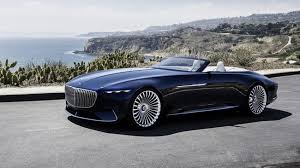

From the heartland of Texas emerges a contender that refuses to be overlooked: the Hennessey Venom F5. John Hennessey and his team have a long-standing reputation for taking already potent vehicles and pushing them to extreme limits. The Venom F5 is not a tuned production car; it’s a bespoke hypercar designed from the ground up with one singular goal: to be the fastest road-legal car in the world.
The F5 moniker pays homage to the F5 tornado rating, the most powerful category on the Fujita scale, symbolizing the car’s immense power. Underneath its aggressive exterior lies a monstrous 6.6-liter twin-turbocharged V8 engine, aptly named “Fury.” This engine produces an earth-shattering 1,817 horsepower when running on biofuel. Hennessey has boldly claimed a top speed exceeding 311 mph (500 km/h) for the Venom F5, and recent testing has shown promise, with the car reaching speeds well into the 270s during its development phases. The 0-60 mph sprint is a brutal assault on physics, accomplished in an estimated 2.5 seconds, though many believe it can achieve even faster times.
The design of the Venom F5 is all about aerodynamic dominance and visual aggression. The sculpted carbon fiber bodywork is meticulously crafted to channel airflow efficiently, providing both downforce for stability and minimizing drag for straight-line speed. Its purposeful stance, wide fenders, and prominent rear diffuser all scream performance. The cabin, while undeniably luxurious, is designed with a driver-centric focus, ensuring control and comfort even at terrifying velocities.
Hennessey operates on a model of hyper-exclusivity. The Venom F5 is produced in an extremely limited series, with plans for only 24 units. This deliberate scarcity, coupled with its ambitious performance targets and the pedigree of the Hennessey brand, justifies its premium pricing. The Venom F5 starts at an eye-watering $2.1 million, with further customization and performance packages pushing the final cost even higher.
Aston Martin Valkyrie: Formula 1 on the Road
The collaboration between Aston Martin and Red Bull Racing’s Advanced Technologies division has yielded a masterpiece of automotive engineering: the Aston Martin Valkyrie. This isn’t just a car; it’s a road-legal Formula 1 car, designed with the philosophy of extreme performance and lightweight construction derived directly from the pinnacle of motorsport.
At its core, the Valkyrie boasts a naturally aspirated 6.5-liter Cosworth V12 engine, a rarity in today’s turbocharged world. This incredible mill screams to an astonishing 10,500 rpm and produces a prodigious 1,000 horsepower on its own. However, the Valkyrie is a hybrid, and its electric powertrain adds a further 160 horsepower, bringing the total system output to an impressive 1,160 horsepower. This immense power, combined with an unbelievably low curb weight of just 2,272 pounds (1,030 kg), allows for breathtaking acceleration. The 0-60 mph mark is annihilated in an estimated 2.5 seconds, and its theoretical top speed is well over 200 mph, with some projections suggesting it could reach closer to 250 mph in controlled conditions.
The exterior design of the Valkyrie is pure aerodynamic art, heavily influenced by the principles of Formula 1. Its impossibly slender profile, massive underbody diffusers, and intricately sculpted bodywork are all dedicated to maximizing downforce and minimizing drag. The cabin is a minimalist cockpit, designed for a focused driving experience, with its two seats positioned side-by-side. Doors that open upwards add to its dramatic and exotic flair.
Aston Martin’s commitment to exclusivity is paramount with the Valkyrie. Production is strictly limited to 150 units for the standard model, with an additional 25 track-only AMR Pro versions. Given the astronomical development costs and the pedigree of its creators, the Valkyrie commanded an initial price tag starting at $3.2 million. It’s no surprise that all units were spoken for long before their official unveiling.
McLaren Speedtail: The Ultimate Grand Tourer, Redefined
McLaren, a marque steeped in racing heritage, has always strived to blend exhilarating performance with road-going usability. The McLaren Speedtail takes this philosophy to an unprecedented level, offering a unique blend of blistering speed, opulent comfort, and a groundbreaking design. It’s often described as the spiritual successor to the legendary McLaren F1, but with a modern, hybrid twist.
The Speedtail’s powertrain is a testament to sophisticated hybrid technology. It combines a 4.0-liter twin-turbocharged V8 engine with an electric motor, working in harmony to produce a combined output of 1,035 horsepower. This potent combination allows the Speedtail to reach a breathtaking top speed of 250 mph (403 km/h), making it the fastest McLaren ever produced. The 0-60 mph sprint is completed in an astonishing 2.9 seconds, a remarkable feat for a car of its size and luxury.
What truly sets the Speedtail apart is its revolutionary design. The cabin features a three-seat layout, with the driver positioned centrally, reminiscent of the F1. This configuration optimizes visibility and driver engagement. The exterior is a study in aerodynamic efficiency, with a long, flowing teardrop shape that minimizes drag. The active aerodynamic elements, such as the variable rear ailerons, dynamically adjust to optimize downforce and stability. The interior is a sanctuary of luxury, featuring premium materials and advanced technology, all wrapped in a sleek, futuristic design.
McLaren’s commitment to exclusivity is evident in the Speedtail’s production numbers. Only 106 units were produced worldwide, a nod to the original F1’s production run. This limited availability, combined with its groundbreaking technology and luxurious appointments, placed its price tag well above the $2 million mark, with significant customization options available for its discerning clientele.
SSC Tuatara: Pushing the Boundaries of Speed
The SSC Tuatara has been a subject of intense discussion and anticipation in the hypercar world, aiming to reclaim the title of the world’s fastest production car. Shelby SuperCars (SSC) has poured significant engineering effort into creating a machine that is not only incredibly fast but also a masterpiece of design and technology.
At the heart of the Tuatara lies a bespoke 5.9-liter twin-turbocharged V8 engine, developed in partnership with Nelson Racing Engines. This powerhouse is capable of producing a mind-boggling 1,750 horsepower when running on E85 biofuel. SSC has publicly stated its ambition to surpass the 300 mph mark, with claimed top speeds exceeding 300 mph and even venturing towards 330 mph under optimal conditions. The 0-60 mph acceleration is reported to be a mere 2.5 seconds, showcasing the sheer ferocity of its performance. The Tuatara also features a sophisticated seven-speed automated manual transmission designed for seamless power delivery.
The exterior design of the Tuatara is a striking fusion of aerodynamic functionality and aggressive styling. Its sleek, low-slung profile, extensive use of carbon fiber, and prominent rear diffuser are all engineered to slice through the air with minimal resistance. The distinctive dihedral doors add to its dramatic presence. Inside, the cockpit is a blend of high-tech instrumentation and premium materials, designed to offer both comfort and a commanding driving position.
SSC has chosen to produce the Tuatara in a strictly limited quantity. The production run is capped at 100 units, ensuring its exclusivity within the hypercar market. The pricing for this ultimate expression of speed starts at approximately $2 million, reflecting the immense engineering and bespoke craftsmanship involved in its creation.
Mercedes-AMG ONE: The F1 Car for the Road
For years, the automotive world has whispered about the possibility of a road-legal Formula 1 car. Mercedes-AMG has turned that dream into a breathtaking reality with the Mercedes-AMG ONE. This hypercar is not merely inspired by F1 technology; it incorporates a genuine Formula 1 power unit, representing an unprecedented leap in automotive engineering.
The heart of the AMG ONE is a highly modified 1.6-liter turbocharged V6 hybrid powertrain, directly derived from Mercedes-AMG’s championship-winning Formula 1 cars. This complex system includes four electric motors that work in conjunction with the internal combustion engine, producing a colossal combined output of over 1,000 horsepower. The engine itself revs to an incredible 11,000 rpm, a characteristic rarely seen outside of motorsport. The AMG ONE is capable of incredible acceleration, achieving 0-60 mph in under 2.5 seconds and boasting a top speed that exceeds 217 mph.
The design of the AMG ONE is pure F1 aggression translated for the road. Its aerodynamically optimized body features a large rear wing, a roof-mounted intake scoop, and extensive use of active aerodynamic elements to generate immense downforce. The single-seat cockpit (though production versions feature a two-seat configuration for practicality) is designed for ultimate driver focus, with racing-inspired controls and instrumentation. The weight distribution and chassis dynamics are meticulously engineered for unparalleled handling.
Mercedes-AMG’s production of the ONE is highly exclusive, with a strict limit of 275 units worldwide. Given the complexity of the F1 powertrain and the extensive engineering required to make it road-legal and reliable, the price tag reflects this exclusivity. The Mercedes-AMG ONE commands a price of approximately $2.7 million, making it one of the most expensive and exclusive road cars ever produced.
The Unseen Stars and Emerging Trends
While these titans often capture the headlines, the hypercar landscape is constantly enriched by niche manufacturers and emerging technologies. We see an increasing emphasis on hybrid and electric powertrains, not just for performance but also for a more sustainable approach to ultra-luxury. Lightweight materials like advanced carbon fiber composites and titanium are becoming even more integral to design and manufacturing. Furthermore, the pursuit of personalized luxury means that customization options are becoming more extensive, allowing buyers to tailor their hypercars to their exact specifications, from interior finishes to performance tuning.
The market for these incredible machines in 2025 remains robust, driven by a passionate and affluent clientele who appreciate the art of automotive engineering and the thrill of unparalleled performance. These are not just cars; they are investments, collector’s items, and ultimately, the embodiment of human ingenuity and aspiration on wheels.
Are you ready to experience the absolute zenith of automotive engineering? Explore the possibilities and discover which of these incredible machines aligns with your ultimate automotive dream.