
The preview for Tuesday, January 20, 2026, focuses on the legal maneuvering following the “Game Over for Willow” revelation. “Diane is currently in a position of strength,” as she uses the new evidence to secure a series of immunity deals for her clients while simultaneously launching a counter-suit against the city for malicious prosecution. Diane’s strategic brilliance is on full display as she navigates the “courtroom bombshells” and the “legendary betrayals” that have defined the month. Her position of strength allows her to dictate terms to the District Attorney, effectively controlling the narrative of the city’s legal scandals.
However, the “Tuesday, January 20” preview also hints that Diane’s strength has made her a target for the “mysterious C” and the criminal syndicate behind the Congressman’s case. As she walks to her car in the parking garage, she is confronted by a “serious threat” that suggests her strength is only as good as her ability to protect herself. The episode also features a moving scene between Carly and Josslyn as they discuss the “consequences” of the family’s choices and the “fate-changing” events that have redefined their lives. Diane’s “position of strength” is the central theme of the day, but the underlying danger suggests that in Port Charles, power is always temporary and often comes with a deadly price.
The Apex Predators of the Road: Navigating the Realm of Hypercars in 2025
The automotive landscape, particularly at its pinnacle, is a realm of escalating ambition, breathtaking engineering, and unapologetic excess. For enthusiasts and collectors alike, the distinction between a “supercar” and a “hypercar” often feels like a finely tuned nuance rather than a stark demarcation. There’s no singular, universally agreed-upon metric – no horsepower figure or top-speed threshold that definitively ushers a machine into the hypercar echelon. Instead, it’s an amalgamation of extreme performance, avant-garde design, groundbreaking technology, and an exclusivity that borders on the mythical. As an industry professional with a decade immersed in this high-octane world, I’ve witnessed firsthand the relentless pursuit of automotive perfection, and in 2025, the machines pushing these boundaries are more astounding than ever. This isn’t just about speed; it’s about engineering audacity, a statement of what’s possible when budget and convention are left at the showroom door. Let’s embark on a journey through some of the most captivating hypercars defining this extraordinary era.
Bugatti Chiron: The Enduring Icon of Hypercar Excellence
Bugatti, a name synonymous with automotive royalty, continues to set the benchmark. The Chiron, a direct descendant of the legendary Veyron, is more than just a successor; it’s an evolution, a testament to Bugatti’s unwavering commitment to crafting the ultimate grand tourer-slash-hypercar. Its success lies not just in raw numbers, but in the harmonious integration of brute force and exquisite refinement.
At its heart beats an 8.0-liter W16 engine, a quad-turbocharged masterpiece that, in its standard configuration, unleashes a staggering 1500 horsepower at a relatively accessible 6000 rpm. This colossal power output translates to a neck-snapping acceleration of approximately 2.5 seconds to reach 60 mph. While the Veyron’s 268 mph top speed was groundbreaking, the Chiron pushes the envelope further, capable of achieving a mind-boggling 271 mph (in its Super Sport guise). The engineering prowess extends to its construction, featuring a lightweight yet incredibly strong carbon-fiber monocoque that ensures stability and agility at stratospheric velocities.
The design of the Chiron is a masterclass in aerodynamic artistry. Its sculpted lines are not merely for aesthetics; they are functional, channeling air to optimize downforce and minimize drag. The signature Bugatti horseshoe grille, the elegant C-line that sweeps across the profile, and the distinctive rear light bar all contribute to an unmistakable presence that commands attention. Each Chiron is a bespoke creation, with buyers able to personalize their vehicles extensively, driving the price significantly beyond the base €2.5 million (approximately $2.7 million USD). Production is strictly limited to 500 units, solidifying its status as a highly sought-after collectible, often found gracing exclusive collections in cities like Los Angeles and Miami.
Bugatti Bolide: A Radical Leap into Track-Focused Hypercar Prowess
If the Chiron represents the pinnacle of road-legal hypercar luxury and performance, the Bolide is Bugatti’s unadulterated foray into track-day dominance. This machine is a radical departure, shedding the GT aspirations for pure, unadulterated speed and aerodynamic extremism. Visually, it’s a startling departure from the Chiron, appearing more like a Le Mans prototype than a road car.
The Bolide boasts an even more potent iteration of the W16 engine, capable of producing an astonishing 1850 horsepower when fed with 110-octane racing fuel. Bugatti claims a theoretical top speed exceeding 310 mph, a figure that, while unproven in production form, underscores the car’s extreme design intent. During testing, speeds have been recorded well over 270 mph, still placing it firmly in the hypercar elite. The weight reduction is also significant, with an aggressive focus on lightweight materials like carbon fiber for its entire chassis and bodywork, resulting in an exceptionally low power-to-weight ratio.
The design is a spectacle of functional aerodynamics. Massive diffusers, intricate front splitter, and an enormous rear wing are not mere adornments but essential components for generating immense downforce, allowing the Bolide to corner at speeds that defy logic. This isn’t a car for casual cruising; it’s a precision instrument engineered for the rigors of the racetrack. With a production run limited to an incredibly scarce 40 units, the Bolide commands a price tag starting at $4.7 million, making it one of the most exclusive and coveted track-focused hypercars currently available.
McLaren Speedtail: The Supersonic Hypersedan Redefining Grand Touring
McLaren has always been synonymous with cutting-edge automotive technology and racing pedigree. The Speedtail is their bold vision of a next-generation hypercar, blending blistering performance with an uncanny ability to cover vast distances in supreme comfort and style. It’s often described as a “hyper-GT,” a vehicle that can deliver warp-speed exhilaration on the open road while offering a level of refinement rarely seen in such potent machines.
Its design is undeniably futuristic, with a teardrop-shaped silhouette that evokes the sensation of flight. The incredibly low drag coefficient is crucial to its immense top speed. A unique feature is the three-seat cabin layout, a direct nod to the iconic McLaren F1. The driver’s seat is positioned centrally and slightly forward, flanked by two passenger seats, creating an intimate and driver-focused environment.

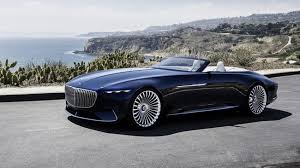

The Speedtail employs a sophisticated hybrid powertrain, combining a twin-turbocharged 4.0-liter V8 engine with an electric motor. Together, they produce a combined output of 1050 horsepower, propelling the Speedtail to a phenomenal top speed of 250 mph (403 km/h). Acceleration is equally impressive, reaching 60 mph in a mere 2.9 seconds. The lightweight construction, utilizing McLaren’s expertise in carbon fiber, is paramount to achieving these figures. With only 106 units produced, each priced in excess of €2 million (approximately $2.2 million USD) depending on customization, the McLaren Speedtail stands as a rare jewel in the luxury hypercar segment.
Aston Martin Valkyrie: A Formula 1 Car for the Road, Reimagined
The Aston Martin Valkyrie represents a profound collaboration between a legendary automotive marque and a dominant force in Formula 1. Designed under the tutelage of Adrian Newey, Red Bull Racing’s chief technical officer, the Valkyrie is less a car and more an F1 car with a license plate. Its singular focus is on achieving extreme aerodynamic efficiency and a sensational power-to-weight ratio.
This hybrid hypercar is remarkably lightweight, tipping the scales at just 2,300 pounds (1,030 kg). This feat is achieved through extensive use of carbon fiber for the body and chassis. Powering this featherweight marvel is a naturally aspirated 6.5-liter Cosworth V12 engine, working in tandem with an electric hybrid system, generating a combined output of 1,176 horsepower. The result is breathtaking acceleration, capable of reaching 60 mph in approximately 2.5 seconds.
The exterior is a symphony of aerodynamic aggression, with dramatic curves, massive underbody diffusers, and a towering rear wing designed to generate immense downforce. It’s a design that prioritizes function over conventional aesthetics, yet the result is undeniably beautiful in its purposeful intensity. The cockpit, while offering two seats, is an intimate and driver-centric space, enveloped by the car’s advanced aerodynamics. With a limited production run of 175 units, the Aston Martin Valkyrie was quickly spoken for, with pre-orders selling out rapidly, commanding a starting price of $3.2 million USD. It’s a true embodiment of performance hypercars blurring the lines with motorsport.
Koenigsegg Jesko Absolut: The Pursuit of Hyper-Speed Supremacy
Koenigsegg, the Swedish maestro of extreme automotive engineering, has consistently challenged the very definition of speed. The Jesko, particularly in its Absolut configuration, represents Christian von Koenigsegg’s relentless pursuit of the ultimate top speed, aiming to shatter existing records. It’s a machine meticulously engineered to minimize drag and maximize aerodynamic efficiency.
At the heart of the Jesko Absolut lies a potent 5.0-liter twin-turbocharged V8 engine. When fueled with E85 racing fuel, it unleashes an astounding 1622 horsepower. Koenigsegg’s ambitious claims suggest that under ideal conditions, the Jesko Absolut could achieve speeds exceeding 330 mph (530 km/h), a figure that, if realized, would rewrite the record books. While this theoretical maximum has yet to be officially validated, its performance in simulations and preliminary testing indicates a serious contender for the title of the world’s fastest production car.
The vehicle’s design is a testament to aerodynamic obsession. Its elongated, sleek profile, complete with a near-flat underbody and a remarkably small frontal area, is optimized to cut through the air with minimal resistance. The absence of large wings (unlike some previous Koenigsegg models) further aids in reducing drag. Weighing in at an impressive 3130 pounds (1420 kg), the Jesko Absolut offers a remarkable power-to-weight ratio, contributing to its explosive acceleration. Production is capped at 125 units, with prices starting from $3 million USD. The overwhelming demand is evident, with over three-quarters of the production run already allocated to eager collectors, underscoring the immense interest in new hypercars with such ambitious performance goals.
Hennessey Venom F5 Revolution: American Muscle Meets Hypercar Fury
Hennessey Performance Engineering, an American powerhouse known for its extreme tuning and bespoke creations, has pushed the boundaries of performance with the Venom F5. While the original Venom GT garnered significant attention for its speed, the F5 represents a completely new, bespoke hypercar designed from the ground up to achieve unprecedented velocity and track capability.
The Venom F5 is powered by a custom-built 6.6-liter twin-turbocharged V8 engine, dubbed “Fury.” In its top-tier specification, this engine churns out a colossal 1817 horsepower. This immense power, combined with an incredibly lightweight chassis constructed from carbon fiber, allows the Venom F5 to achieve staggering acceleration figures. Hennessey claims a top speed exceeding 311 mph (500 km/h), a figure that places it firmly in contention for the fastest production car title. Its ability to sprint from 0 to 60 mph in under 3 seconds is a testament to its raw power and sophisticated traction management.
The design is both aggressive and functional, with sharp lines, a prominent front splitter, and a large rear diffuser optimized for aerodynamic downforce. The F5 is available in both a road-legal variant and a more track-focused “Revolution” model, which features enhanced aerodynamics, a more aggressive suspension setup, and additional cooling systems. Production is strictly limited to 24 units for the road-legal version, with the Revolution model having an even more exclusive run. Prices start from a considerable $2.1 million USD, solidifying its status as a limited edition hypercar and a true American performance statement.
SSC Tuatara: Redefining Speed with Precision Engineering
SSC North America, formerly Shelby SuperCars, has firmly established the Tuatara as a formidable contender in the hypercar arena. This machine is a testament to meticulous engineering and a relentless pursuit of aerodynamic perfection, aiming to reclaim the title of the world’s fastest production car. The Tuatara embodies luxury, performance, and exclusivity in equal measure.
Under its sleek, sculpted bodywork lies a powerful 5.9-liter twin-turbocharged V8 engine. When running on E85 fuel, this engine produces an astonishing 1750 horsepower. SSC has meticulously engineered the Tuatara for extreme speeds, with a claimed top speed of over 280 mph (455 km/h). Its acceleration is equally ferocious, capable of reaching 60 mph in a mere 2.5 seconds. This rapid acceleration is managed by a sophisticated seven-speed automated manual transmission, designed for both blistering performance and refined drivability.
The exterior design of the Tuatara is a masterpiece of aerodynamic efficiency. Its elongated profile, sharp creases, and intricate active aerodynamic elements work in harmony to minimize drag and maximize downforce at high speeds. The cabin is a blend of advanced technology and luxurious materials, offering a comfortable and engaging environment for the driver. With a limited production run of 100 units, the SSC Tuatara is an exceptionally rare and desirable machine. Its pricing starts at $2 million USD, making it a significant investment for those seeking the apex of automotive achievement in the fastest hypercars category.
The Ongoing Evolution of the Hypercar Landscape
The machines discussed above represent just a snapshot of the extraordinary talent and ambition driving the hypercar market in 2025. We are witnessing an era where hybrid powertrains are not just an option but a necessity for achieving peak performance, where lightweight materials are indispensable, and where aerodynamic science dictates form as much as function.
The quest for ever-increasing speeds, coupled with the desire for exclusivity and bespoke craftsmanship, ensures that the hypercar segment remains at the forefront of automotive innovation. These vehicles are more than just modes of transportation; they are rolling sculptures, technological marvels, and symbols of ultimate achievement.
As these incredible machines continue to push the boundaries of what’s possible, the lines between road-legal vehicles and pure-bred race cars blur further. The future promises even more radical designs, advanced hybrid and electric powertrains, and a continued focus on delivering an unparalleled driving experience.
The world of hypercars is a thrilling testament to human ingenuity and our unyielding desire to explore the extreme. If you’re captivated by the pinnacle of automotive engineering and are ready to explore ownership possibilities within this elite segment, the journey of discovery is just beginning. Connect with our team of specialists today to learn more about acquiring one of these automotive masterpieces and to understand the intricate nuances of the hypercar market.