
The Apex Predators: Navigating the Pinnacle of Automotive Velocity in 2025
In the relentless pursuit of automotive perfection, a select echelon of manufacturers continues to redefine the very boundaries of speed and performance. As an industry professional with a decade immersed in the hypercar and performance vehicle landscape, I’ve witnessed firsthand the evolution of these mechanical marvels. The year 2025 finds us at a fascinating juncture, where bleeding-edge engineering, aerodynamic mastery, and raw power converge to create machines that transcend mere transportation, becoming veritable kinetic sculptures. This exploration delves into the current titans of speed, focusing on their engineering prowess, theoretical and proven capabilities, and the technological advancements that propel them to the stratospheric realms of 300+ miles per hour.
Our primary focus, the Koenigsegg Jesko Absolut, stands as a testament to Swedish ingenuity and an unyielding commitment to aerodynamic efficiency. While its theoretical top speed hovers tantalizingly above 310 mph (499 km/h), it’s crucial to understand that such figures are often extrapolated through complex simulations and extensive track data rather than repeated, officially sanctioned runs under varied conditions. The Jesko Absolut isn’t just about brute force; it’s a meticulously sculpted aerodynamic predator. Its design philosophy prioritizes minimizing drag coefficient above all else, a crucial factor when battling the atmospheric resistance that exponentially increases with velocity. Beneath its sleek, elongated silhouette lies a twin-turbocharged 5.0-liter V8 engine, a powerplant that churns out a staggering 1,600 horsepower and an immense 1,500 Nm of torque when fueled with E85. The remarkable power-to-weight ratio, with the vehicle tipping the scales at a mere 1,390 kg (dry weight), is a critical component of its astonishing performance. While the ultimate top speed record remains an elusive prize, the Jesko Absolut has already etched its name in the annals of automotive history by achieving an awe-inspiring 0-400 km/h (249 mph) and back to zero in a staggering 27.83 seconds. This record, independently verified, is a profound indicator of its aerodynamic efficiency and braking capabilities, essential facets for any contender aiming for absolute velocity. The search for the fastest production car in the world continues to be a fierce battleground, with engineers constantly pushing the envelope.
Stepping into the electrifying arena, the Yangwang U9 Xtreme has unequivocally declared its presence, setting an official production car speed record of 308 mph (496 km/h) in September 2025. This landmark achievement on a German runway signifies a monumental leap forward for electric hypercars. The U9 Xtreme is not merely an electric vehicle; it’s a four-motor behemoth, delivering an astounding combined output of 3,000 horsepower. Powering this electric titan is an extremely robust 1,200-volt electrical system, a significant upgrade from the 400-volt systems commonplace in mainstream EVs. This elevated voltage architecture is crucial for managing the immense power demands and ensuring sustained high-performance output. With only 30 units slated for production and an anticipated starting price exceeding $200,000, the U9 Xtreme represents the absolute pinnacle of electric performance, offering a glimpse into the future of electric supercar speed records.
The American contribution to the hypercar hierarchy is robustly represented by the SSC Tuatara. Renowned for its formidable V8 engines, SSC has developed a twin-turbocharged eight-cylinder powerhouse that, when running on E85 ethanol, unleashes a colossal 1,750 horsepower. While the Tuatara’s journey to its verified top speed has been marked by some early controversy, the current consensus confirms a remarkable genuine top speed of 295 mph (475 km/h). This figure, achieved in early 2022, solidifies its position among the elite, even if early claims of 331 mph were later attributed to a GPS anomaly. The relentless pursuit of the world’s fastest street legal car is a narrative woven with technological triumphs and meticulous validation.
Bugatti, a marque synonymous with automotive excellence and record-breaking speed, continues its legacy with the Bugatti Tourbillon. This successor to the legendary Veyron and Chiron embodies a harmonious blend of luxury and hyper-performance. Its heart is an 1,800 horsepower V16 hybrid engine, a powerplant designed to deliver exhilarating acceleration, propelling the £3.2 million hypercar from 0-60 mph in under 2 seconds. The Tourbillon represents a forward-looking approach for Bugatti, integrating hybrid technology to enhance both performance and efficiency. With Bugatti’s proven track record of exceeding 300 mph with the Chiron, it’s highly probable that even faster iterations of the Tourbillon will emerge in the coming years, further solidifying Bugatti’s claim in the high-performance luxury car segment.
Returning to the American performance scene, the Hennessey Venom F5 is another compelling contender. This all-American supercar is powered by a colossal 6.6-liter twin-turbocharged V8 engine, producing an astonishing 1,817 horsepower and 1,617 Nm of torque. This immense power translates to blistering acceleration, achieving 0-60 mph in just 2.6 seconds, and a top speed currently rated at 272 mph (438 km/h). However, Hennessey has not settled for this figure, with ambitions to push the Venom F5 beyond the 300 mph mark. The continuous development and tuning of this machine underscore the dedication to achieving ultimate velocity within the American hypercar market.
Bugatti’s mastery of the W16 engine reaches its zenith with the Bugatti Mistral. This exquisite machine holds the title of the fastest convertible car in the world, boasting an impressive top speed of 270 mph (435 km/h). The Mistral also marks the swansong for Bugatti’s iconic 8.0-liter quad-turbocharged W16 engine, producing a formidable 1,600 horsepower and 1,600 Nm of torque. Power is seamlessly delivered to all four wheels via a seven-speed automatic transmission. Experiencing the raw force of this convertible at such velocities must be an unparalleled sensation, offering a unique blend of open-air exhilaration and extreme performance, making it a sought-after vehicle for luxury convertible speed enthusiasts.
The electric revolution continues its charge with the Rimac Nevera R. Building upon the already groundbreaking performance of the original Nevera, the Croatian manufacturer has elevated its electric hypercar to even more astonishing heights. The Nevera R’s four electric motors now deliver a combined output of 2,107 horsepower, a significant increase from the previous 1,914 hp. This power surge elevates its top speed to 267 mph (430 km/h). Furthermore, its acceleration is nothing short of ferocious, achieving 0-60 mph in a mere 1.7 seconds. In direct comparisons, the Nevera R presents a formidable challenge to even the most specialized single-seater race cars, redefining expectations for electric hypercar performance and acceleration.
Venturing into the Japanese performance landscape, Aspark, a relatively small-volume hypercar maker, has produced the captivating Aspark Owl. This sleek electric vehicle is equipped with four electric motors, generating an impressive 1,953 horsepower. It achieves the 0-60 mph sprint in a breathtaking 1.7 seconds, before reaching a top speed of 256 mph (413 km/h). While this version is road-legal, Aspark also offers a track-only variant, the Owl SP600, capable of an even higher velocity of 272 mph, showcasing the versatility and extreme engineering capabilities of this emerging player in the Japanese electric car market.
McLaren, a name deeply ingrained in motorsport heritage, showcases its prowess with the McLaren Speedtail. While not explicitly designed to chase outright top speed records, the Speedtail, with its 250 mph (402 km/h) capability, stands as the fastest road car ever produced by the legendary British marque. This achievement surpasses even its most iconic predecessor, the McLaren F1. The Speedtail’s aerodynamically optimized, three-seat configuration and lack of drag-inducing wings contribute to its otherworldly appearance, reminiscent of futuristic concept vehicles. Its ability to carry two passengers at such extreme velocities offers a unique proposition in the luxury sports car segment, emphasizing a blend of cutting-edge design and blistering speed.
Matching the Speedtail’s 250 mph top speed is the Koenigsegg Regera, another exceptional offering from the Swedish manufacturer. The Regera combines a twin-turbo V8 engine with an electric motor, resulting in a combined output of 1,500 horsepower. What sets the Regera apart is its revolutionary single-gear transmission system, allowing it to accelerate seamlessly from a standstill to its top speed without any gear changes. This unique engineering approach delivers a uniquely smooth and continuous surge of power, characteristic of Koenigsegg’s innovative approach to hypercar design and performance. The Koenigsegg Regera’s unique transmission is a hallmark of its engineering brilliance.
Rounding out this elite list is the Aston Martin Valkyrie, a car that blurs the lines between road car and Le Mans prototype. Its striking, race-inspired aesthetics are not merely for show; they are integral to its aerodynamic performance. Beneath its aggressive exterior lies a 6.5-liter V12 hybrid engine, producing a formidable 1,160 horsepower. This powerplant, coupled with the car’s featherweight construction, enables it to sprint from 0-60 mph in a mere 2.5 seconds. The Valkyrie represents Aston Martin’s ambitious foray into extreme performance, blending F1-derived technology with road legality, appealing to those seeking an F1-inspired road car.
Beyond these stratospheric contenders, several other remarkable vehicles showcase incredible performance capabilities, catering to a slightly broader, yet still highly exclusive, segment of the automotive market. The Mercedes-AMG GT, in its latest iteration, offers a thrilling driving experience with its 4.0-liter twin-turbocharged V8 engine producing 585 horsepower, achieving a top speed of 196 mph (315 km/h). It strikes an impressive balance between driving pleasure, aesthetic appeal, and a surprising degree of practicality for a car of its caliber, making it a top choice for performance grand tourers in cities like Los Angeles or Miami.
For those who crave the adrenaline of a high-performance saloon, the Alfa Romeo Giulia Quadrifoglio stands out. This twin-turbo V6 powerhouse delivers 510 horsepower to the rear wheels, enabling it to reach 191 mph (307 km/h). It offers a compelling blend of blistering speed and everyday usability, proving that exhilarating performance need not be confined to two-door sports cars, a highly sought-after characteristic for performance sedans in Chicago and New York.
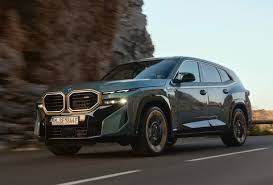
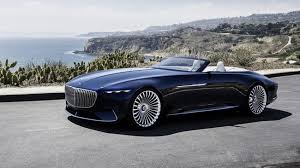
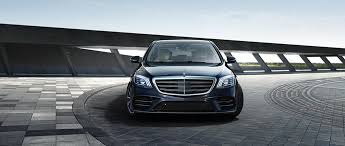
The BMW M8 Competition presents a seriously capable grand touring option, equally at home on a racetrack as it is devouring continental distances. With the M Driver’s Pack, it can exceed 190 mph (306 km/h). It distinguishes itself from stripped-out track cars by incorporating luxurious touches and an impressive infotainment system, ensuring comfort and refinement alongside its potent performance, a key selling point for luxury car buyers in Dallas and Houston.
In a similar vein, the Audi RS7 Performance offers a compelling alternative in the GT segment. While its top speed may not quite match the M8 Competition, this 4.0-liter V8-powered beast demonstrated its prowess in a direct comparison, narrowly beating the Audi in a quarter-mile drag race. The RS7 provides a potent blend of performance and sophisticated design, making it a popular choice for discerning drivers across the country.
Finally, for those seeking a slightly unconventional yet undeniably captivating option, the Lexus LC500 emerges as a strong contender. This gorgeously styled coupe is powered by a potent V8 engine, delivering a top speed of 168 mph (270 km/h) and achieving 0-60 mph in 4.6 seconds. Its luxurious interior provides a comfortable environment for long journeys, proving that exceptional performance can coexist with refined comfort and distinctive design, a compelling proposition for buyers in markets like San Francisco and Atlanta interested in luxury coupe performance.
The landscape of automotive velocity is in a constant state of flux, driven by relentless innovation and an insatiable desire to push boundaries. Whether powered by internal combustion or cutting-edge electric powertrains, these machines represent the pinnacle of engineering achievement, offering experiences that are as exhilarating as they are exclusive.
As we continue to witness these breathtaking advancements, one thing remains clear: the quest for speed is not just about numbers on a speedometer; it’s about the artistry of design, the mastery of physics, and the sheer joy of human ingenuity translated into kinetic motion. If you’re captivated by this world of extreme automotive performance and seeking to understand how these incredible machines can enhance your driving experience, whether on the track or the open road, exploring the available options and consulting with specialists is the crucial next step.