
The Apex Predators: Charting the Uncharted Territories of Automotive Velocity
In the relentless pursuit of pushing the boundaries of what’s physically possible on four wheels, the automotive landscape is continually redefined by a select breed of engineering marvels. These are not mere modes of transportation; they are kinetic sculptures, born from an unwavering obsession with speed, precision, and the sheer thrill of unparalleled performance. As an industry veteran with a decade immersed in the intricacies of hypercar development and market dynamics, I’ve witnessed firsthand the breathtaking advancements that have propelled us into an era where theoretical speeds are constantly tested against the unforgiving laws of physics. This exploration delves into the current vanguard of fastest production cars, examining their groundbreaking technologies, their audacious claims, and the subtle nuances that distinguish true contenders from the dreamers.
The primary focus for enthusiasts and manufacturers alike remains the ultimate benchmark: the production car top speed record. For years, this accolade has been fiercely contested, with each new iteration pushing the envelope further. The conversation today is dominated by a handful of marques and their extraordinary creations, each vying for the coveted title of the world’s fastest car. This pursuit is not solely about raw horsepower; it’s a symphony of aerodynamic sophistication, advanced powertrain integration, and meticulous weight reduction, all orchestrated to achieve velocities previously relegated to science fiction.
At the forefront of this elite echelon, we find the Koenigsegg Jesko Absolut, a name that has become synonymous with audacious speed. This Swedish maestro of performance represents the pinnacle of Christian von Koenigsegg’s relentless innovation. While its stated theoretical top speed hovers around an astounding 310 mph (499 km/h), it’s crucial to understand that such figures are often reached under ideal, controlled conditions and are yet to be officially validated in a production-spec run. However, the Jesko Absolut is far from a mere theoretical exercise. Its prowess is underlined by its dominance in intermediate speed benchmarks. The car has already etched its name in the record books for an astonishing 0-400-0 km/h (0-249-0 mph) sprint, completing the daunting task in a mere 27.83 seconds. This feat speaks volumes about the vehicle’s exceptional acceleration, braking capabilities, and driver-feedback systems.
Underneath its aggressively sculpted, low-drag coefficient exterior lies a formidable twin-turbocharged 5.0-liter V8 engine. This powerplant is meticulously engineered to deliver a staggering 1,600 horsepower and 1,500 Nm of torque when fueled by E85. The weight is equally impressive, tipping the scales at a featherlight 1,390 kg. This remarkable power-to-weight ratio is a fundamental ingredient in achieving such extreme velocities. The Jesko Absolut’s design philosophy is centered on minimizing aerodynamic resistance, featuring a long tail, a smooth underbody, and carefully integrated cooling systems, all contributing to its unparalleled straight-line speed potential. The ongoing quest to officially validate its ultimate top speed continues to be one of the most anticipated events in the automotive world, a testament to Koenigsegg’s unwavering commitment to ultimate performance.
Moving from the established titans to a bold new challenger, the Yangwang U9 Xtreme has burst onto the scene with electrifying force, setting an official production car speed record in September 2025. Its recorded top speed of 308 mph (496 km/h) on a German runway marks a monumental achievement, particularly for an all-electric vehicle. This is not just a step forward; it’s a giant leap for the electric hypercar segment. The U9 Xtreme is powered by an astounding quad-motor setup, collectively producing a colossal 3,000 horsepower. This is further supported by an exceptionally robust 1,200-volt electrical architecture, a significant upgrade from the 400-volt systems commonly found in contemporary EVs. This advanced electrical system is crucial for managing the immense power output and ensuring sustained performance. Production of the U9 Xtreme is extremely limited, with only 30 units slated for sale, and an anticipated starting price exceeding £200,000, positioning it as an ultra-exclusive offering. The success of the Yangwang U9 Xtreme signals a profound shift, demonstrating that electric powertrains are not only capable of matching but can potentially surpass internal combustion engines in the realm of ultimate speed.
The history of top-speed claims often involves intricate narratives, and the SSC Tuatara stands as a prime example. American ingenuity in V8 engine development is undeniable, and the Tuatara showcases this with its twin-turbocharged eight-cylinder powerhouse. When running on E85 ethanol, this engine unleashes an incredible 1,750 horsepower. However, the Tuatara’s journey to establishing its top speed has been marked by controversy. An initial claim of 331 mph (533 km/h) in October 2020 was later retracted due to admitted GPS inaccuracies. Subsequent rigorous testing in early 2022 saw the vehicle achieve a validated top speed of 295 mph (475 km/h). While this figure may not have reached the initial, unsubstantiated claim, it remains an exceptionally impressive velocity, solidifying its place among the elite fastest production cars. SSC’s commitment to transparent validation and continued development underscores their ambition in the hypercar arena.
The legacy of Bugatti in the pursuit of extreme velocity is deeply ingrained in automotive culture. For many, the image of a Bugatti Veyron challenging fighter jets on television defined the pinnacle of speed during the 2000s. This enduring spirit is carried forward by the Bugatti Tourbillon. This new hypercar represents a significant evolution, featuring an 1,800 horsepower V16 hybrid powertrain. This extraordinary mill propels the £3.2 million luxury missile from 0-60 mph in under 2.0 seconds. The Tourbillon is not just about outright speed; it embodies a blend of hypercar performance and unparalleled luxury. Given Bugatti’s track record, including achieving speeds exceeding 300 mph with the Chiron, it is highly probable that an even faster variant will emerge in the coming years, further cementing Bugatti’s position at the cutting edge of automotive engineering. The integration of hybrid technology signifies Bugatti’s forward-looking approach to performance, balancing brute force with refined efficiency.
Another formidable contender hailing from the United States is the Hennessey Venom F5. John Hennessey and his team have consistently pushed the boundaries of what’s achievable, and the Venom F5 is their latest testament to American automotive prowess. Powered by a colossal 6.6-liter twin-turbocharged V8, it churns out an immense 1,817 horsepower and 1,617 Nm of torque. This prodigious output allows the Venom F5 to accelerate from 0-60 mph in a mere 2.6 seconds, with a stated top speed of 272 mph (438 km/h). However, Hennessey’s ambitions extend beyond this current figure; the company is actively pursuing a top speed exceeding 300 mph, setting the stage for further thrilling developments. The Venom F5’s raw power and aggressive design speak to a purist’s approach to performance, prioritizing unadulterated speed.
Bugatti’s mastery of the W16 engine reaches its zenith with the Bugatti Mistral. This exquisite machine holds the distinction of being the fastest convertible car in the world, capable of achieving a breathtaking 270 mph (435 km/h). More significantly, the Mistral marks the swansong for Bugatti’s iconic 8.0-liter quad-turbocharged W16 engine. It delivers a formidable 1,600 horsepower and 1,600 Nm of torque, channeled through a seven-speed dual-clutch transmission to all four wheels. Experiencing a car at such velocities with the roof down must be an unparalleled sensation, a true wind-in-the-hair experience, albeit one that requires the most extreme levels of caution and the ideal weather conditions, as experienced by some reviewers. The Mistral is a collector’s dream, a final chapter in the W16 saga, offering both immense speed and a unique open-air exhilaration.
The electric hypercar segment continues its rapid evolution, with Rimac Nevera R emerging as a significantly enhanced iteration of an already groundbreaking machine. The Croatian manufacturer, known for its pioneering work in electric vehicle technology, has further amplified the Nevera’s performance credentials. The four electric motors now produce an astonishing 2,107 horsepower, up from the already impressive 1,914 hp of the original. This surge in power translates to an increased top speed of 267 mph (430 km/h), up from 256 mph. The Nevera R’s acceleration is equally ferocious, achieving 0-60 mph in a blistering 1.7 seconds. In head-to-head comparisons, such as a drag race against the single-seater McMurtry Spierling, the standard Nevera was narrowly outpaced. A rematch with the Nevera R promises to be an entirely different, and potentially revolutionary, affair, showcasing the relentless progress in electric hypercar performance.
Emerging from the specialized world of low-volume Japanese hypercar manufacturing, the Aspark Owl is a striking testament to electric performance. This sleek EV, powered by four electric motors, generates a remarkable 1,953 horsepower. It boasts a 0-60 mph sprint time of just 1.7 seconds, before unleashing its top speed of 256 mph (413 km/h). For those seeking even more extreme performance, Aspark offers a track-only variant, the Owl SP600, which can achieve 272 mph. However, this significantly faster model is not road-legal, underscoring the stringent regulations and engineering challenges involved in creating road-legal hypercars. The Aspark Owl, with its aggressive styling and potent electric drivetrain, represents a compelling alternative in the hypercar market, especially for those prioritizing cutting-edge EV technology.
McLaren, a marque synonymous with racing pedigree and performance innovation, introduced the McLaren Speedtail not as a record-chasing machine, but as its fastest road-legal car ever built. With a top speed of 250 mph (402 km/h), it significantly surpasses even the new flagship W1’s capability of 237 mph. The Speedtail’s aerodynamic prowess is evident in its exceptionally sleek bodywork, devoid of drag-inducing wings, giving it a futuristic, almost alien appearance. This design not only contributes to its incredible top speed but also enhances its stability and efficiency. It’s a testament to McLaren’s holistic approach to performance, where form and function are inextricably linked. The three-seat configuration also adds a unique dimension, allowing drivers to share this exhilarating experience with two companions.
Matching the Speedtail’s remarkable 250 mph (402 km/h) top speed is the Koenigsegg Regera. This is the second entry from the Swedish manufacturer on this list, showcasing their diverse approach to hypercar engineering. The Regera combines a twin-turbocharged V8 engine with an electric motor, creating a hybrid powertrain that delivers a combined output of 1,500 horsepower. What truly sets the Regera apart is its revolutionary direct-drive transmission. Unlike any other vehicle on this list, it can accelerate from 0 to its 250 mph top speed using a single gear. This innovative powertrain architecture eliminates the need for traditional gear changes, providing a seamless and uninterrupted surge of power. The Regera is a prime example of Koenigsegg’s willingness to challenge conventional automotive design and engineering principles.
The Aston Martin Valkyrie may not immediately appear as a road-legal car, given its striking resemblance to a full-blown Le Mans prototype racer. However, this F1-inspired marvel is, in fact, designed for street use. Powered by a formidable 6.5-liter hybrid V12 engine, it produces an immense 1,160 horsepower. This power unit, mounted behind the driver, propels the Valkyrie from 0-60 mph in a scant 2.5 seconds. The car’s remarkably low weight, just over a tonne, is a critical factor in its astounding acceleration and performance capabilities. The Valkyrie represents a unique collaboration between Aston Martin and Red Bull Racing, merging road car luxury with cutting-edge Formula 1 technology, creating a true automotive art piece that is as exhilarating to drive as it is to behold.
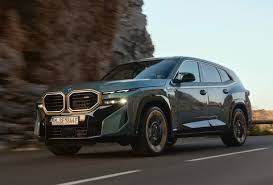
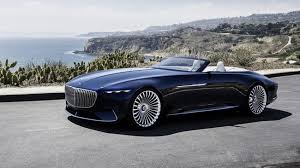
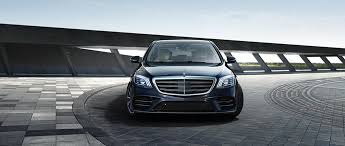
Beyond these extreme hypercars, a category of exceptionally fast, yet more accessible, performance vehicles also commands attention. These models offer blistering speeds and exhilarating driving dynamics, often incorporating advanced technologies while maintaining a degree of practicality.
In the realm of high-performance luxury sedans and coupes, the Mercedes-AMG GT stands out. The latest iteration builds upon the strengths of its predecessor, amplifying the driving experience, aesthetics, and practicality. Its 4.0-liter twin-turbocharged V8 engine, producing 585 horsepower, provides a sonorous soundtrack and exhilarating performance, enabling a top speed of 196 mph (315 km/h). This vehicle masterfully blends aggressive performance with everyday usability, making it a compelling choice for discerning drivers.
For those who appreciate the blend of sedan practicality and blistering performance, the Alfa Romeo Giulia Quadrifoglio is an exceptional offering. This twin-turbo V6 saloon delivers a potent 510 horsepower exclusively to the rear wheels. It achieves a top speed of 191 mph (307 km/h) and can be comfortably used for school runs, albeit with a rather raucous exhaust note that might surprise onlookers. Its spirited character and engaging driving dynamics make it a standout in its class.
The BMW M8 Competition represents a formidable grand tourer, equally at home on a race track as it is on a cross-continental journey. With the optional M Driver’s Package, it can exceed 190 mph (306 km/h). However, the M8 Competition is not merely a stripped-down performance machine; it is replete with luxurious appointments, an advanced infotainment system, and exceptional comfort, offering a refined and powerful driving experience.
For enthusiasts seeking an alternative to the established German GT cars, the Audi RS7 Performance presents a compelling option. Sharing a 4.0-liter V8 engine with its BMW counterpart, it delivers impressive performance, though its top speed falls slightly short of the M8 Competition. Nevertheless, in direct comparisons, such as quarter-mile drag races, the RS7 has demonstrated its capability, often emerging victorious. Its blend of aggressive styling and potent performance makes it a highly desirable GT car.
Finally, the Lexus LC500 offers a more left-field, yet equally captivating, choice. This gorgeously styled coupe is powered by a magnificent V8 engine, producing ample power for its respectable 168 mph (270 km/h) top speed and a 0-60 mph time of 4.6 seconds. The interior provides a luxurious and comfortable environment for long journeys, ensuring that performance does not come at the expense of refinement. The LC500 is a statement piece, combining striking design with a thrilling driving experience.
The ongoing pursuit of automotive velocity is a dynamic and exhilarating field. Whether it’s the record-breaking attempts of the Koenigsegg Jesko Absolut, the electric revolution spearheaded by the Yangwang U9 Xtreme, or the refined performance of luxury GTs, each vehicle represents a unique facet of automotive excellence. As an industry expert, I’m constantly impressed by the ingenuity and passion driving these advancements. The future promises even more astonishing feats, with emerging technologies and an insatiable human desire to go faster.
If the allure of unparalleled speed and cutting-edge automotive engineering has captured your imagination, the next step is to explore these marvels firsthand. Discover which of these apex predators aligns with your own definition of automotive perfection and embark on a journey into the extraordinary world of the fastest cars on the planet.