
Having spent over a decade deeply immersed in the nuances of premium SUV market trends, best luxury sedan offerings, and the very essence of German engineering, I can confidently say that the choice between BMW and Mercedes-Benz is more complex and personal than ever. Both have adapted brilliantly to the demands of the modern driver, yet their core philosophies, forged over a century of innovation, continue to distinguish them. One champions the thrill of the drive; the other, the serenity of the journey. Let’s dive deep into their current offerings and see how they stack up.
The Heart of the Machine: Performance and Driving Dynamics
When it comes to raw, exhilarating driving dynamics, BMW has historically held the crown, proudly marketing itself as “The Ultimate Driving Machine.” In 2025, this ethos remains largely intact, even as electrification transforms powertrains.
Take, for instance, the luxury sports cars segment. BMW’s M division continues to redefine performance. The M3 and M4, now available with advanced hybrid powertrains, deliver a visceral experience that few can match, blending formidable horsepower with finely tuned chassis and razor-sharp steering feedback. The M2, in particular, harks back to BMW’s purist roots, offering an unadulterated connection between driver and road. Even their electric performance variants, like the i4 M50 and the forthcoming i7 M70, are engineered to thrill, showcasing impressive acceleration figures and agile handling for their size. BMW’s commitment to balanced weight distribution, precise steering, and responsive transmissions (even the virtual ones in EVs) makes their vehicles exceptionally engaging.
Mercedes-Benz, while also offering stunning performance luxury vehicles through its AMG division, approaches performance with a different emphasis. AMG models like the GT Coupe and the SL Roadster are breathtakingly fast and incredibly potent, often boasting more horsepower than their BMW counterparts. However, their character leans more towards grand touring—effortless power delivery, supreme stability at high speeds, and a sense of cultivated urgency rather than raw, edgy sportiness. The EQS AMG, for example, is a testament to electric power, silently surging forward with immense force, yet retaining Mercedes’ signature smooth ride. For the average driver, a Mercedes often feels more insulated, the power delivered with an almost serene detachment, whereas a BMW wants you to feel every revolution and every curve.
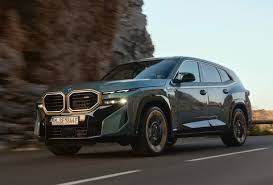
In the SUV realm, BMW’s X3, X5, and X7 continue to offer remarkably athletic handling for their classes, defying their size with nimble responses. The X5, especially with optional adaptive suspension, feels remarkably composed on twisty roads. Mercedes’ GLE and GLS, while powerful, prioritize a plush, commanding ride, absorbing road imperfections with masterful ease. For those who enjoy spirited driving, even in a family hauler, BMW still has a slight edge in this category.
Sanctuary on Wheels: Interior and Comfort
If BMW reigns in dynamic prowess, Mercedes-Benz unequivocally sets the benchmark for opulent interiors and passenger comfort. Stepping into a Mercedes-Benz, particularly an E-Class or, the gold standard, an S-Class, is akin to entering a meticulously crafted lounge.
By 2025, Mercedes’ MBUX infotainment system, with its intuitive voice control (“Hey Mercedes”) and stunning Hyperscreen displays in models like the EQS and EQE, has evolved into a seamless digital butler. The quality of materials—supple leathers, open-pore woods, intricate metal trim—is consistently top-tier across the lineup. Seating comfort is paramount, with multi-contour seats offering a dizzying array of adjustments, massage functions, and even subtle scent dispersal. The cabin’s ability to isolate occupants from the outside world, creating a whisper-quiet haven, is truly remarkable. From the subtle ambient lighting that transforms the atmosphere to the meticulously dampened switchgear, every detail speaks to a commitment to sensory indulgence. Even in their smaller vehicles like the C-Class or the GLA, there’s a tangible sense of refinement that punches above their weight.
BMW’s interiors, while undeniably premium and technologically advanced, have a different focus. They are driver-centric, with controls ergonomically placed for easy access and infotainment systems like iDrive, now in its eighth or ninth generation, tailored for quick interaction. Models like the i7 showcase incredible technological leaps, including a massive 31-inch “Theater Screen” for rear passengers, turning the cabin into a mobile cinema. The build quality in BMWs like the X1, X3, and the flagship 7 Series is excellent, with solid fit and finish. However, compared to Mercedes-Benz, the overall aesthetic might be perceived as more functional and less overtly extravagant. While comfortable, BMW seats, even in their higher trims, tend to be more supportive for dynamic driving rather than purely plush for long hauls. The ambiance is one of sophisticated efficiency and modern luxury, rather than pure, unadulterated opulence.
The Charge Forward: Technology and Electric Vehicle Innovation
Both brands are heavily invested in electric vehicle innovation, transforming their traditional lineups into electric powerhouses. The pace of change is astonishing, even by 2025 standards, and both Germans are at the forefront.
BMW’s approach to EVs, spearheaded by its “Neue Klasse” architecture set to debut more broadly around 2025-2026, aims to integrate electric propulsion seamlessly with its signature driving dynamics. Models like the iX, BMW’s dedicated electric SUV, are prime examples of this philosophy. The iX boasts cutting-edge technology, powerful acceleration, and a spacious, minimalist yet functional interior, complete with a massive curved display. The i4 and i7 demonstrate BMW’s strategy of offering electric versions of its core sedans, ensuring a familiar experience with an electric twist. BMW’s focus is on range, charging speed, and maintaining that “Ultimate Driving Machine” feel, even with a battery pack. Their iDrive system for EVs is constantly learning and adapting, offering predictive routes and charging stops.
Mercedes-Benz, on the other hand, has gone all-in with its EQ sub-brand, creating distinct electric platforms that prioritize luxury, range, and advanced connectivity. The EQS and EQE sedans and SUVs are paragons of electric luxury, offering serene rides, impressive ranges, and some of the most technologically advanced cabins on the market. Their seamless, aerodynamic designs maximize efficiency, and the Hyperscreen, integrating three massive displays across the dashboard, is a technological marvel. Mercedes also emphasizes bidirectional charging capabilities and smart energy management to seamlessly integrate EVs into a connected home ecosystem. While their initial naming conventions for some EQ models caused a bit of confusion, by 2025, the lineup is more streamlined and recognizable, emphasizing comfort, range, and a futuristic, digital experience.
When it comes to advanced driver-assist systems (ADAS), both brands are fiercely competitive. Features like adaptive cruise control, lane-keeping assist, automated parking, and advanced highway assist systems are standard or widely available. By 2025, Level 2+ autonomous driving features are refined, offering hands-free driving in specific conditions. Mercedes’ Drive Pilot, offering conditional Level 3 autonomy in certain markets, is a testament to their commitment to pushing the boundaries of automated driving, allowing the driver to disengage more fully under specific parameters. BMW’s equivalent systems are equally sophisticated, focusing on maintaining driver engagement while enhancing safety and convenience.
Peace of Mind: Safety and Reliability
Safety is non-negotiable in the luxury segment, and both BMW and Mercedes-Benz consistently earn top marks from safety organizations. Their vehicles are constructed with high-strength materials and packed with airbags, offering formidable protection in a collision.
BMW’s lineup, including the 2 Series, 3 Series, 5 Series, and X3, frequently achieve near-perfect safety ratings. Their standard suite of safety technologies, including forward collision avoidance, lane departure warning, blind-spot monitoring, and sophisticated emergency braking systems, is comprehensive. The integration of these systems is typically subtle, intervening only when necessary, maintaining BMW’s driver-centric philosophy.
Mercedes-Benz models like the C-Class, E-Class, GLC, and GLE also perform exceptionally well. Their Pre-Safe system, which prepares the vehicle and occupants for an imminent collision, is a hallmark of Mercedes’ proactive safety approach. Features like active lane change assist, traffic sign assist, and robust pedestrian detection systems are meticulously integrated, working in harmony to enhance safety without being intrusive.
Regarding reliability luxury cars, it’s a category that often draws scrutiny. Both brands, despite their technological complexity, have made significant strides. Historically, German luxury cars have sometimes been perceived as more maintenance-intensive, but modern engineering and better manufacturing processes have improved this. While reliability scores can fluctuate year-to-year and model-to-model, BMW has shown a slight edge in recent surveys, with more of its models consistently scoring “Great” or “Above Average” in predicted reliability ratings by J.D. Power. Models like the X1, X3, 2 Series, and 7 Series have shown commendable dependability. Mercedes-Benz, while improving, still has fewer models reporting, with the E-Class and GLE often being the standout performers. Both brands offer competitive four-year/50,000-mile comprehensive warranties. For EVs, battery warranties are crucial, with Mercedes offering a generous 10-year/155,000-mile coverage, slightly surpassing BMW’s 8-year/100,000-mile warranty.
The Bottom Line: Value and Ownership Experience
When evaluating the overall luxury car ownership cost, it’s not just about the sticker price. Depreciation, insurance, maintenance, and fuel/charging costs all play a role. Both BMW and Mercedes-Benz command premium prices, but they also tend to hold their resale value luxury cars relatively well, especially well-maintained models.
BMW often appeals to the enthusiast buyer who prioritizes driving engagement above all else. Their lineup is broad, catering to everyone from the urban commuter seeking a nimble X1 to the executive desiring a sophisticated yet sporty 5 Series. The brand’s focus on performance, even in its mainstream models, creates a distinct value proposition for those who truly love to drive.
Mercedes-Benz appeals to those who prioritize comfort, prestige, and cutting-edge technology wrapped in an undeniably elegant package. The sheer luxury and technological marvel of a Mercedes cabin, combined with its refined ride, offers a compelling experience for passengers and drivers alike. The brand image is one of established elegance and innovation.
Who Takes the Crown in 2025?
In the dynamic arena of 2025, both BMW and Mercedes-Benz continue to deliver exceptional luxury vehicles, each with a distinct personality. After dissecting their strengths across various crucial categories, the verdict, while incredibly close, leans slightly in favor of BMW for overall segment wins.
Luxury Compact SUVs: BMW X3 continues to impress with its blend of practicality and athleticism, often outpacing the GLB and even the GLC.
Luxury Electric Cars: BMW’s i4 and i7, combining performance with electric efficiency, often edge out Mercedes’ EQE and EQS sedans in driver engagement.
Luxury Electric SUVs: The BMW iX, with its unique design and robust performance, offers a compelling package, arguably more refined than the early EQB or even the pricy EQS SUV.
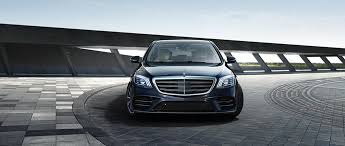
Luxury Large Cars: Mercedes-Benz S-Class remains the undisputed king, a masterclass in comfort, technology, and sheer opulence, narrowly surpassing the impressive BMW 7 Series.
Luxury Large SUVs: The BMW X7 adeptly scales BMW’s attributes into a refined three-row hauler, often preferred over the GLS for its overall balance, though the G-Class is an iconic niche vehicle.
Luxury Midsize Cars: A tie. The Mercedes-Benz E-Class excels in comfort and tech, while the BMW 5 Series, despite some tweaks to its renowned athleticism, still offers strong performance.
Luxury Midsize SUVs: Mercedes-Benz GLE stands out with its refined cabin and balanced ride, slightly ahead of the capable BMW X5.
Luxury Small Cars: The BMW 3 Series, a perennial favorite, maintains its edge in driving fun and practicality over the comfortable but less engaging Mercedes-Benz C-Class.
Luxury Sports Cars: BMW’s M division, with its pure performance machines like the M2, M3, and M4, often offers a more focused, exhilarating experience than Mercedes’ GT or SL, which lean towards grand touring.
Luxury Subcompact SUVs: The BMW X1 is a standout, blending smart packaging with engaging dynamics, outperforming the Mercedes-Benz GLA.
Safety: BMW consistently achieves excellent safety ratings across more of its models.
Performance: BMW, with its unwavering commitment to “The Ultimate Driving Machine,” generally offers a more engaging and sporty experience across its portfolio.
Reliability: BMW has shown slightly more consistent predicted reliability scores across a wider range of its models.
Interior: Mercedes-Benz continues to set the industry standard for luxurious, comfortable, and technologically immersive cabins.
Ultimately, the choice between BMW and Mercedes-Benz in 2025 is a reflection of personal priorities. If you are a driver who cherishes the feel of the road, the thrill of acceleration, and a direct connection to your machine, BMW likely aligns more closely with your desires. If, however, you seek a sanctuary of unparalleled comfort, cutting-edge infotainment, and a serene, opulent journey, then a Mercedes-Benz will undoubtedly captivate you. Both brands represent the pinnacle of German engineering, pushing the boundaries of automotive excellence, and ensuring that the luxury segment remains a playground of innovation for years to come.