
Choosing between a BMW and a Mercedes-Benz isn’t just about picking a car; it’s about aligning with a philosophy. Are you drawn to the visceral thrill of “The Ultimate Driving Machine,” or do you prefer the serene comfort and opulent refinement of a vehicle designed to pamper? Let’s dive deep into a segment-by-segment analysis, examining where each brand excels in the current automotive climate and helping you decide which badge truly earns its place in your garage. Our goal is to provide an in-depth, expert-led comparison that transcends mere specifications, focusing on the real-world experience and long-term ownership value of these magnificent machines.
The Foundational Philosophies: Driving Dynamics vs. Luxurious Comfort
Before we dissect individual models, it’s crucial to understand the core identities that have defined BMW and Mercedes-Benz for generations. BMW, historically, has championed a driver-centric approach. Its vehicles are engineered to connect the driver to the road with precision steering, balanced chassis, and responsive powertrains. The focus remains on engagement, agility, and a sporty driving experience, even in its larger, more luxurious models. For those who consider driving an art form, a BMW often speaks to their soul. This commitment to superior driving dynamics is evident across their entire lineup, from the nimble 2 Series to the commanding X7.
Mercedes-Benz, on the other hand, has carved its niche as the epitome of refined luxury and unparalleled comfort. Its cabins are often sanctuaries, meticulously crafted with exquisite materials, advanced acoustic dampening, and ergonomic design that prioritizes passenger well-being. The ride quality is typically smoother, gliding over imperfections, and the overall experience is one of serene sophistication. Mercedes-Benz excels at creating an environment where every journey feels like a first-class experience, making it a strong contender for those prioritizing premium car interiors and a cosseting ride. This approach has positioned them as a leader in executive sedans and family haulers alike.
However, the lines are blurring in 2025. BMW has undeniably upped its game in interior luxury and technology, while Mercedes-Benz has injected more sportiness into many of its offerings, especially through its AMG sub-brand. This evolution makes the comparison even more intriguing.
Luxury Compact SUVs: Agile Urban Explorers
The compact luxury SUV segment is a fiercely contested battleground, reflecting the ongoing consumer shift towards versatile, elevated vehicles. In 2025, BMW continues to dominate here, largely thanks to its X3. The latest X3 models (including the highly popular xDrive30e plug-in hybrid) maintain BMW’s reputation for athletic handling, delivering a spirited driving experience that belies its SUV form factor. Its cabin is spacious, intelligently designed, and now integrates an even more intuitive iDrive infotainment system, making it a top choice for families and enthusiasts alike. The X4, its coupé-styled sibling, offers a sportier aesthetic and handling for those willing to trade some practicality for style.
Mercedes-Benz fields the GLB and GLC. The GLB, with its distinctive boxy styling, offers an optional third row, a unique selling proposition in this class, and boasts a well-appointed interior. The GLC, however, is the direct competitor to the X3, offering a plush, quiet cabin and efficient powertrain options. While the GLC provides an undeniably comfortable and elegant experience, the X3’s superior blend of driver engagement, dynamic capability, and robust powertrain options often gives it the edge in overall satisfaction for a broader range of buyers. For those seeking a luxury SUV that genuinely thrills behind the wheel, BMW’s offerings remain a benchmark.
Luxury Electric Cars: The Silent Revolution
The electrification race is in full swing, and both BMW and Mercedes-Benz are pouring significant resources into their EV lineups. As of 2025, BMW has made remarkable strides, offering a growing array of compelling electric luxury vehicles. The BMW i7, an electric counterpart to the iconic 7 Series, stands out as a true flagship. It combines audacious, futuristic styling with exhilarating performance and an interior that is nothing short of a technological marvel, complete with a massive Theatre Screen for rear passengers. The i4, essentially an electric 4 Series Gran Coupe, continues to impress with its engaging driving dynamics and premium feel, proving that electric doesn’t mean sacrificing BMW’s core ethos.
Mercedes-Benz, with its EQ series, has focused heavily on creating bespoke EV platforms. The EQE Sedan and EQS Sedan are known for their serene driving experiences, ultra-quiet cabins, and the stunning Hyperscreen infotainment system. While they offer unparalleled luxury and technological spectacle, the EQS can be quite pricey, and the naming convention can still be a bit perplexing for consumers. BMW’s strategy of electrifying existing, beloved models while developing dedicated EV platforms seems to be resonating well, providing a clear value proposition and familiar driving characteristics that ease the transition to electric for many luxury buyers. Their focus on integrating performance into their EVs has made them a strong contender for those looking for the best performance sedans 2025 in an electric package.
Luxury Electric SUVs: Versatility Meets Zero Emissions
The electric SUV market is booming, catering to buyers who want practicality, luxury, and environmental consciousness. Here, BMW’s dedicated EV, the iX, continues to impress. Despite its somewhat polarizing exterior design, the iX delivers astonishing acceleration, a remarkably spacious and functional interior, and cutting-edge technology that feels genuinely futuristic. Its cabin is a masterclass in modern luxury, balancing minimalist design with rich materials and thoughtful features.
Mercedes-Benz offers a broader, though sometimes confusing, range of electric SUVs: the EQB, EQE SUV, and EQS SUV. The EQB is a practical, albeit less luxurious, entry, while the EQE and EQS SUVs mirror their sedan counterparts in terms of opulent interiors and smooth rides. However, some of these models have faced criticism regarding their cargo capacity compared to rivals, and the EQE SUV’s driving range in certain configurations has been noted as merely adequate. While Mercedes-Benz offers immense comfort, the BMW iX’s holistic package of performance, interior space, and technological innovation gives it a distinct advantage in the luxury electric SUV segment. The iX truly redefines what an electric SUV can be, making it a benchmark for automotive technology innovations in the SUV space.
Luxury Large Cars: The Pinnacle of Automotive Grandeur
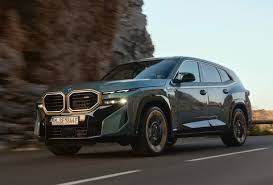
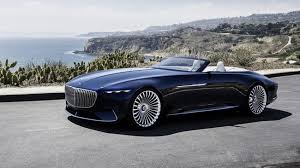
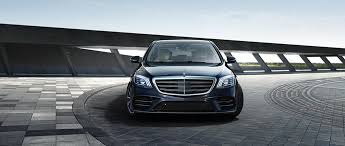
When it comes to full-size luxury sedans, few vehicles in the world command the respect and admiration of the Mercedes-Benz S-Class. For decades, the S-Class has been the undisputed king, a rolling testament to opulence, comfort, and groundbreaking technology. The 2025 S-Class continues this legacy, offering an unrivaled cabin experience that cocoons occupants from the outside world. Its MBUX infotainment system is arguably the most advanced and intuitive in the industry, responding to complex voice commands with uncanny accuracy. It’s a vehicle designed for those who appreciate being chauffeured as much as driving themselves, prioritizing a serene, imperious ride quality.
BMW’s 7 Series, while a magnificent machine in its own right, traditionally plays the role of the sportier alternative. The latest generation (including the electric i7) has embraced a bolder, more avant-garde design and a similarly high-tech interior. It offers more engaging handling and a firmer ride than the S-Class, catering to drivers who still want to feel connected to the road in a large luxury sedan. However, in the pure realm of comfort, refinement, and aspirational luxury, the S-Class retains its crown. It’s the definitive choice for those seeking the ultimate expression of executive sedans 2025.
Luxury Large SUVs: Three-Row Grandeur
The large luxury SUV segment demands space, power, and an uncompromised sense of prestige. BMW’s X7 is a formidable contender here, effectively scaling up the brand’s winning formula to accommodate up to seven passengers in absolute comfort. Its sharp interior design, plush first and second-row seating, and potent powertrains make it a highly desirable choice. While the iDrive system can have a learning curve for newcomers, it’s incredibly powerful once mastered.
Mercedes-Benz counters with the GLS and the iconic, but specialized, G-Class. The GLS is a direct rival to the X7, offering a supremely upscale cabin, a refined ride, and the intuitive MBUX system. It’s a truly excellent vehicle that offers a compelling blend of luxury and capability. The G-Class, while undeniably cool and an off-road legend, sacrifices some on-road refinement and passenger comfort for its rugged capabilities. For the majority of luxury SUV buyers who prioritize on-road dynamics and family comfort, the X7’s blend of practicality, performance, and luxurious appointments often gives it a slight edge over the GLS, providing a more balanced approach to luxury SUV comparison.
Luxury Midsize Cars: The Sweet Spot of Sophistication
The midsize luxury sedan category is arguably one of the most important for both brands, representing a blend of performance, luxury, and practicality that appeals to a wide audience. This segment, in 2025, is often seen as a tie, with both manufacturers bringing exceptional products to the table. The Mercedes-Benz E-Class continues to be a cornerstone, much like its S-Class sibling. It offers a sophisticated, comfortable ride and an interior packed with cutting-edge technology that, while sometimes overwhelming, always impresses. Its suite of driver assistance systems is among the best in the business, making long journeys effortless. Mercedes also offers the handsome CLE coupe/cabriolet for those desiring a two-door experience.
BMW’s 5 Series, redesigned for recent model years, remains a benchmark for dynamic driving in its class. While some purists argue it has softened slightly compared to its predecessors, it still delivers the punchy performance and engaging handling BMW is known for. Its cabin has significantly improved, now offering a strong blend of luxury and technology. Ultimately, the choice here often comes down to preference: the E-Class for its serene comfort and technological showmanship, or the 5 Series for its engaging athleticism. Both represent an exceptional value in German luxury brands.
Luxury Midsize SUVs: Family-Friendly Grandeur
The midsize luxury SUV segment is a hugely competitive space, with offerings from both brands consistently ranking at the top. The Mercedes-Benz GLE often leads this class (alongside formidable competitors like the Porsche Cayenne). The GLE excels with a supremely spacious and refined cabin that seamlessly integrates modern technology without being overly flashy. Its updated infotainment and standard all-wheel drive for 2025, alongside a new plug-in hybrid option, make it an incredibly versatile and appealing choice for families.
BMW’s X5 is an equally revered vehicle in this category, offering an upscale interior and more athletic handling than its Mercedes counterpart. Its powerful engine options and an expanding list of advanced features (like active lane-change assist for 2025) keep it fiercely competitive. The X6, BMW’s fastback variant, and Mercedes’ GLE Coupe (like the GLE 53) cater to those who prioritize style. In this segment, the GLE’s slightly more comfortable ride and user-friendly tech often give it a narrow victory for the average luxury buyer, while the X5 remains the pick for those who value driving engagement above all else.
Luxury Small Cars: Entry Point to Excellence
For many, the small luxury car segment is their first foray into the world of BMW and Mercedes-Benz. Here, the BMW 3 Series has long been the gold standard, and its 2025 iteration continues to impress. It’s fun to drive, offers powerful engines, a surprisingly spacious interior, and a decent-sized trunk for its class. It embodies the essence of “The Ultimate Driving Machine” in a more accessible package. BMW also offers the sporty 2 Series coupe and the versatile 4 Series (coupe, convertible, Gran Coupe) for those seeking different body styles.
Mercedes-Benz’s C-Class is a strong contender, offering a more comfortable ride and an interior that punches above its weight in terms of luxury and technology, drawing heavily from the S-Class design language. The CLA, as Mercedes’ entry-level sedan, also packs a lot of tech and style into a nimble package. While the C-Class is commendable, the 3 Series’ superior driving dynamics and overall engagement often make it the more compelling choice for enthusiasts. It’s a prime example of a vehicle setting the standard for sports car driving dynamics in a sedan body.
Luxury Sports Cars: Pure Adrenaline
When the conversation shifts to luxury sports cars, BMW typically holds a slight edge, especially for those seeking raw, unadulterated performance. BMW’s M division offers a diverse range of high-performance vehicles, from the legendary M3 sedan and M4 coupe to the incredibly agile M2. These cars are engineered for track performance while remaining street-legal and luxurious. The Z4 roadster provides an open-air, engaging driving experience that harks back to classic sports car motoring.
Mercedes-Benz, through its AMG division, also produces formidable performance machines, including dedicated sports cars like the AMG GT, which is exhilarating to drive. The SL roadster offers a more grand-touring focused experience, blending speed with luxurious comfort for long-distance journeys. While Mercedes-Benz offers compelling choices, BMW’s M cars are often lauded for their purer connection to the driving experience, making them a consistent winner for enthusiasts prioritizing performance above all else. This segment is where the BMW M-series performance truly shines.
Luxury Subcompact SUVs: The Urban Conquerors
In the burgeoning luxury subcompact SUV market, the BMW X1 reigns supreme. The latest X1 makes excellent use of its compact dimensions, offering a surprisingly spacious and meticulously crafted cabin, equipped with a generous list of standard features. Its handling strikes an impressive balance between comfort for city driving and responsiveness on twisty roads, a hallmark of BMW engineering. The X2, its sportier sibling, trades some cargo space for a sleeker profile and engaging drive.
Mercedes-Benz’s GLA, while fun to drive and featuring an upscale cabin, often ranks mid-pack among its peers. It’s a stylish and capable vehicle, but it doesn’t quite match the X1’s overall refinement, interior utility, or compelling standard feature list. The X1’s blend of practicality, spirited driving, and premium feel makes it the standout choice for those navigating urban jungles with a need for luxury and versatility.
Safety: Advanced Protection for Precious Cargo
Both BMW and Mercedes-Benz are at the forefront of automotive safety, equipping their vehicles with comprehensive suites of high-end car safety features and advanced driver assistance systems (ADAS). BMW has consistently achieved stellar safety ratings across its conventional lineup, with models like the 2 Series, 3 Series, 5 Series, and X3 often receiving top marks from independent safety organizations. Their systems, including forward collision avoidance, lane-departure warning, and adaptive cruise control, are seamlessly integrated and highly effective.
Mercedes-Benz is equally committed to safety, with models like the C-Class, E-Class, GLC-Class, and GLE-Class performing exceptionally well in crash tests and offering equally robust ADAS packages. Their PRE-SAFE system, which anticipates a collision and prepares the vehicle and occupants, is a testament to their proactive approach. While specific EV models from both brands may still be undergoing evaluation due to their newer market presence, it’s clear that both manufacturers prioritize occupant protection. BMW often edges out in terms of the sheer number of models with publicly reported, excellent safety scores, but the difference in overall safety between the two brands is marginal – both offer world-class protection.
Performance: The Thrill of the Drive
BMW has long held the mantle of the “performance brand” among luxury automakers. Its vehicles, from the foundational 3 Series to the executive 7 Series and dynamic 8 Series, are engineered to deliver an exhilarating driving experience. This commitment extends to their burgeoning EV lineup, with the i4, i7, and iX earning high praise for their impressive acceleration and agile handling, redefining expectations for electric performance. The M3 and M4 remain legendary sports car driving dynamics benchmarks.
Mercedes-Benz also offers blistering performance, particularly through its AMG division. The S-Class, with its potent engine options, and dedicated sports cars like the AMG GT and SL, consistently earn high performance ratings. Even their EQS sedan, with its instantaneous electric torque, offers thrilling acceleration. However, some entry-level Mercedes models like the GLA and GLB prioritize value and comfort over raw performance. While both brands offer incredible speed and handling, BMW’s dedication to making every vehicle an engaging driving machine, regardless of segment, gives it a slight edge in overall performance across the lineup.
Reliability: Built to Last
Reliability can be a complex metric for luxury brands, as cutting-edge technology can sometimes introduce more potential points of failure. Both BMW and Mercedes-Benz vehicles are engineered to high standards, but consistency in reliability scores can vary. Generally, BMW has seen slightly better and more consistent reliability ratings across a wider range of its models, as reported by consumer surveys and organizations like J.D. Power. For instance, in 2025, models like the X3, X1, 2 Series, and 7 Series frequently score in the “Great” category (81-90 out of 100), placing BMW’s brand average slightly above Mercedes-Benz.
Mercedes-Benz models, while certainly durable, sometimes show more variability in their scores, with some models performing exceptionally (like the E-Class often earning an 81) while others might fall closer to “Average.” Both brands offer a standard four-year/50,000-mile powertrain warranty. Importantly, EV battery warranty coverage differs: BMW typically offers eight-year/100,000-mile coverage, while Mercedes-Benz often extends this to 10 years/155,000 miles on their EV battery packs, a significant consideration for potential electric luxury vehicle owners. While both are premium products, BMW generally demonstrates a slight advantage in consistent overall reliability across its conventional powertrain lineup.
Interior: The Sanctuary of Luxury
If BMW is the king of driving dynamics, then Mercedes-Benz is undeniably the master of the automotive interior. From the moment you open the door, a Mercedes-Benz cabin envelopes you in an atmosphere of unparalleled luxury, meticulous craftsmanship, and cutting-edge design. Models like the GLE, GLS, E-Class, and the gold-standard S-Class consistently set the industry benchmark for premium car interiors. The fit, finish, material quality (leather, wood, metal accents), and ambient lighting are often a step above, creating an environment that feels both inviting and incredibly sophisticated. The MBUX infotainment system is also a highlight, seamlessly blending high-resolution displays with intuitive controls and voice commands.
BMW has significantly improved its interiors in recent years, with models like the X1, X3, and i7 boasting outstanding cabins in terms of build quality, modern design, and technological integration. The iDrive system, while powerful, can still feel more driver-focused and less immediately intuitive than MBUX for some. While BMW offers highly refined and functional interiors, they generally don’t quite reach the same level of lavishness, sensory delight, and sheer opulence that Mercedes-Benz consistently delivers across its range. For those who spend countless hours in their vehicle and crave an utterly luxurious and comforting environment, Mercedes-Benz remains the undisputed champion.
The Verdict in 2025: A Tale of Two Tastes
After a comprehensive head-to-head analysis in 2025, the winner in the ultimate German luxury car showdown remains a nuanced one, often hinging on individual priorities. However, if we tally the segments where one brand demonstrably excels, BMW edges out Mercedes-Benz in more categories.
BMW’s Strengths:
Driving Dynamics & Performance: Consistently delivers an engaging, driver-centric experience across its lineup, including its excellent M models and impressive electric performance vehicles.
Electric Vehicle Lineup (Driving Experience): BMW’s EVs often blend performance with usability more seamlessly, making the transition to electric smoother for many.
Compact & Subcompact Segments: Dominates the smaller SUV and car segments with a superior blend of practicality, performance, and luxury.
Overall Reliability: Tends to show more consistent strong reliability scores across a wider range of models.
Mercedes-Benz’s Strengths:
Interior Luxury & Comfort: Sets the industry standard for opulent, technologically advanced, and comfortable cabins, particularly in its E-Class and S-Class.
Large Luxury Sedans: The S-Class remains the undisputed benchmark for ultimate automotive luxury.
Technological Sophistication (Infotainment): MBUX is incredibly intuitive and visually stunning.
In essence, BMW has demonstrated that it can deliver vehicles that are not only incredibly engaging to drive but also highly refined, packed with cutting-edge technology, and increasingly luxurious. Mercedes-Benz, meanwhile, continues its reign in ultimate comfort, setting the bar for world-class interiors and sophisticated refinement.
As the automotive industry continues its rapid evolution, particularly in the realm of electrification and autonomous driving, it will be fascinating to observe how these two iconic brands adapt and innovate. But for the discerning luxury buyer in 2025, if your heart yearns for the thrill of the drive and a potent blend of performance with premium quality, BMW likely holds the key. If, however, your ideal journey is one of serene comfort, unparalleled luxury, and technological grandeur, Mercedes-Benz stands ready to whisk you away. The choice isn’t merely about buying a car; it’s about embracing a lifestyle.