
Having immersed myself in the automotive world for over a decade, I’ve witnessed firsthand the incredible innovations from both Munich and Stuttgart. While BMW has long championed “The Ultimate Driving Machine” with its focus on dynamic performance and driver engagement, Mercedes-Benz has meticulously crafted “The Best or Nothing,” prioritizing unparalleled comfort, opulent interiors, and pioneering technological sophistication. In 2025, this traditional divergence still holds, yet both brands are increasingly encroaching on each other’s territory, making the decision more nuanced than ever. Let’s peel back the layers and analyze how BMW and Mercedes-Benz stack up across various segments and critical performance indicators in the current automotive climate.
The Evolving Core Philosophies: Performance Meets Plush
BMW’s relentless pursuit of driving exhilaration remains a cornerstone of its identity. Even as it embraces electrification, the brand ensures that vehicles like the i4 M50 or the upcoming 2026 iM3 deliver an immediate, visceral connection to the road. Their chassis tuning, responsive steering, and potent powertrains, whether internal combustion or electric, are designed to put the driver squarely at the center of the experience. This focus is particularly evident in their M performance division, which continues to set benchmarks for high-performance luxury vehicles. For those who prioritize the thrill of the drive, BMW often presents a compelling argument, making it a strong contender in high-performance luxury vehicles discussions.
Mercedes-Benz, on the other hand, continues to redefine automotive luxury through its unwavering commitment to comfort, sophistication, and cutting-edge innovation. Stepping into a Mercedes-Benz cabin often feels like entering a sanctuary, adorned with premium materials, exquisite craftsmanship, and intuitive technology designed to pamper occupants. The MBUX infotainment system, now more refined than ever, is a testament to their dedication to user-friendly yet deeply integrated digital experiences. Their AMG division also offers blistering performance, but even these high-octane machines often retain a core sense of refined comfort that distinguishes them from their BMW counterparts. For discerning buyers prioritizing an unparalleled ownership experience, Mercedes-Benz offers compelling luxury car financing options that cater to sophisticated tastes.
Segment-by-Segment Battle: Who Reigns Supreme?
The competition between BMW and Mercedes-Benz is fierce across almost every vehicle category. Here’s a detailed look at how they stack up in 2025:
Luxury Compact SUVs
Winner: BMW
The premium compact SUV segment is a hotbed of competition, and BMW’s offerings continue to impress. The current-generation BMW X3, particularly its xDrive30e variant, stands out with its athletic handling, surprisingly spacious and attractive cabin, and robust powertrain options. It manages to blend practicality with BMW’s characteristic driving verve. The X4, its fastback sibling, offers a more coupe-like aesthetic for those desiring a sportier profile without sacrificing too much utility.
Mercedes-Benz counters with the GLB and GLC. While the GLB offers a unique, boxy aesthetic and available three-row seating, its driving dynamics don’t quite match the X3’s agility. The GLC, with its plush interior and efficient powertrains, is a strong contender, but BMW maintains a slight edge in overall driver engagement and cabin design within this compact footprint.
Luxury Electric Cars
Winner: BMW
The race for electric luxury dominance is heating up, and BMW has made significant strides. The BMW i7, an electric counterpart to the flagship 7 Series, is a bold statement of futuristic luxury. It combines audacious styling with dominant, silent performance and a tech-laden cabin that sets new standards. The i4, particularly the performance-oriented M50, is an electric take on the beloved 4 Series Gran Coupe, offering engaging dynamics and impressive range, making it a strong contender for the best electric luxury car title.
Mercedes-Benz’s EQ lineup, while impressive in its own right, sometimes suffers from a somewhat convoluted naming convention (EQE Sedan, EQS Sedan). Both offer serene driving dynamics and opulent, futuristic cabins, often highlighted by the expansive Hyperscreen. However, BMW’s electric sedans tend to offer a more direct, sporting feel that resonates with traditional luxury car enthusiasts.
Luxury Electric SUVs
Winner: BMW
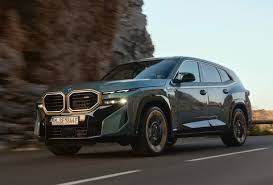
BMW’s electric SUV foray is spearheaded by the iX, a vehicle that, despite its polarizing design, delivers a remarkable package. Its powerful acceleration, spacious and functional interior, and cutting-edge technology make it a formidable player in the premium SUV reviews category. It offers ample room for passengers and cargo, blending utility with sustainable luxury.
Mercedes-Benz offers a broader range with the EQB, EQE SUV, and EQS SUV. The EQB is a practical, electric version of the GLB, while the EQE and EQS SUVs bring elegant interiors and advanced tech. However, some models, like the EQE SUV, have faced criticism for their driving range, and the EQS SUV, while luxurious, comes with a significant price tag and somewhat compromises cargo capacity compared to rivals. BMW’s iX, despite its cost, often feels like a more cohesive and purpose-built luxury EV SUV.
Luxury Large Cars
Winner: Mercedes-Benz
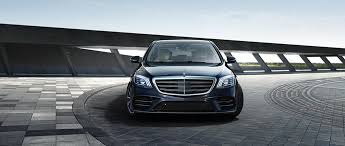
When it comes to the pinnacle of traditional luxury sedans, Mercedes-Benz continues to set the benchmark with the S-Class. The S-Class, in its latest iteration, offers an unrivaled sanctuary of comfort and opulence. Its cabin masterfully shields occupants from the outside world, creating a serene environment, while the advanced MBUX infotainment system with its intuitive voice commands (“Hey, Mercedes…”) is simply brilliant. It’s the definitive statement in luxury sedan comparison.
The BMW 7 Series, while formidable, trails just behind in the subjective realm of sheer comfort and grandeur. It offers a modern, world-class cabin and a powerful, though sometimes complex, iDrive infotainment system. The 7 Series often provides a more engaging driving experience than the S-Class, appealing to those who prefer to be driven, but also enjoy taking the wheel occasionally.
Luxury Large SUVs
Winner: BMW
Scaling up the successful formula of its smaller SUVs, the BMW X7 excels as a three-row luxury machine. It comfortably accommodates up to seven adults with its sharp-looking interior and supremely comfortable first- and second-row seating. The iDrive system, once mastered, is highly capable. The X7 strikes a remarkable balance between imposing presence and refined driving dynamics, making it a popular choice for spacious family SUV needs.
Mercedes-Benz counters with the GLS, a direct competitor to the X7, offering an equally upscale cabin and a refined ride. The G-Class, while iconic and incredibly capable off-road, is more of a niche offering. Its off-road prowess, while impressive, compromises some aspects of on-road luxury and daily usability compared to the more universally appealing X7 and GLS. In terms of overall luxury SUV experience for most buyers, the X7 slightly edges out the GLS.
Luxury Midsize Cars
Winner: Tie
This segment epitomizes the ongoing philosophical debate between the two brands. The Mercedes-Benz E-Class remains a cornerstone, celebrated for its comfortable, refined ride and an intensely high-tech cabin. Its suite of advanced driver-assistance features is comprehensive, though the sheer volume of technology can, at times, feel overwhelming. Mercedes also offers the handsome CLE, a stoutly powered two-door coupe.
The BMW 5 Series, redesigned for 2024, is equally revered. While long celebrated for its athleticism, some purists note a slight softening of steering feedback in the latest generation. Nevertheless, it retains its familiar punch from potent engines and offers a sophisticated driving experience. For those considering luxury sedan lease deals, both the E-Class and 5 Series offer compelling packages, making this category a true draw.
Luxury Midsize SUVs
Winner: Mercedes-Benz
The Mercedes-Benz GLE stands atop this highly competitive category, often alongside rivals like the Porsche Cayenne. It offers a spacious, refined cabin that seamlessly integrates modern technology without becoming overbearing. For 2024 and 2025, updates include standard all-wheel drive, an enhanced infotainment system, and new plug-in hybrid options, further solidifying its appeal.
BMW’s X5 is an equally formidable challenger, boasting an upscale interior and more athletic handling than its Mercedes counterpart. The 2025 X5 adds active lane-change assist to its impressive options list. BMW also offers the X6, a fastback version of the X5, while Mercedes-Benz has the similar GLE Coupe. While the X5 delivers a fantastic blend of luxury and sportiness, the GLE’s ability to combine comfort, technology, and refinement slightly tips the scales in Mercedes’ favor.
Luxury Small Cars
Winner: BMW
The BMW 3 Series has been a benchmark in the small luxury sedan segment for generations, and the current model continues this legacy. It’s incredibly fun to drive, boasts powerful engines, a surprisingly large trunk for its class, and a spacious interior. It’s an easy choice for those seeking an engaging luxury car for daily driving.
The Mercedes-Benz C-Class is a commendable rival, offering a more comfort-oriented experience and a beautifully designed cabin. However, it doesn’t quite match the 3 Series’s overall driver engagement. BMW also provides the sporty 2 Series coupe and the versatile 4 Series (available as a coupe, convertible, or Gran Coupe). Mercedes-Benz’s entry-level CLA, while nimble and tech-rich, doesn’t quite capture the same level of refinement or driving pleasure as the 3 Series.
Luxury Sports Cars
Winner: BMW
When pure performance and exhilarating driving are the priorities, BMW holds a distinct edge in the luxury sports car arena. The M3 and M4 are iconic sport sedans and coupes, respectively, renowned for their potent engines and track-ready dynamics. The M2, in particular, is often lauded as the truest embodiment of BMW’s performance heritage, delivering unfiltered driving pleasure. For open-air enthusiasts, the Z4 roadster offers a blend of flair and engaging performance.
Mercedes-Benz offers dedicated sports cars like the exciting GT and the grand-touring focused SL. While these vehicles provide thrilling experiences, BMW’s M division offers a broader range of truly performance-focused vehicles that often feel more aligned with the “sports car” ethos, especially when considering the lineage and variety of its offerings.
Luxury Subcompact SUVs
Winner: BMW
The BMW X1 effortlessly commands the top spot in the luxury subcompact SUV rankings. It makes excellent use of its compact dimensions, featuring a sharp, well-crafted cabin adorned with a long list of standard features. Its handling dynamics strike a perfect balance between comfort and responsiveness, making it agile in urban environments yet capable on longer journeys. BMW also offers the X2, a sportier, coupe-like variant that sacrifices a bit of cargo space for style.
The Mercedes-Benz GLA ranks mid-pack among its peers. While it’s fun to drive and boasts an upscale interior, it doesn’t quite achieve the same level of refinement as other Mercedes SUVs and often falls short on cargo capacity. The X1 simply offers a more complete and compelling package in this burgeoning segment.
The Broader Context: Safety, Performance, Reliability, and Interior
Beyond segment-specific comparisons, a holistic view of each brand’s offerings provides deeper insight.
Safety
Winner: BMW
Both BMW and Mercedes-Benz vehicles consistently earn stellar safety scores and come equipped with comprehensive suites of advanced automotive technology for driver assistance. Many BMW models, including the 2-Series, 3-Series, 5-Series, and X3, receive top safety ratings, featuring full suites of active safety tech like forward collision avoidance, lane-departure warning, and more sophisticated semi-autonomous driving aids.
Mercedes-Benz’s C-Class, E-Class, GLC-Class, and GLE-Class perform nearly as well, integrating robust safety features into their impressive ADAS packages. It’s worth noting that in 2025, many newer electric vehicles from both brands are still undergoing comprehensive long-term safety evaluations, but initial data indicates strong performance. BMW’s slightly broader array of highly-rated models in conventional crash tests gives it a minor edge in this critical area.
Performance
Winner: BMW
Across the board, BMW continues to impress driving enthusiasts with its unwavering commitment to performance. From its iconic 3-Series to its larger 7-Series and 8-Series luxury cruisers, BMW vehicles are meticulously engineered to excite behind the wheel. The i4, i7, and iX electric models prove that BMW’s performance DNA seamlessly translates to the EV era, earning some of the highest performance scores. The M3 and M4 remain titans in the performance car world.
Mercedes-Benz offers formidable performance through its AMG division and standout models like the S-Class (with its effortless power), the GT, SL, and EQS sedan. However, some entry-level Mercedes models, like the GLA and GLB, prioritize value and efficiency over outright performance. While Mercedes boasts incredible AMG models, BMW’s performance ethos feels more ingrained across its entire lineup, offering engaging driving dynamics even in its more mainstream models.
Reliability
Winner: BMW
Reliability scores for both brands can be a bit varied, but in 2025, BMW generally shows stronger and more consistent predicted reliability data from sources like J.D. Power. A score of 81-90 is considered “Great,” and BMW has several models, including the X3 and X1 (scoring 86), and the 2 Series and 7 Series (scoring 85), that consistently perform well. As a brand, BMW averages a commendable 82.8, with most models having reported scores.
Mercedes-Benz has fewer models with publicly reported reliability scores, averaging around 78. The E-Class often leads its lineup with an 81, followed by the GLA and GLE at 80. While both brands are backed by a competitive four-year/50,000-mile powertrain warranty, Mercedes-Benz offers a slightly longer battery warranty for its EVs (10-year/155,000-mile) compared to BMW’s (eight-year/100,000-mile). Despite this, BMW’s broader and more consistently high reliability scores across its lineup give it the win here, addressing common concerns about BMW service cost and long-term ownership.
Interior
Winner: Mercedes-Benz
If BMW champions performance, Mercedes-Benz undoubtedly sets the industry standard for interior design and comfort. Whether it’s the GLE, GLS, E-Class, or the gold-standard S-Class, Mercedes-Benz interiors are consistently breathtaking. The fit and finish are universally top-notch, often featuring exquisite materials, innovative ambient lighting, and deeply comfortable seats that cocoon occupants. Their MBUX Hyperscreen, available in higher-end models, is a visual and functional marvel that creates a truly futuristic cockpit. Mercedes consistently delivers an unparalleled tactile and visual experience, often considered among the best in the entire industry, making Mercedes-Benz maintenance feel worthwhile for the cabin experience alone.
BMW also offers outstanding cabins, particularly in models like the X1, X3, and i7, which demonstrate excellent build quality and sophisticated design. The iDrive controller and digital displays are highly functional. However, while BMW interiors are highly commendable, they don’t quite reach the same level of opulent artistry, intricate detailing, or sheer “wow” factor that Mercedes-Benz consistently delivers across a broader range of its models.
The Winner Is…
After a thorough examination of their offerings in 2025, the head-to-head battle reveals that BMW emerges as the overall winner, securing more segment victories and winning across critical performance metrics.
BMW has masterfully demonstrated that its vehicles can be engaging to drive, delivering on “The Ultimate Driving Machine” promise, while simultaneously being refined, modern, and laden with cutting-edge technology. Their strong push into electrification has been executed with an emphasis on maintaining their signature driving dynamics, a feat many competitors struggle to achieve. For those who still crave a direct, involving connection to the road, BMW remains the gold standard, making driving experience comparison often favor the Bavarian marque.
Mercedes-Benz, in its unwavering commitment to luxury and comfort, creates world-class interiors that set industry benchmarks. Many of its vehicles define refinement and technological sophistication within their respective segments. The brand offers an unparalleled sense of occasion and tranquility, particularly in its higher-tier models.
As the automotive industry barrels into an even more electrified and autonomous future, it will be fascinating to observe how these two iconic brands continue to innovate and adapt. But for now, if you’re looking for a luxury vehicle that balances exhilarating performance, robust technology, and strong overall value in 2025, BMW holds a slight, yet significant, edge in more vehicle categories, making it a powerful choice in the future of luxury automotive. Ultimately, the “best” car always depends on individual priorities, but BMW currently offers a more universally compelling package for a broader range of discerning buyers.