
A Tale of Two Philosophies: Evolving Legacies
Historically, the distinction between BMW and Mercedes-Benz was clear. BMW, “The Ultimate Driving Machine,” championed exhilarating performance, dynamic handling, and a driver-centric experience. Its vehicles were often lauded for their precise steering, agile chassis, and powerful engines, appealing to enthusiasts who prioritized the thrill of the drive. Mercedes-Benz, on the other hand, cultivated an image of unparalleled comfort, sophisticated elegance, and groundbreaking innovation. Their cabins were sanctuaries of luxury, renowned for their opulent materials, serene ride quality, and pioneering safety features, catering to those who sought refinement and prestige above all else.
In 2025, while these core identities still resonate, both brands have significantly broadened their appeal, blurring the lines in fascinating ways. BMW has undeniably elevated its interior luxury and ride comfort, while Mercedes-Benz has injected a surprising dose of athleticism into many of its models. The battle has evolved from a simple choice between sport and comfort to a complex interplay of premium automotive technology, sustainable practices, and holistic ownership experiences.
Segment Showdown: Who Leads Where?
Let’s dissect the current landscape across various key vehicle categories, examining how each brand positions itself and performs in 2025.
Luxury Compact SUVs:
This segment remains a powerhouse, driven by consumer demand for versatile and stylish urban commuters. BMW’s X3, particularly its X3 xDrive30e PHEV variant, continues to impress with its spacious, attractive cabin, athletic handling, and robust powertrains. Its intuitive iDrive system, now refined for 2025 with enhanced AI capabilities, offers a seamless user experience. The X4, with its distinctive fastback styling, provides a sportier, more engaging alternative.
Mercedes-Benz counters with the GLB and GLC. The GLB offers an appealing, optionally available third row, a unique proposition in this class, making it a strong contender for growing families. The GLC, recently updated, boasts a plush interior and a range of highly fuel-efficient powertrains, including new mild-hybrid and plug-in hybrid options for 2025. While the X3 generally edges out its rivals in overall driving dynamics, the GLB’s practicality and the GLC’s refined cabin make this a fiercely contested category where BMW often takes a slight lead in driver engagement.
Electric Luxury Cars:
The EV revolution is in full swing, and both German giants are deeply invested. BMW’s i7, the electric sibling to the flagship 7 Series, stands out with its bold, futuristic styling, dominant performance, and an interior that is a masterclass in modern luxury. The available 31-inch Theatre Screen in the rear is a standout feature for connected car features. The i4, an electric take on the engaging 4 Series Gran Coupe, continues to impress with its dynamic driving characteristics, mirroring its ICE counterpart’s prowess.
Mercedes-Benz, with its EQE and EQS Sedans, emphasizes serene driving dynamics and opulent, hyper-digital cabins. The EQS, in particular, with its Hyperscreen infotainment system, creates an immersive digital experience unparalleled by rivals. While Mercedes-Benz excels in creating tranquil, high-tech cocoons, BMW’s electric sedans often offer a more direct and engaging driving feel, allowing BMW to maintain a slight edge for performance enthusiasts in the EV space.
Electric Luxury SUVs:
This burgeoning segment is crucial for market share. BMW’s iX, despite its unconventional styling, remains a formidable contender. It offers powerful acceleration, a remarkably spacious and functional interior, and cutting-edge technology that integrates seamlessly into daily life. Its sustainable materials and innovative design push the boundaries of luxury EV architecture.
Mercedes-Benz offers a broader, though sometimes confusingly named, lineup with the EQB, EQE SUV, and EQS SUV. The EQS SUV delivers an elegant interior and a comfortable ride, mirroring its sedan counterpart’s opulence. However, the EQB, while practical, and the EQE SUV, with its merely adequate driving range, occasionally struggle against rivals in terms of overall value and utility. When comparing holistic packages of performance, range, and interior practicality in the electric SUV space, BMW’s iX often emerges as the more compelling option.
Luxury Large Cars:
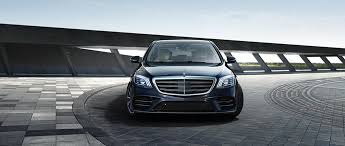
This is Mercedes-Benz’s historic stronghold, and in 2025, the S-Class continues to reign supreme. Often considered the pinnacle of luxury sedans, the S-Class offers an unparalleled sense of comfort and opulence. Its cabin is a serene refuge, insulating occupants from the outside world, complemented by the advanced MBUX infotainment system that understands complex voice commands with remarkable accuracy, elevating the luxury cabin experience.
The BMW 7 Series, refreshed with a striking design and an even more sophisticated interior, finishes closely behind. It presents a modern interpretation of a world-class cabin, complete with an equally powerful, though perhaps initially more complex, iDrive system. While the S-Class prioritizes ultimate comfort and understated prestige, the 7 Series offers a more engaging driving experience for such a large vehicle, blending grand touring with a driver’s edge. However, for sheer, uncompromising luxury and a legacy of innovation, the S-Class still holds a slight lead.
Luxury Large SUVs:
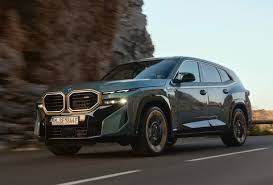
In the realm of three-row luxury, BMW’s X7 scales up the brand’s best attributes into a formidable family hauler. Its sharp-looking interior offers exceptional comfort for the first two rows, and its commanding driving position, combined with surprisingly agile handling for its size, makes it a top choice.
Mercedes-Benz presents the GLS as a direct competitor, offering an equally upscale cabin and a supremely refined ride. The iconic G-Class (G-Wagen), while an aspirational off-road machine, remains a niche product where its overlanding capabilities slightly compromise its on-road luxury and efficiency compared to rivals. For a balance of luxury, practicality, and dynamic prowess in the mainstream large SUV segment, the BMW X7 often sets the standard.
Luxury Midsize Cars:
This segment often represents the sweet spot for many luxury buyers, blending performance, comfort, and advanced features. The Mercedes-Benz E-Class, much like its S-Class sibling, stands out as a cornerstone. For 2025, it continues its tradition of a comfortable, refined ride and a high-tech cabin, now featuring even more integrated advanced driver assistance systems (ADAS). Mercedes also offers the CLE, a handsome two-door coupe/cabriolet that blends stout powertrains with elegant design.
BMW’s 5 Series, redesigned for 2024 and further refined for 2025, remains a highly regarded contender. While some purists argue it has evolved from its predecessors’ razor-sharp steering feedback, it still delivers the familiar punch from its potent engine lineup and offers a more balanced blend of comfort and athleticism. This segment is often too close to call, with both brands offering compelling visions of midsize luxury, leading to a well-deserved tie.
Luxury Midsize SUVs:
Another critical segment, the Mercedes-Benz GLE continues to be a benchmark. For 2025, it boasts standard all-wheel drive, an updated MBUX system with predictive AI, and an impressive range of powertrain options, including sophisticated plug-in hybrids. Its spacious and refined cabin effortlessly blends modern technology without overwhelming the driver.
The BMW X5 is equally revered, offering an upscale interior and more athletic handling than its Mercedes counterpart. For 2025, the X5 has seen further refinements in its chassis and a broader suite of active safety features, including advanced lane-change assist. Both brands also offer fastback coupe versions (BMW X6 and Mercedes-Benz GLE Coupe), catering to those who prioritize style. The GLE often wins accolades for its sheer ride comfort and luxurious ambiance, granting Mercedes-Benz the slight edge here.
Luxury Small Cars:
The BMW 3 Series has long been the definitive small luxury sedan, and in 2025, it maintains its reputation. It’s fun to drive, offers powerful engines, a surprisingly spacious interior, and a substantial trunk for its class. BMW also offers the sporty 2 Series coupe and the versatile 4 Series (coupe, convertible, and Gran Coupe).
The Mercedes-Benz C-Class is a commendable rival, focusing more on comfort and mini-S-Class luxury. While its cabin is exceptionally refined, it doesn’t quite match the 3 Series’ engaging driving dynamics. Mercedes-Benz’s entry-level CLA also provides a nimble, tech-rich package with a sharp design. For pure driving enjoyment and a connected feel on the road, BMW’s small car offerings typically lead the pack.
Luxury Sports Cars:
When it comes to pure driving exhilaration, BMW’s M division shines. The M3 and M4 continue their legendary status as high-performance sport sedans and coupes, while the M2 offers a more raw, visceral experience, perhaps the truest embodiment of BMW’s “Ultimate Driving Machine” ethos. The Z4 roadster provides open-air flair and nimble handling.
Mercedes-Benz counters with dedicated sports cars like the exciting GT and the grand-touring focused SL. These models offer potent performance and exquisite luxury, but BMW’s broader range of performance variants across its core models, combined with the pure-bred dynamism of the M cars, often gives it the winning edge in this category. For sheer high-performance sports cars, BMW’s lineup offers a more diverse and arguably more accessible range of thrills.
Luxury Subcompact SUVs:
The BMW X1 stands atop this growing segment, making exceptional use of its compact footprint. It boasts a sharp, well-crafted cabin with a long list of standard features, and its handling dynamics strike a superb blend of comfort and responsiveness. The X2 offers a sportier, more coupe-like alternative.
The Mercedes-Benz GLA, while fun to drive and featuring an upscale cabin, ranks mid-pack. It’s slightly less refined than other Mercedes SUVs and often criticized for its cargo space. For a well-rounded package that delivers on luxury, practicality, and driving enjoyment in a small footprint, BMW’s X1 typically leads the class.
Thematic Deep Dive: Beyond the Segments
Safety:
Both brands are at the forefront of automotive safety, integrating comprehensive suites of advanced driver assistance systems (ADAS). Features like predictive collision avoidance, sophisticated lane-keeping assistance, and adaptive cruise control are standard or widely available. BMW models like the 2, 3, 5 Series, and X3 consistently achieve top safety ratings. Mercedes-Benz’s C-Class, E-Class, GLC, and GLE also perform exceptionally well. For 2025, both brands are actively exploring Level 3 autonomous driving capabilities in select models, pushing the boundaries of vehicle safety and driver support. BMW generally offers a slightly more accessible suite of advanced features across its lineup, often making it the winner in broad safety evaluations.
Performance:
BMW’s heritage as a performance brand is undeniable, and in 2025, it continues to deliver. From the balanced athleticism of the 3 Series to the commanding power of the 7 and 8 Series, BMW vehicles are engineered to excite. Their electric i4, i7, and iX also boast impressive performance metrics, often challenging gasoline-powered rivals. The M division remains a beacon of high-octane engineering.
Mercedes-Benz, through its AMG division, offers blistering performance across many of its models, from sedans to SUVs. The S-Class, GT, and EQS sedan also receive high marks for performance within their respective classes. While AMG vehicles are thrilling, BMW’s consistent focus on driving dynamics across its standard lineup, coupled with the precision of its M cars, gives it a slight advantage for overall performance as a brand.
Reliability:
Reliability scores, while improving across the industry, can still be a mixed bag. J.D. Power’s 2025 predicted reliability scores often show BMW models performing commendably. The X1 and X3 often score “Great,” along with the 2 Series and 7 Series. As a brand, BMW generally maintains a solid average.
Mercedes-Benz has also made strides, with models like the E-Class and GLE often achieving “Great” scores. However, fewer Mercedes models have publicly available reliability data, making a direct brand-wide comparison challenging. Both brands offer competitive four-year/50,000-mile warranties, with strong electric battery warranties (BMW at eight years/100,000 miles, Mercedes-Benz at 10 years/155,000 miles). Based on more comprehensive data availability and generally consistent higher scores across more models, BMW often holds a slight lead in perceived reliability.
Interior & Technology:
If BMW excels in performance, Mercedes-Benz defines the luxury cabin experience. In 2025, models like the GLE, GLS, E-Class, and particularly the S-Class, continue to set industry benchmarks for automotive interiors. The fit and finish are exquisite, materials are premium, and the integration of technology, particularly the MBUX system, is both opulent and intuitive. Mercedes-Benz excels in creating an ambiance of unparalleled refinement and digital sophistication.
BMW has made significant strides, with models like the X1, X3, and i7 showcasing outstanding cabins in terms of build quality, ergonomics, and material choice. Their iDrive system remains a powerful and versatile infotainment hub, now with touch, voice, and gesture controls. However, while BMW offers excellent interiors, they generally don’t quite reach the same level of lavishness and sensory delight that Mercedes-Benz consistently delivers across its premium models.
The Verdict in 2025: A Nuanced Win
After a thorough examination of both brands across segments and critical attributes, the conclusion for 2025 is nuanced but points to a consistent trend:
Overall Winner: BMW
While both German luxury automakers produce stellar products, BMW often edges out Mercedes-Benz in a greater number of key categories. BMW has successfully demonstrated that its vehicles can be dynamically engaging, technologically advanced, and exquisitely refined, without compromising on the driver’s connection to the road. Their commitment to diverse powertrain options, from potent ICE to compelling EVs, coupled with a more consistent performance edge across the board, gives them a slight advantage in a rapidly evolving market.
Mercedes-Benz continues to define comfort, opulence, and cutting-edge digital integration within its cabins. Many of its vehicles set the benchmark for interior luxury and serene ride quality, making them exceptional choices for those prioritizing prestige and a tranquil journey.
As the automotive industry continues its transformative journey, particularly with advancements in autonomous driving and sustainable mobility solutions, it will be fascinating to observe how these two giants innovate and adapt. For now, in 2025, while the choice between BMW and Mercedes-Benz often boils down to individual priorities—whether one values exhilarating performance and modern dynamism or supreme comfort and digital opulence—BMW’s broader success across more vehicle categories and its consistent delivery of a compelling driving experience grant it the overall lead in this enduring luxury rivalry.