
Choosing between a BMW and a Mercedes-Benz isn’t a simple task. It’s a journey into nuanced engineering, design, and user experience. Whether you prioritize spirited performance on the open road or a serene sanctuary from the urban sprawl, understanding where each brand excels in specific segments is crucial. Having observed the automotive landscape for over a decade, I can attest that while both offer world-class vehicles, their strengths and weaknesses often emerge in a head-to-head comparison. Let’s delve into a comprehensive analysis of how these two luxury automotive giants stack up across critical vehicle categories in the current market, helping you navigate your next high-end vehicle acquisition.
Luxury Compact SUVs: Agile Elegance Meets Practical Luxury
In the increasingly crowded luxury compact SUV segment, practicality and premium experience must coalesce seamlessly. For 2025, BMW continues to hold a significant edge. The BMW X3, particularly its current iteration, consistently garners high praise, boasting an expansive and beautifully appointed cabin, athletic handling that belies its SUV stature, and a range of potent powertrains. Its blend of engaging driving dynamics and everyday usability makes it a standout choice for those seeking a premium crossover that doesn’t compromise on driving pleasure. The available X3 xDrive30e also presents a compelling plug-in hybrid option for eco-conscious drivers seeking enhanced fuel efficiency without sacrificing performance.
Mercedes-Benz offers formidable competitors in this segment, primarily with the Mercedes-Benz GLB and GLC. The GLB, with its available third-row seating, provides unmatched versatility in its class, appealing to families needing extra passenger capacity without stepping up to a larger SUV. Its comfortable ride and refined interior are classic Mercedes attributes. The GLC, on the other hand, delivers a plush cabin experience and fuel-efficient engine options, making it a sophisticated choice for urban dwellers. While both Mercedes models offer compelling arguments, the X3’s superior overall driving experience and spaciousness often tip the scales in BMW’s favor within this category. For buyers keen on best luxury SUV options that balance performance and practicality, the X3 remains a benchmark.
Luxury Electric Cars: The Silent Revolutionaries
The electric vehicle (EV) revolution has profoundly reshaped the luxury car market, and both BMW and Mercedes-Benz are aggressively expanding their EV portfolios. In 2025, BMW has demonstrably pulled ahead in the luxury electric car segment. The BMW i7, the brand’s electric flagship sedan, stands as an EV interpretation of the iconic 7 Series. It dazzles with bold, futuristic styling, an opulent interior featuring a massive 31-inch “Theatre Screen” for rear passengers, and dominant performance figures. Its ability to integrate cutting-edge technology with traditional luxury sensibilities is truly impressive. Complementing the i7 is the BMW i4, an electric take on the dynamic 4 Series Gran Coupe, offering engaging driving and a more accessible entry point into electric luxury.
Mercedes-Benz’s EQ lineup, while impressive in its own right, has faced some challenges, particularly concerning its naming conventions and initial market perception. The EQE Sedan and EQS Sedan both feature serene driving dynamics and exquisitely opulent cabins, showcasing Mercedes’ mastery of interior design and comfort. The EQS, in particular, offers an industry-leading range and the groundbreaking Hyperscreen infotainment system. However, BMW’s offerings like the i7 and i4 seem to resonate more strongly with the market, especially with drivers who appreciate a more direct connection to the road even in an EV. For those exploring electric luxury vehicle options, BMW’s current crop consistently delivers a more cohesive and compelling package for the discerning driver.
Luxury Electric SUVs: Powering into a Sustainable Future
The demand for luxury electric SUVs continues to surge, and both brands are vying for supremacy. In 2025, the BMW iX takes the lead as the brand’s flagship electric SUV. Despite its unique and somewhat polarizing design, the iX delivers powerful acceleration, a remarkably spacious and functional interior, and integrates cutting-edge technology effortlessly. Its advanced driver assistance features and robust charging capabilities make it a strong contender for those seeking an uncompromised electric SUV experience, defining what a premium electric SUV should offer.
Mercedes-Benz offers a broader, yet somewhat less focused, array of electric SUVs: the EQB, EQS SUV, and EQE SUV. The EQB serves as an electric version of the GLB, providing a compact, versatile option. The EQS SUV and EQE SUV, while showcasing elegant interiors and advanced MBUX infotainment, have faced criticism for aspects such as range anxiety in certain configurations and comparatively subpar cargo capacity against key rivals. The EQS SUV’s high price point also makes it a significant investment. While Mercedes-Benz excels in crafting sumptuous cabins, BMW’s iX seems to strike a better balance of performance, interior utility, and technological integration, making it the stronger player in this competitive electric segment for now.
Luxury Large Cars: Grandeur and Unrivaled Comfort
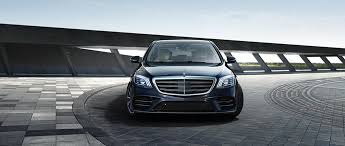
When it comes to the pinnacle of luxury sedans, the scales finally tip towards Mercedes-Benz. The Mercedes-Benz S-Class remains the undisputed benchmark in the luxury large car segment, embodying comfort and opulence like no other. Its cabin is a masterclass in automotive interior design, meticulously shielding occupants from the outside world, creating a serene and supremely comfortable environment. The S-Class’s advanced MBUX infotainment system, with its intuitive voice commands and augmented reality navigation, feels years ahead of the curve, establishing the standard for automotive technology trends in the premium sector. This is the definition of a luxury sedan.
The BMW 7 Series is an exceptional vehicle in its own right, offering a modern interpretation of a world-class cabin and a powerful, albeit slightly steeper, learning curve for its iDrive infotainment system. While the 7 Series delivers more engaging handling for a car of its size, it prioritizes a sportier, driver-centric experience compared to the S-Class’s singular focus on passenger comfort and stately refinement. For those seeking the ultimate in rear-seat comfort, executive presence, and technological sophistication, the S-Class continues to set an almost unattainable standard.
Luxury Large SUVs: Command Presence and Family Opulence
Scaling up the luxury experience for families and those needing substantial cargo and passenger capacity, the luxury large SUV segment demands a blend of power, space, and prestige. Here, the BMW X7 emerges victorious. It adeptly translates the finest attributes of BMW’s SUV lineup into a grand, three-row machine capable of comfortably accommodating up to seven passengers. The X7 features a sharp, sophisticated interior, with first and second-row seating that offers exceptional comfort for adults. While the iDrive infotainment system can have a learning curve, its capabilities are undeniable. The X7 provides an impressive combination of upscale appointments, robust performance, and practical family utility, securing its position as a leading luxury family SUV.
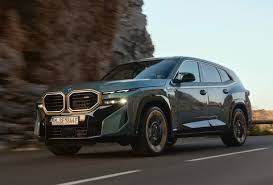
Mercedes-Benz counters with the GLS and the iconic G-Class. The GLS directly competes with the X7, offering an equally upscale cabin and a refined ride. It’s an excellent choice for those who value traditional Mercedes-Benz luxury in an SUV format. The G-Class, or G-Wagen, while undeniably prestigious and a phenomenal off-road machine, compromises some on-road luxury for its rugged capability, making it a more niche offering. Its overlanding attributes, while legendary, can sometimes hinder its overall performance as a pure luxury vehicle compared to the X7 or GLS. For a more balanced, on-road-focused luxury SUV experience, the X7 often nudges ahead.
Luxury Midsize Cars: The Core of Premium Motoring
The luxury midsize car segment is often considered the heartland of premium brands, balancing performance, comfort, and everyday usability. In 2025, this segment remains fiercely contested, resulting in a well-deserved tie. The Mercedes-Benz E-Class, much like its S-Class sibling, is a cornerstone of its segment. It delivers a supremely comfortable and refined ride, complemented by a wildly high-tech cabin that, while occasionally overwhelming, offers a truly futuristic experience. The E-Class also boasts an impressive suite of driver assistance features that enhance safety and convenience. Mercedes also offers the CLE, a handsome two-door with robust powertrains, appealing to those seeking style and performance.
The BMW 5 Series, freshly redesigned, continues to be highly regarded, albeit with a slight shift in character. While long celebrated for its athleticism, the latest iteration, while still potent with a lineup of powerful engines, has been noted to lack some of the steering feedback that characterized its predecessors. It still offers a sophisticated, driver-focused experience, particularly in its M Sport trims. This segment truly highlights the philosophical divide: the E-Class for those prioritizing plush comfort and cutting-edge tech, and the 5 Series for drivers who still crave an engaging, dynamic ride. Both are exceptional, and the choice comes down to personal driving preference.
Luxury Midsize SUVs: The Sweet Spot of SUV Ownership
The midsize SUV category is incredibly popular, offering a versatile platform for both families and individuals. The Mercedes-Benz GLE shares the top spot in this segment with offerings like the Porsche Cayenne, a testament to its excellence. The GLE features a spacious, meticulously crafted cabin that flawlessly integrates modern technology without feeling overbearing. For 2025, it continues to refine its offerings, with standard all-wheel drive, an updated infotainment system, and a compelling new plug-in hybrid model. The GLE’s blend of comfort, technology, and versatility makes it a highly attractive premium SUV choice.
The BMW X5 is equally revered in this category. It boasts an upscale interior and handling that is distinctly more athletic than its Mercedes counterpart. For the 2025 model year, the X5 enhances its offerings with advanced features like active lane-change assist, further solidifying its appeal to drivers who appreciate dynamic control. BMW also presents the X6, a fastback version of the X5 for those seeking a sportier aesthetic, while Mercedes-Benz offers a similar dynamic in the GLE Coupe variants. Ultimately, the GLE’s superior blend of refined comfort and seamless tech integration gives it a slight edge in this fiercely competitive space.
Luxury Small Cars: Entry Points to Elite Motoring
For many, a luxury small car serves as the introduction to these prestigious brands. The BMW 3 Series has, for generations, defined the luxury sport sedan segment, and its current iteration maintains this legacy. It remains incredibly fun to drive, features powerful engine options, a surprisingly spacious interior, and a sizable trunk for its class. Its ability to provide an engaging driving experience alongside everyday usability makes it a perennial favorite.
The Mercedes-Benz C-Class is a commendable rival, offering a more comfortable and refined ride and a truly elegant interior that often mimics its S-Class sibling. However, it doesn’t quite match the sheer driving engagement of the 3 Series. BMW also expands its small car offerings with the sporty 2 Series coupe and the versatile 4 Series (available as a coupe, convertible, and Gran Coupe). Mercedes-Benz’s entry-level CLA also provides a nimble, tech-rich, and sharply styled option, but for pure driving pleasure and overall balance, the 3 Series maintains its winning streak. These cars represent excellent value for those entering the luxury car market.
Luxury Sports Cars: Unleashing Raw Performance
When the primary objective is pure performance and exhilarating driving, BMW typically holds the advantage in the luxury sports car arena. If unadulterated performance is your priority, the BMW M3 (a renowned sport sedan) and the M4 (its high-horsepower coupe sibling) are formidable machines. The BMW M2 is often hailed as the vehicle that most faithfully embodies BMW’s storied performance heritage, offering a more raw and visceral driving experience. For those seeking open-air thrills with a dash of flair, the BMW Z4 provides an engaging roadster experience. These are the epitomes of a performance luxury car.
Mercedes-Benz, while offering powerful AMG variants across its range, also provides dedicated sports cars. The Mercedes-AMG GT, with its exciting driving dynamics and dramatic styling, is a strong contender. The Mercedes-Benz SL offers a more grand-touring focused convertible experience, prioritizing comfort and style over outright track performance. While both brands deliver incredible speed and handling, BMW’s broader and arguably more track-focused lineup, particularly with its M division offerings, gives it the edge for buyers seeking the purest form of luxury sports car performance.
Luxury Subcompact SUVs: Maximizing Urban Prestige
In the burgeoning luxury subcompact SUV category, efficient space utilization and premium features are paramount. The BMW X1 reigns supreme, standing atop the rankings. It masterfully maximizes its compact footprint, offering a sharp, exquisitely crafted cabin packed with a comprehensive list of standard features. Its handling dynamics strike an impressive balance between comfort and responsiveness, making it ideal for urban environments and weekend escapes. BMW also offers the X2, a sportier, fastback alternative to the X1, providing a fun and functional experience despite slightly less cargo space.
The Mercedes-Benz GLA ranks competitively within the small SUV segment. While it’s enjoyable to drive and features an upscale interior, it sometimes lacks the overall refinement found in larger Mercedes SUVs and can be somewhat constrained in cargo capacity. For a vehicle that makes the absolute best use of its size while delivering a truly premium and engaging experience, the X1 continues to lead the pack, offering excellent luxury car depreciation figures due to its high demand.
Safety: Advanced Protection for Peace of Mind
Both BMW and Mercedes-Benz are at the forefront of automotive safety, equipping their lineups with stellar safety scores and a plethora of cutting-edge driver assistance features. BMW models such as the 2 Series, 3 Series, 5 Series, and X3 consistently achieve top safety ratings, featuring comprehensive suites of technology including forward collision avoidance, lane-departure warning, blind-spot monitoring, and adaptive cruise control. This commitment to safety is a core tenet of their engineering philosophy.
Mercedes-Benz’s C-Class, E-Class, GLC-Class, and GLE-Class perform nearly identically well in safety evaluations. Their systems, often integrated through the sophisticated MBUX interface, offer high levels of protection and assistance. It is worth noting that some of the newer electric vehicles from both brands, and certain conventionally powered models, are still undergoing full evaluations by safety organizations. However, based on available data, BMW often has more models that have been fully tested and received top marks across various categories, giving it a slight but notable edge in overall safety assurance.
Performance: The Thrill of the Drive
BMW’s enduring reputation as “The Ultimate Driving Machine” is well-earned, and it consistently delivers on the promise of exhilarating performance across its diverse lineup. From foundational models like the 3 Series to larger luxury machines such as the 7 Series and 8 Series, BMW vehicles are meticulously engineered to excite the driver. Even its electric vehicles—the i4, i7, and iX—earn some of the highest performance scores in their respective segments, proving that electrification doesn’t mean sacrificing dynamism. The M3 and M4 remain legendary performance stalwarts, setting benchmarks for track-ready luxury.
Mercedes-Benz certainly offers vehicles with high-performance credentials, particularly in its AMG division, which transforms standard models into track-focused beasts. The S-Class, AMG GT, SL, and EQS sedan are among the models earning top performance ratings for Mercedes. However, some of Mercedes’ entry-level models, like the GLA and GLB, tend to prioritize value and comfort over outright performance. While AMG models offer an undeniable thrill, BMW’s broader portfolio, from its core sedans to its EVs, consistently delivers a more engaging and driver-centric experience across the board, securing its win in the performance category.
Reliability: Long-Term Ownership Confidence
Reliability scores for luxury vehicles can often be a mixed bag, but understanding long-term dependability is crucial for any potential buyer, especially given the costs associated with luxury car insurance and maintenance. Based on current data, BMW tends to have more models reporting strong reliability and dependability scores, generally outperforming Mercedes-Benz.
According to reputable predictive reliability scores, BMW models like the X3 and X1 consistently score in the “Great” range (86 out of 100), with the 2 Series and 7 Series also earning strong marks (85). As a brand, BMW averages a solid 82.8, with only its newest EVs and the Z4 lacking reported scores. Mercedes-Benz, while offering robust engineering, has fewer models with reported reliability scores. Among those that do, the E-Class earns an 81, and the GLA and GLE score 80. The brand’s average sits around 78. While both brands offer a standard four-year/50,000-mile powertrain warranty, Mercedes-Benz offers a longer 10-year/155,000-mile warranty on its EV batteries compared to BMW’s eight-year/100,000-mile coverage. However, in terms of overall vehicle reliability across the conventional fleet, BMW shows a stronger and more consistent track record. Considering options for certified pre-owned luxury vehicles, these reliability scores play a significant role.
Interior: The Sanctuary of Sophistication
If BMW champions performance, then Mercedes-Benz unequivocally reigns supreme in crafting automotive interiors. Whether it’s the lavish GLE, the expansive GLS, the technologically advanced E-Class, or the gold-standard S-Class, Mercedes-Benz consistently sets the industry benchmark for cabin luxury, design, and comfort. The fit and finish across the majority of its models are simply top-notch, with many interiors recognized as among the very best in the entire automotive world. Their focus on ergonomic excellence, premium materials, ambient lighting, and the intuitive yet visually stunning MBUX infotainment system creates an unparalleled sensory experience.
BMW certainly offers outstanding cabins in models like the X1, X3, and i7, demonstrating excellent build quality and thoughtful design. There is a high level of fit and finish across many BMW models, and their iDrive infotainment system, while different, is highly capable. However, when placed side-by-side, BMW’s interiors, while premium, generally do not quite reach the same level of opulent design, tactile luxury, and overall sensory indulgence that Mercedes-Benz consistently delivers across its range. Mercedes-Benz understands that a truly premium experience extends beyond the drive, making it the undisputed winner in interior design and comfort.
The Ultimate Verdict: A Refined Rivalry Continues
After a thorough segment-by-segment analysis across the 2025 landscape, the results are clear: BMW emerges as the overall winner in this head-to-head luxury comparison. While both German luxury automakers produce exceptionally solid products, BMW claims victory in more individual categories than Mercedes-Benz, showcasing a broader spectrum of strengths.
BMW has consistently demonstrated its ability to engineer vehicles that are not only dynamically engaging and thrilling to drive but also refined, modern, and packed with cutting-edge technology. Its commitment to the driver’s experience, coupled with impressive advancements in electrification and overall reliability, positions it favorably in the current market.
Mercedes-Benz, on the other hand, excels in crafting a luxurious sanctuary. Its interiors are truly world-class, often setting the industry standard for comfort, design, and technological sophistication. Many of its vehicles define refinement in their respective segments, offering a serene and pampered experience for both driver and passengers.
As the automotive industry continues its rapid evolution, particularly with the acceleration of electric vehicle adoption and advancements in autonomous driving, it will be fascinating to observe how these two iconic brands further innovate and adapt. For now, however, BMW holds a distinct edge across a wider array of vehicle categories, making it the slightly more versatile and compelling choice for the modern luxury car buyer seeking a blend of exhilarating performance and sophisticated engineering. Ultimately, the “best” car always depends on individual priorities—whether your heart leans towards the ultimate driving machine or an unparalleled mobile sanctuary.