
A Tale of Two Legacies: Brand Philosophies Evolve
BMW, historically celebrated for its “Ultimate Driving Machine” mantra, has meticulously crafted a reputation around precision engineering, dynamic handling, and driver-centric performance. Their vehicles often feel more connected to the road, offering an engaging experience that appeals to those who genuinely love to drive. In 2025, while maintaining this core ethos, BMW has undeniably expanded its focus, embracing cutting-edge digital integration and a broader spectrum of luxury amenities that cater to a more diverse clientele. This evolution is evident in their increasingly sophisticated interiors and advanced driver-assistance systems.
Mercedes-Benz, on the other hand, has long been synonymous with unparalleled luxury, supreme comfort, and groundbreaking innovation. Their “The Best or Nothing” philosophy translates into lavishly appointed cabins, whisper-quiet rides, and a pioneering spirit in safety and infotainment technology. For 2025, Mercedes-Benz continues to refine this legacy, offering vehicles that serve as serene sanctuaries from the outside world, blending classic elegance with futuristic digital experiences. While not traditionally lauded for outright sportiness as BMW, their AMG sub-brand unequivocally demonstrates their prowess in high-performance engineering. The lines between these two giants have admittedly blurred over the years, with each brand increasingly adopting characteristics traditionally associated with the other. Yet, beneath the surface, their foundational identities persist, guiding their design, engineering, and overall market strategies.
Segment-by-Segment: A Head-to-Head Analysis for 2025
Luxury Compact SUVs: Agile Elegance Meets Everyday Practicality
Winner: BMW
The compact luxury SUV segment remains a fiercely contested battleground, perfectly blending premium aspirations with urban practicality. For 2025, BMW continues to lead with the X3, which, with its superior driving dynamics and a surprisingly spacious, well-appointed cabin, sets a high bar. Its athletic handling and robust powertrain options make it a joy on varied terrains, easily justifying its consistent high ratings. The coupe-like BMW X4 offers a sportier, more distinctive profile, retaining much of the X3’s engaging character.
Mercedes-Benz counters with the GLB and GLC. The GLB stands out with its optional third-row seating, a rare feature in this class, appealing to growing families. The GLC, recently refreshed, offers a plush ride and a cabin that exudes modern luxury, often praised for its refined aesthetics and intuitive MBUX infotainment. While both Mercedes models present compelling options, BMW’s offerings in this class generally offer a more spirited drive and a better balance of utility and performance, giving them the edge for 2025.
Luxury Electric Cars: The Silent Revolution Accelerates
Winner: BMW
The electric vehicle (EV) segment is where both brands are investing heavily, showcasing their vision for the future of luxury mobility. In 2025, BMW has truly solidified its position, particularly with its flagship electric sedan, the i7. This electric variant of the 7 Series is a marvel of bold design, futuristic technology, and commanding performance. Its dominant acceleration and innovative cabin features, including an optional 31-inch Theatre Screen, redefine executive EV travel. The BMW i4, an electric take on the popular 4 Series Gran Coupe, offers an engaging driving experience akin to its ICE counterparts, making it a compelling choice for enthusiasts transitioning to electric.
Mercedes-Benz’s EQ lineup, while technologically advanced, sometimes faces criticism for its somewhat convoluted naming scheme (EQE Sedan, EQS Sedan). Both the EQE Sedan and EQS Sedan deliver incredibly serene driving dynamics and sumptuously appointed cabins, prioritizing passenger comfort and innovative digital displays. However, BMW’s approach, integrating their EV technology more seamlessly into established model lines while pushing the envelope in specific areas like the i7’s theatre mode, gives them a slight advantage in overall appeal and market penetration for premium electric sedans.
Luxury Electric SUVs: Family-Friendly EVs with Premium Flair
Winner: BMW
The electric SUV market is booming, catering to buyers seeking zero-emission driving without compromising on space or utility. BMW’s iX continues to impress in 2025 as a strong contender. Despite its polarizing exterior design, the iX delivers formidable acceleration, a remarkably spacious and functional interior, and cutting-edge technology that feels genuinely futuristic. Its range and charging capabilities are competitive, making it a practical yet luxurious family EV.
Mercedes-Benz offers a broader array of electric SUVs: the EQB, EQE SUV, and EQS SUV. The EQB, an electric iteration of the GLB, offers practicality for urban environments. The EQE SUV and EQS SUV boast elegant interiors and the highly acclaimed MBUX Hyperscreen. While these vehicles offer supreme comfort and advanced features, some models have faced scrutiny for their driving range or cargo capacity compared to rivals. The EQS SUV, while opulent, comes with a substantial price tag. BMW’s iX, with its compelling blend of power, space, and tech, feels more cohesive and ultimately takes the win in this segment for 2025.
Luxury Large Cars: Executive Grandeur and Technological Marvels
Winner: Mercedes-Benz
When it comes to the pinnacle of automotive luxury sedans, the Mercedes-Benz S-Class remains an undisputed benchmark. For 2025, it continues its reign as a rolling executive suite, offering unparalleled comfort, exquisite materials, and an array of sophisticated technologies that truly cocoon occupants from the outside world. Its MBUX infotainment system is intuitive and responsive, featuring advanced voice commands that genuinely enhance the user experience. The S-Class embodies prestige and innovation, setting the standard for the segment.
The BMW 7 Series is a formidable rival, presenting a more modern, even avant-garde, take on the luxury flagship. It offers its own blend of a world-class cabin and powerful infotainment system, albeit with a steeper learning curve for some features. While the 7 Series emphasizes engaging handling for its size, the S-Class’s unwavering commitment to ultimate comfort and serene opulence gives it the edge in this fiercely competitive category. For those prioritizing unadulterated luxury and a commanding presence, the S-Class remains the gold standard.
Luxury Large SUVs: Three-Row Sophistication and Commanding Presence
Winner: BMW
In the realm of full-size luxury SUVs, BMW demonstrates its capability to scale up its winning formula. The BMW X7 for 2025 is a masterclass in combining family-friendly practicality with undeniable luxury. It seamlessly translates BMW’s design language and performance attributes into a three-row vehicle capable of comfortably seating seven adults. Its sharp interior design and comfortable seating, particularly in the first two rows, along with a suite of intuitive technology, make it a top choice for discerning families.
Mercedes-Benz offers two distinct large SUVs: the GLS and the legendary G-Class. The GLS is a direct competitor to the X7, offering an equally upscale cabin and a supremely refined ride. However, the G-Class, while iconic for its rugged off-road capabilities and status symbol appeal, sacrifices some on-road luxury and refinement due to its utilitarian origins. While impressive, its specific attributes hold it back as an overall luxury family hauler compared to the more balanced X7. BMW’s X7 ultimately offers a more compelling, well-rounded luxury SUV experience, securing the win.
Luxury Midsize Cars: The Sweet Spot of Sport and Comfort
Winner: Tie
The midsize luxury sedan segment is often considered the heart of both brands’ lineups, offering a perfect blend of performance, luxury, and everyday usability. For 2025, this category remains a tie. The Mercedes-Benz E-Class, much like its S-Class sibling, stands out for its comfortable, refined ride and a high-tech cabin that, while occasionally overwhelming, boasts an impressive array of driver-assistance features. Mercedes also offers the handsome CLE coupe and convertible, blending style with capable powertrains.
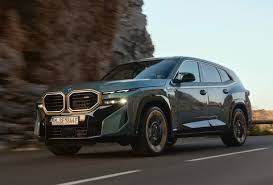
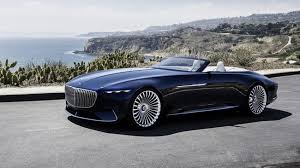
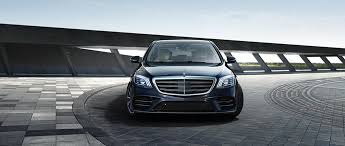
BMW’s 5 Series, redesigned for 2024 and refined for 2025, remains a highly regarded contender. While some purists note a slight departure from the hyper-athletic steering feedback of its predecessors, it still delivers the familiar punch from its potent engine lineup and a sophisticated, comfortable ride. Both the E-Class and 5 Series represent the pinnacle of their respective brands’ strengths – the E-Class prioritizing advanced tech and comfort, and the 5 Series offering a more engaging, driver-centric experience. Choosing between them is a matter of personal preference, hence the tie.
Luxury Midsize SUVs: Versatility Meets Premium Craftsmanship
Winner: Mercedes-Benz
The midsize luxury SUV segment is a hotly contested space, blending family utility with high-end refinement. For 2025, the Mercedes-Benz GLE shines brightly, securing the top spot (often alongside rivals like the Porsche Cayenne). Its spacious and refined cabin effortlessly integrates modern technology without being overbearing, creating a truly harmonious environment. With standard all-wheel drive, an updated infotainment system, and new plug-in hybrid options for 2025, the GLE offers a compelling package of comfort, capability, and efficiency.
The BMW X5 is an equally revered model, boasting an upscale interior and more athletic handling than its Mercedes counterpart. Its robust engine options and engaging driving dynamics continue to appeal to performance-oriented buyers. BMW also offers the X6, a fastback version of the X5, while Mercedes offers a similar sporty variant in the GLE 53. However, the GLE’s overall balance of comfort, advanced technology, and luxurious cabin execution slightly nudges it ahead for 2025, particularly with its refined ride quality.
Luxury Small Cars: Entry Point to German Excellence
Winner: BMW
For buyers entering the luxury market, or those seeking a more compact, agile driving experience, this segment delivers. The BMW 3 Series has long been the gold standard for small luxury sedans, and the 2025 model continues this legacy. It’s incredibly fun to drive, boasts powerful engines, and offers a surprisingly spacious interior and trunk for its class. Its blend of everyday usability and genuine driver engagement makes it a perennial favorite. BMW also offers the sporty 2 Series Coupe and the versatile 4 Series (available in coupe, convertible, and Gran Coupe forms), catering to diverse tastes.
The Mercedes-Benz C-Class is a commendable rival, offering a more comfortable and overtly luxurious cabin experience. Its refined ride and advanced MBUX system are appealing, but it typically doesn’t match the 3 Series’ raw driving engagement. Mercedes also offers the entry-level CLA, known for its nimble handling and tech-rich interior within a stylish package. However, BMW’s consistent delivery of a more dynamic and driver-focused experience across its small car lineup solidifies its win in this crucial segment.
Luxury Sports Cars: Adrenaline and Precision Engineering
Winner: BMW
When it comes to pure driving exhilaration and track-ready performance, BMW maintains a decisive edge in 2025. The brand’s M division produces some of the most iconic sport sedans and coupes globally. The M3 sedan and M4 coupe are renowned for their high-horsepower engines and razor-sharp handling, offering an intoxicating blend of luxury and performance. The M2 is often considered the most authentic embodiment of BMW’s performance heritage, delivering a compact, unadulterated driving thrill. For open-air enthusiasts, the Z4 provides a refined grand-touring roadster experience.
Mercedes-Benz certainly offers its share of high-performance vehicles, particularly under the AMG umbrella. Dedicated sports cars like the AMG GT deliver an exciting, visceral driving experience, and the SL transforms into a luxurious droptop grand tourer. While these are exceptional vehicles, BMW’s broader and more deeply entrenched lineup of performance variants, from sedans to coupes to roadsters, consistently deliver a more focused and comprehensive sports car experience across its range, giving it the win.
Luxury Subcompact SUVs: Urban Explorers with Premium Credentials
Winner: BMW
At the smallest end of the luxury SUV spectrum, BMW once again stands tall. The BMW X1 for 2025 is a standout, maximizing its compact footprint with a sharp, well-crafted cabin and an extensive list of standard features. Its handling dynamics strike an impressive balance between comfort and responsiveness, making it ideal for urban commuting and weekend getaways. The slightly more aggressive BMW X2 offers a sportier, coupe-like profile, maintaining much of the X1’s fun-to-drive character.
The Mercedes-Benz GLA ranks solidly in this competitive class. It offers nimble handling and an upscale cabin, making it an attractive option for those seeking a stylish city vehicle. However, it sometimes falls short in terms of overall refinement and cargo capacity when compared directly to the X1. BMW’s mastery in packaging and driving dynamics for the subcompact SUV market provides it with a clear advantage for 2025, delivering a more compelling overall proposition.
Cross-Category Attributes: Digging Deeper into the Luxury Experience
Safety: Advanced Protection for the Modern Road
Winner: BMW
In 2025, both BMW and Mercedes-Benz are at the forefront of automotive safety, equipping their vehicles with comprehensive suites of advanced driver-assistance systems (ADAS). These include sophisticated forward collision avoidance, lane-keeping assistance, adaptive cruise control, and increasingly advanced semi-autonomous driving capabilities. Both brands consistently achieve top safety ratings from organizations like IIHS and NHTSA for their evaluated models.
However, BMW has a slight edge in the breadth of models that have received top-tier safety evaluations for 2025, particularly across its core sedan and SUV lineups (2, 3, 5 Series, X3). While Mercedes-Benz also excels with models like the C-Class, E-Class, GLC, and GLE, BMW’s consistent track record across a wider range of tested vehicles, particularly with cutting-edge active lane-change assist features becoming more widely available, gives it the overall win in this critical category. It’s worth noting that newer EV models from both brands are still undergoing comprehensive testing, but their commitment to safety remains paramount.
Performance: Power, Precision, and Electrified Thrills
Winner: BMW
Performance is undeniably a core pillar of the BMW brand identity. Across its entire lineup, from the foundational 3 Series to the executive 7 Series and dynamic 8 Series, BMW vehicles are engineered to ignite the senses behind the wheel. The brand’s prowess extends seamlessly into its electric offerings, with the i4, i7, and iX all earning high marks for their instant torque and engaging electric driving dynamics. The M3 and M4 remain legendary benchmarks for high-performance sedans and coupes, offering exhilarating acceleration and track-capable handling.
Mercedes-Benz, through its AMG division, offers truly electrifying performance, with models like the AMG GT and various AMG variants of its sedans and SUVs delivering incredible speed and handling. The S-Class and EQS sedan also impress with their smooth, powerful acceleration. However, on average, BMW’s standard lineup across various segments tends to deliver a more uniformly performance-oriented driving experience, often prioritizing driver engagement even in its more comfort-focused models. For a comprehensive performance advantage across its entire portfolio, BMW takes the victory.
Reliability: Enduring Quality and Owner Confidence
Winner: BMW
Reliability is a crucial factor for luxury car owners, impacting peace of mind and long-term ownership costs. While individual model scores can fluctuate, BMW generally demonstrates a stronger and more consistent track record in predicted reliability assessments for 2025. Data from sources like J.D. Power often shows a greater number of BMW models receiving “Great” or “Best” ratings (scores 81-100), with the X1, X3, 2 Series, and 7 Series frequently scoring in the mid-80s. As a brand, BMW typically averages slightly higher in these metrics.
Mercedes-Benz, while producing high-quality vehicles, sometimes has fewer models reporting reliability scores, or their average brand score might sit slightly lower. Models like the E-Class, GLA, and GLE often score well (e.g., in the 80s), but consistency across the wider range is key. Both brands offer robust four-year/50,000-mile powertrain warranties. For electric vehicles, BMW offers an eight-year/100,000-mile battery warranty, while Mercedes-Benz counters with an impressive 10-year/155,000-mile warranty on its EV battery packs, providing excellent peace of mind for luxury EV ownership. Despite Mercedes’ strong EV battery warranty, BMW’s broader consistency in traditional reliability metrics across more models gives it the overall edge.
Interior and Technology: The Art of Automotive Ambiance
Winner: Mercedes-Benz
If BMW is the performance champion, then Mercedes-Benz remains the undisputed master of the automotive interior. For 2025, Mercedes-Benz continues to set industry benchmarks for cabin comfort, material quality, and integrated technology. From the opulent S-Class to the versatile GLE and the sophisticated E-Class, Mercedes-Benz cabins are sanctuaries of exquisite craftsmanship, premium materials, and cutting-edge digital displays. The fit and finish are often described as world-class, with ergonomic design seamlessly blending luxury with intuitive control. The MBUX infotainment system, especially with the optional Hyperscreen, provides an immersive and visually stunning user experience.
BMW certainly offers outstanding cabins in models like the X1, X3, and the technologically advanced i7, showcasing excellent build quality and fit-and-finish. The iDrive system has evolved significantly, becoming more intuitive and feature-rich. However, across its model lineup, BMW’s interior aesthetics and comfort levels, while highly commendable, generally do not quite reach the consistently sublime and envelope-pushing standards set by Mercedes-Benz. For those prioritizing an unparalleled cabin experience, Mercedes-Benz holds the decisive advantage.
Cost of Ownership and Value Proposition: Beyond the Sticker Price
The initial purchase price of a luxury vehicle is just one aspect of its overall cost. For 2025, both BMW and Mercedes-Benz offer a range of luxury car financing options, from traditional loans to attractive luxury car lease deals. Depreciation, premium vehicle insurance, and routine maintenance (luxury vehicle service) are significant factors. Generally, both brands command higher insurance premiums due to their value and performance capabilities. While parts and labor costs are higher than for mainstream brands, both offer comprehensive service plans and certified pre-owned luxury cars that provide excellent value. Fuel and charging costs depend on the powertrain chosen, with EVs and PHEVs offering significant long-term savings. While precise figures vary by model and market, the overall cost of ownership for these premium brands is comparable, necessitating careful budgeting regardless of your choice.
The Verdict for 2025: A Refined Rivalry
After a comprehensive head-to-head comparison across numerous segments and key attributes, BMW emerges as the victor in this 2025 luxury showdown, securing more wins in individual categories.
BMW’s strength lies in its ability to consistently deliver engaging driving dynamics, robust performance, and a compelling blend of luxury and technology across a wide array of vehicles. From its compact SUVs and sedans to its impressive lineup of electric cars, BMW often prioritizes the driver’s experience without sacrificing modern comforts and advanced features. Its commitment to performance, solidified by its M division and seamlessly integrated into its EV models, continues to resonate with enthusiasts and everyday drivers alike.
Mercedes-Benz, while losing out in more segments, remains an unparalleled force in luxury. Its interiors are truly world-class, consistently setting the benchmark for elegance, comfort, and technological integration. For buyers prioritizing opulence, a serene ride, and cutting-edge infotainment, Mercedes-Benz vehicles like the S-Class and EQS are simply unmatched.
As the automotive industry barrels toward an electrified and increasingly automated future, both BMW and Mercedes-Benz are innovating at a breakneck pace. Their ongoing rivalry promises to continue pushing the boundaries of what’s possible in luxury motoring. Ultimately, the “better” brand depends on your individual priorities. If you crave an “Ultimate Driving Machine” that balances performance with modern sophistication, BMW is likely your choice. If you seek “The Best or Nothing” in terms of opulent comfort, groundbreaking technology, and serene luxury, Mercedes-Benz beckons. Whichever German titan you choose, you’re investing in a legacy of automotive excellence.