
Historically, BMW and Mercedes-Benz carved out distinct niches. BMW, famously known as “The Ultimate Driving Machine,” built its reputation on engineering precision, dynamic handling, and a driver-centric philosophy. Its vehicles were designed to engage, to connect the driver to the road with an intuitive precision that few could match. On the other side of the Autobahn, Mercedes-Benz established itself as the arbiter of refinement, comfort, and sheer opulence. Their cabins were sanctuaries, their rides silken smooth, and their technology often set the benchmark for luxury and safety.
In 2025, these personas have blurred, yet their core identities persist. Both brands have embraced electrification, digital transformation, and sustainable practices, but the underlying ethos still subtly guides their design and engineering decisions. The competitive landscape is also more crowded than ever, with new entrants and established players vying for a slice of the premium pie. Yet, the gravitational pull of BMW and Mercedes-Benz remains undiminished, consistently drawing discerning buyers seeking unparalleled excellence.
Segment-by-Segment Scrutiny: Who Dominates Where?
To truly understand the modern rivalry, we must examine their offerings across the board, from agile city cruisers to commanding full-size flagships.
Luxury Compact SUVs: Agility Meets Practicality
In an era where premium crossovers and small SUVs are king, both brands offer compelling entries. BMW’s approach here often leans into its dynamic heritage. The 2025 BMW X3 xDrive30e, for instance, continues to impress with its spacious and elegantly designed cabin, athletic handling that belies its SUV stature, and robust powertrain options, including a potent plug-in hybrid variant. Its overall balance of sportiness and everyday usability often places it at the top of the competitive rankings. The fastback variant, the BMW X4, further amplifies the driving engagement for those prioritizing style and performance.
Mercedes-Benz counters with the GLB and GLC. The Mercedes-Benz GLB distinguishes itself with an available third row, a unique proposition in this segment, offering greater versatility for growing families. Its interior is plush and well-appointed, though its handling dynamics are typically more comfort-oriented than the BMW. The Mercedes-Benz GLC, with its undeniably luxurious cabin and efficient powertrain options, offers a sophisticated driving experience. While highly competent, the GLC often finds itself playing catch-up to the X3’s sharper handling and overall driver appeal. For 2025, BMW often holds a slight edge in this critical segment due to its superior blend of driver engagement and practicality.
Luxury Electric Cars: The Silent Revolutionaries
The electric vehicle (EV) space is arguably where the most significant innovations are occurring, and both BMW and Mercedes-Benz are aggressively expanding their EV lineups. While startups like Tesla and Lucid garnered early attention, the German giants are now delivering sophisticated electric luxury.
BMW’s electric offerings are often direct extensions of their popular ICE models, maintaining a sense of familiarity with a futuristic twist. The 2025 BMW i7 stands as the brand’s electric flagship, a bold and futuristic reimagining of the 7 Series. It boasts dominant performance, a commanding presence, and a cabin bristling with cutting-edge technology, including a stunning theater screen for rear passengers. The BMW i4, an EV counterpart to the engaging 4 Series Gran Coupe, delivers a potent mix of performance and elegant design, appealing to those who desire electrification without sacrificing dynamic flair. These models demonstrate a seamless integration of electric powertrains into existing, beloved platforms.
Mercedes-Benz, with its EQ sub-brand, has crafted distinct EV models. The EQE Sedan and EQS Sedan both offer serene driving dynamics and opulent, hyper-digital cabins dominated by screens like the MBUX Hyperscreen. Their focus leans heavily into a gliding, quiet, and ultra-comfortable experience. However, Mercedes-Benz’s sometimes convoluted naming convention for its EV lineup can be a point of confusion for consumers. While their interiors are undeniably magnificent, some enthusiasts argue that the driving dynamics, while refined, don’t always match the visceral thrill offered by BMW’s electric performance variants. In 2025, BMW’s ability to imbue its EVs with characteristic driving verve gives it a slight lead in this emerging and critical category.
Luxury Electric SUVs: Family-Friendly Electrification
The demand for electric SUVs continues to surge, and both brands are responding with force. The 2025 BMW iX leads BMW’s electric SUV charge. While its exterior styling is polarizing, its powerful acceleration, exceptionally spacious and functional interior, and cutting-edge technology make it a highly compelling package. It prioritizes occupant comfort and cargo capacity, making it a strong contender for discerning families seeking a premium electric experience.
Mercedes-Benz offers a broader, though again, complex lineup of electric SUVs: the EQB, EQE SUV, and EQS SUV. The EQB serves as an electric version of the GLB, offering a practical and accessible entry into Mercedes-Benz electric ownership. The EQE SUV and EQS SUV, while featuring elegant interiors and a smooth ride, sometimes fall short on overall driving range or cargo capacity compared to rivals, particularly given their premium price points. The EQS SUV, while luxurious, also carries a significant price tag. For those prioritizing a harmonious blend of performance, utility, and advanced technology in an electric SUV, BMW’s iX often emerges as the more well-rounded and cohesive package for 2025.
Luxury Large Cars: The Flagship Battleground
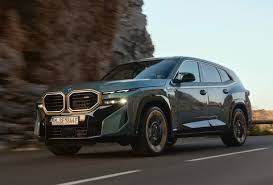
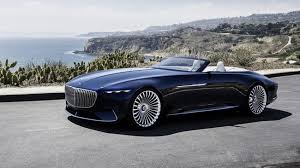
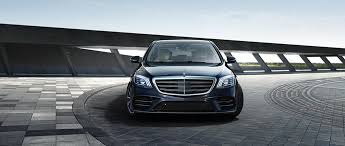
When it comes to full-size luxury sedans, few vehicles command the presence and reverence of the Mercedes-Benz S-Class. The 2025 Mercedes-Benz S-Class remains the undisputed benchmark for comfort, opulence, and technological prowess. Its cabin acts as a veritable fortress, shielding occupants from the outside world, delivering an unparalleled sense of serenity and luxury. The advanced MBUX infotainment system, with its intuitive voice commands, further elevates the passenger experience, making every journey an event.
The 2025 BMW 7 Series offers a modern and bold interpretation of the luxury flagship. It provides its own world-class cabin and a powerful infotainment system (iDrive), though it might require a slight learning curve for new users. While the S-Class prioritizes ultimate comfort, the 7 Series traditionally offers a more engaging and driver-focused experience, even in its most opulent trim. For those seeking the ultimate in traditional luxury, uncompromising comfort, and a truly isolating ride, the Mercedes-Benz S-Class often retains its crown. This segment is where Mercedes-Benz truly shines, leveraging its heritage of supreme comfort and technological integration.
Luxury Large SUVs: Commanding Presence, Ultimate Comfort
Scaling up the luxury experience, the large SUV segment is crucial for family buyers and those needing significant cargo and passenger capacity. The 2025 BMW X7 excels by taking the best attributes of other BMW SUVs and expanding them into a capable three-row machine. Its sharp interior design, comfortable seating for adults in the first two rows, and impressive on-road dynamics make it a formidable contender. While the iDrive system can have a learning curve, its depth of features is undeniable.
Mercedes-Benz offers two distinct large SUVs: the GLS and the G-Class. The Mercedes-Benz GLS is a direct competitor to the X7, offering an equally upscale cabin and a refined, comfortable ride. It’s a true luxury hauler. The G-Class, or G-Wagen, on the other hand, is in a league of its own – a high-class off-road icon. While its rugged capabilities are legendary, these attributes can sometimes compromise its overall luxury vehicle appeal for daily tarmac driving. For a balanced blend of luxury, family utility, and impressive driving dynamics, the BMW X7 often edges out its direct GLS competitor, delivering a more cohesive premium large SUV experience.
Luxury Midsize Cars: The Sweet Spot of Performance and Prestige
This segment is often considered the heartland of the luxury sedan market, and here, the rivalry is incredibly tight. The 2025 Mercedes-Benz E-Class continues to stand out, offering a comfortable, refined ride coupled with an astoundingly high-tech cabin. While the sheer volume of technology can sometimes feel overwhelming, its comprehensive suite of driver-assistance features and opulent materials set a high bar. Mercedes also offers the handsome CLE, a two-door variant with strong powertrains.
The 2025 BMW 5 Series, freshly redesigned for 2024, remains a strong player. While the latest iteration has evolved from its predecessors’ razor-sharp steering feedback, it still delivers the familiar punch from its potent engine lineup and a sophisticated, modern interior. This segment often results in a tie, as each brand caters to slightly different preferences. Mercedes-Benz appeals to those prioritizing ultimate comfort, groundbreaking technology, and a serene driving experience, while BMW continues to draw drivers who appreciate powerful engines and a well-balanced chassis.
Luxury Midsize SUVs: Versatility and Refinement
The midsize SUV category is incredibly popular, balancing family utility with luxury appointments. The 2025 Mercedes-Benz GLE often sets the standard here, renowned for its spacious, refined cabin that seamlessly integrates modern technology without being overly intrusive. With standard all-wheel drive, an updated infotainment system, and new plug-in hybrid options for 2025, the GLE is a highly compelling package.
The 2025 BMW X5 is equally revered, boasting an upscale interior and more athletic handling than its Mercedes counterpart. For the upcoming model year, the X5 further enhances its appeal with advanced features like active lane-change assist. BMW also offers the X6, a fastback version of the X5, catering to those who desire a more distinctive, sportier silhouette. Mercedes-Benz offers a similar coupe-like SUV in the GLE 53. In this highly competitive segment, the GLE’s blend of comfort, technology, and versatility often gives it a slight edge, reflecting Mercedes-Benz’s strength in creating truly luxurious and user-friendly family vehicles.
Luxury Small Cars: Entry Point to Excellence
For many, a small luxury sedan or coupe is their first foray into premium ownership. The 2025 BMW 3 Series has long been the gold standard, celebrated for its engaging driving dynamics, powerful engines, and surprisingly spacious interior and trunk for its class. It consistently offers an exhilarating and practical experience. BMW also expands its small car offerings with the sporty 2 Series coupe and the versatile 4 Series (available as a coupe, convertible, and Gran Coupe).
The 2025 Mercedes-Benz C-Class is a formidable competitor, offering greater comfort and a sophisticated, albeit less engaging, driving experience. Mercedes-Benz also provides the entry-level CLA, a nimble and stylish sedan packed with technology, designed to appeal to a younger, design-conscious audience. While the C-Class offers superb comfort, BMW’s enduring commitment to driver engagement in its 3 Series and broader range of sporty small cars gives it a clear advantage in this foundational segment.
Luxury Sports Cars: The Thrill Seekers
For enthusiasts who crave pure driving excitement, the luxury sports car segment is paramount. BMW has cultivated a legendary reputation for performance, particularly with its M division. The M3 (sedan) and M4 (coupe) are renowned sport machines, while the M2 encapsulates BMW’s performance heritage in a compact, potent package. The Z4 roadster provides open-air thrills and a blend of sportiness and grand touring comfort.
Mercedes-Benz, too, offers thrilling performance through its AMG division, and dedicated sports cars like the GT are genuinely exciting to drive. The SL roadster, while still performance-oriented, leans more towards a grand-touring experience, offering luxurious comfort alongside spirited motoring. While Mercedes-Benz’s dedicated sports cars are magnificent, BMW’s broader range of performance-tuned sedans and coupes, particularly the M-cars, often provide a more accessible and varied pathway to exhilarating performance, giving BMW the edge in this passion-driven category.
Luxury Subcompact SUVs: Urban Chic
The smallest luxury SUVs are perfect for urban environments, offering elevated driving positions and stylish practicality. The 2025 BMW X1 stands out here, making excellent use of its compact dimensions to deliver a surprisingly spacious and well-crafted cabin. Its handling dynamics strike an impressive balance between comfort and responsiveness, making it a joy to drive in the city or on longer commutes. BMW also offers the X2, a sportier, coupe-like variant that sacrifices some cargo space for style.
The 2025 Mercedes-Benz GLA ranks well within the small SUV segment. It’s fun to drive and features an upscale cabin, but it sometimes lacks the overall refinement and cargo capacity of its larger Mercedes siblings and, notably, the X1. For an entry-level luxury SUV that truly delivers a premium, well-rounded experience, the BMW X1 consistently leads the pack, proving that compact size doesn’t mean compromising on luxury or driving pleasure.
Beyond the Segments: Critical Comparative Metrics
Beyond individual model comparisons, a holistic view of each brand’s philosophy and execution in critical areas is essential.
Safety: A Non-Negotiable Priority
Both BMW and Mercedes-Benz are leaders in automotive safety, consistently earning top marks from independent testing agencies. Their vehicles come loaded with the latest advanced driver-assistance systems (ADAS), including forward collision avoidance, lane-departure warning, adaptive cruise control, and sophisticated parking aids. These systems, critical for safe driving in 2025, are meticulously integrated.
BMW models like the 2, 3, 5 Series, and X3 consistently achieve near-perfect safety scores. Mercedes-Benz’s C-Class, E-Class, GLC-Class, and GLE-Class also perform exceptionally well. It’s important to note that evaluation of newer conventionally powered vehicles and, in particular, the rapidly expanding EV lineups from both brands, is an ongoing process for safety organizations. However, both brands invest heavily in proactive and passive safety technologies, making them equally safe choices. Given the slightly broader range of tested BMW models with consistently stellar scores, BMW often nudges ahead in overall safety ratings.
Performance: The Heartbeat of Driving Pleasure
For driving enthusiasts, performance is paramount. BMW’s reputation as “The Ultimate Driving Machine” is hard-earned. Across its lineup, from the agile 3 Series to the executive 7 Series and dynamic 8 Series, BMW vehicles are engineered to excite. Their range of electric cars, including the i4, i7, and iX, also deliver impressive performance figures, often matching or exceeding their ICE counterparts in acceleration. The M3 and M4 remain legendary high-performance luxury cars that continue to set benchmarks.
Mercedes-Benz also offers exceptional performance, particularly in its AMG variants and flagship models like the S-Class, GT, SL, and EQS sedan. These vehicles deliver immense power, often coupled with a smoother, more refined delivery. While Mercedes-Benz offers compelling performance, especially in its sportier models, BMW’s overall brand ethos leans more heavily into driver engagement across a wider spectrum of its vehicles. For sheer driving exhilaration and a more consistent focus on dynamic feedback, BMW holds a distinct advantage in performance.
Reliability and Ownership Experience: Long-Term Value
Reliability is a crucial factor for luxury car buyers, impacting long-term satisfaction and pre-owned luxury car value. While scores can vary, BMW generally has more models reporting strong predicted reliability scores from organizations like J.D. Power. For instance, the X1 and X3 often score “Great” (81-90 out of 100), as do the 2 Series and 7 Series. BMW as a brand typically averages a strong reliability score.
Mercedes-Benz, while continually improving, has historically shown more variability in its reliability scores across its extensive lineup. Models like the E-Class and GLA/GLE often score “Average” (70-80). Both brands offer a standard four-year/50,000-mile powertrain warranty. However, their EV battery warranties differ, with BMW offering eight years/100,000 miles and Mercedes-Benz providing an impressive 10 years/155,000 miles, reflecting confidence in their electric powertrains. Considering the broader consistency in reported reliability scores, BMW often holds a slight edge in this critical long-term ownership aspect. Buyers interested in luxury car lease deals or luxury car financing options will find robust support from both brands, but reliability can influence residual values.
Interior Design and Technology: The Cabin Experience
If BMW defines performance, Mercedes-Benz undoubtedly sets the standard for automotive interiors. Whether it’s the GLE, GLS, E-Class, or the industry-gold-standard S-Class, Mercedes-Benz consistently pushes boundaries in material quality, ergonomic design, and technological integration. The fit and finish are universally top-notch, with some models offering cabin experiences that are among the best in the entire automotive industry, featuring unparalleled ambient lighting, premium audio systems, and the intuitive MBUX system. Their focus on multi-screen displays and voice control exemplifies automotive technology trends.
BMW’s interiors have made significant strides, with models like the X1, X3, and i7 offering outstanding cabins in terms of build quality and material selection. The iDrive system, while having a steeper learning curve, is powerful and highly customizable. However, even with these improvements, BMW often struggles to reach the sheer level of opulent comfort and integrated artistry that Mercedes-Benz consistently delivers. For those prioritizing an unparalleled cabin experience, where comfort, aesthetics, and integrated technology coalesce into a harmonious whole, Mercedes-Benz remains the undisputed leader. Their commitment to luxury car interior design is truly world-class.
The Verdict for 2025: A Nuanced Victory
After a thorough analytical comparison across numerous segments and critical metrics, a clear picture emerges for 2025. Both BMW and Mercedes-Benz continue to deliver exceptional luxury vehicles, each with its unique strengths and philosophies.
However, when tallying the segmental wins and considering the broader impact of their brand strategies, BMW emerges as the overall winner in this head-to-head competition.
BMW has demonstrated a remarkable ability to blend its traditional focus on engaging driving dynamics with modern refinement, advanced technology, and increasingly compelling electric vehicle offerings. They consistently offer vehicles that are fun to drive, practical, and aesthetically modern, proving that performance doesn’t have to come at the expense of luxury or utility. Their EV lineup, in particular, showcases a strong commitment to maintaining BMW’s core driving ethos even in an electrified future.
Mercedes-Benz, on the other hand, continues to excel in delivering unparalleled comfort, world-class interiors, and groundbreaking technological features, especially in its flagship sedans and large SUVs. For those whose priority is an utterly serene, opulent, and technologically advanced cabin experience, Mercedes-Benz remains an irresistible choice.
As the automotive industry barrels into an even more electrified and digitally integrated future, it will be fascinating to observe how these two iconic brands continue to innovate and define the essence of luxury. But for now, BMW holds a slight, yet significant, edge across more vehicle categories, offering a more comprehensive and dynamically engaging premium experience for the discerning buyer in 2025. Ultimately, the choice between these two titans often comes down to personal preference: do you prioritize the thrill of the drive or the sanctuary of the cabin? With both brands, you’re guaranteed an exceptional luxury experience.