
BMW vs. Mercedes-Benz: Navigating the Luxury Automotive Landscape in 2025
For over a century, two German titans have dominated the global luxury automotive arena: BMW and Mercedes-Benz. Their badges, steeped in history and engineering prowess, represent far more than just transportation; they embody aspirations, technological frontiers, and distinct philosophies that have captivated discerning buyers worldwide. As we navigate the rapidly evolving landscape of 2025, where electrification, digitalization, and sustainable luxury are not just buzzwords but core tenets, the perennial debate of “BMW versus Mercedes” intensifies. From my decade-long vantage point immersed in the premium automotive sector, observing countless model cycles and market shifts, it’s clear that while both brands relentlessly pursue perfection, their paths and ultimate expressions of luxury continue to diverge, offering distinct appeals for the modern driver.
The luxury market in 2025 is a complex tapestry. We’re seeing dedicated electric vehicle (EV) platforms redefining performance and efficiency, artificial intelligence transforming infotainment and driver assistance, and an increasing demand for ethically sourced materials and sustainable manufacturing. Both BMW and Mercedes-Benz are at the forefront of these transitions, but they approach them with their signature DNA. BMW, often hailed as “The Ultimate Driving Machine,” traditionally champions dynamic performance and driver engagement. Mercedes-Benz, on the other hand, sets benchmarks for opulent comfort, serene refinement, and cutting-edge, integrated technology that aims to cocoon its occupants. So, as the industry charges into the mid-2020s, which marque truly sets the standard for premium motoring? Let’s dissect their offerings across every critical segment and attribute.
Segment Showdowns: Dissecting the Portfolio in 2025
Luxury Subcompact SUVs: Urban Agility Meets Premium Craftsmanship
In the bustling urban environment, luxury subcompact SUVs serve as stylish, efficient, and versatile companions. For 2025, BMW’s X1 continues its reign, having refined its blend of engaging driving dynamics, smart use of interior space, and a remarkably well-appointed cabin. Its athletic stance and precise steering still deliver that quintessential BMW feel, making it a joy to pilot through city streets or winding roads. The BMW X2, with its sportier, coupe-like profile, sacrifices a touch of practicality for more distinctive styling and an even more spirited drive, appealing to a younger, design-conscious demographic.
Mercedes-Benz counters with the GLA, a vehicle that leans heavily into premium aesthetics and an impressive array of technology for its class. The 2025 GLA maintains its comfortable ride and upscale interior ambiance, featuring a highly intuitive MBUX infotainment system that integrates seamlessly into daily life. While the GLA offers a commendable package, from a pure driving perspective, BMW maintains a slight edge in this segment for delivering that characteristic communicative chassis and steering feel.
Luxury Compact SUVs: The Heart of the Premium Crossover Market
The compact luxury SUV segment is arguably the most fiercely contested, balancing family practicality with luxury aspirations. BMW’s X3 remains a standout in 2025, consistently delivering a spacious, attractive cabin and notably athletic handling, thanks to its well-tuned suspension and robust powertrain options, including efficient mild-hybrids and a compelling PHEV variant. The X4, a fastback iteration of the X3, continues to appeal to those prioritizing style and driving engagement over maximum cargo utility.
Mercedes-Benz brings a strong contender in the GLC, which for 2025, has further refined its already plush cabin and offers impressively fuel-efficient powertrains. Its ride quality is exceptionally smooth, prioritizing comfort, while the advanced MBUX system with its augmented reality navigation offers a futuristic user experience. The GLB, with its uniquely boxy design and available three-row seating, presents a distinct value proposition for those needing more passenger flexibility within a compact footprint. While the GLC is a fantastic vehicle, the X3’s balanced approach to performance and practicality sees it edge out for the segment win in the eyes of many driving enthusiasts.
Luxury Midsize SUVs: The Sweet Spot of Sophistication and Utility
Stepping up to the midsize category, these SUVs often serve as primary family vehicles, demanding a higher degree of comfort, space, and power. The Mercedes-Benz GLE continues to be a benchmark, especially for 2025, boasting a magnificent, spacious, and refined cabin that flawlessly integrates modern technology without feeling overwhelming. The GLE’s ride quality is superb, soaking up road imperfections with grace, and its range of powertrains, including an excellent plug-in hybrid option, offers both performance and efficiency.
BMW’s X5 is equally revered, delivering an upscale interior and athletic handling that often surpasses its Mercedes counterpart, making it the choice for those who still crave an engaging drive from their larger SUV. For 2025, the X5 has also expanded its advanced driver-assistance systems (ADAS) suite, further enhancing its appeal. The BMW X6, the coupe version of the X5, offers a bolder design statement. While both are exceptional, the GLE’s emphasis on ultimate comfort and serene ride quality for all occupants secures its win here.
Luxury Large SUVs: Grand Tourers for the Whole Family
When space, presence, and uncompromised luxury are paramount, large SUVs like the BMW X7 and Mercedes-Benz GLS come into play. The BMW X7 scales up the brand’s best attributes, offering a truly grand three-row experience for up to seven adults. Its sharp interior, superb first- and second-row comfort, and powerful engine options deliver a commanding yet composed drive that belies its size. The iDrive system, while requiring a slight learning curve, becomes intuitive with use.
Mercedes-Benz fields the GLS, often dubbed the “S-Class of SUVs,” which truly excels in ride refinement and an utterly opulent cabin. For 2025, the GLS continues to offer unparalleled comfort, a quiet interior, and advanced suspension systems that iron out any road imperfections. The iconic G-Class (G-Wagen), while not a direct competitor, represents a different facet of luxury – an unyielding, high-class off-road machine whose rugged charm and exclusivity remain unmatched. However, for a true large luxury SUV experience focusing on on-road comfort and luxury, the GLS is hard to beat, securing its win in this category.
Luxury Small Cars: The Enthusiast’s Darling vs. The Compact Executive
The compact luxury sedan remains a crucial entry point for both brands, showcasing their core philosophies in a more accessible package. For 2025, the BMW 3 Series continues its legacy as a benchmark for driving dynamics. It’s fun, agile, and offers a range of potent engines, including performance-oriented M variants and a refined plug-in hybrid. Its spacious interior and practical trunk (for the class) make it a versatile choice. The BMW 2 Series coupe offers pure, unadulterated driving pleasure, while the 4 Series expands on this with coupe, convertible, and Gran Coupe options.
Mercedes-Benz counters with the C-Class, which for 2025, continues to be a “mini S-Class” in terms of its interior design and advanced technology. It provides a more comfortable and refined ride than the 3 Series, with a beautiful, high-tech cabin. The Mercedes-Benz CLA also serves as an entry-level option, offering distinctive styling and a surprising amount of tech. While the C-Class offers supreme comfort, the 3 Series’ commitment to driving engagement and broader enthusiast appeal gives BMW the edge here.
Luxury Midsize Cars: Executive Comfort Meets Athleticism
In the executive midsize segment, both brands offer vehicles that perfectly blend performance with sophisticated luxury. The Mercedes-Benz E-Class continues to impress in 2025 as a cornerstone of its class, offering a sublimely comfortable, refined ride and a wildly high-tech cabin that, while sometimes overwhelming, sets a new standard for digital integration and driver assistance. The CLE, a handsome two-door derivative, provides a sporty yet elegant coupé or convertible experience.
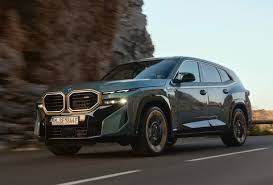
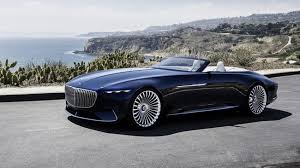
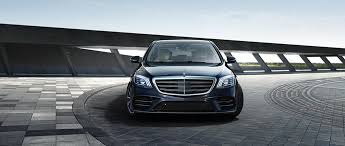
BMW’s 5 Series, redesigned for 2024 and refined for 2025, remains a formidable competitor. While its steering feedback might be slightly less raw than its predecessors, it still delivers the familiar punch from its powerful engine lineup and a refined, athletic driving experience. The integration of its iDrive system and comprehensive ADAS suite is seamless. This segment is a true clash of titans, and it’s a tie, as the choice truly hinges on whether you prioritize the E-Class’s unparalleled comfort and tech or the 5 Series’ balanced athleticism and executive feel.
Luxury Large Cars: The Flagships of Automotive Excellence
Here, we reach the pinnacles of each brand’s sedan offerings, where luxury knows few bounds. The Mercedes-Benz S-Class remains, in 2025, the undisputed benchmark for luxury sedans. Its cabin truly shields occupants from the outside world, delivering an unparalleled level of comfort, opulence, and cutting-edge technology, including an evolved MBUX system with enhanced AI voice prompts and predictive functions. This is not just a car; it’s a mobile sanctuary.
BMW’s 7 Series offers a bold, modern interpretation of a world-class luxury sedan. For 2025, its avant-garde styling, powerful infotainment, and more engaging handling characteristics provide a compelling alternative for those who want their flagship to connect them more intimately with the road. While the 7 Series has evolved dramatically, the sheer, unadulterated comfort and technological leadership of the S-Class still grant Mercedes-Benz the victory in this segment.
Luxury Electric Cars: Silent Power, Future Forward
The shift to electrification is a defining characteristic of the 2025 luxury market, and both brands are expanding their EV portfolios. BMW’s electric lineup skillfully translates its driving dynamics philosophy to battery power. The BMW i7, the electric counterpart to the 7 Series, is a bold, futuristic flagship, delivering dominant performance and an incredibly spacious, high-tech cabin. The i4, an EV take on the engaging 4 Series Gran Coupe, offers a genuinely sporty electric experience. Further augmenting this is the new i5, blending executive luxury with zero-emission mobility.
Mercedes-Benz’s EQ lineup, built on dedicated EV architectures, emphasizes serene driving and opulent, futuristic cabins. The EQE Sedan and EQS Sedan both boast whisper-quiet dynamics, impressive range, and Hyperscreen-dominated interiors. However, BMW has demonstrated a more consistent ability to infuse its EVs with that distinct “Ultimate Driving Machine” feel, even with electric powertrains. For the 2025 buyer seeking electric luxury that still prioritates the joy of driving, BMW’s comprehensive and dynamically tuned electric sedans secure the win.
Luxury Electric SUVs: Versatility Meets Sustainability
The electric SUV segment is booming, combining utility with eco-conscious luxury. The BMW iX remains a truly avant-garde offering for 2025. While its styling is polarizing, its powerful acceleration, spacious and functional interior, and cutting-edge technology are undeniable. It provides a genuinely distinct luxury EV SUV experience.
Mercedes-Benz offers a broader range with the EQB, EQE SUV, and EQS SUV. The EQB is a practical, urban-focused EV, while the EQE and EQS SUVs bring the opulent cabins and serene rides of their sedan counterparts to a more versatile body style. However, the iX’s unique blend of performance, interior innovation, and impressive cargo capacity, along with BMW’s more consistent approach to EV driving dynamics across the board, helps BMW clinch this segment.
Luxury Sports Cars: Precision Engineering vs. Grand Touring Power
When it comes to pure driving exhilaration and finely tuned performance, both brands have legendary credentials. BMW’s M division continues to set benchmarks. The M2, M3, and M4 are renowned sport machines, offering incredible precision, raw power, and an intimate connection with the road. The Z4 provides open-air motoring with a sophisticated edge, while the new BMW M5 (potentially hybridized for 2025) promises blistering performance in a more refined package.
Mercedes-Benz’s AMG division also delivers visceral experiences with models like the AMG GT, a dedicated sports car, and the SL, which has evolved into a luxurious grand-touring roadster. These vehicles offer explosive power and a dramatic presence. While Mercedes-AMG delivers immense performance, BMW’s M cars, particularly the smaller M2 and M3/M4, often offer a more direct, purist driving experience that aligns with the traditional definition of a “sports car.” For this segment, BMW’s breadth of focused performance vehicles earns it the top spot.
Core Attributes: Beyond the Model Lineup in 2025
Performance & Driving Dynamics: The Heartbeat of the Brand
This is where BMW has traditionally cemented its reputation, and for 2025, it continues to deliver. From the agility of the 3 Series to the commanding presence of the X7, BMW vehicles are meticulously engineered to excite behind the wheel. The steering feel, chassis balance, and responsive powertrains, even in its burgeoning EV lineup (i4, i7, iX), are designed for driver engagement. The “Ultimate Driving Machine” ethos is alive and well, evolving to incorporate hybrid and electric power without sacrificing the driving experience.
Mercedes-Benz, while often prioritizing comfort, is by no means a slouch in performance. Its AMG sub-brand delivers some of the most potent and aurally satisfying vehicles on the planet. Models like the S-Class, GT, and EQS sedan offer robust power delivery and sophisticated ride control. However, for a brand-wide commitment to delivering an engaging, dynamic driving experience across almost every segment, BMW still holds a distinct advantage.
Interior & Comfort: Where Luxury Truly Resides
If BMW leads in driving dynamics, Mercedes-Benz continues to set the gold standard for automotive interiors in 2025. Whether it’s the supremely comfortable GLE, the opulent GLS, the high-tech E-Class, or the industry-defining S-Class, Mercedes-Benz crafts cabins that are true sanctuaries. The fit and finish, the quality of materials (including sustainable options), the intricate ambient lighting, and the unparalleled ergonomic design create an experience that often feels a step above. The MBUX Hyperscreen, with its vivid displays and intuitive interaction, is a technological marvel that integrates seamlessly into the luxurious environment.
BMW’s interiors, while undeniably excellent, often adopt a more driver-focused, slightly more minimalist aesthetic. Models like the X1, X3, and i7 offer outstanding build quality and thoughtful design. The evolved iDrive system, with its curved display and intelligent voice commands, is highly functional. However, when it comes to sheer visual extravagance, plush comfort, and an immersive luxury ambiance, Mercedes-Benz consistently pushes the boundaries.
Technology & Innovation: The Digital Edge
Both German giants are at the forefront of automotive technology.
Infotainment: Mercedes-Benz’s MBUX system, particularly with the Hyperscreen, is an absolute showstopper. Its intuitive voice assistant (“Hey Mercedes”), augmented reality navigation, and customizable displays create a highly personalized and futuristic user experience. BMW’s iDrive, now in its 8.5 iteration for 2025, with its large curved display and sophisticated gesture and voice control, offers a powerful, driver-centric interface that is highly responsive. The choice here is often between Mercedes’ immersive digital lounge and BMW’s more traditional, yet still highly advanced, cockpit.
ADAS & Autonomous Driving: For 2025, both brands offer comprehensive suites of Advanced Driver-Assistance Systems (ADAS), including sophisticated adaptive cruise control, active lane-keeping assist, and advanced parking assistants. Mercedes-Benz has made significant strides towards Level 3 conditional autonomous driving in specific markets and models (like the S-Class), allowing for hands-off driving under certain circumstances. BMW is also investing heavily in advanced autonomous capabilities, with features like Active Lane Change Assist becoming more prevalent. While both are pushing boundaries, Mercedes-Benz appears to be slightly more aggressive in rolling out higher levels of autonomy to its consumers.
Connectivity: Both brands offer seamless smartphone integration, 5G connectivity for faster data, over-the-air updates for vehicle systems, and robust app ecosystems that allow remote vehicle control and status monitoring.
Safety: Uncompromising Protection
When it comes to occupant protection, both BMW and Mercedes-Benz consistently achieve top ratings from safety organizations like IIHS and NHTSA. For 2025, their vehicles come loaded with full suites of passive and active safety features. From robust high-strength steel structures and comprehensive airbag systems to advanced forward collision avoidance, lane-departure warning, blind-spot monitoring, and pedestrian detection, neither brand compromises on safety. While specific EV models may still be undergoing evaluation due to their newer market entry, the conventionally powered lineups from both marques are among the safest vehicles on the road. It’s a testament to German engineering that in this crucial attribute, both brands perform exceptionally well, making it difficult to declare a clear winner beyond individual model ratings.
Reliability & Ownership Experience: Long-Term Value
Reliability in 2025 is a complex topic for luxury vehicles, as the sheer volume of advanced electronics and software can introduce new variables. Historically, German luxury brands haven’t always topped mainstream reliability charts, but both BMW and Mercedes-Benz are continuously improving. J.D. Power predicted reliability scores for 2025 show a mixed bag, but generally, BMW has seen more models report consistently strong reliability scores, often in the “Great” category (81-90). Models like the X1, X3, 2 Series, and 7 Series typically score well. Mercedes-Benz also has strong performers, with the E-Class and GLE often leading its lineup.
Both brands back their vehicles with a competitive four-year/50,000-mile comprehensive warranty. For EVs, battery warranties are crucial: BMW typically offers an eight-year/100,000-mile warranty for its high-voltage battery packs, while Mercedes-Benz often provides a more extensive 10-year/155,000-mile warranty, offering peace of mind for long-term EV ownership. The ownership experience extends to extensive dealer networks and certified service technicians. While both are premium propositions, BMW’s broader reporting and slightly higher average scores for current models give it a marginal advantage in perceived reliability for 2025.
The Verdict: Who Leads in 2025?
After a deep dive into the 2025 landscape, the enduring rivalry between BMW and Mercedes-Benz continues to deliver exceptional vehicles, each with its unique strengths. BMW, with its relentless focus on driving dynamics, performance, and translating that ethos into its electric vehicles, has shown a remarkable ability to deliver an engaging experience across a broader range of segments. Its performance heritage is evident, and it consistently edges out Mercedes in categories that prioritize the driver’s connection to the road.
Mercedes-Benz, on the other hand, remains the undisputed master of comfort, interior opulence, and cutting-edge integrated technology. Its cabins are industry benchmarks, offering an unparalleled sense of luxury and serenity. For the discerning buyer prioritizing ultimate comfort, a sophisticated digital ecosystem, and a truly sublime passenger experience, Mercedes-Benz often leads the way.
Ultimately, for 2025, the “winner” isn’t a universally agreed-upon title but rather a reflection of individual priorities. However, if we consider a holistic view encompassing driving dynamics, breadth of segment wins, and adapting the core brand philosophy to the rapidly electrifying market, BMW holds a slight, but significant, edge in more overall categories. It has proven that its vehicles can be engaging and athletic while simultaneously being refined, modern, and technologically advanced.
Your Next Journey Starts Here
In the dynamic world of 2025 luxury motoring, both BMW and Mercedes-Benz offer compelling visions of the future. The choice between them isn’t about right or wrong; it’s about aligning a brand’s philosophy with your personal driving aspirations and definition of luxury. Do you seek the thrill of the ultimate driving machine, or the serene embrace of an opulent, technologically advanced sanctuary?
The best way to truly understand which marque resonates with you is to experience them firsthand. We invite you to explore the latest 2025 models at your nearest authorized BMW and Mercedes-Benz dealerships. Immerse yourself in the innovation, feel the craftsmanship, and test drive the vehicles that define the pinnacle of automotive luxury. Discover which badge truly speaks to your vision for the road ahead.