
BMW vs. Mercedes-Benz: The Ultimate 2025 Luxury Showdown
For decades, the automotive world has been captivated by a rivalry that defines luxury, performance, and technological innovation: BMW versus Mercedes-Benz. These two German titans haven’t just built cars; they’ve sculpted automotive culture, setting benchmarks that countless other brands strive to achieve. As we navigate the rapidly evolving landscape of 2025, with electrification accelerating, autonomy advancing, and digital integration becoming paramount, the competition between Munich and Stuttgart is more intense and fascinating than ever.
Having spent a decade immersed in the intricacies of the premium automotive sector, I’ve witnessed firsthand how these brands adapt, innovate, and sometimes stumble. They are no longer simply selling engines and leather; they are delivering holistic experiences, from the initial digital interaction to long-term ownership. This isn’t just a comparison of specifications; it’s an examination of brand philosophy, future vision, and how each addresses the discerning demands of the modern luxury buyer. Which automaker truly holds the edge as the cornerstone of the luxury market in 2025? Let’s delve deep into the segments and attributes that define their dominance.
Evolving Brand Philosophies in 2025
Historically, BMW championed “The Ultimate Driving Machine,” a philosophy rooted in driver engagement, precise handling, and spirited performance. Mercedes-Benz, on the other hand, cultivated an image of unparalleled comfort, stately elegance, and pioneering safety, famously striving for “The Best or Nothing.” In 2025, these core tenets still resonate, but they’ve undergone significant reinterpretation.
BMW has masterfully broadened its appeal without abandoning its performance heritage. Its commitment to driving dynamics now extends to the silent, instantaneous torque of its burgeoning electric fleet, proving that exhilaration isn’t solely tied to internal combustion. The brand’s digital ecosystem, iDrive, has evolved into a sophisticated, personalized interface that still caters to the driver’s command.
Mercedes-Benz has maintained its focus on opulence and advanced technology, pushing boundaries with its MBUX infotainment system and lavish interiors that often feel like private lounges. Their interpretation of luxury in 2025 increasingly emphasizes digital serenity, intuitive user experience, and a profound sense of well-being for all occupants. The challenge for both brands is to retain their distinctive character while embracing the homogenization that often comes with advanced shared technologies and electric platforms. The battle for German luxury car comparison continues, but with a new set of rules.
Segment-by-Segment Deep Dive: Who Leads in 2025?
Luxury Compact SUVs
The compact luxury SUV segment remains a crucial entry point for many premium buyers, and the offerings from BMW and Mercedes-Benz are exceptionally strong.
Winner: BMW
BMW’s X3, anticipated to receive further enhancements by 2025, continues to lead with an engaging blend of athletic handling, potent powertrain options (including a compelling PHEV and a fully electric variant on the horizon), and a notably spacious, driver-centric cabin. It manages to feel nimble in urban environments while offering confident road manners on longer journeys. Its sibling, the X4, continues to appeal to those seeking a sportier, coupe-like aesthetic without sacrificing too much practicality. For those seeking a premium EV charging solution for their luxury compact SUV, BMW’s ecosystem is rapidly expanding.
Mercedes-Benz counters with the GLB and GLC. The GLB stands out for its unique three-row seating option in a compact footprint and its distinctive, boxy styling, while the GLC offers a plush, refined ride and elegant interior. However, the BMW X3’s holistic package – especially its dynamic prowess and intuitive technology – tends to slightly edge out its Mercedes rivals in a head-to-head comparison for the enthusiast driver.
Luxury Electric Cars
The electric vehicle (EV) revolution is in full swing, and both brands are heavily invested in carving out their space in the luxury EV market. This category is seeing rapid innovation, with high-performance luxury electric vehicles becoming increasingly common.
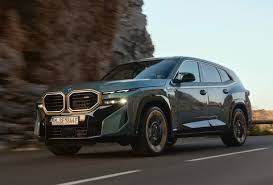
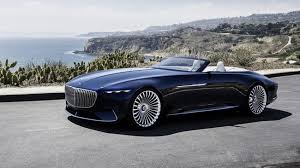
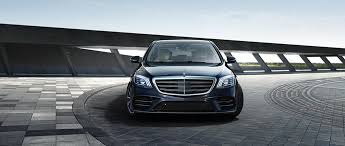
Winner: BMW
BMW has made significant strides in the luxury electric sedan space. The i7, BMW’s electric flagship, is a bold statement of intent for 2025, blending futuristic design with breathtaking performance and a spacious, tech-laden cabin that can rival any limousine. Its range and charging capabilities are highly competitive. The i4, essentially an electric 4 Series Gran Coupe, offers a more accessible entry into BMW’s EV performance world, delivering impressive driving dynamics and practical range.
Mercedes-Benz’s EQ line, while featuring undeniably opulent cabins and serene driving experiences, has sometimes been criticized for its distinct, aerodynamic-focused styling that diverges significantly from its traditional ICE counterparts. The EQE and EQS Sedans offer incredible comfort and advanced MBUX hyperscreen technology. However, their exterior designs can be polarizing, and while the EQS is a technological marvel, the driving engagement often leans more towards isolation than exhilaration. BMW’s strategy of offering electric versions of established, loved models alongside dedicated EV platforms seems to resonate more broadly in 2025.
Luxury Electric SUVs
The demand for electric SUVs shows no signs of slowing down, making this segment critical for luxury SUV market share.
Winner: BMW
The BMW iX continues to be a standout electric SUV for 2025. Its avant-garde design, coupled with powerful acceleration and a remarkably innovative, sustainable interior, makes it a compelling choice. The iX offers generous passenger and cargo space, along with cutting-edge infotainment and ADAS features. Its range and charging speed are also highly competitive, making it a practical choice for long-distance travel.
Mercedes-Benz offers a broader, though sometimes confusingly named, lineup with the EQB, EQE SUV, and EQS SUV. These vehicles offer the signature Mercedes luxury experience with elegant interiors and sophisticated technology. However, some models, like the EQB, can feel a bit constrained in terms of range or cargo capacity compared to rivals. The EQS SUV is supremely luxurious but comes with a significant price tag, and its overall efficiency sometimes trails the iX. The iX’s holistic package of performance, utility, and forward-thinking design gives it a slight edge in this increasingly crowded field.
Luxury Large Cars
The full-size luxury sedan remains the pinnacle of automotive opulence, showcasing a brand’s ultimate capabilities in design, technology, and comfort. Buyers in this segment often consider best luxury sedan 2025 rankings.
Winner: Mercedes-Benz
The Mercedes-Benz S-Class, universally acknowledged as the “standard of the world,” retains its crown in 2025. This vehicle is more than just a car; it’s a mobile sanctuary. Its interior is a masterclass in materials, craftsmanship, and technology integration, offering unparalleled comfort and refinement. The latest iterations of MBUX, including advanced voice control and augmented reality features, create a seamless, intuitive user experience. The S-Class effortlessly shields occupants from the outside world, delivering a supremely composed and effortless ride.
BMW’s 7 Series, completely reimagined for the modern era, is a formidable competitor. It offers powerful engines (including compelling electric and PHEV options) and an interior that is undeniably modern and technologically advanced. The 7 Series embraces bolder design choices and offers more engaging driving dynamics than its Mercedes counterpart. However, while it pushes boundaries with features like the theatre screen and crystalline details, the S-Class’s timeless elegance and ultimate comfort still hold a slight, undeniable lead for those prioritizing serene luxury above all else.
Luxury Large SUVs
Big, bold, and brimming with luxury, these SUVs cater to families and individuals seeking space, prestige, and power.
Winner: BMW
The BMW X7 continues to impress in 2025, scaling up BMW’s successful SUV formula to a full-size, three-row machine. Its sharp exterior design, combined with an exceptionally well-appointed cabin, offers comfortable seating for up to seven adults in the first and second rows. The iDrive system, once a learning curve, has become more intuitive, seamlessly integrating digital and tactile controls. The X7 delivers a surprisingly agile driving experience for its size, without sacrificing ride comfort.
Mercedes-Benz offers the GLS, a direct competitor to the X7, known for its elegant interior, supremely refined ride, and advanced MBUX system. It’s an excellent vehicle, providing robust luxury and utility. The G-Class, while iconic and incredibly capable off-road, remains a niche product. Its rugged, utilitarian origins, while part of its charm, can sometimes compromise its on-road luxury and efficiency compared to a purpose-built luxury SUV like the X7 or GLS. For a blend of luxury, family utility, and surprising athleticism, the X7 maintains a slight advantage.
Luxury Midsize Cars
The midsize luxury sedan segment balances performance, comfort, and everyday usability, often serving as a brand’s volume seller in the sedan market.
Winner: Tie
This segment is too close to call, with both brands offering incredibly compelling vehicles that cater to slightly different tastes.
The Mercedes-Benz E-Class remains a benchmark for sophistication and technological prowess. Its interior is a sanctuary of comfort and high-tech elegance, often borrowing design cues from the S-Class. The ride is impeccably refined, and its suite of driver-assistance features is among the most comprehensive in the industry. The E-Class offers a balanced blend of luxury and performance, with a wide range of potent and efficient powertrains. The new CLE, merging the C-Class Coupe and E-Class Coupe, is a striking two-door option.
BMW’s 5 Series, particularly with its latest iterations, continues to evolve. While traditionally known for its athletic prowess, the 2025 model further refines its ride quality and introduces more advanced infotainment and driver aids. It still offers a range of potent engines, including PHEV and fully electric i5 variants, ensuring that the “driving machine” ethos remains, albeit with a broadened definition. The choice between the E-Class and 5 Series often comes down to personal preference: ultimate comfort and digital luxury for Mercedes, or a slightly more engaging, driver-focused experience for BMW.
Luxury Midsize SUVs
This is perhaps the most competitive segment in the luxury market, combining prestige with versatility for a wide audience.
Winner: Mercedes-Benz
The Mercedes-Benz GLE-Class stands out in 2025 as a segment leader. It consistently offers a harmonious blend of a spacious, impeccably crafted cabin, cutting-edge technology (including the intuitive MBUX), and a wonderfully compliant, refined ride. Its recent updates, including standard all-wheel drive across many trims and a growing selection of efficient plug-in hybrids, make it an incredibly well-rounded luxury SUV. The GLE also offers a wide range of powerful engine options, including AMG variants for those seeking more thrill.
BMW’s X5 is an equally revered competitor, known for its upscale interior, powerful engine options, and distinctly more athletic handling than its Mercedes counterpart. The X5 offers a strong proposition, particularly for drivers who appreciate a more involved driving experience from their SUV. Its coupe-styled X6 sibling caters to a specific design preference. While the X5 is excellent, the GLE’s overall refinement, plush ride quality, and slightly more user-friendly technology interface often give it a marginal edge for the broader luxury SUV buyer.
Luxury Small Cars
Entry-level luxury sedans and coupes are vital for attracting new customers to a brand.
Winner: BMW
The BMW 3 Series has long been the benchmark for the small luxury sedan, and it continues this legacy into 2025. It remains incredibly fun to drive, offers a range of powerful and efficient engines, boasts a surprisingly spacious interior for its class, and features a practical trunk. Its engaging chassis and precise steering are hallmarks of BMW’s driving heritage. The sportier 2 Series coupe and the versatile 4 Series (available in coupe, convertible, and Gran Coupe forms) further solidify BMW’s dominance in this segment.
Mercedes-Benz counters with the C-Class and CLA. The C-Class offers a highly refined, scaled-down S-Class experience with a truly opulent interior and advanced technology. It provides a comfortable and sophisticated ride. The CLA, while stylish and packed with tech, sometimes sacrifices practicality and rear-seat comfort for its coupe-like aesthetic. While both Mercedes models are commendable, BMW’s small car lineup, particularly the 3 Series, offers a more consistently engaging driving experience that enthusiasts crave.
Luxury Sports Cars
For those who prioritize unadulterated performance and driving exhilaration, this segment is where brands truly showcase their engineering prowess. BMW M series price and Mercedes AMG performance are often key considerations here.
Winner: BMW
BMW has an undeniable edge in the sheer breadth and depth of its performance offerings. The M3 and M4 are iconic sport sedans and coupes, delivering blistering performance and track-honed dynamics. The M2, particularly in its latest generation, is arguably the purest embodiment of BMW’s performance heritage, offering a visceral driving experience. For open-air enthusiasts, the Z4 roadster provides a stylish and engaging drive. BMW’s strategy of offering high-performance “M” variants across many of its core models ensures a wide range of choices for performance enthusiasts.
Mercedes-Benz, through its AMG division, offers dedicated sports cars like the impressive AMG GT and the elegant SL grand tourer. The AMG GT is a thrilling, focused machine, and the SL provides a luxurious, high-performance convertible experience. However, BMW’s diverse portfolio of true sport sedans, coupes, and roadsters, all imbued with that distinct “Ultimate Driving Machine” DNA, offers a broader appeal for a variety of sports car buyers. The Mercedes AMG performance is potent, but BMW’s integration of performance across its lineup is more comprehensive.
Luxury Subcompact SUVs
The entry-level SUV segment is growing, offering urban maneuverability with luxury appointments.
Winner: BMW
The BMW X1 stands out as the clear leader in the subcompact luxury SUV category for 2025. It masterfully utilizes its compact footprint to provide a surprisingly spacious and well-appointed interior. Its long list of standard features, coupled with a dynamic yet comfortable ride, makes it a compelling package. The X2, with its sportier, coupe-like profile, offers an alternative for those prioritizing style. BMW has truly made the X1 feel like a genuine luxury vehicle, not merely a scaled-down version.
The Mercedes-Benz GLA, while stylish and offering an upscale cabin, sometimes struggles to match the X1’s overall refinement and cargo capacity. While fun to drive, it doesn’t quite achieve the same balance of comfort and responsiveness that the X1 delivers. The X1’s confident handling and superior interior space for its class solidify its victory here.
Key Performance Indicators: A 2025 Perspective
Safety & Driver Assistance
In 2025, safety extends beyond passive crash protection to sophisticated active systems and advanced driver assistance. Advanced driver assistance systems luxury vehicles are expected to have near-autonomous capabilities.
Winner: BMW
Both brands are at the forefront of automotive safety, offering comprehensive suites of ADAS technologies. However, BMW has consistently integrated these features in a way that feels intuitive and less intrusive to the driver. By 2025, BMW’s semi-autonomous driving features, such as enhanced Highway Assistant with active lane change assist, are among the most refined. Features like predictive collision avoidance, sophisticated lane-keeping systems, and advanced parking assistance are seamlessly integrated into the driving experience across most of their lineup, from the 2 Series to the X7. Their robust platform ensures consistent performance across diverse models, including many of their EVs which are now receiving comprehensive safety evaluations.
Mercedes-Benz also offers stellar safety features, with its PRE-SAFE systems and active driving assists often setting industry standards. Their systems are incredibly effective, particularly in models like the S-Class and E-Class. However, in a direct comparison, BMW’s implementation often feels marginally more responsive and ‘driver-centric,’ fitting its brand philosophy.
Performance & Driving Dynamics
Performance in 2025 is a multi-faceted concept, encompassing raw power, handling precision, and the exhilarating delivery of torque, especially with the rise of EVs.
Winner: BMW
BMW’s reputation as “The Ultimate Driving Machine” holds strong. Across its entire lineup, from the nimble 3 Series to the imposing 7 Series and the electric iX, BMW vehicles are engineered to engage the driver. The immediate, silent surge of power in its i4, i7, and iX EVs delivers a novel form of performance exhilaration that perfectly complements its traditional M-car prowess. The M3, M4, and M2 continue to be benchmarks for track-capable sports cars that are also usable daily.
Mercedes-Benz offers incredible performance through its AMG division, with cars like the AMG GT and high-horsepower AMG variants of almost every model. The EQS sedan, despite its size, delivers impressive acceleration. However, Mercedes often prioritizes a smoother, more isolated ride, even in its performance models, sometimes diluting the raw driver feedback that BMW actively cultivates. For pure, unadulterated driving engagement and a consistent performance ethos across the board, BMW retains its edge.
Reliability & Ownership Experience
Beyond initial purchase, the long-term reliability and overall ownership experience are crucial aspects of luxury vehicle ownership. This includes resale value luxury cars and luxury vehicle financing options.
Winner: BMW
While both brands offer premium vehicles that represent significant investments, recent data and market sentiment suggest BMW often holds a slight advantage in predicted reliability across a broader range of its models for 2025. BMW has consistently performed well in long-term dependability studies, with models like the X3, X1, 2 Series, and 7 Series often scoring “Great” or “Best” from independent evaluators. Their consistent development and robust engineering across traditional and electric powertrains contribute to this. Both brands offer competitive four-year/50,000-mile powertrain warranties, but BMW’s electric battery warranties are also robust.
Mercedes-Benz vehicles are undeniably well-engineered, but some models have occasionally shown more variability in long-term reliability scores compared to BMW. Their EV battery warranty (10 years/155,000 miles) is commendable, but a more consistent reliability showing across their wider fleet would solidify their standing. Ownership experience is also about servicing, technological updates, and access to premium support, where both brands generally excel. However, BMW’s slightly more consistent reliability profile across more models gives it a marginal win here.
Interior Design & Technology
The cabin is where luxury truly comes alive, a space where design, materials, comfort, and cutting-edge technology converge. This is where luxury vehicle interior design trends are forged.
Winner: Mercedes-Benz
If BMW is the performance champion, Mercedes-Benz is undoubtedly the reigning monarch of interior luxury. In 2025, from the majestic S-Class to the opulent GLE and the high-tech E-Class, Mercedes-Benz continues to set the industry standard for automotive interiors. The fit and finish are consistently exquisite, the material choices are sumptuous, and the design language creates an enveloping sense of occasion. The MBUX infotainment system, with its expansive Hyperscreen option and advanced voice assistant, offers a truly futuristic and intuitive user experience that prioritizes comfort and digital serenity.
BMW has made significant strides, particularly in models like the X1, X3, and the avant-garde i7, which offer outstanding cabins with excellent build quality and advanced technology. The iDrive system is powerful and responsive. However, Mercedes-Benz’s interiors generally exude a slightly higher degree of luxury, warmth, and artistic flair. They often feel more like bespoke living spaces, while BMW’s, though exceptionally well-executed, tend to remain more focused on the driver. For sheer lavishness, technological integration, and ultimate passenger comfort, Mercedes-Benz remains the benchmark.
The Overall Verdict for 2025: BMW Edges Ahead
After a decade of observing these automotive giants, and evaluating their offerings through the lens of 2025’s dynamic market, the competition remains incredibly fierce. Both BMW and Mercedes-Benz deliver solid, world-class products that define modern luxury. However, in a direct head-to-head comparison across segments and key attributes, BMW edges out Mercedes-Benz in 2025.
BMW consistently demonstrates a more balanced approach, successfully integrating its core “driving machine” philosophy into its expanding electric lineup while elevating interior quality and technological sophistication. The brand’s vehicles offer a compelling blend of engaging driving dynamics, refined comfort, cutting-edge technology, and consistent reliability across a broader range of segments. BMW has shown that performance and luxury are not mutually exclusive, even in the era of electrification.
Mercedes-Benz remains a titan of comfort, opulence, and groundbreaking interior technology. Its S-Class and E-Class continue to define luxury sedans, and its MBUX system is arguably the most advanced on the market. However, BMW’s broader wins in the highly competitive SUV and electric vehicle segments, coupled with its consistent emphasis on driver engagement and reliability, tip the scales in its favor for the discerning luxury buyer of 2025.
As both brands continue to innovate at a breathtaking pace, pushing the boundaries of electric mobility, autonomous capabilities, and personalized digital experiences, the rivalry will only intensify. What is clear is that buyers of premium vehicles in 2025 are spoiled for choice, no matter which German marque they ultimately choose.
Ready to experience the future of luxury driving for yourself? Explore the groundbreaking 2025 lineups from BMW and Mercedes-Benz and discover which legendary marque truly aligns with your vision of the ultimate driving experience. Visit your nearest dealership or configure your dream vehicle online today.