
The German Titans: A 2025 Expert Showdown Between BMW and Mercedes-Benz
For discerning luxury automotive enthusiasts, the rivalry between BMW and Mercedes-Benz isn’t just a comparison; it’s a foundational debate, the very cornerstone of the premium market. These two German powerhouses have consistently pushed the boundaries of engineering, design, and technological innovation for decades, defining what it means to own a truly exceptional vehicle. As we navigate the rapidly evolving landscape of 2025, with electrification gaining unprecedented momentum, autonomous features becoming standard, and digital integration reaching new heights, understanding where these titans stand is more crucial than ever.
Having spent over a decade immersed in the nuances of the luxury automotive sector, I’ve witnessed firsthand how these brands adapt, innovate, and occasionally stumble. While BMW traditionally staked its claim as “The Ultimate Driving Machine,” a beacon for performance and driver engagement, Mercedes-Benz cultivated a reputation for unparalleled comfort, opulent interiors, and a serene, sophisticated driving experience, often viewed as the epitome of prestige. In 2025, these distinct personalities continue to evolve, blending and blurring as both brands strive for comprehensive excellence across every segment. The question isn’t merely which one is “better,” but which one aligns more perfectly with your vision of future luxury motoring. Let’s delve deep into their offerings, segment by segment and attribute by attribute, to illuminate the true champions of the modern luxury arena.
Navigating the Future: Segment-by-Segment Analysis (2025 Perspective)
Luxury Compact & Subcompact SUVs
The entry point into the luxury SUV market is fiercely contested, with both BMW and Mercedes-Benz offering compelling options that blend practicality with premium appeal. For 2025, BMW continues to impress with its X1 and X3, maintaining their edge in athleticism and driver connectivity. The X1, particularly with its latest iteration, presents a surprisingly spacious and tech-forward cabin, delivering a compelling blend of comfort and responsiveness that belies its compact footprint. The X3 further refines this formula, offering potent powertrains and sharper handling, consistently earning high marks for its engaging driving dynamics and well-appointed interior. Upcoming updates, potentially leveraging early learnings from BMW’s Neue Klasse EV architecture, are anticipated to further enhance interior tech and sustainability aspects, keeping these models at the forefront.
Mercedes-Benz counters with the GLA and GLB, alongside the more refined GLC. The GLA offers a spirited drive and an upscale cabin, though it can sometimes feel less polished than other Mercedes models. The GLB stands out with its optional three-row seating, a rare feature in this class, appealing to urban families needing versatility. The GLC, however, is where Mercedes truly shines in this segment, offering a plush interior, advanced MBUX infotainment, and a serene ride quality that emphasizes comfort. While BMW often leads on sheer driving enjoyment, Mercedes-Benz frequently wins on interior ambiance and perceived luxury in these smaller SUV categories.
Luxury Midsize & Large SUVs
As we ascend the SUV hierarchy, the stakes rise significantly. BMW’s X5 and X7 continue to be formidable contenders for 2025. The X5, often considered the benchmark for midsize luxury SUVs, blends a commanding road presence with a dynamic driving experience and a high-tech cabin. Its updated ADAS features, including advanced lane-keeping and potentially more sophisticated semi-autonomous highway driving aids, further enhance its appeal. The BMW X7, a true three-row luxury behemoth, scales up these attributes, offering impressive comfort for seven passengers, an exquisite interior, and formidable powertrain options. Despite the learning curve of the iDrive system, its performance and luxury integration are undeniably strong.
Mercedes-Benz fields the GLE and GLS to challenge BMW. The Mercedes-Benz GLE remains a perennial favorite, its spacious and elegant cabin effortlessly integrating modern technology without feeling overwhelming. For 2025, expect further refinements to its MBUX system and potentially an expansion of its plug-in hybrid offerings. The GLS, Mercedes’ answer to the X7, is a mobile sanctuary, offering an exceptionally refined ride, world-class materials, and the unparalleled comfort that Mercedes-Benz is known for. The iconic G-Class, while a niche player, continues its reign as the ultimate luxury off-roader, balancing rugged capability with lavish appointments – though its unique attributes mean it’s not a direct competitor to the X7 or GLS in terms of on-road refinement. In the realm of family luxury and spacious sophistication, Mercedes-Benz often holds a slight edge due to its unwavering commitment to ultimate comfort and opulent design, making them a strong contender for those considering high-end vehicle financing for family-oriented luxury.
Luxury Small & Midsize Sedans
Though SUVs dominate the market, the small and midsize luxury sedan segments remain crucial battlegrounds for brand identity. BMW’s 3 Series and 5 Series are legendary for their engaging driving experience. The 3 Series, especially, continues its legacy as the benchmark sport sedan, offering powerful engines, razor-sharp handling, and a driver-focused cockpit. For 2025, expect further technological enhancements, including advanced digital cockpits and potentially mild-hybrid powertrains as standard. The redesigned 2024 BMW 5 Series (G60) carries this torch, offering a more refined ride and significantly enhanced technology, including BMW’s latest iDrive iterations, while still delivering that familiar punch from its potent engine lineup. It might have softened some of its predecessors’ raw steering feedback, but it remains a supremely capable and luxurious daily driver.
Mercedes-Benz counters with the C-Class and E-Class, both showcasing the brand’s commitment to sophisticated luxury. The C-Class offers a plush, high-tech interior that often feels like a miniature S-Class, prioritizing comfort and refinement over outright sportiness. The Mercedes-Benz E-Class, particularly with its 2025 enhancements, continues to stand out as a cornerstone of its segment. It delivers a supremely comfortable and quiet ride, boasting a wildly high-tech cabin with the latest MBUX innovations, sometimes even challenging the segment above it in terms of luxury features. While the tech can initially feel overwhelming, its refinement and impressive list of driver-assistance features are second to none. The new CLE coupe and convertible further solidify Mercedes’ presence, offering a blend of elegance and performance. In these segments, the choice often boils down to a preference for BMW’s dynamic engagement versus Mercedes-Benz’s serene luxury and cutting-edge interior ambiance.
Luxury Large Sedans (Flagships)
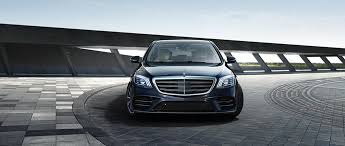
This is where both brands make their ultimate statements. The Mercedes-Benz S-Class remains, in 2025, the undisputed benchmark for luxury flagship sedans. Its cabin is a masterclass in opulent design, insulating occupants from the outside world while providing an unrivaled level of comfort and technological integration, including the advanced MBUX Hyperscreen and, in select markets, Level 3 autonomous driving capabilities. Few cars can rival its blend of prestige, refinement, and sensory delight. The S-Class is often the default choice for those seeking the pinnacle of traditional luxury.
BMW’s answer, the 7 Series and its all-electric sibling, the i7, takes a bolder, more futuristic approach. Its polarizing design, particularly the front fascia, sets it apart, while the interior offers a modern, high-tech sanctuary complete with the stunning 31.3-inch Theatre Screen for rear passengers. While the 7 Series offers more engaging handling than its S-Class counterpart, prioritizing a dynamic driver experience even in this full-size segment, Mercedes-Benz’s S-Class still holds the edge for sheer comfort and universally acclaimed opulence. The Mercedes-Benz S-Class vs. BMW 7 Series 2025 debate is less about a clear winner and more about two distinct visions of ultra-luxury.
Luxury Electric Vehicles (Dedicated Platforms)
The EV revolution is perhaps the most significant battleground, and both brands are heavily invested in an all-electric future. BMW’s i-range, including the i4, i5, i7, and iX, showcases a strong commitment to electrifying their core lineup while maintaining their performance DNA. The BMW i7 is an electric flagship, offering dominant performance and bold styling, while the i4 proves an engaging, electrified take on the 4 Series Gran Coupe. The BMW iX stands out as a unique and luxurious electric SUV with impressive range, powerful acceleration, and a spacious, cutting-edge interior. Looking ahead to 2026 and beyond, BMW’s “Neue Klasse” architecture promises to redefine their EV offerings, focusing on native electric performance, range, and digital experiences.
Mercedes-Benz has embraced electrification with its distinctive EQ lineup, including the EQE and EQS Sedans and SUVs. While the naming convention can be a bit opaque, these vehicles consistently deliver serene driving dynamics, opulent cabins (especially the EQS with its Hyperscreen), and impressive range figures. The EQS Sedan often leads in range and interior grandeur, attempting to replicate the S-Class experience in electric form. However, some EQ models have faced criticism for their cargo capacity relative to rivals or their driving range compared to the premium price point. Mercedes’ approach emphasizes a smooth, quiet, and ultra-luxurious EV experience, focusing on digital integration and advanced battery technology. As the market matures, the efficiency of EV infrastructure luxury will become a critical differentiator, a space both brands are actively investing in.
Luxury Sports Cars & Performance Divisions
For enthusiasts seeking pure adrenaline, the performance divisions are where dreams are made. BMW’s M division continues to deliver some of the most exhilarating sports cars on the market. The BMW M2 encapsulates the brand’s performance heritage in a compact, potent package, while the M3 and M4 remain legendary sport sedans and coupes, offering uncompromising performance. The BMW M Series Performance Review consistently highlights their track-ready capabilities, precision engineering, and the visceral connection they forge with the driver. Even the Z4 roadster provides open-air thrills with a compelling blend of luxury and sport.
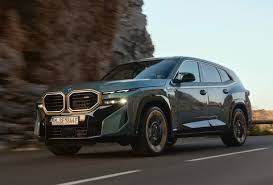
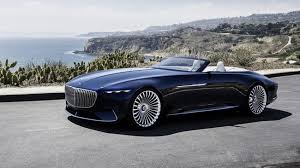
Mercedes-AMG, on the other hand, offers a slightly different flavor of high-performance luxury. While they provide powerful AMG variants across nearly every Mercedes model, their dedicated sports cars like the AMG GT and the luxurious SL roadster offer exhilarating performance wrapped in sophisticated packages. The Mercedes-AMG Latest Models often blend raw power with exquisite craftsmanship and a level of comfort that makes them excellent grand tourers. While BMW’s M cars often feel more raw and driver-focused, AMG vehicles frequently offer a more theatrical experience, combining immense power with lavish interiors and often more expressive exhaust notes. The choice here depends on whether you prefer the surgical precision of M or the dramatic luxury performance of AMG.
Holistic Evaluation: Beyond the Segment Wars (2025 Metrics)
Interior Design & Technology
This category is where the distinct philosophies of BMW and Mercedes-Benz truly shine. Mercedes-Benz consistently sets the industry benchmark for interior luxury, particularly with models like the E-Class, GLE, GLS, and the gold-standard S-Class. Their cabins are architectural marvels, blending high-quality materials, ambient lighting, and the MBUX system with its stunning Hyperscreen into a cohesive, opulent experience. The focus is on enveloping occupants in a cocoon of comfort and cutting-edge digital integration, offering a highly personalized luxury vehicle interior experience.
BMW, while still offering excellent fit and finish, takes a more driver-centric approach. Their cabins are ergonomically focused, with the latest iDrive iterations evolving to be more intuitive, alongside advanced augmented reality displays. Models like the X1, X3, and i7 offer outstanding build quality and modern aesthetics, though they might not always achieve the sheer “wow” factor of a Hyperscreen. BMW’s integration of digital services and subscription-based features also reflects a modern, customizable approach to luxury, albeit one that sometimes sparks debate among purists.
Driving Dynamics & Performance
BMW’s reputation as the “Ultimate Driving Machine” remains largely intact for 2025. Across its lineup, from the nimble 2 Series to the sophisticated 7 Series and the electric iX, BMW vehicles are engineered to excite the driver. Precision steering, balanced chassis dynamics, and powerful powertrains – both internal combustion and electric – define the BMW experience. Even their electric vehicles like the i4 and i7 achieve high performance scores, proving that electrification doesn’t mean sacrificing driving pleasure.
Mercedes-Benz delivers a different kind of performance. While AMG models offer ferocious power, the core Mercedes lineup prioritizes a refined, serene ride. Power delivery is smooth and effortless, and the suspension systems are tuned for ultimate comfort. While not as overtly sporty as BMW, models like the S-Class and EQS sedan still offer impressive performance figures, albeit with a focus on seamless integration and quiet composure. For those who prioritize a cushioned, effortless journey over aggressive cornering, Mercedes-Benz often provides a more suitable experience.
Safety & Advanced Driver-Assistance Systems (ADAS)
In 2025, both BMW and Mercedes-Benz offer comprehensive safety suites and top-tier ADAS capabilities. Both brands provide a full complement of features like forward collision avoidance, lane-departure warning, adaptive cruise control, and sophisticated parking assistance systems. Mercedes-Benz, particularly with its S-Class and EQS models, is often at the forefront of implementing higher levels of autonomous driving, with Level 3 systems available in specific markets, allowing for hands-off driving in certain conditions.
BMW also equips its vehicles with advanced safety tech, consistently earning high ratings from independent organizations. Models like the 2, 3, 5 Series, and X3 are praised for their robust safety features. The focus for both brands is not just on preventing accidents but also on reducing driver fatigue and enhancing convenience through Advanced Driver-Assistance Systems luxury. The challenge remains the consistent evaluation of newer electric and conventionally powered models, which can sometimes lag behind production timelines.
Reliability & Ownership Experience
Reliability scores for both brands can vary across models, but generally, both offer robust engineering backed by standard four-year/50,000-mile powertrain warranties. BMW typically reports more comprehensive reliability data across its lineup, with models like the X1, X3, 2 Series, and 7 Series consistently earning “Great” scores from J.D. Power. BMW’s electric battery packs are backed by an eight-year/100,000-mile warranty, providing peace of mind.
Mercedes-Benz also offers competitive warranties, with their EV batteries boasting an impressive 10-year/155,000-mile warranty. While fewer Mercedes models report reliability scores, those that do, like the E-Class and GLE, tend to perform well. When considering luxury car ownership costs and resale value BMW Mercedes, both brands hold their value relatively well within the premium segment, though individual model popularity and market demand can influence specific depreciation rates. The premium ownership experience, including dealer service and available concierge services, is a strong point for both.
Brand Philosophy & Future Vision
BMW’s future vision centers on “Joy” – the joy of driving, the joy of innovation, and the joy of ownership. Their strategy for 2025 and beyond is heavily invested in “Neue Klasse,” a dedicated electric platform designed to deliver next-level performance, digital user experiences, and sustainable manufacturing. The brand aims to retain its driver-centric focus even as it embraces electrification and automation, appealing to those who desire a dynamic, technologically advanced, and emotionally engaging vehicle.
Mercedes-Benz operates under the motto “The Best or Nothing.” Their future is defined by a relentless pursuit of luxury, technological grandeur, and an unparalleled customer experience. They are focused on becoming a software-defined luxury company, with advanced MBUX systems, personalized digital services, and a strong emphasis on sustainability throughout their supply chain. Mercedes-Benz seeks to create mobile sanctuaries, where comfort, safety, and intuitive technology converge to offer a truly sophisticated and effortless journey. Their approach appeals to those who prioritize prestige, refinement, and state-of-the-art innovation that simplifies and elevates daily life.
The Verdict: Two Paths to Pinnacle Luxury
In 2025, the rivalry between BMW and Mercedes-Benz is as compelling as ever, yet the landscape has shifted. There’s no single, definitive winner, but rather two distinct, equally valid interpretations of luxury motoring.
BMW often retains its edge for the driver who cherishes engagement, precision, and athletic performance. Its current lineup, and particularly its future trajectory with Neue Klasse, promises a dynamic and technologically forward experience that doesn’t compromise on the thrill of driving. BMW frequently comes out on top in segments where performance and direct driver connection are paramount, including compact SUVs, small sedans, and sports cars, and has made significant strides in the electric vehicle space.
Mercedes-Benz continues to dominate in areas where ultimate comfort, opulent interiors, and sophisticated technology create an enveloping luxury experience. Their S-Class remains the gold standard, and models like the E-Class and GLE consistently set benchmarks for refinement and interior ambiance. For those who prioritize being chauffeured in sublime comfort, surrounded by cutting-edge digital elegance, and appreciate a serene, effortless drive, Mercedes-Benz often stands unmatched.
Ultimately, your choice between these German titans will depend on your personal priorities. Do you crave the exhilaration of the drive, the precise handling, and a more driver-focused cockpit? BMW might be your sanctuary. Or do you seek unparalleled comfort, a lavish interior, and the latest in digital and semi-autonomous luxury features? Mercedes-Benz likely holds the key.
Both brands are navigating the future with incredible innovation, sustainability at their core, and an unwavering commitment to luxury. The true winner, in 2025, is the discerning consumer who has the privilege of choosing between these two titans.
Ready to experience the future of luxury for yourself? Explore the latest BMW and Mercedes-Benz models, delve into their innovative features, and schedule a test drive to discover which German titan truly resonates with your vision of premium motoring. Your ultimate driving experience or opulent sanctuary awaits.