
The Enduring Reign: BMW vs. Mercedes-Benz in 2025’s Luxury Landscape
In the perpetually evolving landscape of premium automobiles, two titans have consistently redefined luxury for generations: BMW and Mercedes-Benz. As we navigate 2025, the rivalry between these German automotive giants isn’t just about horsepower or leather upholstery anymore; it’s a dynamic battleground of advanced technology, sustainable innovation, electric prowess, and an ever-shifting definition of what truly constitutes a high-end driving experience. For a decade, I’ve tracked the intricate movements of these brands, witnessing firsthand their ambitious leaps and subtle refinements. If you’re embarking on a journey to acquire a new luxury vehicle in 2025, understanding the nuanced strengths of each marque is more crucial than ever.
Historically, the personas were clearly drawn: BMW, “The Ultimate Driving Machine,” championed driver engagement and athletic performance, while Mercedes-Benz epitomized serene comfort, opulent interiors, and an undeniable sense of prestige. Today, these lines have blurred, with both brands fiercely vying for dominance in every segment, often borrowing pages from each other’s playbooks. Yet, distinct philosophies persist, offering discerning buyers a choice between two equally compelling, yet fundamentally different, visions of luxury. From sophisticated sedans to commanding SUVs and the rapidly expanding realm of electric vehicles, let’s peel back the layers to uncover who truly stands as the cornerstone of the premium automotive market in 2025.
Luxury Compact SUVs: Agility Meets Practicality
The luxury compact SUV segment remains a fierce battleground, appealing to urban dwellers and small families alike who demand a blend of utility, sophistication, and spirited performance. In 2025, BMW continues to hold a compelling edge here, primarily with the updated X3 and its fastback counterpart, the X4.
The 2025 BMW X3 remains a benchmark. Its athletic chassis, precise steering, and array of potent yet efficient powertrains—including advanced mild-hybrid and a robust plug-in hybrid option—make it genuinely engaging to drive. The cabin, while not as overtly flashy as some rivals, boasts excellent ergonomics, premium materials, and BMW’s latest iDrive infotainment system, which has evolved into a highly intuitive digital ecosystem. The X3’s spaciousness for its class, particularly in the rear seats and cargo area, continues to be a major selling point. For those seeking a sportier aesthetic without sacrificing too much utility, the X4 offers a coupe-like roofline with nearly identical driving dynamics.
Mercedes-Benz counters with the 2025 GLC and the versatile GLB. The GLC, often considered the most direct competitor to the X3, offers a palpably plush ride and an interior that is immediately recognizable for its aesthetic flair and the prominent MBUX infotainment system. Mercedes has further refined the GLC’s comfort-oriented suspension, making it a serene cruiser. However, its handling, while composed, doesn’t quite match the X3’s outright dynamism. The 2025 Mercedes-Benz GLB offers a unique proposition with its optional third row, a rare feature in this class, appealing to those needing occasional extra seating. While practical and stylish, the GLB’s performance and overall refinement are a step below its larger stablemates and the X3, focusing more on value and versatility within the luxury subcompact SUV market.
Winner: BMW – For its superior blend of driver engagement, cabin refinement, and practical space, the X3 remains the top choice for those prioritizing the “driving machine” ethos in an SUV package.
Electric Luxury Cars: The Silent Revolution
The electrification race is in full swing, and both BMW and Mercedes-Benz are pouring significant resources into their EV lineups. In 2025, BMW’s strategy of electrifying existing, acclaimed platforms continues to pay dividends, giving it a lead in the luxury electric car arena.
The 2025 BMW i7, the electric flagship based on the 7 Series, is a statement piece. It boasts commanding acceleration, an otherworldly quiet cabin, and a rear-seat experience that includes an available 31-inch Theatre Screen, transforming it into a mobile cinematic lounge. Its bold design, combined with refined road manners and competitive range figures, makes it a compelling choice for the ultra-luxury EV buyer. Further down the line, the 2025 BMW i5 (electric 5 Series) and BMW i4 (electric 4 Series Gran Coupe) offer exhilarating performance and BMW’s signature driving dynamics, now delivered with instant electric torque. The i4, in particular, maintains an athletic stance and engaging feedback, appealing to traditional BMW enthusiasts making the switch to electric.
Mercedes-Benz, with its dedicated EQ platform, offers the 2025 Mercedes-Benz EQS Sedan and EQE Sedan. These vehicles are engineering marvels, distinguished by their “cab-forward” design, ultra-low drag coefficients, and the optional MBUX Hyperscreen, which is a visual spectacle. The EQS, in particular, delivers a whisper-quiet, cloud-like ride, prioritizing ultimate comfort and technological immersion. However, the EQS’s bulbous styling isn’t universally loved, and its driving dynamics, while excellent, don’t quite match BMW’s precise steering feel. The EQE offers a similar experience in a slightly smaller, more agile package. While impressive, Mercedes’ early EV models have sometimes faced criticism for a slightly less intuitive charging experience or range consistency compared to some rivals.
Winner: BMW – By seamlessly integrating electrification into its proven platforms, BMW offers a more diverse range of electric luxury cars that better balance performance, design, and a traditional driving feel, making them arguably more appealing to a broader luxury audience in 2025.
Electric Luxury SUVs: Family Haulers of Tomorrow
The demand for luxury electric SUVs is skyrocketing, and both brands are expanding their offerings. In 2025, BMW continues its strong momentum in this growing segment.
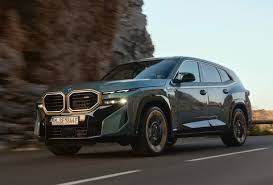
The 2025 BMW iX is a revolutionary design for BMW, a dedicated electric SUV that boldly reinterprets the brand’s aesthetic. Inside, it’s a masterclass in modern luxury: sustainable materials, a stunning curved display, and a spacious, airy cabin that feels truly cutting-edge. The iX delivers potent acceleration, competitive range, and a surprisingly composed ride for its size. Its futuristic appeal, combined with BMW’s refined powertrain management, positions it as a leader in the segment. The upcoming 2025 BMW iX3 (based on the X3) and larger BMW iX5 (based on the X5) are also anticipated to provide more traditional SUV silhouettes with strong electric performance and range, further solidifying BMW’s stance.
Mercedes-Benz offers a suite of electric SUVs: the 2025 EQB SUV, EQE SUV, and EQS SUV. The EQB, based on the GLB, offers a compact, practical electric option, sometimes with optional third-row seating, making it a unique family-oriented choice. The EQE SUV and EQS SUV share much of their sedan counterparts’ interior opulence and ride comfort. The EQS SUV, in particular, presents an impressive package of luxury, technology, and space, positioning it as a direct competitor to the iX. However, the overall styling of the EQ range can be polarizing, and some models have faced scrutiny for range figures that, while respectable, might not always lead their class. Cargo capacity in some EQ models also trails class leaders, which can be a consideration for family buyers.
Winner: BMW – The iX’s innovative design, exceptional interior, and strong performance, coupled with anticipated new EV SUV models, give BMW a slight edge in capturing the diverse needs of the luxury electric SUV market in 2025.
Luxury Large Cars: The Pinnacle of Prestige
When it comes to the ultimate statement of luxury large cars, few can challenge the enduring legacy and sheer opulence of the Mercedes-Benz S-Class. In 2025, the Mercedes-Benz S-Class continues its reign as the industry benchmark.
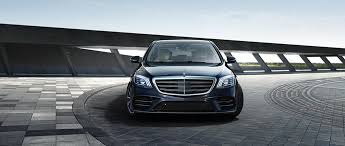
The S-Class isn’t just a car; it’s a mobile sanctuary. Its interior is a masterclass in craftsmanship, material quality, and cutting-edge, yet harmoniously integrated, technology. The ride quality is unparalleled, isolating occupants from the harshest roads with an almost supernatural ease. The MBUX system, especially with its advanced voice recognition (“Hey Mercedes”), remains a marvel of intuitive interaction. For 2025, expect further enhancements in its semi-autonomous driving capabilities, making long journeys even more effortless. This is a car designed to be driven in, offering a rear-seat experience that rivals private jets.
BMW’s answer is the 2025 BMW 7 Series, a vehicle that has aggressively pushed design boundaries and integrated radical technology. The 7 Series offers a more driver-centric experience than its S-Class rival, with sharper handling and a more assertive feel from behind the wheel. Its interior, while incredibly luxurious and technologically advanced (especially with the expansive curved display and available Executive Lounge Seating), has a different aesthetic – more modern and less traditionally ornate than the S-Class. While the 7 Series is a magnificent machine, particularly for those who still enjoy driving their flagship sedan, it hasn’t quite captured the universally acknowledged “gold standard” status that the S-Class commands for sheer, unadulterated luxury and comfort.
Winner: Mercedes-Benz – The S-Class remains the undisputed king of luxury large cars, setting an almost insurmountable standard for comfort, prestige, and technological integration in 2025.
Luxury Large SUVs: Commanding Presence and Capability
For families or individuals seeking a commanding presence, three-row utility, and uncompromising luxury, the luxury large SUV segment offers formidable options. In 2025, BMW demonstrates its prowess here with the X7.
The 2025 BMW X7 is a masterclass in scaling up BMW’s successful SUV formula. It combines muscular proportions with a sophisticated interior that comfortably accommodates seven adults. The cabin is impeccably crafted, featuring BMW’s latest tech seamlessly integrated. Driving the X7 reveals surprising agility for its size, with responsive handling and powerful engine options, including an M Performance variant that delivers exhilarating thrust. The first and second rows offer exceptional comfort, and the third row is genuinely usable for adults on shorter trips, making it a highly practical luxury family hauler.
Mercedes-Benz offers two distinct large SUVs: the 2025 Mercedes-Benz GLS and the iconic G-Class. The GLS is the direct competitor to the X7, offering a similarly upscale cabin, a supremely refined ride, and the intuitive MBUX system. It’s an incredibly comfortable and capable vehicle, excelling at long-distance cruising. The 2025 Mercedes-Benz G-Class (G-Wagen), on the other hand, is a legend. It offers unparalleled off-road capability and a rugged, boxy aesthetic that sets it apart. While its interior is undeniably luxurious, its truck-like underpinnings and focus on off-road prowess mean it sacrifices some on-road comfort and refinement compared to the X7 or GLS, making it a niche, albeit highly desirable, choice.
Winner: BMW – For its superior balance of on-road driving dynamics, luxurious refinement, and genuinely practical three-row seating in a more conventional large SUV package, the X7 edges out the GLS, while the G-Class remains too specialized.
Luxury Midsize Cars: The Sweet Spot
The luxury midsize car segment has long been the heart of both brands, representing the perfect blend of performance, luxury, and everyday usability. In 2025, this category is effectively a tie, as both the Mercedes-Benz E-Class and BMW 5 Series offer distinct yet equally compelling propositions.
The 2025 Mercedes-Benz E-Class continues its legacy as a scaled-down S-Class, providing a wonderfully comfortable and refined ride. Its interior, particularly with the latest iteration of the MBUX system and its stunning ambient lighting, feels incredibly sophisticated and cutting-edge. The E-Class also boasts an impressive array of driver-assistance technologies that enhance safety and reduce driver fatigue. The upcoming 2025 Mercedes-Benz CLE, which merges the C-Class and E-Class coupes and convertibles, will also offer a stylish two-door option with refined powertrains.
The 2025 BMW 5 Series, freshly redesigned, continues to impress with its athletic handling and powerful engine choices, from efficient mild-hybrids to potent M Performance versions. While some enthusiasts might note a slight softening compared to older generations, the 5 Series still provides exceptional driver feedback and engagement for a luxury sedan. Its cabin has also received significant upgrades, becoming more luxurious and tech-forward, bridging the gap with Mercedes in terms of aesthetic appeal. The integration of BMW’s latest iDrive system, featuring advanced connectivity and digital services, enhances the ownership experience.
Winner: Tie – The E-Class remains the standard for effortless comfort and technological elegance, while the 5 Series offers a more engaging and sporty driving experience, catering to different preferences within the same high-end segment.
Luxury Midsize SUVs: The Everyday Executive
For many, the luxury midsize SUV represents the ideal family vehicle, offering ample space, elevated ride height, and a commanding presence without being overly cumbersome. In 2025, Mercedes-Benz’s unwavering commitment to comfort and interior quality gives it the lead here.
The 2025 Mercedes-Benz GLE stands out as a top contender, consistently praised for its spacious and exquisitely crafted cabin. It effortlessly blends modern technology, such as the intuitive MBUX infotainment, with a luxurious ambiance that is both functional and aesthetically pleasing. The GLE’s ride quality is exceptionally smooth, soaking up road imperfections with ease, making it a fantastic long-distance cruiser. For 2025, expect further refinements to its powertrain options, including enhanced plug-in hybrids and new standard features, reinforcing its position as a comfortable, capable, and technologically advanced choice.
The 2025 BMW X5 is an equally revered vehicle in this category. It offers a slightly sportier driving experience than the GLE, with more athletic handling and a sharper steering feel, aligning with BMW’s performance DNA. Its interior is upscale, well-built, and integrates BMW’s latest iDrive system seamlessly. The X5 also offers a compelling range of engines, including a powerful M variant and efficient hybrids. For buyers prioritizing a more engaging drive in their midsize luxury SUV, the X5 is an excellent choice. BMW also offers the X6, a fastback version of the X5, for those seeking a more distinctive, coupe-like profile.
Winner: Mercedes-Benz – The GLE’s superior blend of plush comfort, opulent interior design, and serene ride quality makes it the definitive choice for most buyers in the luxury midsize SUV segment in 2025.
Luxury Small Cars: The Entry Point to Excellence
The luxury small car segment serves as the gateway to these prestigious brands, offering a taste of premium driving in a more accessible package. In 2025, BMW continues to excel in delivering engaging dynamics in this category.
The 2025 BMW 3 Series remains a legend for a reason. It consistently delivers an exhilarating driving experience with its balanced chassis, precise steering, and powerful yet refined engine options. The interior is driver-focused, offering excellent ergonomics and a blend of premium materials and modern technology, including the latest iDrive system. It also boasts a surprisingly spacious cabin and trunk for its class, adding practicality to its sporty credentials. For those who want more style or performance, BMW also offers the sporty 2 Series coupe and the versatile 4 Series (available as a coupe, convertible, and Gran Coupe).
The 2025 Mercedes-Benz C-Class is a formidable competitor, offering a scaled-down S-Class experience with a truly opulent interior for its class. Its ride is more comfort-oriented than the 3 Series, and the MBUX infotainment system, presented on an elegant portrait-style screen, is visually stunning. While refined and technologically rich, the C-Class doesn’t quite match the 3 Series’ raw driver engagement. Mercedes-Benz also offers the entry-level 2025 Mercedes-Benz CLA, a sleek four-door coupe that packs a lot of tech and style into a compact footprint, though its driving dynamics and interior space are a step below the C-Class.
Winner: BMW – For its enduring commitment to driver engagement, balanced performance, and practical everyday usability, the 3 Series continues to be the benchmark in the luxury small car segment.
Luxury Sports Cars: Adrenaline and Artistry
For enthusiasts seeking pure driving exhilaration and finely tuned performance, the luxury sports car segment is where engineering artistry meets raw power. In 2025, BMW’s extensive M division offerings give it a significant lead.
BMW’s M division is synonymous with high-performance. The 2025 BMW M3 and M4 are the quintessential sport sedans and coupes, offering blistering acceleration, track-honed chassis, and an intoxicating engine note. The 2025 BMW M2 distills this performance into an even more compact and agile package, arguably the most direct spiritual successor to BMW’s performance heritage. For those seeking open-air thrills, the 2025 BMW Z4 provides a luxurious roadster experience with potent engines and sharp handling. BMW’s strategy of offering performance variants across its core models ensures a wide range of options for sports car aficionados.
Mercedes-Benz, through its AMG division, also offers incredible performance. The 2025 Mercedes-AMG GT continues to be a dedicated, thrilling sports car, known for its visceral V8 power and dynamic handling. The 2025 Mercedes-Benz SL, reimagined under AMG, has returned to its roots as a luxurious grand-touring roadster, offering a blend of comfort and performance perfect for long, spirited drives. While both are exceptional, Mercedes’ dedicated sports car lineup is narrower, focusing more on bespoke models rather than widespread high-performance variants across its mainstream sedans and coupes like BMW.
Winner: BMW – With its comprehensive and highly acclaimed M division lineup, offering everything from track-ready sedans to agile roadsters, BMW continues to dominate the luxury sports car landscape.
Luxury Subcompact SUVs: Urban Chic and Nimble Dynamics
The burgeoning luxury subcompact SUV market caters to urbanites seeking a premium experience in a highly maneuverable and fuel-efficient package. In 2025, BMW continues to set the standard in this competitive class.
The 2025 BMW X1 remains an undisputed leader. It maximizes its compact footprint with a surprisingly spacious and beautifully crafted cabin, outfitted with a generous list of standard features. Its driving dynamics strike an impressive balance between comfortable city cruising and responsive, agile handling, making it genuinely enjoyable to drive. BMW also offers the 2025 BMW X2, a sportier, coupe-like variant that sacrifices a touch of cargo space for a more distinctive aesthetic, while retaining the X1’s fun-to-drive character and premium feel.
Mercedes-Benz counters with the 2025 Mercedes-Benz GLA. While it offers an upscale cabin and nimble handling, making it suitable for city life, it sometimes feels less refined than other Mercedes SUVs. Its cargo space is notably less generous than the X1, which can be a deciding factor for buyers in this segment. While the GLA is a stylish and capable entry, it doesn’t quite reach the same heights of balanced refinement and practicality that the X1 consistently achieves.
Winner: BMW – The X1’s exceptional blend of space utilization, premium interior, and engaging driving dynamics firmly plant it at the top of the luxury subcompact SUV rankings.
Safety: Proactive Protection and Advanced Assistance
In 2025, luxury vehicle safety transcends basic crash protection, emphasizing advanced driver-assistance systems (ADAS) and intelligent, predictive technologies. Both BMW and Mercedes-Benz invest heavily in this area, but BMW shows a slight edge across its broader lineup.
BMW vehicles consistently earn top safety ratings from organizations like the IIHS and NHTSA. Models like the 2025 BMW 2 Series, 3 Series, 5 Series, and X3 offer comprehensive suites of active safety features as standard or widely available. These include sophisticated forward-collision avoidance with pedestrian and cyclist detection, lane-departure warning, adaptive cruise control with traffic jam assist, and advanced parking assistance. BMW’s integration of these systems is typically smooth and unintrusive, aiding the driver rather than overwhelming them. Expect further advancements in Level 2+ and even some limited Level 3 autonomous driving capabilities on highways in flagship models.
Mercedes-Benz also excels in safety, with models like the 2025 Mercedes-Benz C-Class, E-Class, GLC, and GLE consistently performing well. Their PRE-SAFE system, which prepares the cabin for an imminent collision, is a benchmark in occupant protection. Mercedes’ ADAS systems are among the most advanced, offering features like active lane keeping, evasive steering assist, and intelligent speed adaptation. However, BMW’s broader application and higher reported safety scores across more of its core models give it a slight advantage, particularly as more of their conventionally powered vehicles have undergone rigorous independent testing.
Winner: BMW – While both brands offer industry-leading safety, BMW’s consistent top ratings and widespread integration of intuitive, comprehensive safety suites across more of its evaluated models give it the edge.
Performance: The Thrill of the Drive Redefined
For true driving enthusiasts, luxury car performance isn’t just about straight-line speed; it’s about the holistic experience: chassis balance, steering feel, braking power, and powertrain responsiveness. In 2025, BMW’s historical dedication to performance continues to resonate deeply across its entire portfolio, even as electrification transforms the definition of power.
BMW, “The Ultimate Driving Machine,” lives up to its moniker. Across its range, from the entry-level 3 Series to the flagship 7 Series and the diverse M lineup, BMW vehicles are engineered to engage the driver. Their powertrains, whether gasoline, hybrid, or fully electric (like the thrilling i4, i5, i7, and iX), deliver exhilarating performance with precise control. BMW’s chassis tuning is consistently praised for its blend of sportiness and everyday comfort. The M3, M4, and M2 remain stalwarts, providing an unmatched blend of track capability and road usability. Even their SUVs, like the X5 and X7, handle with surprising agility.
Mercedes-Benz also offers phenomenal performance, particularly through its AMG sub-brand. Models like the 2025 Mercedes-AMG GT, the SL, and various AMG-tuned versions of their sedans and SUVs (e.g., AMG E-Class, AMG GLE) provide immense power and dynamic capabilities. The EQS Sedan also delivers impressive electric performance. However, for Mercedes, outright performance often feels like a separate, dedicated offering (AMG) rather than an intrinsic characteristic woven into the fabric of every model. While powerful, some of their standard models, particularly the entry-level GLA and GLB, prioritize value and comfort over raw driving excitement.
Winner: BMW – BMW’s unwavering commitment to driver engagement and its comprehensive integration of performance DNA across nearly every model in its lineup, including its groundbreaking EVs, makes it the stronger performer overall.
Reliability: Long-Term Ownership and Peace of Mind
Luxury vehicle reliability is a critical consideration for any high-end purchase, impacting ownership costs and long-term satisfaction. In 2025, while both brands offer robust engineering, BMW’s broader data and slightly higher average scores suggest a better track record.
Reliability data for luxury vehicles can be complex, often reflecting the sophistication of their systems rather than fundamental flaws. However, based on available industry reports (like J.D. Power) for 2025, BMW generally shows more models with reported scores, and these scores tend to be marginally higher. Models like the 2025 BMW X1, X3, 2 Series, and 7 Series consistently achieve “Great” or “Above Average” reliability ratings. As a brand, BMW’s average predicted reliability score tends to hover slightly above that of Mercedes-Benz, indicating a generally more consistent performance across its range.
Mercedes-Benz models, while engineered to high standards, sometimes show more variability in reliability scores. For 2025, the E-Class, GLA, and GLE typically receive solid ratings, but a smaller proportion of their overall lineup provides public reliability data. Both brands offer competitive warranty coverage: a four-year/50,000-mile powertrain warranty. Notably, Mercedes-Benz offers a slightly more generous EV battery warranty at 10 years/155,000 miles compared to BMW’s eight-year/100,000-mile coverage, which could be a factor for long-term EV owners.
Winner: BMW – With more comprehensive reliability data and a slightly higher average score across its wider range of evaluated models, BMW offers a marginally more predictable long-term ownership experience.
Interior: The Sanctuary of Luxury
If BMW excels in performance, Mercedes-Benz unequivocally sets the standard for luxury car interiors. In 2025, stepping into a Mercedes-Benz cabin remains an unparalleled experience, often feeling a league above its competitors.
Mercedes-Benz interiors are designed to be mobile sanctuaries. The attention to detail in materials, fit, and finish is often unmatched, with exquisite leather, intricate wood or metal accents, and cutting-edge ambient lighting that creates an inviting atmosphere. The integration of technology, particularly the intuitive MBUX system and its stunning display layouts (like the Hyperscreen), is both visually spectacular and highly functional. Models like the 2025 Mercedes-Benz S-Class, E-Class, GLE, and GLS consistently define industry benchmarks for comfort, luxury, and technological sophistication. Seat comfort, cabin acoustics, and thoughtful amenities like integrated massage functions further elevate the experience.
BMW interiors, while undeniably premium and exceptionally well-built, traditionally prioritize driver focus and ergonomic efficiency. In 2025, BMW has made significant strides, particularly in models like the X1, X3, and i7, which boast impressive build quality, high-tech curved displays, and more luxurious materials. The fit and finish are excellent, and the iDrive system is incredibly powerful. However, even with these advancements, BMW’s interiors, by and large, still present a slightly more understated and less overtly opulent aesthetic compared to the immediate “wow” factor often associated with a Mercedes-Benz cabin.
Winner: Mercedes-Benz – For its consistently stunning design, unparalleled comfort, exceptional material quality, and seamless integration of cutting-edge technology that prioritizes occupant experience, Mercedes-Benz remains the undisputed champion of luxury interiors.
The Verdict: Navigating 2025’s Luxury Crossroads
After a comprehensive dive into the 2025 luxury automotive market, comparing these two formidable German giants across every significant segment and criterion, the scales ultimately tip in favor of BMW.
While Mercedes-Benz continues to define ultimate comfort and interior opulence, often delivering a more aesthetically striking cabin experience, BMW has demonstrated a more consistent and holistic mastery across a broader range of categories. BMW excels in delivering exhilarating performance that remains true to its “Ultimate Driving Machine” ethos, even as it embraces the electric future. Its lineup offers more engaging driving dynamics, a wider variety of top-performing electric vehicles, and a slight edge in overall safety and reported reliability, making it a well-rounded and compelling choice for the modern luxury buyer.
However, the “winner” in the luxury market is ultimately a personal decision. If your priority is a serene, ultra-luxurious cabin experience and a plush, isolating ride, especially in larger sedans and SUVs, Mercedes-Benz undoubtedly remains your prime contender. But if you value driver engagement, cutting-edge technology wrapped in a dynamically superior package, and a strong showing across the rapidly expanding EV landscape, BMW consistently delivers a more comprehensive and thrilling experience in 2025.
Your Next Luxury Journey Begins Here
The choice between a BMW and a Mercedes-Benz in 2025 is more exciting and complex than ever before. With both brands pushing the boundaries of technology, performance, and luxury, an informed decision requires firsthand experience. We invite you to delve deeper into the specific models that have captured your imagination, schedule test drives to feel the distinct personalities of these automotive icons, and connect with knowledgeable luxury vehicle specialists. Experience the future of premium driving and discover which German masterpiece truly aligns with your vision of luxury. Your ultimate driving companion awaits.