
Navigating the Pinnacle: BMW vs. Mercedes-Benz in the Evolving 2025 Luxury Landscape
As an automotive expert who’s witnessed the relentless evolution of the luxury segment for over a decade, I can confidently say that if you’re shopping for a premium vehicle in 2025, two names inevitably rise to the forefront: BMW and Mercedes-Benz. These German titans aren’t just brands; they’re institutions, consistently setting benchmarks for outstanding interiors, cutting-edge technology, and impressive driving dynamics. But which one truly claims the crown as the cornerstone of the modern luxury market?
For generations, BMW and Mercedes-Benz have meticulously carved out distinct personas. BMW, famously dubbed “The Ultimate Driving Machine,” has always prioritized a refined, engaging performance that connects the driver intimately with the road. Mercedes-Benz, on the other hand, has traditionally championed unparalleled comfort, crafting some of the most opulent and serene cabins this side of ultra-luxury marques like Bentley or Rolls-Royce. In 2025, this philosophical divergence continues, yet both brands are increasingly encroaching on each other’s historical strongholds, propelled by the electric vehicle revolution and fierce competition.
The luxury automotive landscape has never been more dynamic. With electrification accelerating, autonomous features becoming standard, and digital integration reaching new heights, deciding between a BMW and a Mercedes-Benz requires a deeper dive than ever before. My goal here is to unravel this sophisticated rivalry, segment by segment and attribute by attribute, arming you with the insights of a seasoned professional to guide your luxury car-shopping journey.
Luxury Compact & Subcompact SUVs: Where Premium Meets Practicality
The compact and subcompact luxury SUV segments are booming, offering urban agility without sacrificing premium feel. For 2025, both BMW and Mercedes-Benz present compelling options, but BMW continues to hold a slight edge in terms of overall driving engagement and clever packaging.
BMW’s X1 and X3 remain stellar contenders. The 2025 BMW X1 (and its fastback X2 sibling) truly maximizes its footprint, offering a remarkably spacious and well-appointed cabin for its class, paired with the characteristic BMW responsiveness that makes even daily errands enjoyable. Its iDrive 9 system is intuitive, and the powertrains are robust and efficient. The X3, a consistent high-scorer, continues to impress with its athletic handling, premium interior materials, and a range of potent engine options, including an excellent plug-in hybrid. For those seeking a more spirited take on the X3, the X4 offers a coupe-like profile with dynamic styling.
Mercedes-Benz counters with the GLA and GLB. The 2025 Mercedes-Benz GLA, while stylish and nimble, still feels a touch less refined than its BMW counterpart, and cargo space can be a limitation. The GLB, with its unique boxy design, offers the rare option of available three-row seating in this class, a significant differentiator for small families. Its MBUX infotainment system is a technological marvel, often praised for its conversational voice assistant and vibrant displays. The GLC, often considered a direct competitor to the X3, boasts a plush interior and a range of fuel-efficient mild-hybrid powertrains. While the GLC offers a supremely comfortable ride, it typically doesn’t match the X3’s cornering prowess.
Winner: BMW (for driving dynamics and interior optimization)
Luxury Midsize SUVs: The Heart of the High-End Family Market
The midsize luxury SUV category is perhaps the most competitive, blending family functionality with executive-level comfort and performance. Here, the competition tightens considerably.
The 2025 Mercedes-Benz GLE continues to set a high standard. Its spacious and exquisitely refined cabin effortlessly integrates cutting-edge technology without being overwhelming. For 2025, the GLE further refines its infotainment, adds more standard safety features, and expands its plug-in hybrid offerings, making it a compelling choice for those prioritizing comfort and digital luxury. The GLE 53 (AMG variant) provides a more performance-oriented option without sacrificing too much ride quality.
BMW’s X5 remains a formidable rival, celebrated for its upscale interior and more athletic handling. The 2025 BMW X5 enhances its already impressive driver-assistance suite with features like active lane-change assist, and its powerful engine lineup, including the X5 M, delivers exhilarating performance. The X6, the coupe version of the X5, appeals to buyers looking for a bolder design statement and a sportier driving feel. While both are outstanding, the GLE often wins out on sheer cabin ambiance and ride isolation, crucial factors in this segment.
Winner: Mercedes-Benz (for overall refinement and comfort)
Luxury Large SUVs: Grand Scale, Grand Statements
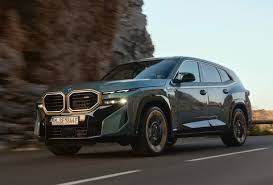
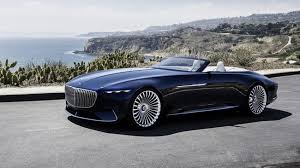
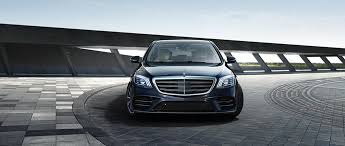
When space, power, and ultimate road presence are paramount, large luxury SUVs step into the spotlight.
The 2025 BMW X7 commands attention, scaling up the best attributes of BMW SUVs into a sophisticated three-row machine for up to seven occupants. Its sharp interior design, comfortable first and second rows, and powerful engine options make it a top contender. The updated iDrive system, while still requiring a slight learning curve, integrates seamlessly into the opulent cabin.
Mercedes-Benz offers the GLS, a direct competitor to the X7, known for its buttery-smooth ride, extravagant cabin, and sophisticated MBUX interface. For those seeking a truly iconic and rugged statement, the G-Class (G-Wagen) continues its legendary run. While undeniably a high-class off-road machine, its overlanding attributes do sometimes compromise its overall luxury vehicle appeal on paved roads, especially compared to the more road-focused X7 and GLS. For sheer three-row comfort and technological integration, the GLS often edges out the G-Class.
Winner: BMW (for balancing practicality with dynamic luxury, with the GLS as a very close second)
Luxury Small Cars: The Enthusiast’s Entry Point
For many, the small luxury sedan is the quintessential driver’s car.
The 2025 BMW 3 Series maintains its reign as one of the market’s premier small luxury sedans. It’s fun to drive, offers powerful engines, and boasts a surprisingly spacious interior and trunk for its class. Its precise steering and balanced chassis continue to make it a benchmark for athletic performance. The sportier 2 Series coupe and the versatile 4 Series (coupe, convertible, Gran Coupe) further solidify BMW’s dominance in providing engaging driving experiences.
The 2025 Mercedes-Benz C-Class is a commendable rival, focusing more on comfort and scaled-down S-Class luxury. It offers a plush ride and a high-tech cabin that, while impressive, doesn’t always deliver the same level of driving engagement as the 3 Series. Mercedes also offers the CLA, a stylish entry-level four-door coupe that packs a lot of tech and nimble handling into a sharp-looking interior, but it falls short of the C-Class’s overall refinement.
Winner: BMW (for upholding the legacy of the ultimate driving machine)
Luxury Midsize Cars: The Executive’s Choice
This segment traditionally represents the sweet spot for executive sedans, blending performance, luxury, and everyday usability.
The 2025 Mercedes-Benz E-Class remains a cornerstone, much like its S-Class sibling. It offers a sublimely comfortable and refined ride, coupled with an interior that pushes the boundaries of digital integration. While the sheer volume of tech can sometimes feel overwhelming, the E-Class boasts an impressive suite of driver-assistance features and an MBUX system that’s incredibly responsive. Mercedes also presents the CLE, a handsome two-door coupe and convertible that effectively replaces the C-Class and E-Class coupes, offering stout powertrains and elegant styling.
The 2025 BMW 5 Series, redesigned for the modern era, continues to be highly regarded. While some purists argue it has softened its edge compared to its predecessors, it still delivers the familiar punch from its powerful engine lineup and offers a more engaging drive than many competitors. Its cabin is modern and well-appointed, with the latest iDrive iterations. This segment often boils down to a fundamental choice: Mercedes for unparalleled comfort and digital opulence, or BMW for a more dynamically oriented, if slightly less plush, experience.
Winner: Tie (Each excels in its chosen philosophy)
Luxury Large/Flagship Cars: Defining Automotive Excellence
At the very pinnacle of their respective lineups, the flagship sedans are where both brands pull out all the stops.
When it comes to the ultimate luxury sedan, few can rival the comfort, opulence, and technological prowess of the 2025 Mercedes-Benz S-Class. The cabin is an unparalleled sanctuary, shielding occupants from the outside world with exquisite materials, advanced soundproofing, and a ride quality that borders on magical. Its MBUX Hyperscreen, with predictive AI and intuitive voice control, epitomizes digital luxury. This is the vehicle many aspire to, whether as a driver or a passenger.
The 2025 BMW 7 Series offers its own bold, modern take on the world-class cabin, pushing design boundaries with its distinctive exterior and integrating a powerful, if initially complex, iDrive system with unique features like the 31-inch Theatre Screen. While the S-Class prioritizes serene comfort above all, the 7 Series offers a surprisingly engaging driving experience for such a large vehicle, blending executive comfort with BMW’s signature athleticism.
Winner: Mercedes-Benz (The S-Class continues to define luxury for many)
Luxury Electric Cars: The Future, Now
The EV revolution is in full swing, and both BMW and Mercedes-Benz are rapidly expanding their electric portfolios.
BMW’s electric lineup is impressively dynamic. The 2025 BMW i4 is an engaging EV take on the 4 Series Gran Coupe, offering thrilling performance and responsive handling. The i5 provides an electric variant of the 5 Series, blending sophistication with electric propulsion. The i7, BMW’s electric flagship, mirrors the bold design of the 7 Series, delivering dominant performance and futuristic styling, making a strong statement in the premium electric sedan space. BMW’s “Neue Klasse” architecture, set to debut soon, promises even more performance and efficiency.
Mercedes-Benz continues to refine its EQ lineup. The 2025 EQE Sedan and EQS Sedan both boast serene driving dynamics, opulent cabins, and impressive range figures. While the naming convention can be a bit confusing (EQE being the electric E-Class equivalent, EQS the electric S-Class), their focus on a quiet, comfortable, and technologically advanced electric experience is clear. The EQS, in particular, showcases the Hyperscreen in its full glory and delivers an otherworldly smooth ride. BMW often wins on sheer driving excitement, while Mercedes emphasizes EV luxury with a focus on ride quality and digital integration.
Winner: BMW (for range of engaging EV options, with Mercedes strong on luxury EV comfort)
Luxury Electric SUVs: Electrifying Utility
The practicality of an SUV meets the sustainability of an EV in this burgeoning category.
The 2025 BMW iX is the brand’s chief electric SUV, and while it carries a premium price tag, it justifies it with powerful acceleration, a spacious and functional interior, and cutting-edge technology. It masterfully blends quirky design with genuine usability and impressive range. BMW is also expanding its “i” SUV offerings with anticipated iX3 and iX5 models based on their popular ICE counterparts.
Mercedes-Benz offers a broader, though sometimes less distinct, lineup of electric SUVs. The 2025 EQB provides an electric option based on the GLB, while the EQE SUV and EQS SUV stand as bespoke electric models. Both EQE and EQS SUVs feature elegant interiors and the MBUX system. While stylish, the EQE SUV’s range can be average compared to rivals, and the EQS SUV is undeniably pricey, sometimes compromising cargo capacity for sleek design. BMW’s iX currently delivers a more compelling package of performance, space, and unique design.
Winner: BMW (for a more cohesive and impactful electric SUV offering)
Luxury Sports Cars: Adrenaline and Prestige
For enthusiasts seeking pure driving exhilaration and prestigious ownership, the sports car segment is where these brands truly differentiate their performance divisions.
BMW, through its M division, has an undeniable edge in performance cars that are often direct derivatives of their production vehicles. The 2025 M2, M3, and M4 continue to be renowned sport sedans and coupes, offering track-ready performance, sharp handling, and exhilarating power. The Z4 roadster provides open-air thrills with a blend of luxury and sport. These M cars embody BMW’s performance heritage, offering a visceral driving experience for dedicated drivers.
Mercedes-Benz counters with its formidable AMG performance division and dedicated sports cars. The 2025 Mercedes-AMG GT, available in various configurations, is an exciting, purpose-built sports car that rivals the best. The updated Mercedes-AMG SL, evolving from its grand touring roots, offers a sophisticated droptop experience with serious performance capabilities. While BMW often integrates performance more seamlessly across its broader lineup, Mercedes-AMG creates truly dedicated, high-horsepower machines. Choosing a winner here depends on whether you prefer integrated performance variants or dedicated, bespoke sports cars.
Winner: BMW (for the breadth and depth of its performance-oriented derivatives, though AMG offers incredible dedicated sports cars)
Safety: Advanced Protection for Precious Cargo
In 2025, both BMW and Mercedes-Benz set incredibly high standards for vehicle safety, integrating extensive active and passive systems.
Both brands consistently achieve stellar safety scores across their conventional lineups. Models like the 2025 BMW 2 Series, 3 Series, 5 Series, and X3 often receive top ratings from organizations like the IIHS and NHTSA, offering comprehensive suites of safety tech including advanced forward collision avoidance, lane-departure warning, blind-spot monitoring, and sophisticated adaptive cruise control systems.
Mercedes-Benz models, including the 2025 C-Class, E-Class, GLC-Class, and GLE-Class, perform equally well, boasting similar arrays of predictive and preventative safety features. Both manufacturers are at the forefront of developing advanced driver-assistance systems (ADAS), inching closer to higher levels of autonomous driving. While many newer EVs from both brands are still undergoing comprehensive safety evaluations, their commitment to occupant protection is evident across their portfolios.
Winner: Tie (Both excel, offering industry-leading safety standards)
Performance: The Thrill Behind the Wheel
This is where the historical brand philosophies truly shine, though with significant advancements in electric powertrain performance.
Across the board, BMW remains the premium brand for driving enthusiasts. From the agile 3 Series to the executive 7 Series, BMW vehicles are meticulously engineered to excite. Their lineup of electric cars, including the i4, i7, and iX, also earns some of the highest performance scores, proving that electrification can enhance, not diminish, driving pleasure. The M3 and M4 continue to be performance stalwarts, delivering raw power and surgical precision.
Mercedes-Benz also delivers incredible performance, particularly through its AMG division. The S-Class, GT, SL, and EQS sedan all earn high marks for their respective performance characteristics – be it effortless power, grand touring refinement, or electric propulsion. While some entry-level Mercedes models prioritize value over outright performance (e.g., GLA, GLB), the AMG variants offer an exhilarating array of choices for speed demons, often with more luxurious interiors than their M counterparts. However, BMW’s fundamental tuning often provides a more immediate and consistent sense of driver engagement across its standard lineup.
Winner: BMW (for its consistent focus on driving dynamics across its entire range)
Reliability & Ownership Experience: Long-Term Value
Beyond the initial purchase, long-term reliability and the overall ownership experience are crucial for luxury vehicle buyers.
In 2025, reliability scores for both brands can be somewhat scattered, reflecting the complexity of modern vehicles. However, BMW generally tends to report more reliability data, and its models often score favorably. J.D. Power’s predicted reliability scores often place models like the 2 Series, 7 Series, X1, and X3 in the “Great” category. As a brand, BMW generally maintains a strong average. Their comprehensive service networks and proactive software updates contribute to a solid ownership experience.
Mercedes-Benz has made strides in reliability, with the E-Class and GLE often receiving respectable scores. However, fewer of their models historically receive published reliability data, making a direct brand-wide comparison challenging. Both BMW and Mercedes-Benz vehicles are backed by a competitive four-year/50,000-mile powertrain warranty. Notably, Mercedes-Benz offers a longer EV battery warranty (10-year/155,000-mile) compared to BMW’s (8-year/100,000-mile), which is a significant consideration for luxury EV owners.
Winner: BMW (for more consistently reported strong reliability across its wider model range)
Interior Design & Comfort: The Sanctuary Within
If BMW has been the performance brand, Mercedes-Benz has historically been the undisputed king of cabin comfort and opulent design. This trend largely continues into 2025.
Mercedes-Benz consistently sets the industry standard for automobile interiors. Whether it’s the GLE, GLS, E-Class, or the gold-standard S-Class, the fit, finish, material quality, and design execution are top-notch. The integration of the MBUX Hyperscreen, sophisticated ambient lighting, and unparalleled seat comfort create a genuinely world-class cabin experience that few can match. For pure luxury, visual spectacle, and ergonomic refinement, Mercedes-Benz remains the benchmark.
BMW has made significant strides in interior design, with bright spots like the X1, X3, and i7 offering outstanding cabins in terms of build quality, material selection, and modern aesthetic. The Curved Display, integrating the instrument cluster and infotainment screen, provides a sleek, futuristic look. There is excellent fit-and-finish across many BMW models, and their cabins are highly functional and driver-focused. However, they generally don’t quite reach the same level of sheer opulence, plushness, or digital grandeur that Mercedes-Benz consistently delivers across its higher-end models.
Winner: Mercedes-Benz (for pushing the boundaries of luxury interior design and comfort)
The Ultimate Verdict for 2025: A Nuanced Choice
After meticulously dissecting the strengths of these two formidable German luxury automakers across the evolving 2025 landscape, the balance tips in a particular direction, yet the choice remains deeply personal.
Overall, BMW emerges with a slight lead in more categories, particularly when considering its consistent focus on driving dynamics, the breadth of its engaging EV offerings, and strong reliability scores across its lineup. BMW has masterfully evolved, demonstrating that its vehicles can be highly engaging to drive while simultaneously being refined, technologically advanced, and loaded with features. Their commitment to a driver-centric experience, even in the age of electrification, continues to resonate strongly.
Mercedes-Benz, however, retains its undisputed crown for unparalleled comfort and interior opulence. Its cabins are truly world-class sanctuaries, and many of its vehicles continue to set the bar for refinement, digital luxury, and passenger comfort in their respective segments. For those who prioritize a serene ride, cutting-edge infotainment spectacle, and an environment of pure indulgence, Mercedes-Benz is often the superior choice.
The burgeoning electric vehicle market will continue to be a fascinating battleground, with both brands investing heavily in next-generation platforms and technologies. For now, if you prioritize a dynamic, engaging driving experience that seamlessly integrates luxury and technology across a wide array of models, BMW holds the slight edge. If ultimate comfort, breathtaking interior design, and digital sophistication are your paramount concerns, Mercedes-Benz remains the gold standard.
Ready to Experience German Engineering Excellence?
The best way to truly understand the distinctions between these titans of luxury automotive is to experience them firsthand. We invite you to explore the 2025 lineups from both BMW and Mercedes-Benz. Visit your local dealerships, schedule a personalized test drive, and feel the difference for yourself. Whether your heart yearns for the thrill of the drive or the serenity of a luxurious cabin, the perfect premium vehicle awaits. Don’t just read about luxury; live it.