
BMW vs. Mercedes-Benz: The 2025 Battle for Automotive Supremacy
As we navigate the dynamic landscape of 2025, the automotive world continues its relentless march towards innovation, luxury, and sustainable performance. For decades, two titans have reigned supreme at the pinnacle of German engineering and premium motoring: BMW and Mercedes-Benz. Their rivalry isn’t just a competition; it’s a driving force shaping the very definition of luxury vehicles. As an industry veteran with over a decade immersed in this segment, I’ve witnessed firsthand how these brands have evolved, adapted, and, at times, redefined automotive excellence.
In the current market, discerning buyers aren’t just looking for a mode of transport; they seek an immersive experience, a statement of personal values, and a testament to cutting-edge technology. Both BMW and Mercedes-Benz consistently deliver on these fronts, yet their philosophies remain subtly distinct, even as the lines occasionally blur. BMW, long heralded as “The Ultimate Driving Machine,” traditionally champions driver engagement, dynamic handling, and a sporty edge. Mercedes-Benz, conversely, often epitomizes opulent comfort, serene refinement, and an undeniable aura of prestige. This year, the stakes are higher than ever, particularly with the accelerating shift towards electrification, advanced driver-assistance systems (ADAS), and hyper-personalized digital cabins.
Choosing between these two legendary marques in 2025 is more nuanced than ever. It’s about understanding which brand’s vision for the future aligns best with your priorities. To help navigate this exciting, complex decision, let’s dissect their offerings across key segments and critical attributes, assessing where each stands in the contemporary luxury arena.
The Modern Crossover & SUV Arena: Versatility Meets Veneration
The SUV segment remains the beating heart of the luxury market, and both BMW and Mercedes-Benz offer formidable lineups, from agile urban explorers to three-row behemoths.
Luxury Subcompact SUVs: Entry Points to Excellence
BMW X1 (and X2): In 2025, the X1 continues to be a standout, blending practicality with a surprising degree of BMW’s signature athleticism. Its cabin, for an entry-level premium SUV, feels remarkably sophisticated, packed with the latest iDrive infotainment system and ample standard features. The available powertrain options, including efficient mild-hybrids and a fully electric iX1 (expected to gain wider US traction), offer versatility for various buyer needs. The X2, with its coupe-like silhouette, sacrifices a touch of utility for bolder styling and a sportier presence, appealing to a specific niche.
Mercedes-Benz GLA (and GLB): The GLA holds its own with sleek styling, nimble handling, and a modern, tech-forward interior centered around the MBUX system. It’s a compelling option for urban dwellers seeking a stylish, connected experience. The GLB, on the other hand, distinguishes itself with a more upright, rugged aesthetic and the unique offering of an optional third row, a rare find in this class. While not as dynamically focused as the X1, the GLB offers more utilitarian space and Mercedes’ characteristic cabin luxury.
Verdict: BMW takes a slight edge here for its overall balance of driving dynamics and increasingly refined interior packaging in the X1, especially with the electrification push. However, the GLB offers unmatched practicality for its size.
Luxury Compact SUVs: The Core Contenders
BMW X3 (and X4): The X3 remains a cornerstone of BMW’s lineup. For 2025, expect subtle refinements building on its reputation for sharp handling, potent engine options (including the robust xDrive30e PHEV), and a spacious, driver-centric cabin. It effortlessly blends family functionality with engaging driving. The X4 offers the same mechanical prowess but with a sloping roofline, prioritizing style over maximum cargo volume, appealing to those who desire a sportier aesthetic.
Mercedes-Benz GLC (and GLB): The GLC, extensively updated for 2024, continues into 2025 with its plush ride, beautifully crafted interior, and intuitive MBUX infotainment. It prioritizes comfort and elegance, making it a strong choice for those seeking a more traditional luxury experience. Its available mild-hybrid powertrains contribute to impressive fuel efficiency. While the GLB competes here by size, its aesthetic and optional third-row make it a distinct offering.
Verdict: This segment is a near tie. The X3 retains its crown for dynamic driving, making it ideal for enthusiasts. The GLC, however, impresses with its serene ride quality and superior interior ambiance, making it a stronger choice for those prioritizing comfort and luxury.
Luxury Midsize SUVs: Performance Meets Plushness
BMW X5 (and X6): The X5, a perennial favorite, continues to excel with its powerful engines, athletic handling, and premium cabin materials. For 2025, expect further integration of advanced connectivity and refined driver-assistance features like active lane-change assist, enhancing both safety and convenience. The X6 mirrors the X5’s performance but wraps it in a more aggressive, coupe-SUV body.
Mercedes-Benz GLE (and GLE Coupe): The GLE stands as a benchmark for midsize luxury SUVs, boasting a supremely comfortable ride, an expansive and opulent interior, and the highly advanced MBUX system. Its range of powertrains, including an excellent plug-in hybrid for 2025, offers both power and efficiency. The GLE Coupe offers a stylish alternative, similar to BMW’s X6.
Verdict: Mercedes-Benz GLE takes a slight lead for its superior cabin comfort and overall refinement, which for many, defines luxury in this segment. The X5 is still a brilliant choice for those who value driving engagement more intensely.
Luxury Large SUVs: Flagship Family Haulers
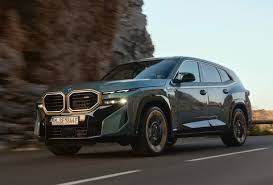
BMW X7: The X7 confidently takes the large luxury SUV mantle for BMW, offering three rows of comfortable seating, a commanding road presence, and an interior that rivals dedicated luxury sedans. Its powerful engine options and surprisingly composed handling for its size make it a driver’s large SUV.
Mercedes-Benz GLS (and G-Class): The GLS is often dubbed the “S-Class of SUVs,” a testament to its unparalleled luxury, sumptuous cabin, and serene ride quality. It’s designed for effortless long-distance travel. The iconic G-Class, while technically a large SUV, occupies a unique niche. It’s an off-road legend dressed in high fashion, offering rugged capability alongside extreme luxury, but its primary focus isn’t a direct comparison to the X7 or GLS in terms of on-road refinement.
Verdict: Mercedes-Benz GLS secures this win. While the X7 is a formidable contender, the GLS simply elevates the luxury experience to another level, prioritizing passenger comfort and opulent details that are hard to match. The G-Class is in a class of its own.
The Evolving Sedan & Coupe Landscape: Tradition Meets Tomorrow
While SUVs dominate sales, the luxury sedan and coupe segments remain crucial for defining brand identity and pushing technological boundaries.
Luxury Small Cars: Driving Purity vs. Sophisticated Style
BMW 3 Series (and 2 Series, 4 Series): The 3 Series remains the gold standard for compact luxury sports sedans. Its engaging driving dynamics, precise steering, and powerful engines continue to deliver on BMW’s promise of “The Ultimate Driving Machine.” The 2 Series Coupe offers an even purer, more compact sporting experience, while the 4 Series (coupe, convertible, Gran Coupe) caters to those desiring more distinct styling and enhanced performance.
Mercedes-Benz C-Class (and CLA, CLE): The C-Class, often seen as a scaled-down S-Class, prioritizes comfort, a tranquil ride, and a sumptuously appointed interior featuring the latest MBUX tech. It’s an elegant, sophisticated choice. The CLA offers a more aggressive, coupe-like design for an entry-level luxury sedan, while the new CLE (combining C-Class Coupe/Convertible and E-Class Coupe/Convertible lineages) brings a refined two-door experience.
Verdict: BMW maintains its lead in this segment, particularly with the 3 Series, for delivering a more visceral and engaging driving experience that enthusiasts crave. The C-Class is undeniably elegant, but BMW offers more dynamic variety.
Luxury Midsize Sedans: The Executive Choice
BMW 5 Series: The redesigned 2024 5 Series carries into 2025 with a blend of refined comfort and potent performance. While some traditionalists might argue it’s softened slightly, it remains a highly capable and luxurious executive sedan, especially with its diverse powertrain options, including the electric i5.
Mercedes-Benz E-Class: The E-Class is a paragon of midsize luxury, renowned for its supremely comfortable ride, whisper-quiet cabin, and a high-tech interior that often outshines its rivals. Its extensive suite of driver-assistance features and emphasis on passenger well-being make it a benchmark.
Verdict: This is a tie, reflecting the fundamental differences in approach. The E-Class is the undisputed champion of executive comfort and technological integration. The 5 Series, particularly in its M Sport trims, still appeals more to the driver who appreciates a blend of luxury and sporting prowess.
Luxury Large Cars: Flagship Statements
BMW 7 Series: The latest 7 Series embraces a bold, futuristic design and an interior that is a technological tour-de-force, especially the optional 31-inch Theatre Screen. It offers immense power and a surprisingly agile feel for its size, aiming to redefine luxury with digital innovation.
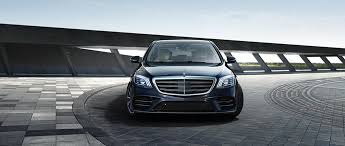
Mercedes-Benz S-Class: The S-Class remains the undisputed benchmark for luxury sedans globally. Its interior is a masterclass in materials, craftsmanship, and ergonomic design, prioritizing passenger comfort above all else. The ride is sublime, the cabin serene, and the MBUX system seamlessly integrated.
Verdict: Mercedes-Benz S-Class wins this round. While the 7 Series offers a compelling, futuristic vision, the S-Class simply sets the global standard for timeless luxury, comfort, and refinement. Its ability to cocoon occupants from the outside world is unparalleled.
Electrification: The New Frontier
The race for electric vehicle (EV) dominance is intensifying, and both German brands are pouring significant resources into their EV lineups.
Luxury Electric Sedans: Silent Powerhouses
BMW i4 (and i7): BMW’s electric sedan offerings are impressive. The i4, essentially an electric 4 Series Gran Coupe, delivers thrilling acceleration and dynamic handling, making it a driver-focused EV. The i7, the electric counterpart to the 7 Series, brings the same bold styling and innovative interior technology, providing a grand, powerful, and silent luxury experience.
Mercedes-Benz EQE Sedan (and EQS Sedan): Mercedes-Benz’s EQE and EQS sedans showcase a distinct “cab-forward” design optimized for aerodynamics and interior space. The EQS Sedan, particularly, offers incredible range, an ultra-luxurious cabin (especially with the Hyperscreen), and a ride quality that epitomizes electric serenity. The EQE Sedan offers a slightly smaller, more accessible version of this experience.
Verdict: BMW edges out Mercedes here, largely due to the i4’s engaging driving dynamics and the i7’s more conventional yet still distinctive luxury sedan styling. While the EQS is a technological marvel, BMW’s EVs feel more naturally integrated into their existing model lines for enthusiasts.
Luxury Electric SUVs: Family-Friendly Electrons
BMW iX: The iX is BMW’s dedicated electric SUV, a bold statement in design and technology. It boasts impressive acceleration, a remarkably spacious and minimalist interior, and integrates cutting-edge tech seamlessly. Its unique aesthetics are a love-it-or-hate-it proposition, but its execution is undeniable.
Mercedes-Benz EQB (and EQE SUV, EQS SUV): Mercedes offers a broader range of electric SUVs. The EQB provides a practical, boxy alternative to the GLB, offering decent space for its class. The EQE SUV and EQS SUV translate the luxury and technology of their sedan counterparts into SUV form, offering serene rides, advanced MBUX, and varying degrees of luxury and performance. However, some models have faced criticism for range or cargo capacity compared to rivals.
Verdict: BMW takes this segment. The iX is a more cohesive and compelling luxury EV SUV package from a driver’s perspective, offering a better blend of performance, interior space, and range, even if its styling is polarizing.
Performance & Sporting Prowess: Adrenaline & Precision
Both brands have legendary performance divisions – BMW M and Mercedes-AMG.
BMW M Performance: From the nimble M2 to the iconic M3 and M4, and the full-size M5 and M8, BMW M vehicles are engineered for raw performance, track capability, and unparalleled driver connection. Even models like the Z4 Roadster offer a pure, open-air driving experience with strong powertrains. BMW’s focus is on razor-sharp handling, direct steering feedback, and potent, responsive engines.
Mercedes-AMG: Mercedes-AMG offers a broader spectrum, from subtly enhanced daily drivers to dedicated sports cars like the AMG GT and the luxurious SL Roadster. AMG vehicles are known for their handcrafted engines, thunderous exhausts, and a blend of brute force with sophisticated luxury. They often lean into grand touring more than outright track focus compared to some M models, though specific Black Series variants certainly challenge that notion.
Verdict: BMW holds a slight edge for its consistent dedication to pure, unadulterated driving performance across its M lineup. While AMG makes incredibly potent machines, BMW M often feels a touch more focused on the driver-car connection.
Beyond the Drive: Key Ownership Pillars
Beyond segment comparisons, certain attributes are critical in the luxury market.
Interior & In-Cabin Experience: Opulence vs. Ergonomics
Mercedes-Benz: Consistently sets the benchmark for interior luxury. From the choice of materials to the intricate design, ambient lighting, and seamless integration of MBUX, Mercedes-Benz cabins are designed to coddle and impress. The S-Class and GLS remain pinnacles of automotive interior design.
BMW: BMW’s interiors have evolved significantly, now offering excellent build quality, premium materials, and increasingly sophisticated designs. The latest iDrive iterations (like iDrive 8.5/9 in 2025 models) are highly functional, and models like the X1 and i7 showcase superb cabin architecture. However, they still generally prioritize driver ergonomics and a more functional aesthetic over the sheer lavishness of Mercedes.
Verdict: Mercedes-Benz firmly wins the interior battle. If an opulent, serene, and exquisitely finished cabin is your top priority, Mercedes-Benz continues to lead the way.
Cutting-Edge Technology & ADAS: Connectivity & Safety
Both Brands: Both are at the forefront of automotive technology. For 2025, expect highly advanced versions of their infotainment systems (BMW’s iDrive 8.5/9 and Mercedes’ MBUX), offering extensive connectivity, AI voice assistants, and seamless smartphone integration. Both offer comprehensive ADAS suites with features like adaptive cruise control, lane-keeping assist, and advanced parking aids, moving steadily towards higher levels of semi-autonomous driving. Mercedes’ optional Hyperscreen and BMW’s Theatre Screen are clear indicators of their commitment to digital immersion.
Verdict: Tie. Both brands offer industry-leading technology. The choice often comes down to personal preference for interface design – some find iDrive more intuitive for primary controls, while others are captivated by MBUX’s visual flair and natural language processing.
Driving Dynamics & Performance: The Core DNA
BMW: BMW’s traditional strength lies in its engaging driving dynamics. Across its range, vehicles offer precise steering, balanced chassis, and powertrains that deliver strong, linear acceleration. This holds true even for its larger SUVs and electric vehicles, showcasing a commitment to driver enjoyment.
Mercedes-Benz: Mercedes-Benz vehicles, while capable and often powerful, typically prioritize a smoother, more composed ride. Their performance is often delivered with less immediacy but with immense refinement. AMG models, of course, are a different beast, but the core brand DNA leans towards grand touring comfort.
Verdict: BMW takes this category. For buyers who prioritize the “feel” of the road, crisp handling, and a connection to the driving experience, BMW consistently delivers.
Reliability & Ownership Value: Long-Term Assurance
Both Brands: Historically, both German luxury brands have faced scrutiny over long-term reliability and maintenance costs compared to some Asian counterparts. However, modern engineering has vastly improved. For 2025, both offer comprehensive 4-year/50,000-mile warranties. EV battery warranties are typically much longer (BMW 8-year/100,000-mile, Mercedes-Benz 10-year/155,000-mile), reflecting confidence in their electric powertrains. Resale value for popular models from both brands tends to be strong in the premium segment.
Verdict: BMW often shows slightly better predicted reliability scores across its broader lineup in recent industry surveys. While both are premium vehicles with associated maintenance costs, BMW appears to have a marginal edge in consistency.
Safety Standards: Protecting Precious Cargo
Both Brands: Both BMW and Mercedes-Benz are leaders in passive and active safety. Their vehicles consistently earn top marks from organizations like the IIHS and NHTSA. For 2025, expect even more refined ADAS suites as standard or available, utilizing advanced sensors, radar, and cameras to prevent accidents and protect occupants. Features like enhanced forward collision warning, automatic emergency braking, sophisticated lane-keeping systems, and advanced airbag deployments are universal.
Verdict: Tie. You simply cannot go wrong with either brand when it comes to vehicle safety. Both invest heavily in protecting their occupants and preventing accidents with cutting-edge technology.
The 2025 Winner Is… It Depends on You.
After a thorough examination across segments and critical attributes, the 2025 battle between BMW and Mercedes-Benz reveals a nuanced landscape. If we tally the individual segment and attribute wins, BMW often emerges with a slight numerical lead, especially when considering driving dynamics, performance, and the breadth of its electric SUV offerings.
BMW continues to excel at crafting “The Ultimate Driving Machine,” maintaining its focus on driver engagement, athletic handling, and delivering a more direct connection to the road. Their evolving interiors are more competitive than ever, and their electric lineup offers compelling performance for the enthusiast.
However, Mercedes-Benz remains the master of opulent comfort, serene refinement, and aspirational luxury. Its interiors set industry standards, and models like the S-Class and GLS offer an unparalleled sense of prestige and passenger well-being. For those who prioritize a whisper-quiet cabin, supple ride, and a truly luxurious ambiance, Mercedes-Benz is often the stronger choice.
In 2025, the “winner” is truly subjective, tailored to your individual priorities and driving philosophy. Are you a driving enthusiast who cherishes every curve, or do you seek a sanctuary of comfort and technological elegance for your daily commute and long journeys? Both brands deliver outstanding products, showcasing the pinnacle of German engineering and innovation.
The luxury automotive market is more diverse and exciting than ever. To truly experience the difference and decide which vision of 2025 luxury resonates most with you, we invite you to explore the latest models from both BMW and Mercedes-Benz firsthand at your nearest authorized dealership. Engage with the technology, feel the craftsmanship, and most importantly, get behind the wheel. Your ultimate driving machine or ultimate sanctuary awaits.